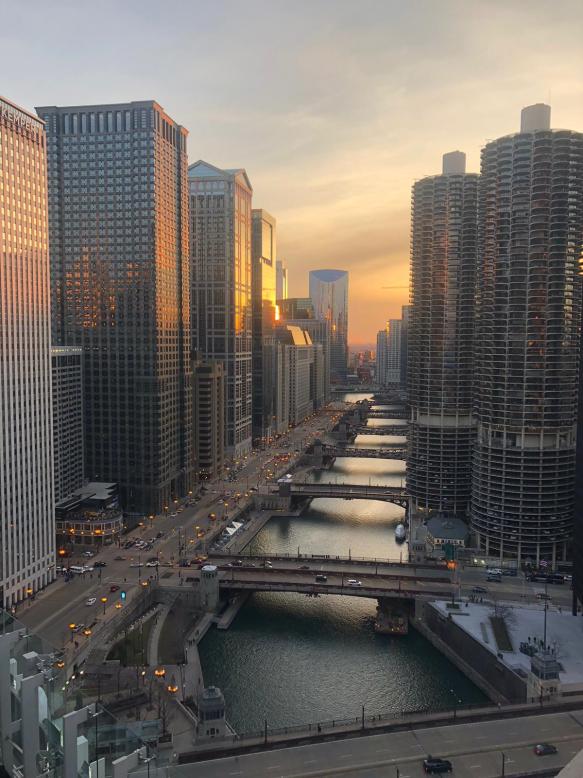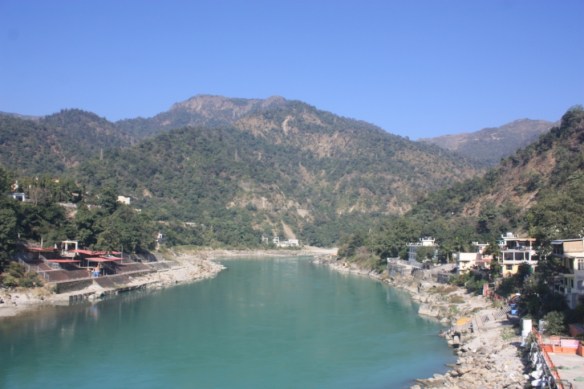
DAILY PHOTO: Charon Canyon
Image
Reply



 Don’t tell me stories about screaming trees.
I’ve heard them in the forest after dark.
Strange boats landed on the shore from vast seas,
carrying saws to make a proper park
of old growth lands that lay beyond the known
and sweep up the sun-dappled leaf litter,
sowing where they’d reaped & reaping what they’d sown,
silencing the chitter of bird and critter.
Rearranging, like bedroom furnishings,
the space of nature’s grand, endless chaos.
Building fences, trapping, and clipping wings.
They spay and spray and pray, and scrape the moss.
The boats, long since rotted, landed near here
between that Taco Bell and the concrete pier.

Taken in the summer of 2009 at Chichén-Itzá
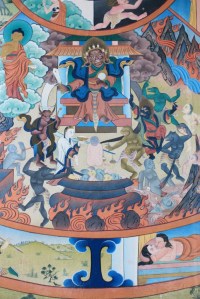 Lucid dreaming is the act of becoming aware that one is in a dream while dreaming. It’s called “Dream Yoga” in some Eastern traditions (most notably, Tibetan [Vajrayana] Buddhism.) Many people pursue lucid dreaming because they find it just too cool to experience the world of dreams consciously, but — for those who don’t — the natural question is “why bother?” Well, it gives one an unprecedentedly vivid insight into one’s subconscious mind. [For those who are still wondering “why?” This post is probably not for you.]
Since I was young, I’ve occasionally experienced lucid dreams. But it wasn’t until recent years that I began a dream yoga practice — which I had discontinued until resuming it for this month’s study. Those unfamiliar lucid dreaming might wonder how one “practices” becoming aware that one is in a dream in the midst of dreaming. If one didn’t come to the table with a talent for lucidity in dreams, one can’t exactly do anything about it in the middle of REM sleep (rapid eye movement, when the bulk of dreaming occurs.) A dream yoga practice consists of actions one takes during the day to help facilitate becoming lucid during one’s dreams. These actions include:
Long story short, one is doing two basic things in the practice of dream yoga. First, you’re trying to remember your dreams better. As I suggested, you could be becoming lucid in dreams every night, but if you don’t remember them you’re not gaining any conscious insights from them. Second, you’re trying to recognize the dream state by way of the bizarre incongruities that take place in dreams.
I should point out that mine is a bare bones practice, there are other activities one can do as well. Really hardcore practitioners set alarms in an attempt to wake themselves up in the midst of a dream. This allows them to remember dreams better and to help them become aware they are in a dream when they return to the dream after going back to sleep. This isn’t so far fetched as it might sound. We tend to dream in cycles of around 90 minutes and proceed through the same sequence of mind states from waking consciousness through hypnogogic state through various stages of sleep into a hypnopompic state and the back to waking consciousness. So, there is a degree of predictability on which to base one’s alarm estimate. I’m not so keen on disrupting my sleep. [Part of the reason that I discontinued practice is that I found I really only remembered lucid dreams when my sleep was troubled. (Usually it is not so much “troubled” as I when I’m sleeping lightly because I’ve slept longer than usual — e.g. occasionally oversleeping on the weekend.) If I sleep like a baby, I typically don’t remember lucid dreams — that doesn’t mean I’m not having them, but I wouldn’t know if I did.]
Even though a dream yoga practice has often seemed to have little influence on my having [or, perhaps more accurately, remembering] lucid dreams, this month I’ve had five that I remembered — a couple of which I only remembered the in-dream reality check (counting fingers.) [A warning to would-be lucid dreamers, its possible to wake yourself up with the excitement of becoming aware that you are in a dream.] I’ve been consistently journaling and have picked up doing more reality checks. [Bangalore is a great place for this because it’s in constant flux, so I’m forever having “was that there yesterday” moments and “has that looked like that for the past five years” moments as I move about the town.]
It’s been fun coming back to this practice. I’m one of those who doesn’t really need another reason for trying to dream lucidly other than the fact that I’m so in awe of being in a dream and knowing that anything my mind can conjure might come next. Still, the lucid dreams I’ve had this month have offered some interesting features to contemplate the meaning of, including: faceless people, being on some kind of backward moving speed-walk while I tried to go investigate a scene in front of me, and something akin to being in a video game.
I’m leaning toward doing a short stint of sleep deprivation for next month, if I can find two days or so to safely give it a try (i.e. no need to drive or do anything else requiring fresh faculties.) I’ve gone about 54 hours without sleep before (not for its own sake, but because of the situation at hand,) and know it can have some interesting effects.

Taken in May of 2018 in the Annapurna Sanctuary


Taken at the Giraffe Centre outside Nairobi in May of 2017.
Some rage against the dying of the light.
Some rage at the neon glow through their window,
catching them in the eye after midnight,
slowing time’s movement to a viscous flow.
Some rage about the sassy, sloppy youth.
Others rage that the old can’t understand.
Some rage when strangers sit down in their booth.
Others rage when things don’t go as planned.
Some rage about how time moves too quickly.
Others rage that we’re all stuck in the past.
Some rage until they’re tired and sickly.
Some rage they missed out by saving best for last.
You wonder why the lack of deathbed rage?
Let’s call it the wisdom of the end-stage.