
servo-whine striding,
yet
silent in stillness,

mechanical creatures
roam the plains:
pack hunting
with skill
but
without purpose.

it's the only thing they know.

servo-whine striding, yet silent in stillness, mechanical creatures roam the plains: pack hunting with skill but without purpose. it's the only thing they know.

Looking out the car's rear window,
I saw a strange and alien sky,
and wondered where I was,

and whether I was still somewhere
that I would - elsewise - recognize,

and - if not - whether I could get back,
and whether I would want to go back.

I saw a strange and alien sky,
and did not look to see the ground.
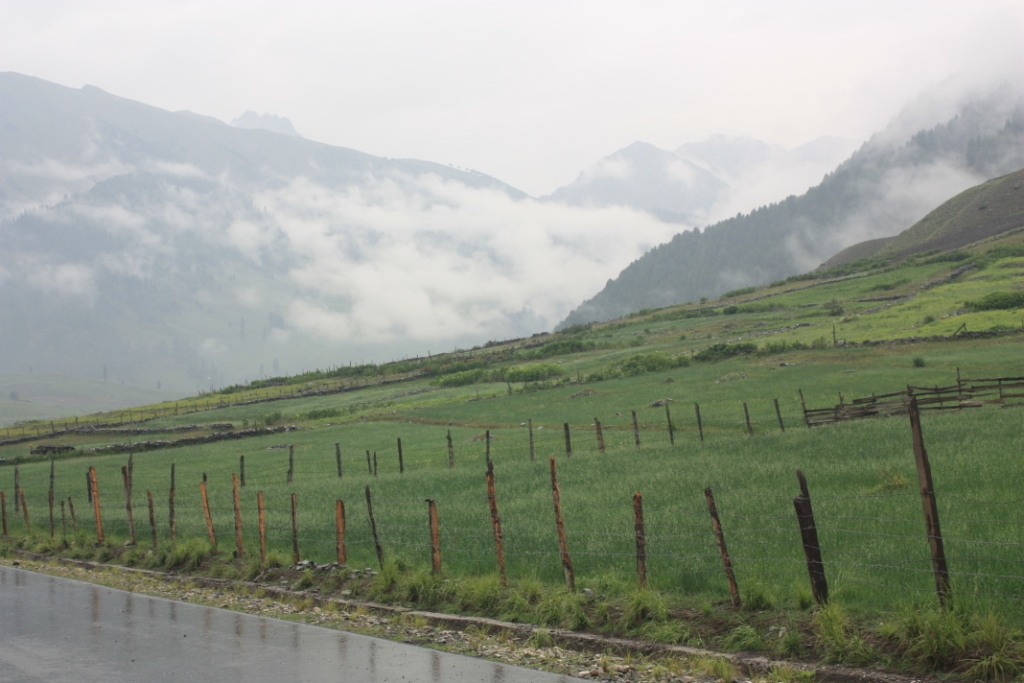
the acrid smell
of
burnt gun-smoke
dulls
in the mind,
but not
in the air

the brain tires of smelling it,
and so it fades,
but
it has nowhere to go --
not in this violent place
of dead & heavy air
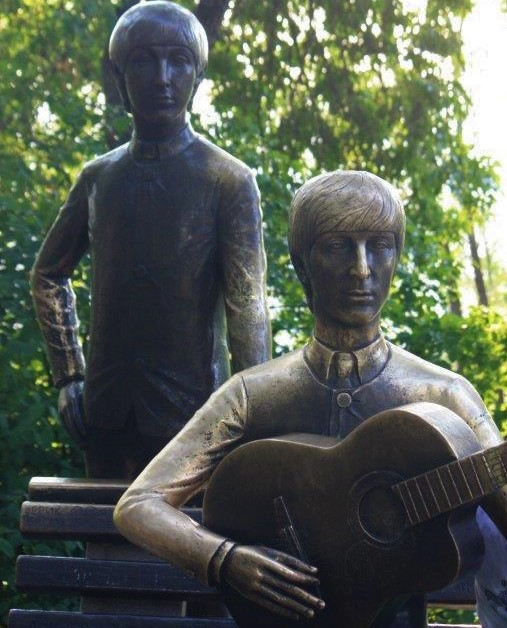
Emerson said,
"Trust thyself: every heart vibrates to that iron string."


REM said,
"What's the frequency, Kenneth?"


Will Kenneth's waves propagate down the line?

If so, would they add to,
or cancel out,
the waves of others?

That depends on the frequency, Kenneth!

I guess that's why Michael Stipe
took such an impassioned interest
in the question.

Is it even a good thing if one's waves
add to those of another?

Might it not become disharmonious,
like a runaway washing machine,
shaking violently,
parts flying through the air
in smooth ballistic arcs
only to bounce and clatter
in dull discordance.

Does one's iron string
even need to come into contact
with Kenneth's?

Might not the wave energy
passing through the air
stir up a resonance in one's bones?

Questions, such as these, haunt me --
not to mention:

Who, exactly, is Kenneth?

People sometimes tell me
they have trouble understanding poetry.

That's because they consume it
as they would a banana,
starting at one end and chomping
down to the other.

Poetry has to be consumed like
corn on the cob.

One should start at one end
and work down to the other,
but then one has to
go back to the beginning --
change one's angle of perspective --
and - again - go from one end to the other.

I can't
emphasize
this point about changing
one's angle of perspective
enough.

There is a difference:
with corn on the cob, one rotates the corn,
but, with poetry, one has to rotate something
within the reader.
Otherwise, one is just chomping into
an empty rut -
a track devoid of sustenance.

Then, one has to repeat the process
until every last morsel has been consumed.

That's how one ingests poetry.

Human nature is a raging river
which a few shitty sandbags of common sense
will not detour.

Some people stand on the bank
and shout at the river.
I will admit, I've done the same.

But those words neither soak in
nor bounce off that raging river --
they're made silent,
dying in air.

Some people try to steer
the river by splashing at the lapping waters
near its edge,

But none of them is Moses,
not one can dam a river by force of will.

And - even if one could --
eventually, that person would have to let go,
leaving a backed up and angry river
to rage onward.
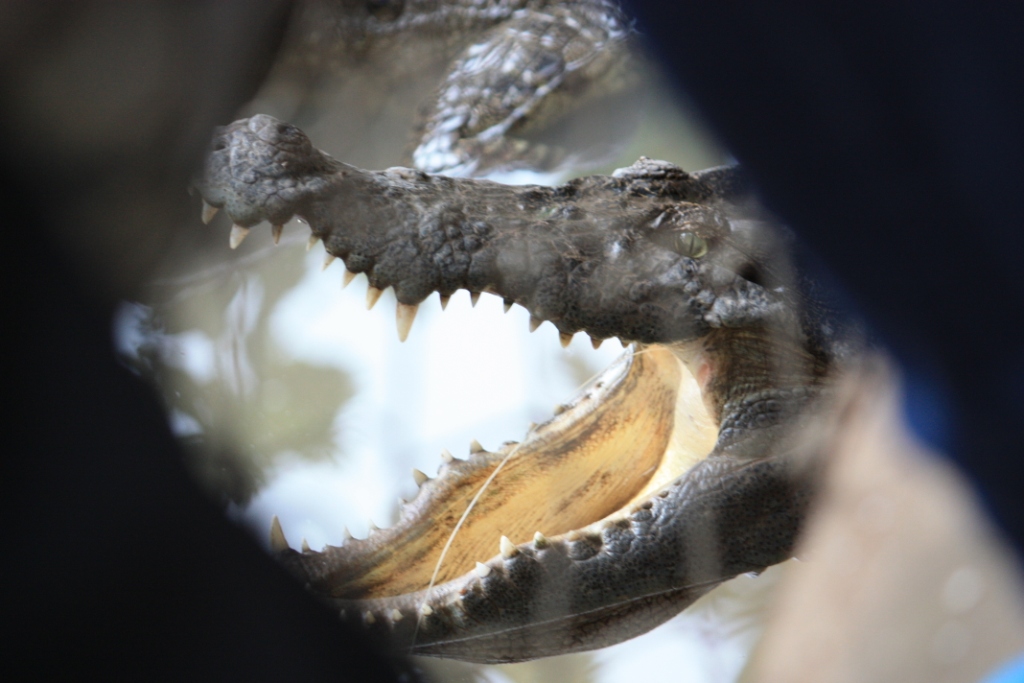
One burning moment --
taffy-stretched to the edge of reason:

stretched so broadly that one
can't fathom escape -
like Monkey on the Buddha's palm

One burning idea --
cloned, and then carved
to make infinite variants,
and painted infinite shades:
the dark tone of each
darker than the last

Burning ideas populating
the vast expanse of a
burning moment,
until the urge to escape
insists that one carve a hatch
into living tissue

But what is it that does
the stretching of the burning moment
&
the cloning of the burning idea?

Can't that stretcher and cloner
 be wound back,
scaling all to proper proportions?

And can't it be done before
that terminal instant
is carved in jagged stone?
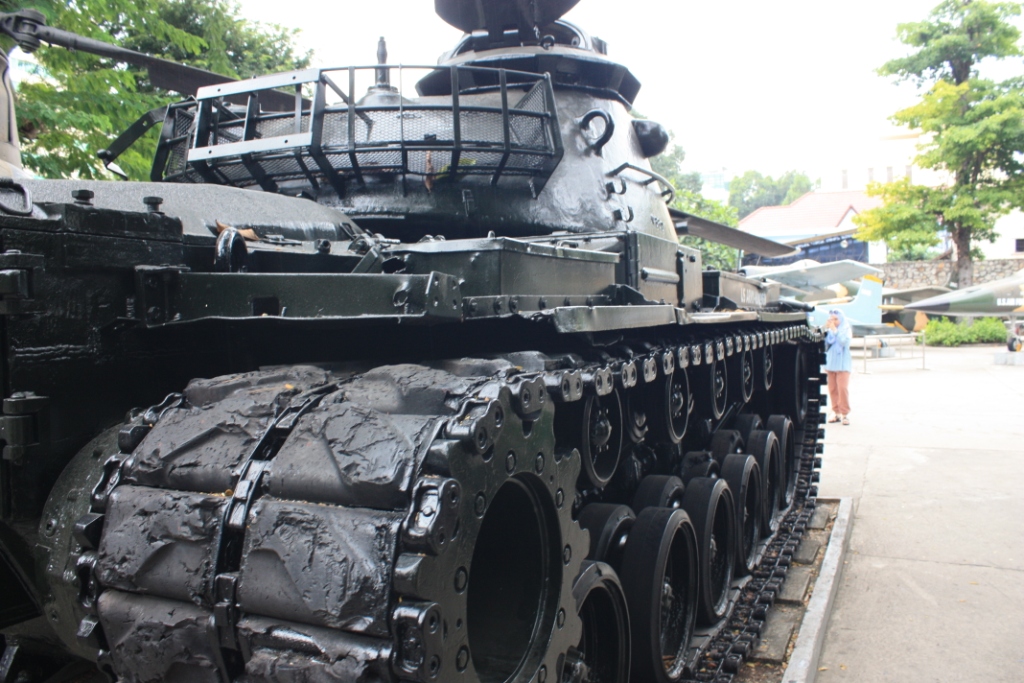
I
A young man set his ex-fiancé on fire.
(Or, so the story goes.
[He claims she self-immolated.])

She succumbed to third-degree burns...
but not right away.
She lived long enough to know
the agony of third-degree burns.

They'd met in college,
both studying to be engineers --
I mention that because
at the heart of the issue was caste.
It seems absurd enough
to murder a fiancé over
some imaginary mark of superiority,
but even more so when one considers
that they would have had the same qualification --
possibly similar jobs --
but for the boy's bigoted parents,
who insisted he call off the engagement,
and the boy, himself,
who took things that extra murderous mile.

So, it wasn't even about who the couple were,
it was about what their grandfathers
did for a living.

What a world.


II
The war is still burning.
Among the latest questions are:

 Will Belarus be forced to join in the fighting?
&
If so, will having another set
of soldiers who are completely uninterested in the war --
other than as a trial to be survived, that is --
help or hurt Putin's position?

A related question is whether Putin
would rather watch the world burn
than to lose face?

What a world.


III
The Pandemic said, "Psyche!"

This means America will roll the odometer
on COVID deaths.

We had things almost back to normal,
and then the virus caught its breath,
got it's footing,...
whatever viruses do.

What a world.

***

I think I'll check the news, again,
maybe sometime next year.
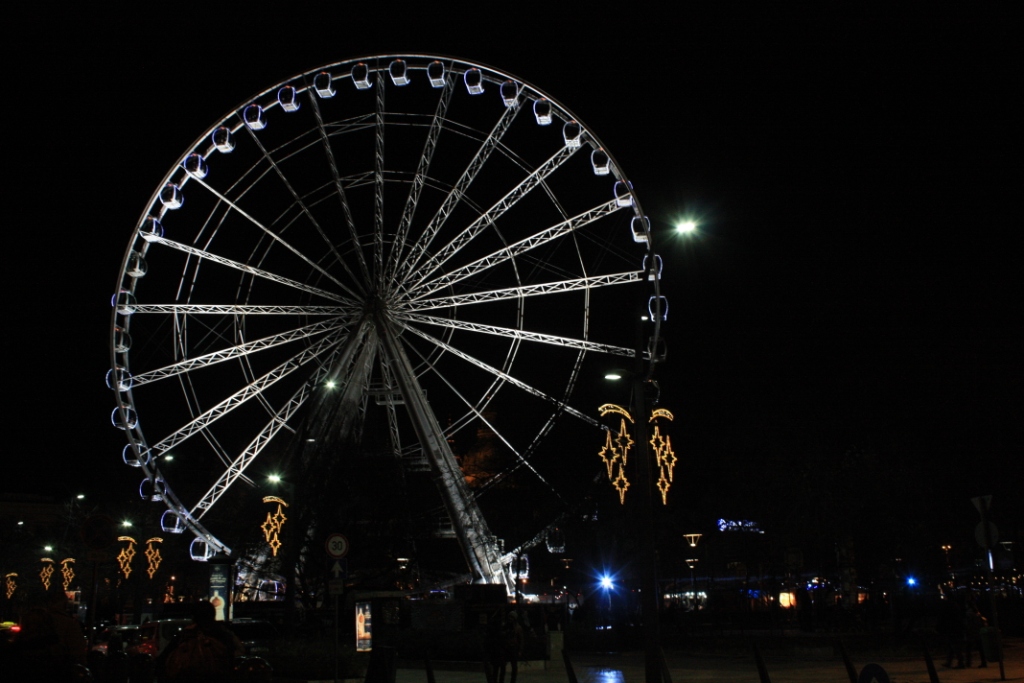
The Midnight Circus
was not as it seemed.

It was bright colors:
motion-blurred.

It was the tinny monotony
of music box-style
tinkling tunes
&
organ tones.

One could even make
out the scent of fried foods
and cotton candy,
among the many other
[uncircus-like]
odors.

But there was also the story
a mind wrote to
dance sensory facts
into sensory fictions;
that was where the falsity lie.

If one opened one's eyes,
letting them focus:
there'd be sparking wires,
&
 flames licking ever closer.

The shrill organ tones would
become screams.

The summer night's
humid heat would become
third degree burns.

The circus smells would
become dust and death
and acrid burnt combustibles.

So, he didn't open his eyes
to war or his impending demise,
but let his mind march
into that big musty, canvas tent,
surrendering to its irreality.
Running through the park,
in the light of the rising sun,
I pass through a band of cool air,
and a little later,
pass through a band
of warm, humid air.

And, I wonder whether
I'm having a stroke.

Isn't physics supposed
to push the warm air over
into the cold,
or pull the cold air over
into the warm,
or both,
and to keep doing so until
the air temperature
is an undifferentiated mass?

Had I stumbled into a
glitch in the Matrix?
Was the simulated weather
breaking down?

Why was thermodynamics
misbehaving?
I had so many questions,
but so few answers.

And so many miles to go.


 Tiger Riding for Beginners