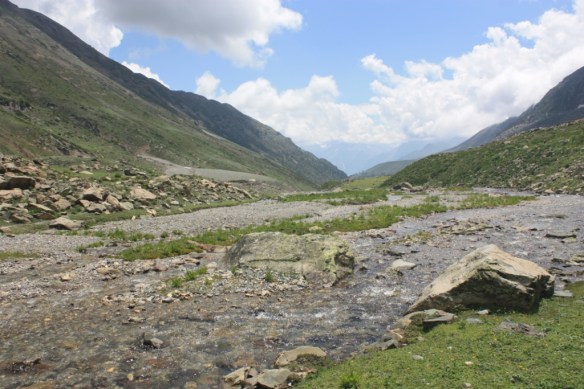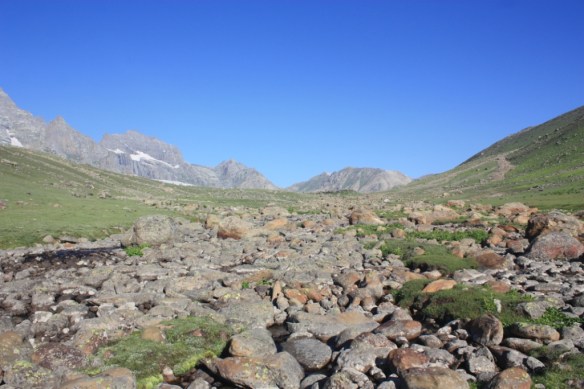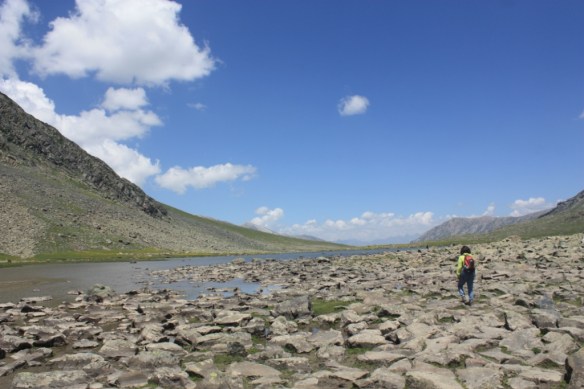
DAILY PHOTO: Mountains through the Trees, Sainj Valley

Taken in June of 2015;  Sainj-Tirthan Trek in Great Himalayan National Park


DAILY PHOTO: Dancer in Yellow, Background in Blue

Taken in March of 2015 in Freedom Park of Bangalore

DAILY PHOTO: Scenes from Khardung-la

Taken in August of 2016 at Khardung-la


Taken on the route from Leh to Khardung-la


Ominous warning at Khardung-la

DAILY PHOTO: Immaculate Conception Church of Oslob

Taken in December of 2017 in Oslob


DAILY PHOTO: A Minaret Framed

Taken at Daulatabad Fort in October of 2014

DAILY PHOTO: Coorgi Bugs

Taken in May of 2017 in Coorg, near Madikeri


BOOK REVIEW: Pilgrimage: A Very Short Introduction by Ian Reader

Pilgrimage: A Very Short IntroductionPilgrimage: A Very Short Introduction by Ian Reader
My rating: 4 of 5 stars

Amazon page


Reader compares and contrasts the ways and motives of pilgrims around the world, from Muslims on hajj to Elvis fans going to “Graceland, Graceland, in Memphis, Tennessee” [name that tune.] The author’s specialization is Japanese pilgrimages and so trips such as the circuit around Shikoku’s eighty-eight Buddhist temples are well-represented among the examples used. However, he also visits and revisits popular Hindu pilgrimages such as Kumbh Mela and Amarnath, Christian pilgrimages to Lourdes and Santiago de Compostela, and even secular pilgrimages to locations such as the Vietnam War Memorial.

The book consists of six chapters. Chapter one offers a fly-over of the topic in the context of it being a worldwide phenomena. Cultures from around the world engage in similar behavior when it comes to spiritual travel. Chapter two investigates forms, themes, and meaning in pilgrimage, and how they vary across different religions. This helps one define the topic and differentiate pilgrimage from similar activities – to the degree that that can be done. Chapter 3 delves into the pilgrimage as a search for the sacred, and it uses many examples from around the world to consider the varying perspectives.

Chapter 4 reflects upon the differences in modes of transport, motivations, and how the latter influences the former. Obviously, technology has radically changed the face of pilgrimage. There usually remain purists who wish to continue in the old ways (i.e. traveling mostly on foot) and others who’d just as soon use jet airplanes and air-conditioned buses. This leads to conflicts in the pilgrim community where walkers see those who travel in comfort as lacking commitment, and those who travel in comfort may see the old-schoolers as hikers who are more interested in walking than praying.

The penultimate chapter examines pilgrimage as a form of tourism. While it may be considered sacrilegious to some to equate the two activities, they certainly share in common not only the activity of travel but also such behaviors as the collection of souvenirs (e.g. relics, scrolls, and amulets.) The final chapter looks at how pilgrimage has spread into the secular domain with war memorials, nature trails, and the birth or death homes of popular personages from politics or entertainment.

The book contains many monochrome photos and a “further reading” section in the back.

I found this book to be interesting. As a secular traveler who often crosses paths with pilgrims, I was fascinated to gain insight into their head-space and to reflect upon the role that religion and spirituality played in the dawn of travel.

View all my reviews

DAILY PHOTO: Cubbon Park Tree in Silvertone

Taken on February 8, 2018 in Cubbon Park, Bangalore.

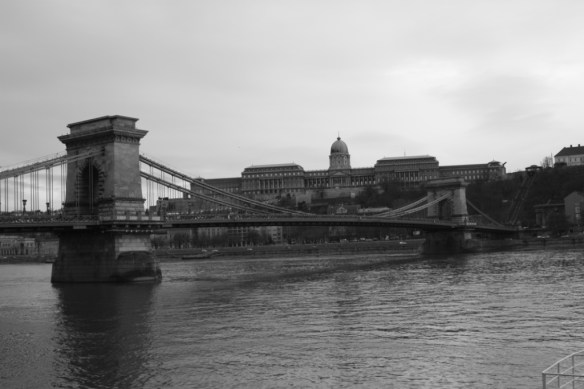
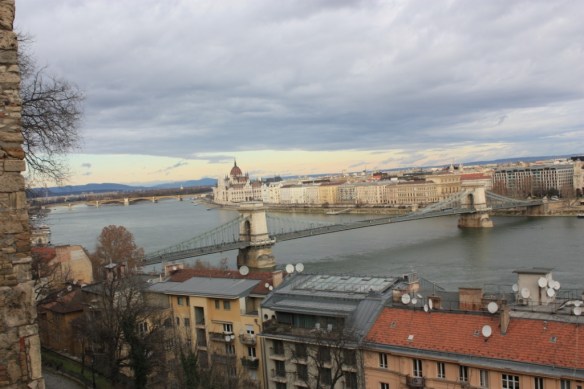
DAILY PHOTO: Halászbástya Monochrome

Taken in December of 2016 in Budapest


DAILY PHOTO: The World According to a Pigeon Having an Out-of-Body Experience

Taken at Mehrangarh Fort in Jodhpur in November of 2015