DAILY PHOTO: Grand Plaza, Tikal, Guatemala

Taken from Temple II

Taken from Temple II

The Grand Plaza comprises two temples towers that face each other, Temples I and II, the manicured courtyard between them, and these buildings off to the side. This photo is taken from atop Temple II.

I like to visit Mayan sites. As with Angkor, I feel that this is a good way to mentally prepare myself for the day our own civilization collapses.

Tikal was one of my favorite Mayan sites, mostly because it was the only large-scale site we could visit in peace. When we were at Chichen Itza, the hawkers were ubiquitous and weren’t above following one around. I don’t recall being bothered at Tikal at all.  Of course, it’s been a many years since I visited.

DAILY PHOTO: Downtown Debrecen

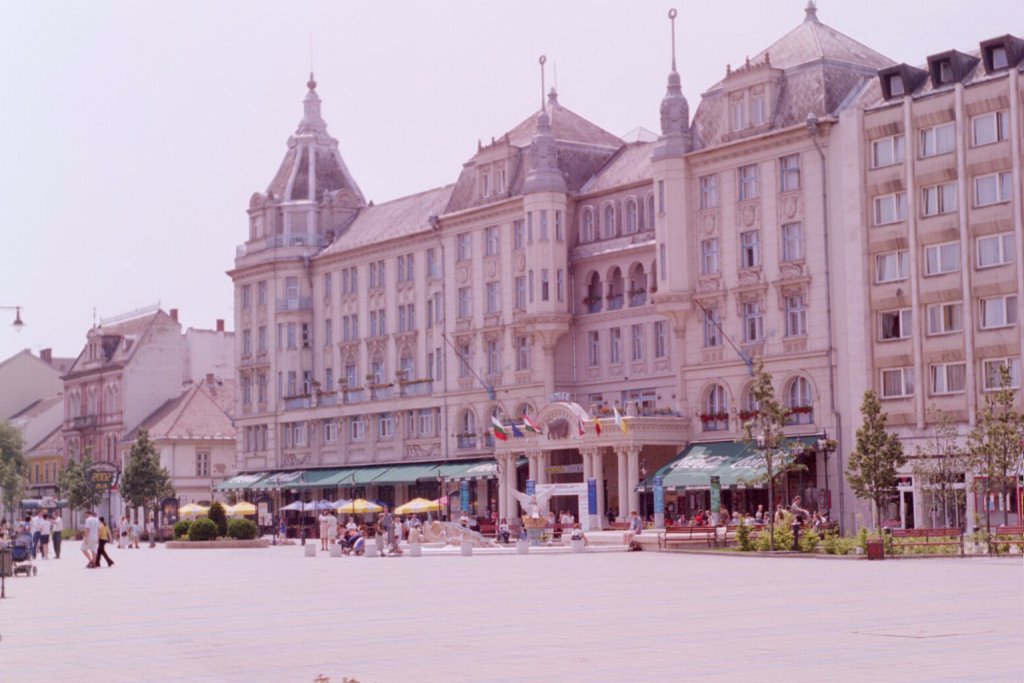
Aranybika Hotel

The Aranybika (Golden Bull) Hotel is one of the most prominent landmarks of Debrecen, Hungary. The Golden Bull is alternatively an important edict of 1222 or a soccer team. The hotel was built in 1915 in the secessionist style.

Debrecen is the second largest Hungarian city at 200,000+ residents. In 2002, I attended an intensive language course affiliated with the University of Debrecen. The building in which I was taught was  near this square, across and down the street.

If you are interested in learning Hungarian, I’d highly recommend the school I attended, the Debreceni Nyári Egyetemen.

BOOK REVIEW: Vagabonding by Rolf Potts

Vagabonding: An Uncommon Guide to the Art of Long-Term World TravelVagabonding: An Uncommon Guide to the Art of Long-Term World Travel by Rolf Potts

My rating: 5 of 5 stars

Vagabonding is a book about how to make the leap from a cubicle-dwelling company-man (or woman) to a wandering free-spirit.

This book serves two functions. The first is to answer questions about how one goes about seeing the world if one is not independently wealthy or a recent lotto winner. In this role it provides information such as how one can fund one’s travel time, and, perhaps more importantly, how one can get a job after one has an 18 month void in one’s resume.

The second function is to psyche one up to take the leap. In this role it is more persuasive than informative. In both roles it succeeds, but it is in this second role that it is most useful. The Introduction title is “How to Win and Influence Yourself” and Chapter 1 is entitled “Declare your Independence.”

Each chapter has a list of tips and/or references, quotes from those who have done it, and a profile of a famous person associated with the lifestyle, including: Thoreau, Whitman, Muir, and Annie Dillard. The quotes show you that mere mortals have made this leap. The profiles show that you that you will be in excellent company if you do it.

One of the most important themes in this book is simplified living. If one isn’t independently wealthy, one will have to make “sacrifices” to adopt this lifestyle. However, if one learns to live lean, one will be able to make do with much less. One must also live lean during one’s travels. Potts’s advice is to travel light, and leave the electronics at home. (The latter may seem impossible these days, but as a person who recently lost a laptop in a travel accident, I respect the logic.)

I highly recommend this book for anyone who is ready to take the leap, but only if you’re serious.

View all my reviews

DAILY PHOTO: Sacsayhuamán in the Peruvian Andes

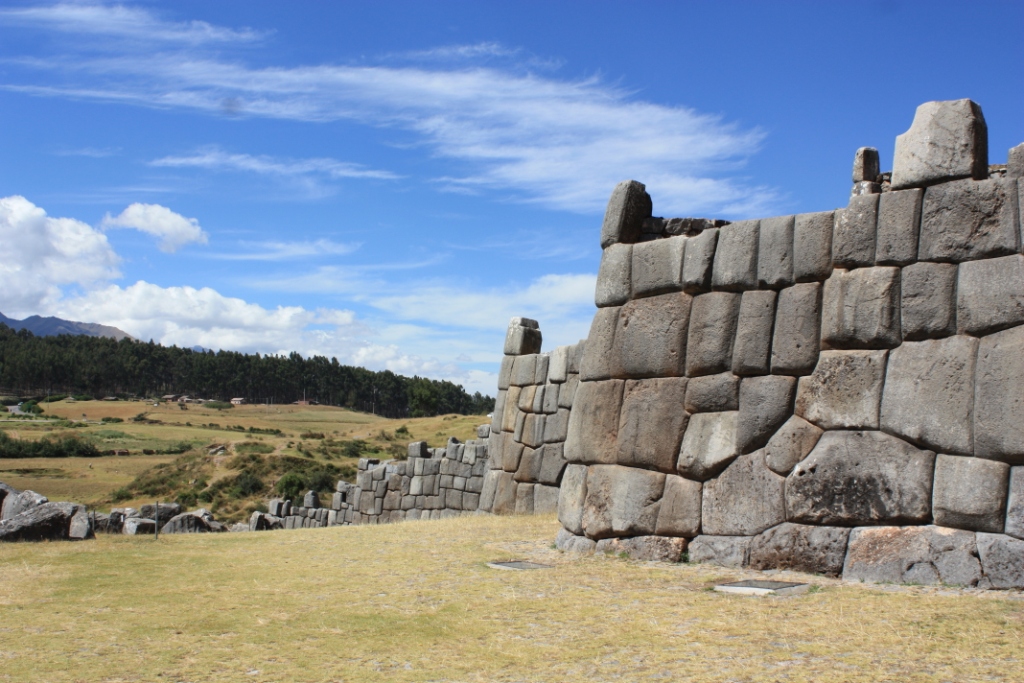
This Incan site overlooks Cusco, Peru.

This Incan site overlooks Cusco, Peru.

Sacsayhuamán may well be the first Incan site you see, if you fly into Cusco. It sits on a hill overlooking Cusco. If you’re in the mood to stretch your legs and aren’t too queasy from the elevation (Cusco, 11,200ft), it’s  not too difficult a walk from the city center.  You can use the Cristo Blanco (huge white Jesus), which shares the same hill, as a navigational reference.

The Incans were the master masons. These stone walls were made without mortar. Yes, those irregularly shaped blocks sit perfectly on each other and have for hundreds of years.  The one thing that Sacsayhuamán has that other sites don’t is a naturally occurring fun park of slides. One can also traverse a pitch black cave, and get spectacular overview shots of the city.

Naturally occurring slides

Naturally occurring slides

DAILY PHOTO: The Cohen Building in Nashville

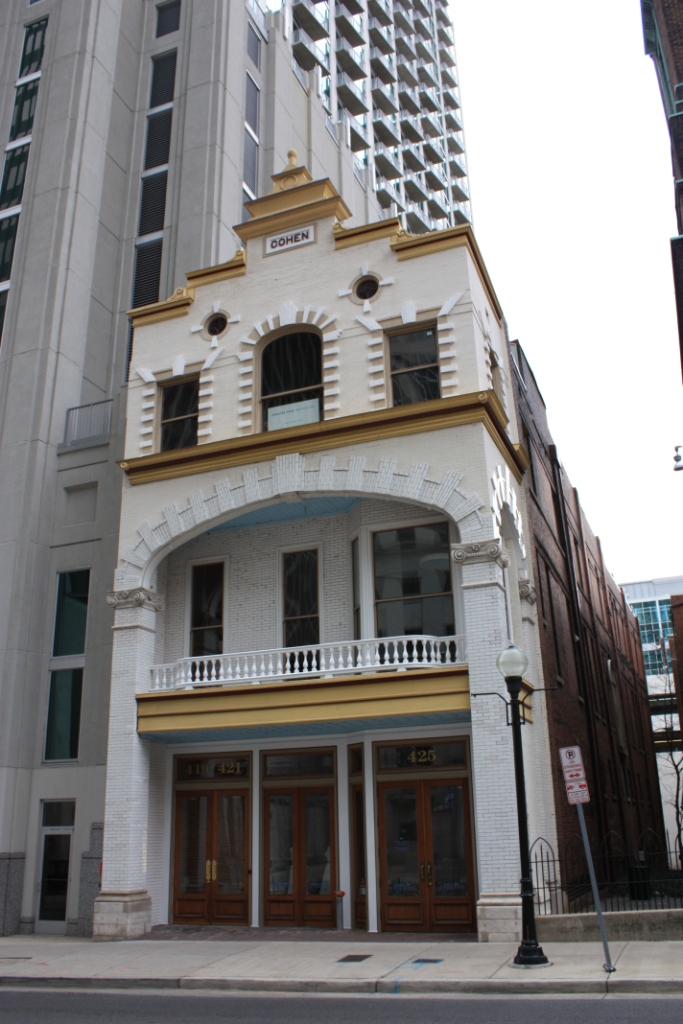
The Cohen Building

The Cohen Building

The Cohen building is a meticulously restored historic building in Nashville, Tennessee. Today it is dwarfed by the adjacent buildings.

DAILY PHOTO: Trinity College at Cambridge

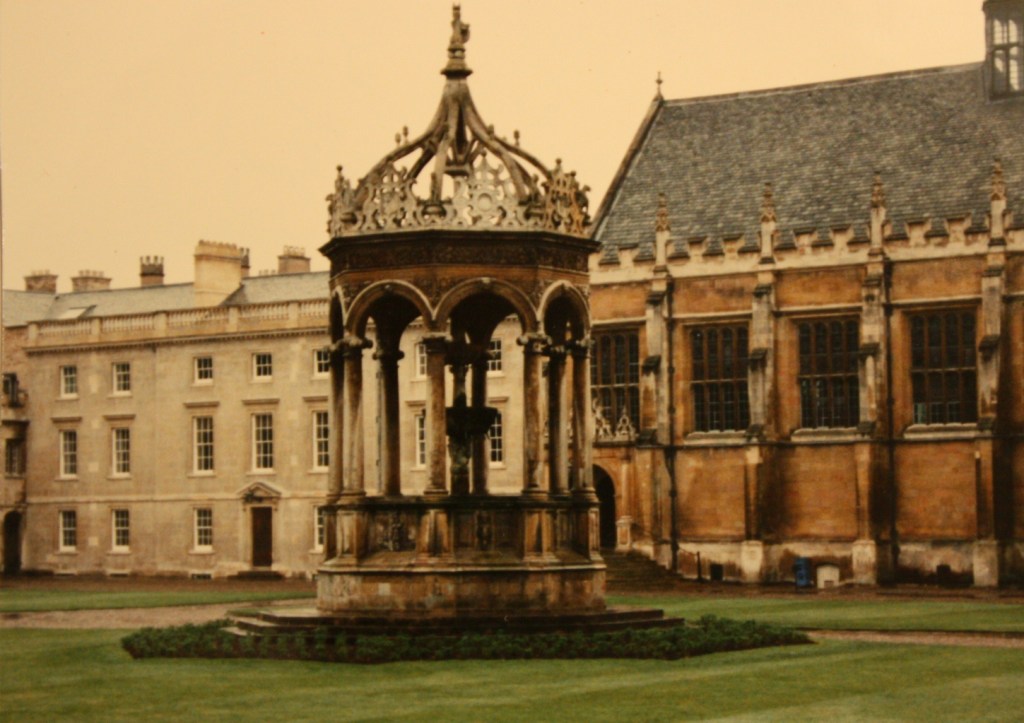
Gazebo in a courtyard.

Gazebo in the Trinity College Courtyard

This photo was shot on a drizzly day in 1989 at Trinity College, Cambridge University. It was converted from a film photo to digital, hence the sepia sky.

DAILY PHOTO: Rural Shrine Near Maewang, Thailand

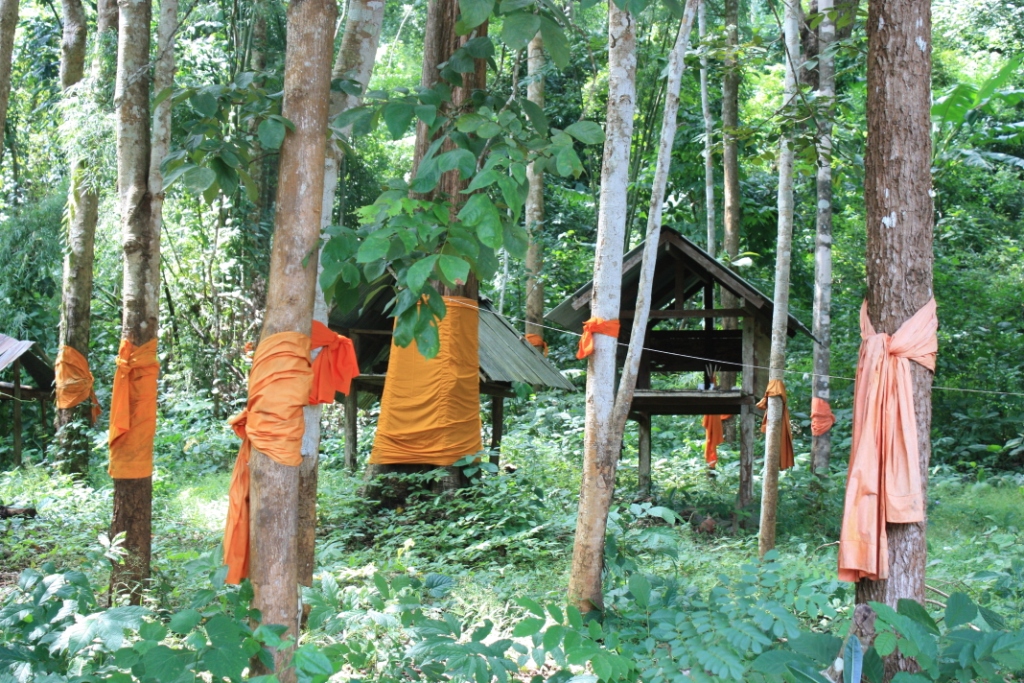
In Thailand, there's a temple everywhere.

In Thailand, there’s a temple everywhere.

If you’ve been to Southeast Asia, you’ve probably seen gleaming golden temples even in remote, impoverished portions of the countryside . However, when it comes to the really off-the-beaten path areas occupied by just a few hill tribe farmers, one might think they’d be forced to hoof it to the nearest big shiny temple. Not so. There are little shrines like this one, marked by saffron cloth tied to trees, out in the middle of the jungle.

DAILY PHOTO: Overlooking Prague

From the castle district toward Charles bridge

From the castle district toward Charles bridge

I took this photo in 2002. It’s taken from the castle hill looking down the Vltava River. The Charles bridge, the prominent pedestrian bridge with the tower at one end, is the first of a series of bridges. This shot provides something old and something new. The photo i’s a little busy, but then again so is Prague.

DAILY PHOTO: Atlanta from Centennial Olympic Park

The Westin and Georgia Pacific Towers

The Westin and Georgia Pacific Towers

A piece of Atlanta’s skyline as seen from Centennial Olympic Park. The cylindrical tower is the Westin, and the brown angular tower is the Georgia Pacific building. To the far left is the new American Cancer Society building and the red brick building is The Tabernacle (a music venue, not a church.)

DAILY PHOTO: Chapel in Velemér, Hungary

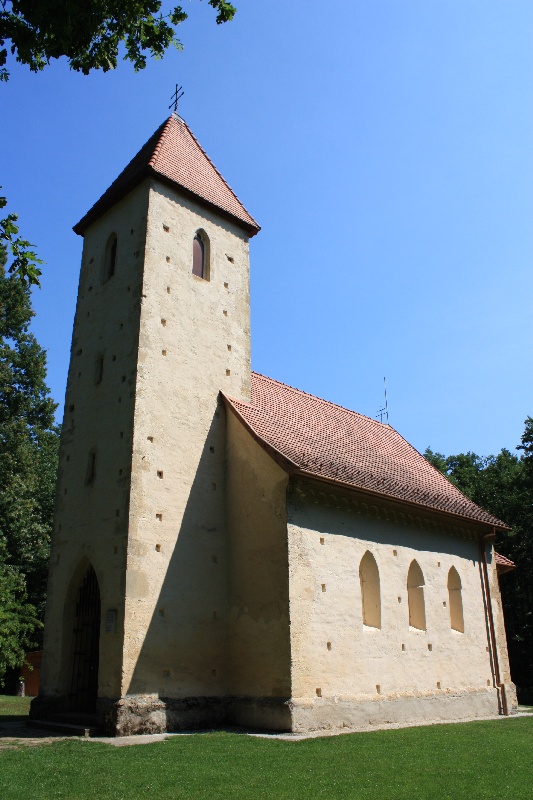
Árpád era chapel

Árpád era chapel

This chapel sits on a solitary plot at the edge of a woods near Velemér. Velemér is a tiny village in the Őrség, which is a region on Hungary’s western border. The church dates back to 1360. The inside is covered with murals that have been restored after having been plastered over due to religious restrictions in the 18th century. The church had to be extensively repaired in the 19th century as a result of deterioration from the late 18th to early 19th century, but is now well-maintained.