BOOK REVIEW: The American Sonnet ed. by Dora Malech & Laura Smith

The American Sonnet: An Anthology of Poems and EssaysThe American Sonnet: An Anthology of Poems and Essays by Dora Malech
My rating: 5 of 5 stars

Amazon.in Page

Release date: January 12, 2023

The first one-third of this book is an anthology of sonnets by American poets that highlight some of the characteristics of form and content that evolved in America. Therefore, one shouldn’t expect these to all be fourteen lines of iambic pentameter. America is the land of Whitman, and discomfort with strict rules and constraining requirements along with a desire to etch one’s individuality and voice into all activities is part of what makes a thing American. It’s an enchanting and suitably diverse (also an inherently American requirement) selection of poems, and I think all poetry readers would enjoy reading it. Included among the almost 100 poets are: Walt Whitman, Phillis Wheatley, Natasha Trethewey, Robert Frost, Langston Hughes, Gwendolyn Brooks, Agha Shahid Ali, Claude McKay, Edna St. Vincent Millay, e.e. cummings, Countee Cullen, Natalie Diaz, Emma Lazarus, Terrance Hayes, Muriel Rukeyser, Sylvia Plath, James Wright, Gertrude Stein, Paul Lawrence Dunbar, Ralph Waldo Emerson, and Lucille Clifton. The poets run the gamut from the Colonial Era to present-day heavyweights, and their works approach the sonnet from perfectly conventionally to wildly experimentally.

The remainder of the book is a collection of short essays that discuss various aspects of the sonnet in America. While the editors don’t explicitly group the essays, I would put them in three baskets. First, there are those essays that examine the work of a particular poet and discuss that artist’s influence on the sonnet. Second, some of the essays examine sonnets through the lens of a particular demographic and investigate how poets of that demographic have influenced, been influenced by, or modified the sonnet, be it those of a particular race, sexual identity, place on the autistic spectrum, etc. Third, most of the other essays explore technical aspects such as line length, rhyme schemes, metering, etc.

As I mentioned, I believe poetry readers will enjoy the selection of poems anthologized, herein. The essays are another matter. They are much more of a mixed bag for poets and poetry readers and are more geared toward other scholars. That is to say, some of them are both interesting and useful for poets and poetry readers, but others will probably not be of much interest to the non-academic reader. While the essays are brief and most are quite readable, a number of them either delve into arcane matters or tumble so deeply down the rabbit hole of wokeness that it’s hard to grasp what the author’s point is (or whether he or she has one.)

If you enjoy poetry and are interested in the American influence on the sonnet, this book is well worth reading – at least the poems and a selection of the essays.


View all my reviews

Schrödinger’s Isle [Blank Verse Sonnet]

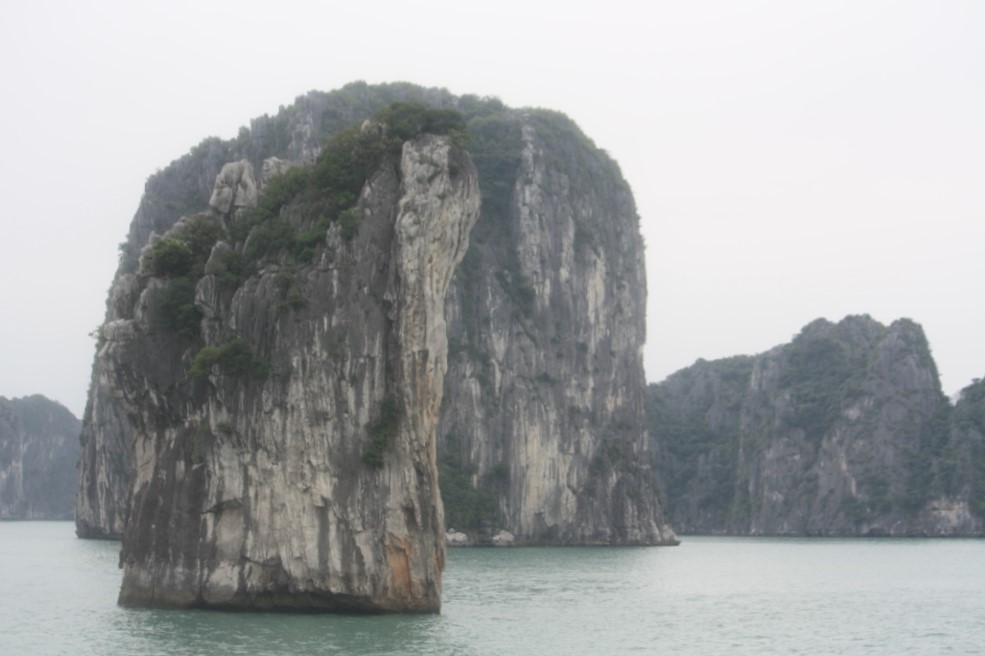
The island's rocky columns rise upward.
Its gray and green was tiny, but now looms.
A giant jutting rock that stands on high,
and shades the white sand beach and coral sea.

This island will be home from now 'til doom.
One's gratitude for fists of sand first swells,
but it will crash in time with tedium.
Could a sea death beat solitary life?

One lives and dies by coconut water --
day after day - week after week,
and dreams of company and comfort food,
while knowing this is hell and paradise.

What prison is this island - place unknown -
that like Schrödinger's box shrouds life & death?

I’ve Never Been Lost in the Woods [Sonnet]

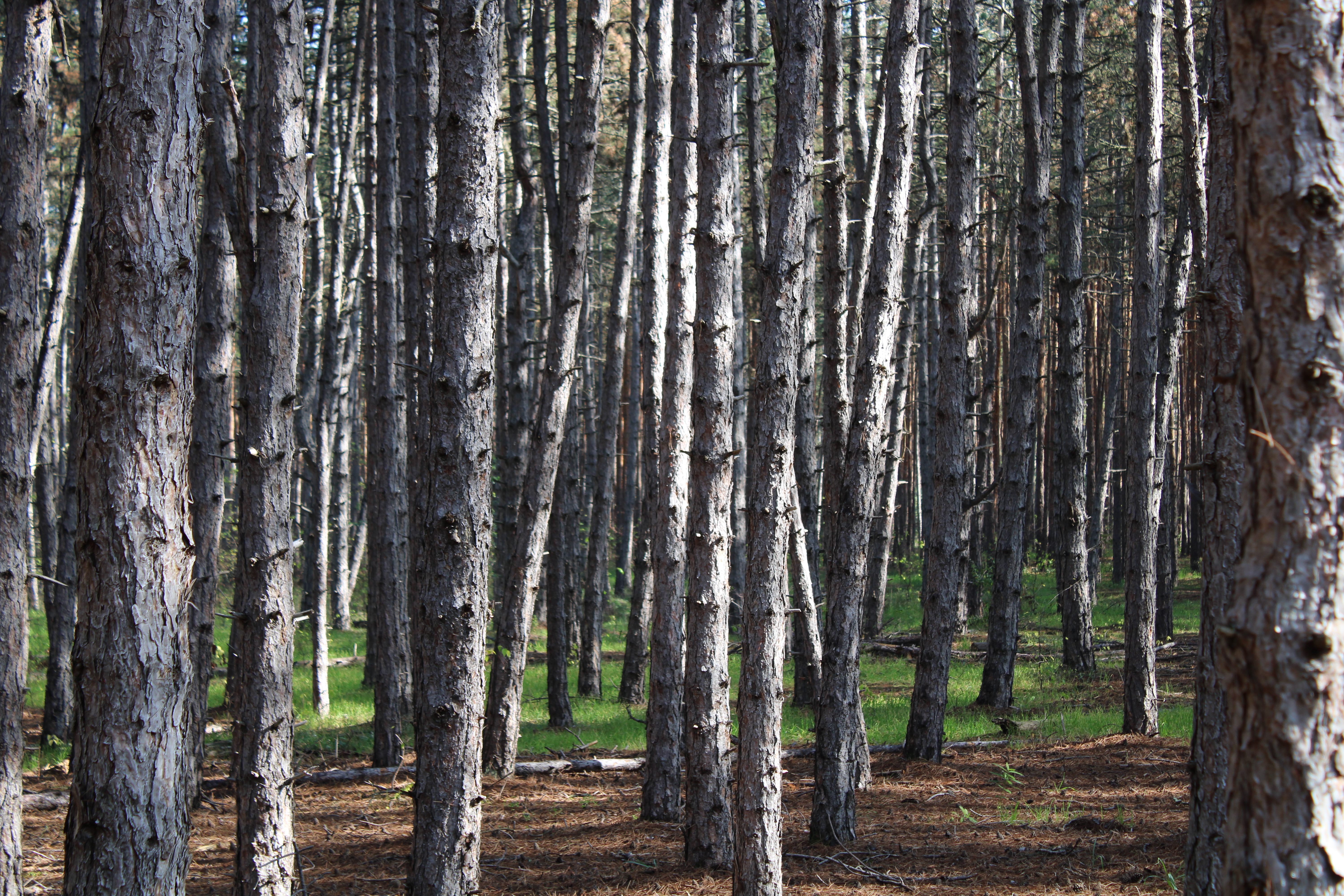
I've never been lost in the woods,
though I've been lost so many times.
I've been lost in my neighborhood,
and I've been lost within my mind. 

You say the trees look all the same.
I say that's some speciesist shit.
No. I don't know the trees by name,
but that doesn't matter a whit.

I've never been lost in the woods:
lost means wishing to be elsewhere.
Lost is all about "woulds" and "coulds."
But I'm not lost if I don't care:

don't care I don't know this exact spot,
'cause I know precisely where I'm not!

Relentless Rain [Sonnet]

It rains for days on end in this city.
The people peer out under umbrellas.
Nothing 's washed clean; it's soggy & gritty
and brutal as a Kafka novella.

The streets aren't light, but nor are they true dark.
The light isn't absent, just sapped of vim.
The gray that remains is like Fall in Denmark.
Relentless rain is relentlessly grim. 

The gutters are glutted with murk and sludge.
The rushing waters can't sweep it all clean.
All work 's drudgery and all walks a trudge,
and there's no sparkle in the pavement sheen.

Do some "sing in the rain?"  No, they just mock --
their umbrella flipped out and w/ sodden socks.

City Sonnet

A million lives are packed in this city,
and each one struggles to be its own self:
the starving, rotund, ugly, and pretty --
the tailored and those who buy off-the-shelf.

And everyone fails, yet they all succeed
in being different, while being alike.
And they all heal, while they also all bleed,
and almost all would survive a first strike.

Everyone knows someone - just not neighbors.
They love to remain enigmatic at home,
while transparent with those who share labors --
though some want everyone to leave them alone.

A city is a strange place full of strangers,
and those who choose it thrive on its dangers.

Accidental Travel [Sonnet]

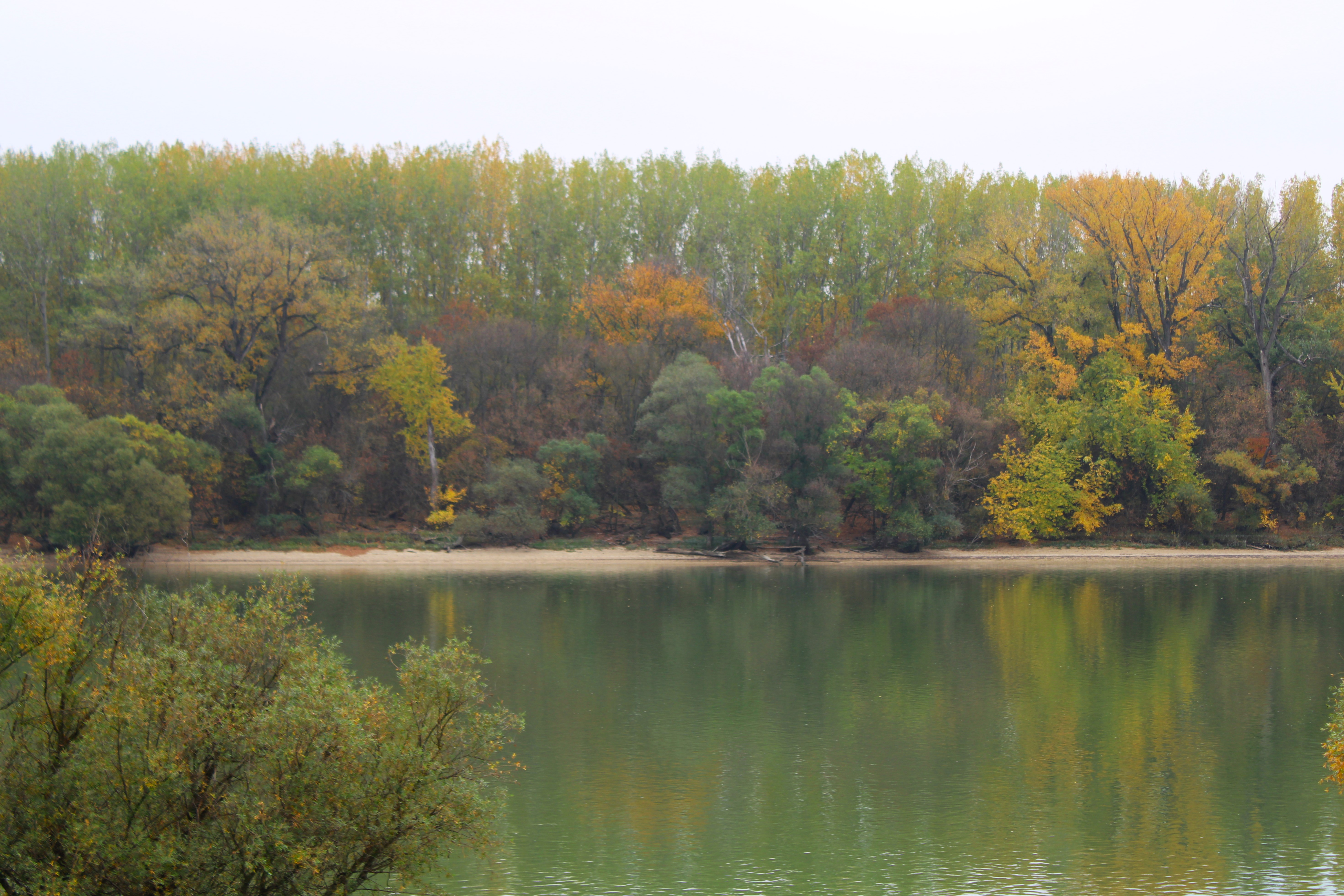
If you can follow rivers to the sea
by drifting without thrashing or grasping --
just let the flow take you upon a spree,
a spree of dunk and breathe, without gasping,

then you will witness all there is to know.
You'll see shaky shanties and vast estates,
the birds in flight and creatures: fast and slow,
the weeping willows, and fish tempting Fates.

If you can roll around the rocks -- always --
and never crack your head and silence all
the voices saying you've reached your end-days,
and never rush and never, ever stall...

If you can do all this and keep the flow,
it won't matter you don't know which way you go.

Storied Lands [Sonnet / Idyll]

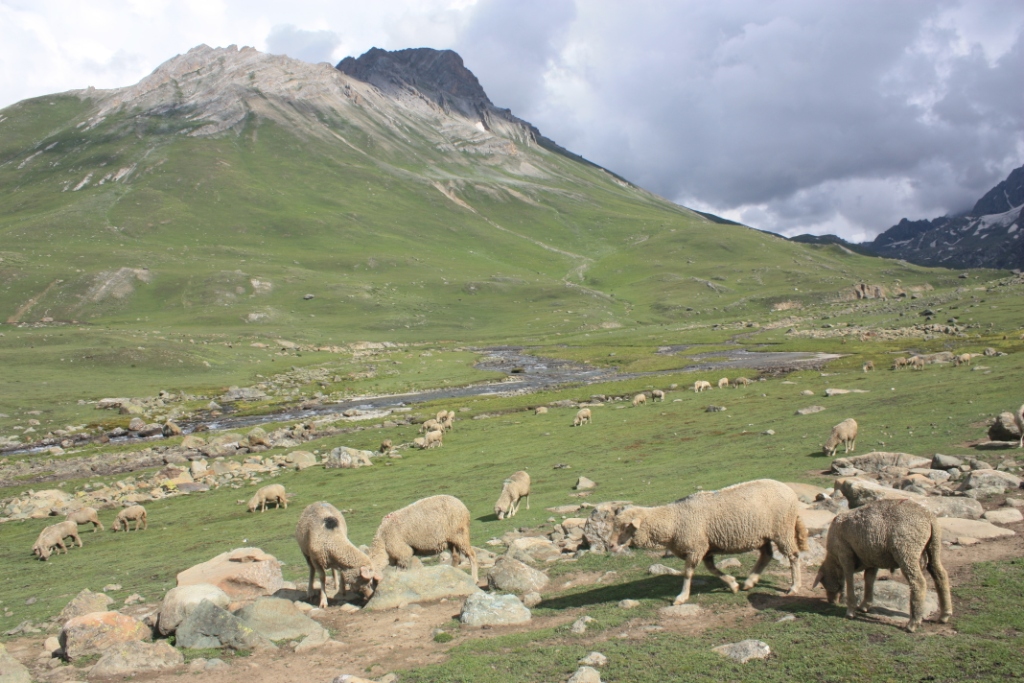
In mountain meadows, bleating sheep abound,
and green grass grows as high as their hunger
allows -- about as high as cricket grounds,
but I am lost in fantastic wonder.

It seems to me this is a storied land,
not merely grazing space, but where dragons
once flew, and one might see giants, firsthand --
a place that's never known a plow 'r wagons. 

It's where magic must once have arisen,
if ever such a place had existed --
where sparkling streams still burble and glisten
whose secret is kept ever tightfisted.

If you stumble into this storied realm
don't let its siren sight overwhelm.

The Marigold Dance: or, Party Pivot [Sonnet]

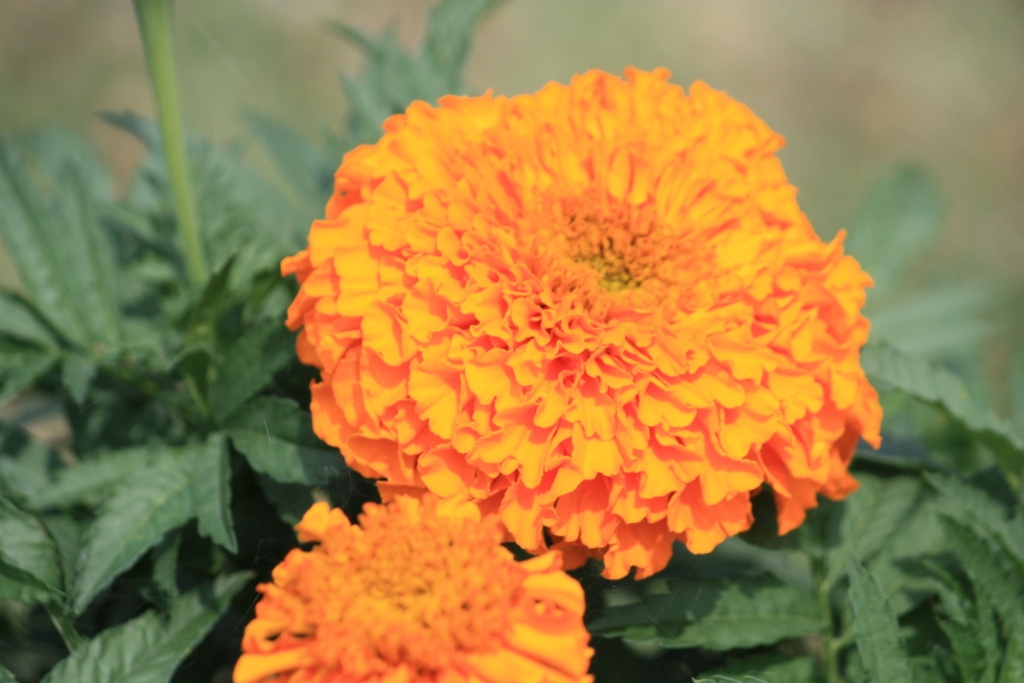
The dance they did amid the marigolds
was such a captivating sight to see.
It made a storied world of the household,
and it filled hearts and minds with quiet glee.

Their bodies glistening, naked and wild.
They stomped in muddy soil with grubby feet,
and hearts did sing as childlike souls did smile,
and all dancers hinged and moved like athletes.

But with an ankle twist, the party lulled -
one dancer fallen from the frenzied horde.
The momentum was lost, and minds were dulled, 
and musicians played only some sour chords.

The flower petals all began to wilt 
and dancers wandered home in shame and guilt.

Apocalypse, Soon [Sonnet]

When time stopped behaving, I should have known
that war was coming - perhaps, something worse.
Those who saw themselves sinless grabbed their stones,
and started chanting bile -- their wicked curse.

The hopeless cried with wide eyes, but in vain
as they were huddled around burning fires.
The best of us opted to go insane,
and build crude armor from old belts and tires.

We'd flank a castle that did not exist
like Don Quixote, tilting at windmills. 
Better to charge a false monster and miss
than to have Folly chase one to the hills.

Who says it's worse to slouch to lunacy
than suffer the world's fury lucidly?

Dreaming Evil Clowns [Spencerian Sonnet]

My lungs were burning as I ran through town,
and tried to escape the streets of cobbled stone
and he from whom I ran, that evil clown,
whose paint obscured a face I once had known,

but how could I know something that's unknown
and, thinking that, I knew it made no sense,
though I knew it true deep within my bones.

Then stirred by eyes so burning and intense,
I picked a pointy stick for my defense,
and chucked it at the creature's beastly heart.
I missed its heart by width of a ten-pence.
The clown, in turn, tossed it back like a dart.

Awaking to sharp pains in my frail chest,
the clown had slayed me, or so I guessed.