
Taken in May of 2016 in Lusaka, Zambia

Taken in May of 2016 in Lusaka, Zambia

Taken on September 20, 2015 in Bangkok’s Chinatown
I wonder if scale of the diagram is indicative of the degree to which each is a problem, or what?
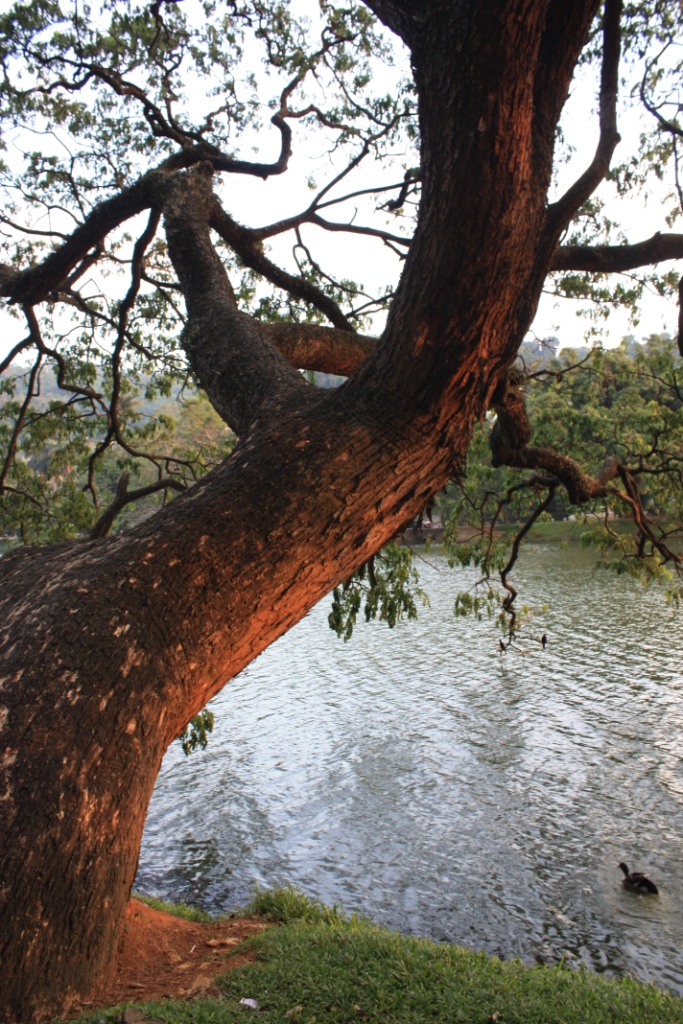
Taken May 23, 2015 in Kandy, Sri Lanka
This is my 1,000th post on this site, and I’ve finished it just in time to get on a plane and leave the country, rounding out my blogging year with a nice round number. It’s been fun, and I’ll be back in early January to crank it back up.
Here’s a photo of where I’ll be.
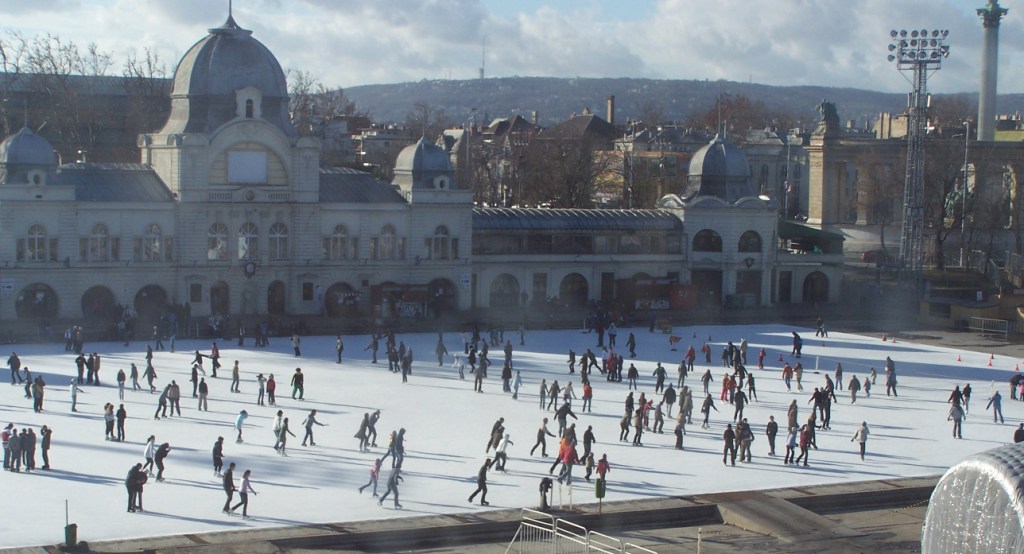

Taken November 3, 2012
Part of what makes Hampi so surreal is all of the precariously balanced boulders. This shot is oriented straight up and down, i.e. the camera is not tilted, and so one wonder’s “How is that rock not falling?”
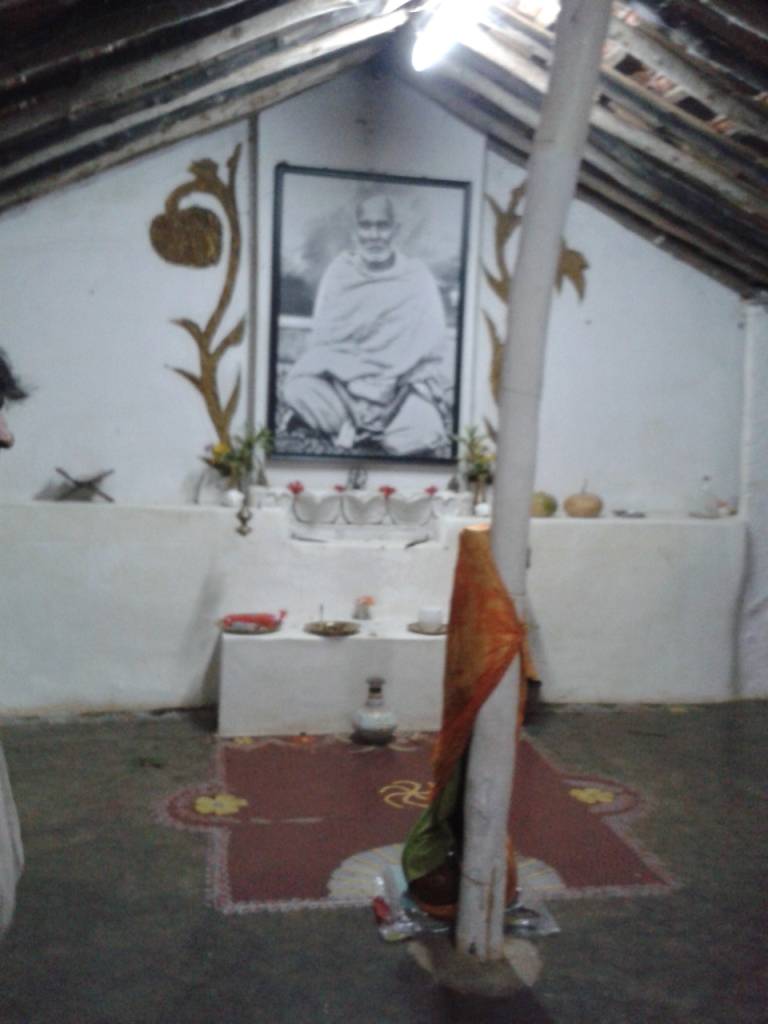
Taken on October 25, 2013.
Well I’m back from my 10-day Thai Yoga Bodywork course, and will resume a normal posting schedule.
While I was gone I visited a couple interesting places. One of which was the Narayana Gurukula Bangalore location. This small and simple ashram is watched over by a sweet lady known to visitors as “Ma”… and some really menacing looking dogs. Above is the interior of what might be called the main hall. There are some interesting stone carvings and artworks across the property as well as a little stone temple and a lilliputian book house.
I wasn’t familiar with Narayana Guru before my visit. There have been so many gurus in India, and it’s hard to know of them all. However, this particular guru and his disciples (one of whom, Nataraja Guru, started the Gurukulam) held forward-thinking views on society and spirituality. A Hindu, Narayana guru advocated unity between traditions and a focus on introspection as the route to betterment.
Six months a year
the river flows
away from the sea.
Entropy’s fall?
No.
The fits and starts
of progress are
not rooted in
twisted time.
Here,
blacksmiths exist.
The hammer bounces
on the anvil
Tap-Tap-CLANG
Tap-Tap-CLANG
Ordered repetition,
until the steel begins
to bend and twist
and flex and tear.
It tears like taffy,
taffy glowing orange.
Tap-Tap-CLANG
Tap-Tap-CLANG
What is time for
that glowing rod?
The fire makes
its molecules
race and feud.
The hammer spreads
time into an eternity
of
Tap-Tap-CLANG
Tap-Tap-CLANG
Taken in Hungary in 2008
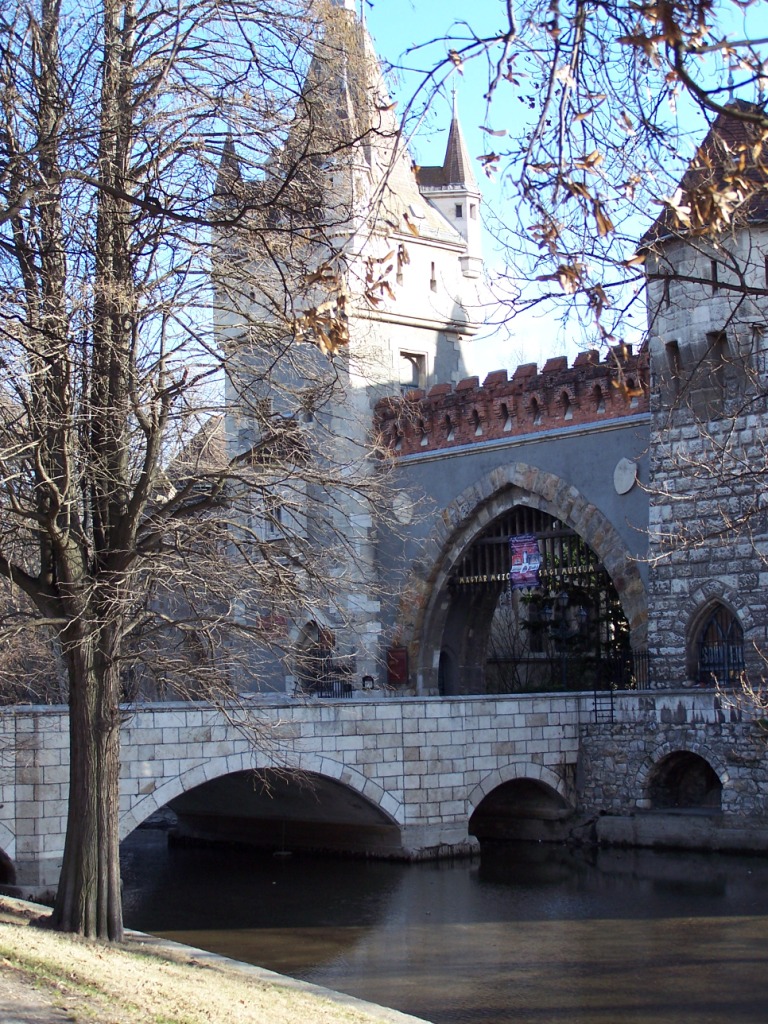
You just don’t see enough moats these days.

Truth in advertising is so refreshing.


 Tiger Riding for Beginners