
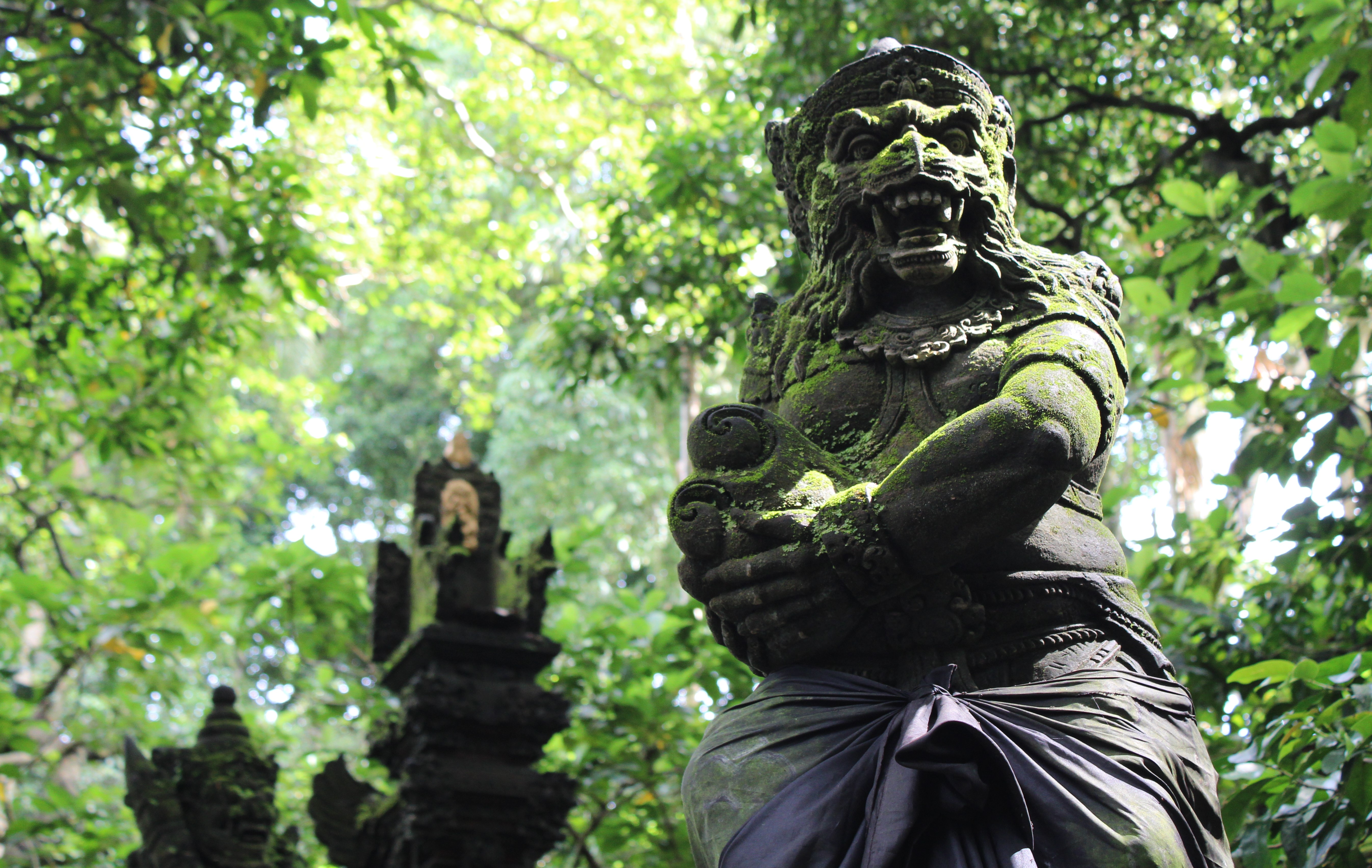

DAILY PHOTO: Strange Statues of the Sacred Monkey Forest

The Great Roundness [Free Verse]

As in Hokusai’s Great Wave,
I watch waves roll over,
before a volcanic cone.

Though these waves are
small & close,
they are perfectly rounded.

And though the distant volcano
looms large over the shore waves,
it has perfect symmetry.

I feel the roundness
&
simultaneous devastating power
of both elements at once.
DAILY PHOTO: Balinese Art

Taken on December 18, 2022 at the Denpasar Airport

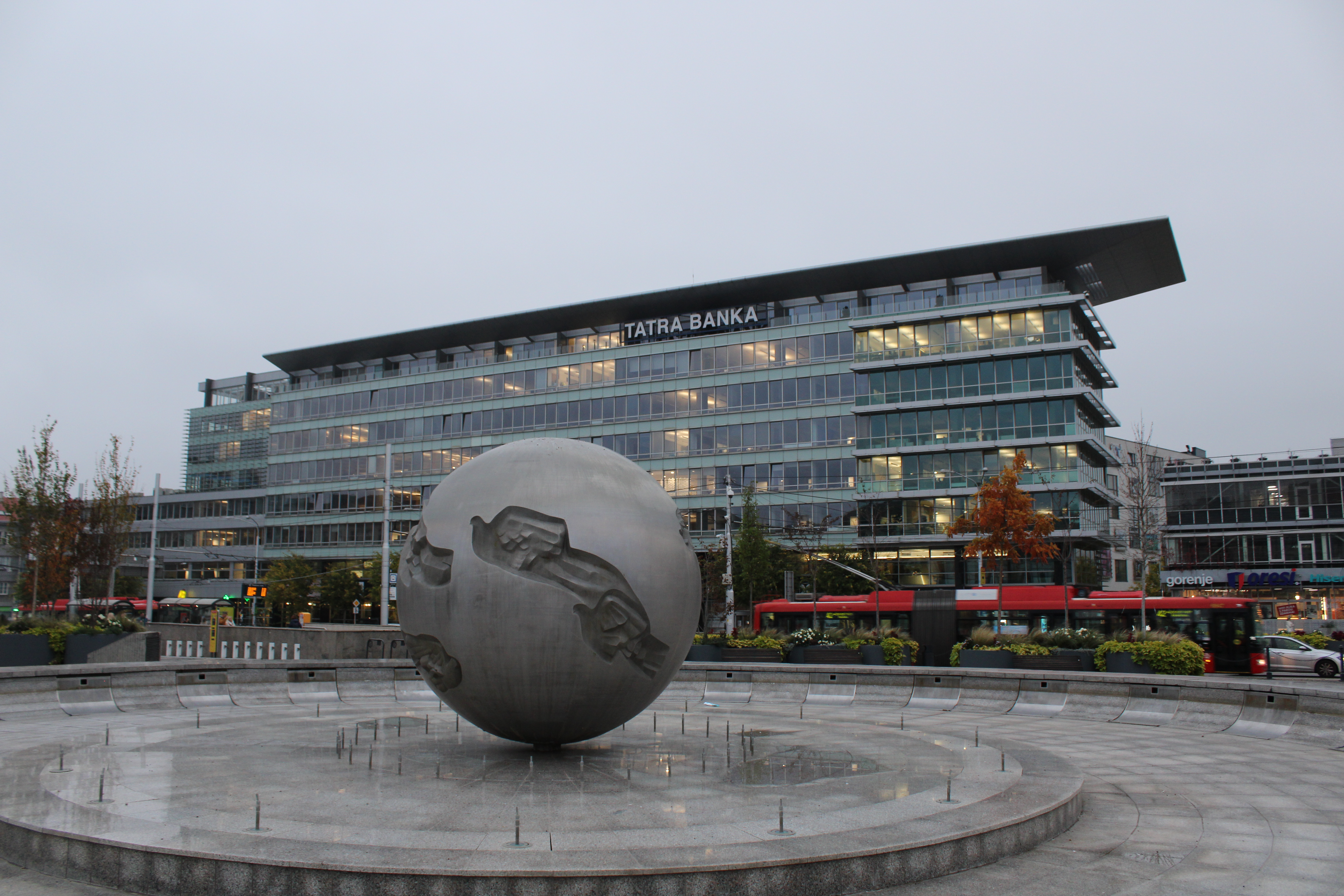
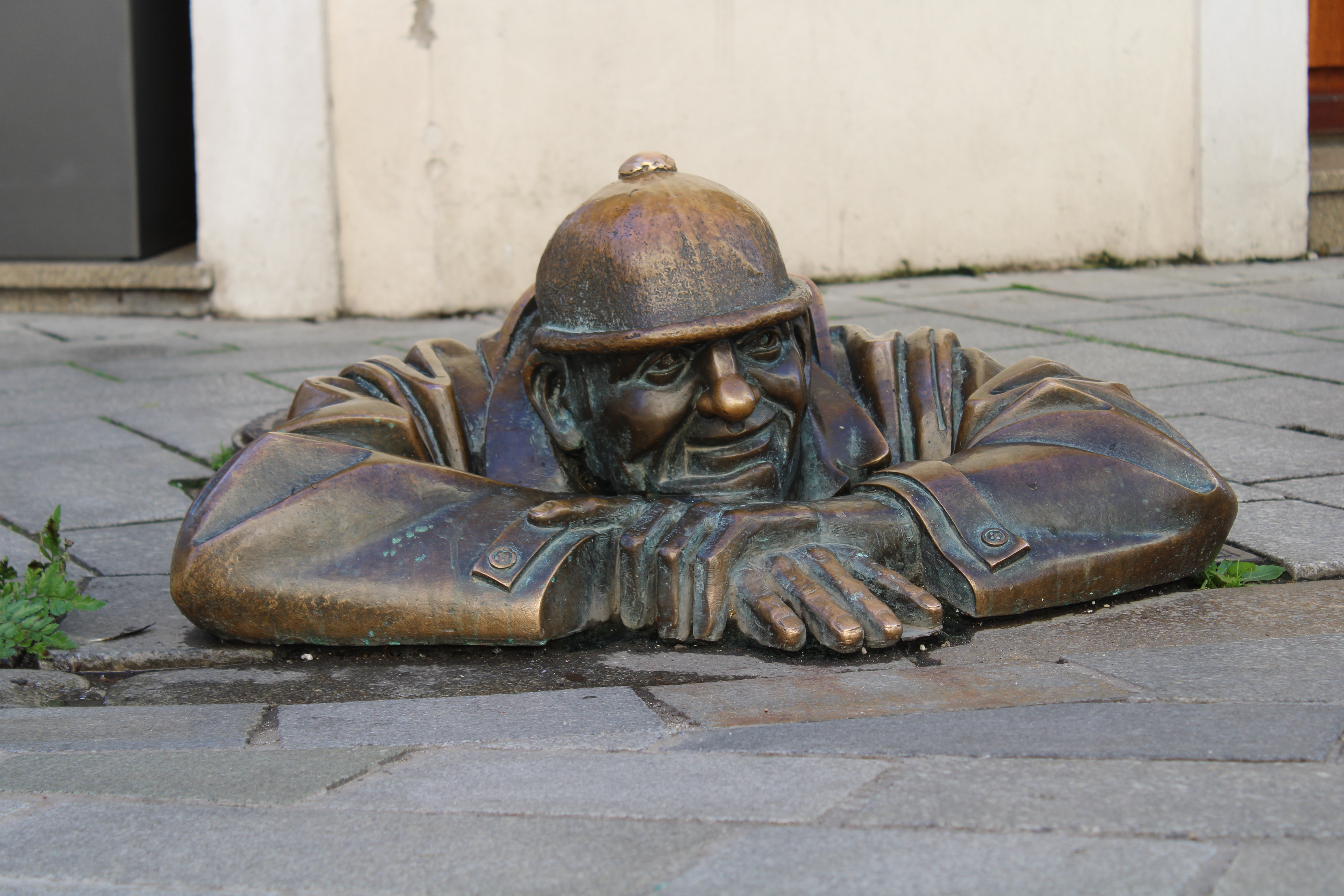
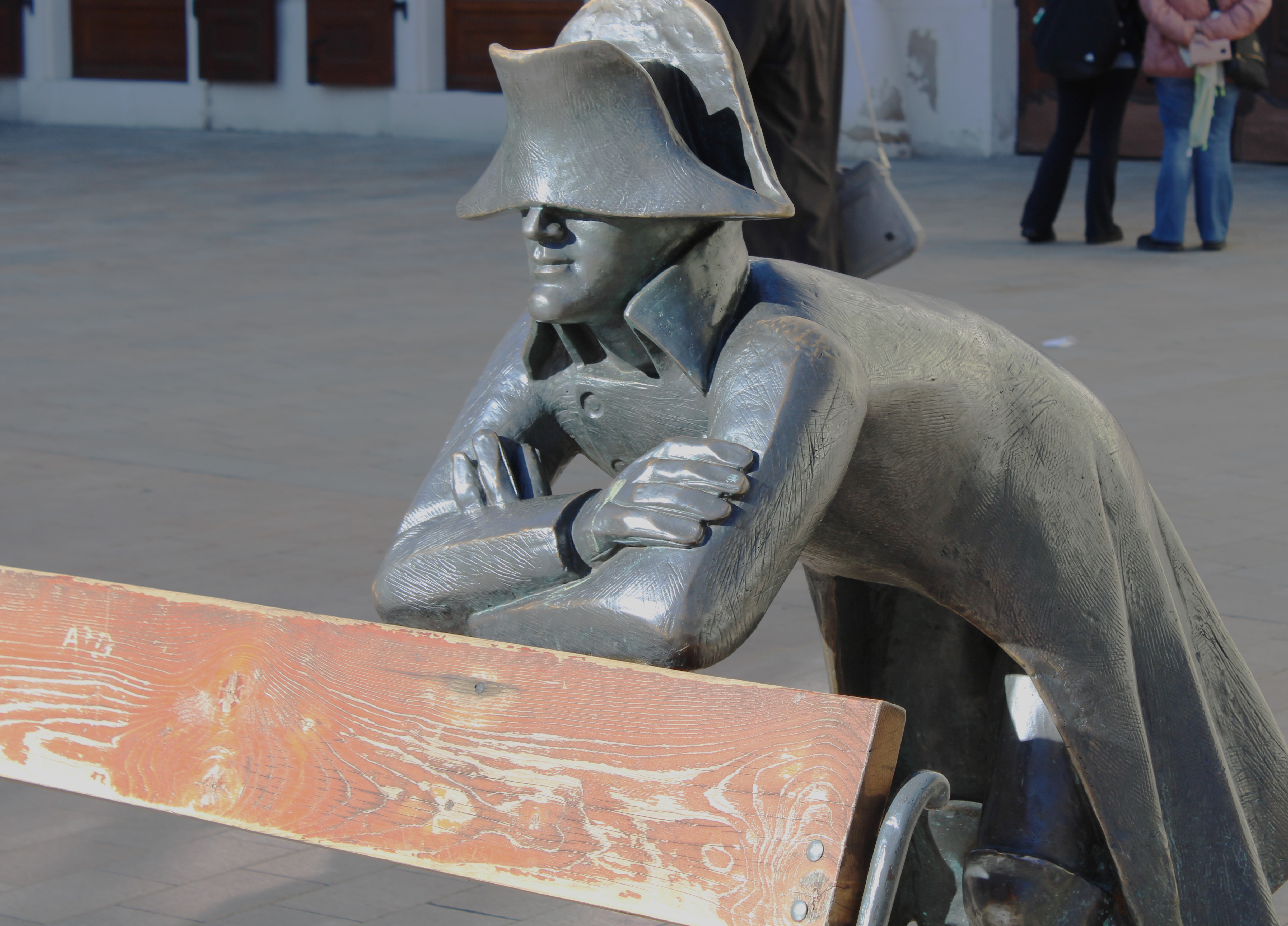
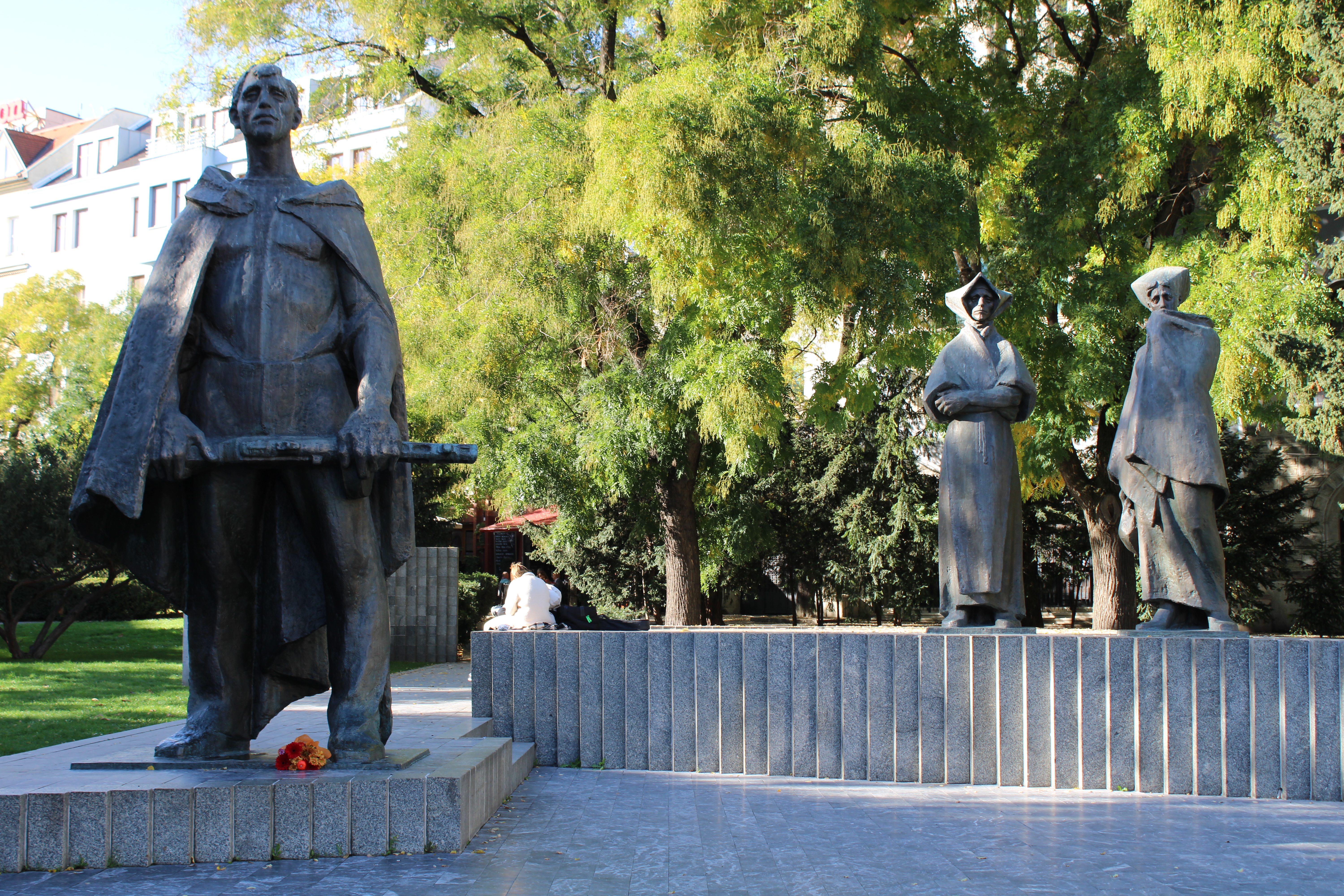
DAILY PHOTO: Bratislava Sculptures

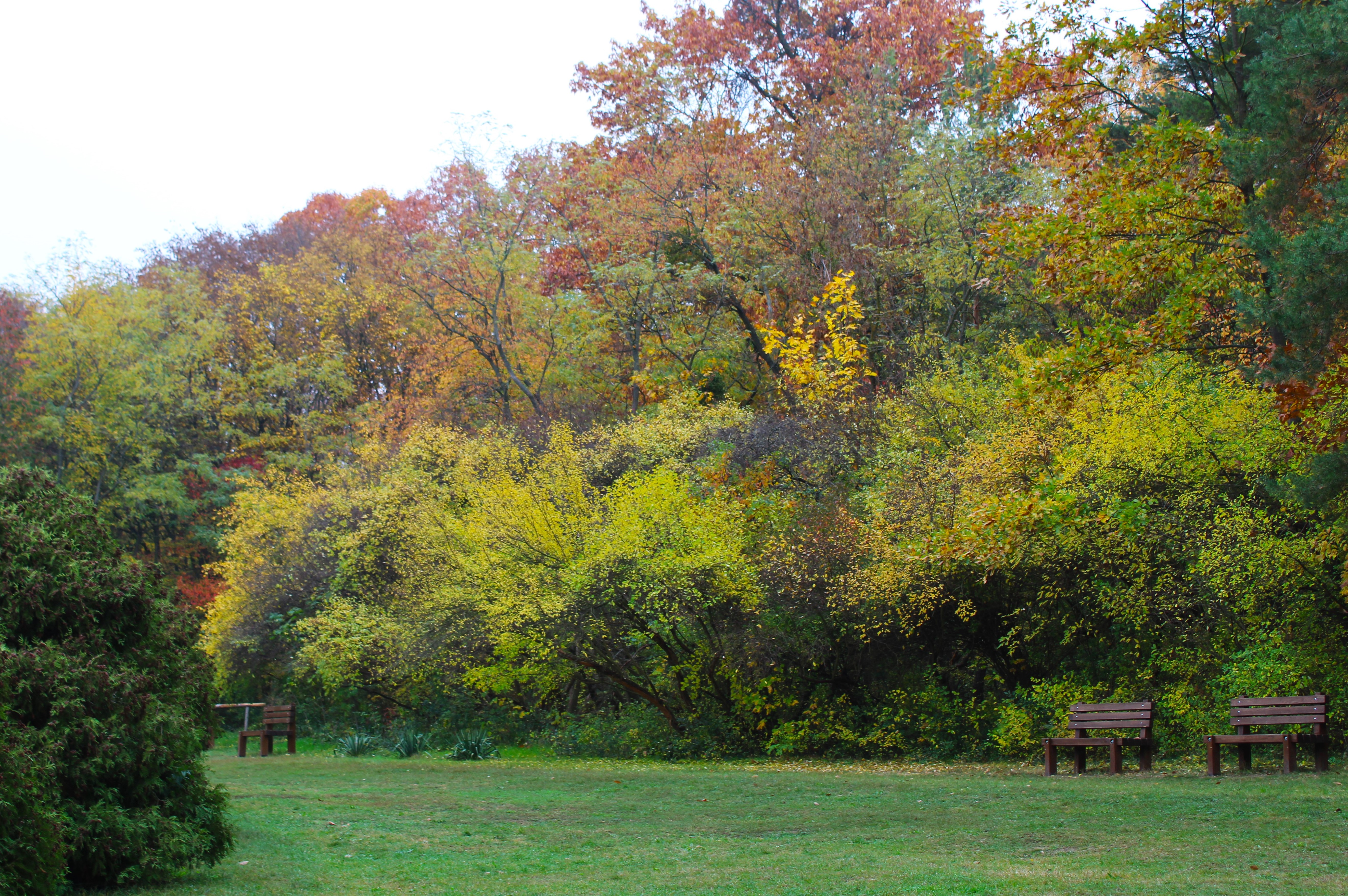
Painted Forest [Lyric]

The forest looks painted
with dabs of bright color,
a pointillist mural 
of the leaves' last hurrah.

Soon, it'll turn twiggy,
and sing desolation,
and invite the fog in
to soften sharp lines.

Then one day you'll notice
leaves glowing in sunlight.
Their green will be golden
from warm yellow rays.

The maturing forest
will darken its greenness, 
turning to sober tones
that blot out the light. 

Tiny Tank [Free Verse]

Someone put a tiny, limp-gunned tank 
on Danube west bank --
in Budapest, opposite Parliament.

Unsubtle symbolism, indeed,
but worth noting:

The might of violence
made feeble in the face of democracy,
and all that.

So true,
and yet so few
seem to believe it.

We seem to believe
that matching savagery
is the key to strategy
in opposing the extreme,

but then we've really just made more
extremism, haven't we?

BOOK REVIEW: Beauty: A Very Short Introduction by Roger Scruton
Beauty: A Very Short IntroductionBeauty: A Very Short Introduction by Roger Scruton
My rating: 5 of 5 stars

Amazon.in Page

This isn’t so much a book about what beauty is as where we find it, and in what kind of traits we find it, including the question of whether all that is aesthetically pleasing is beauty (or is beauty one element among multiple sources of aesthetic pleasure.) Scruton proposes four major locations of beauty: the human form (and face,) nature, everyday objects, and art. Each of these four has its own chapter (ch. 2-5,) and those chapters form the core of the book. Other chapters examine related questions such as: whether (/how) we can judge beauty, whether it means anything to say someone has good or bad taste, and how / why we find aesthetic appeal in places often consider devoid of beauty (e.g. the profane, the kitsch, the pornographic, etc.)

I found this book to be well-organized and thought-provoking. I liked that the author used a range of examples from literature and music as well as from the graphic arts. (Though the latter offer the advantage of being able to present the picture within the book — which the book often does.) I felt that the questions were framed nicely and gave me much to think about.

Some readers will find the occasional controversial opinion presented gratuitously to be annoying, as well as the sporadic blatant pretentiousness. I forgave these sins because the overall approach was analytical and considerate.

If you’re looking for an introductory guide to the philosophy of aesthetics and beauty, this is a fine book to read. [Note: there is a VSI guide (from the same series) on aesthetics that (I assume) has a different focus (though I haven’t yet read it.)]


View all my reviews

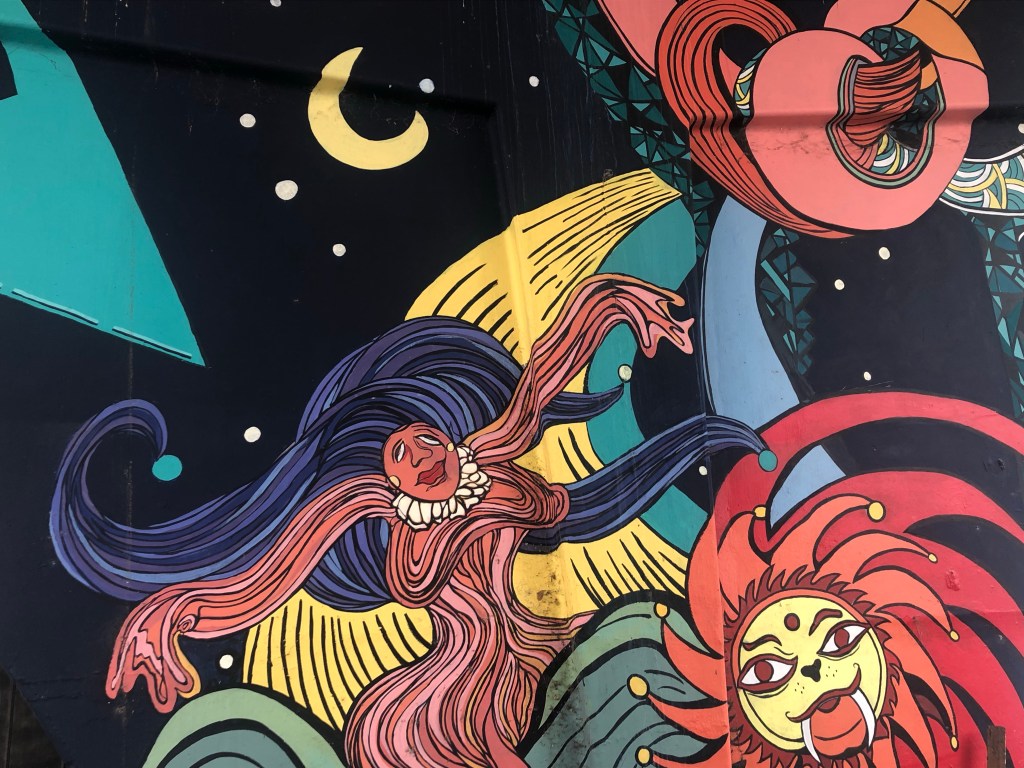
DAILY PHOTO: Wall Murals, Budapest

Taken on October 29, 2022 in Budapest

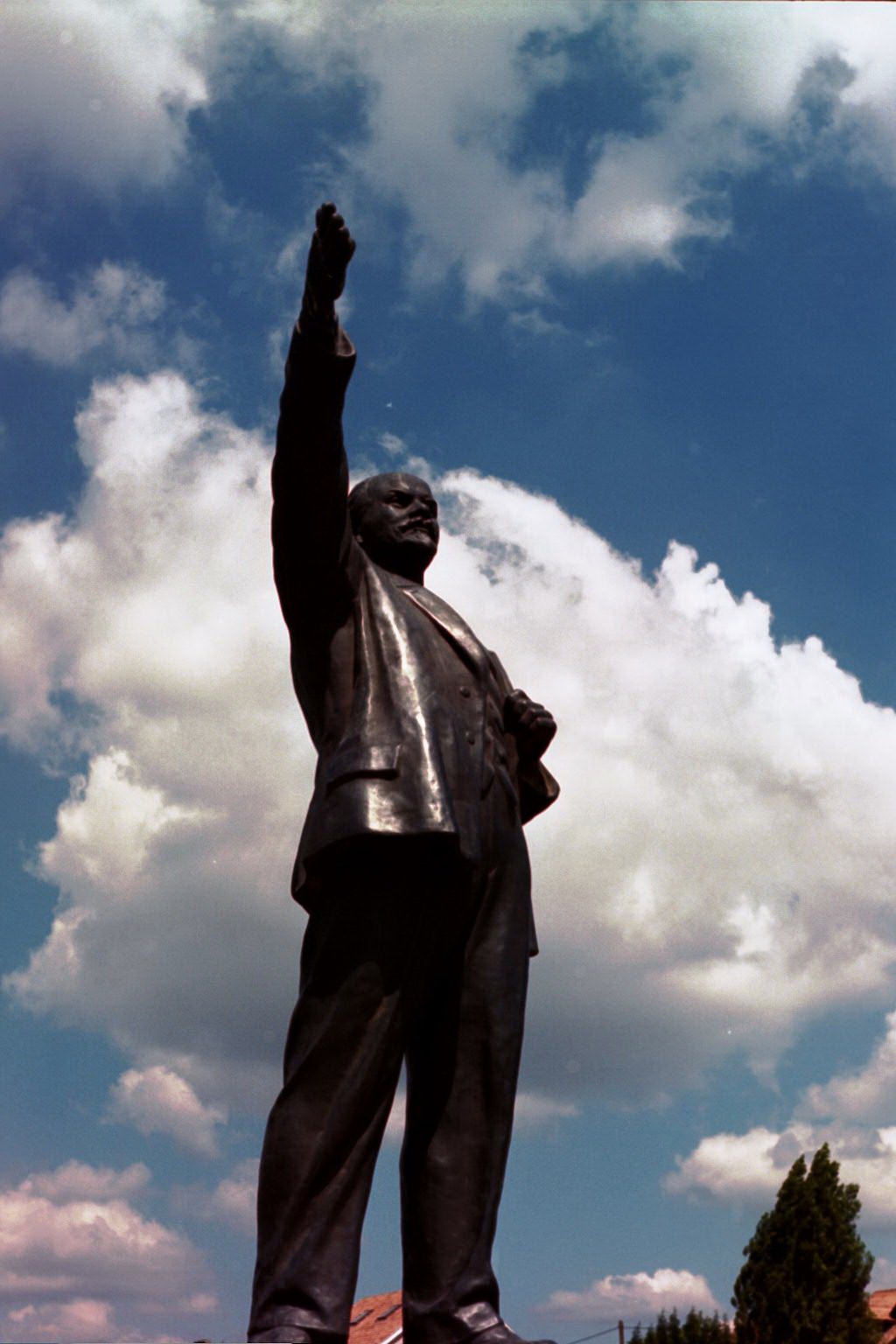
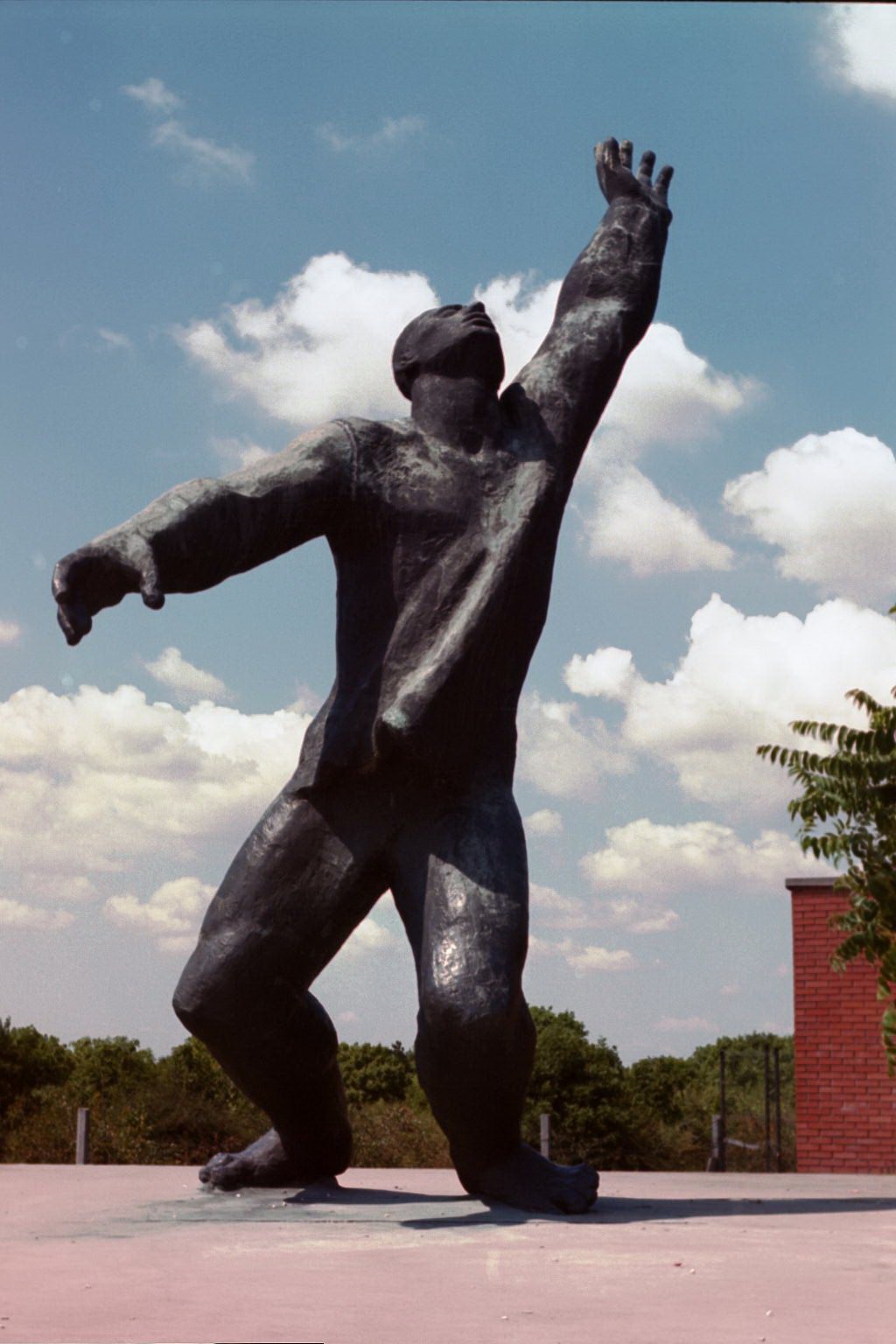
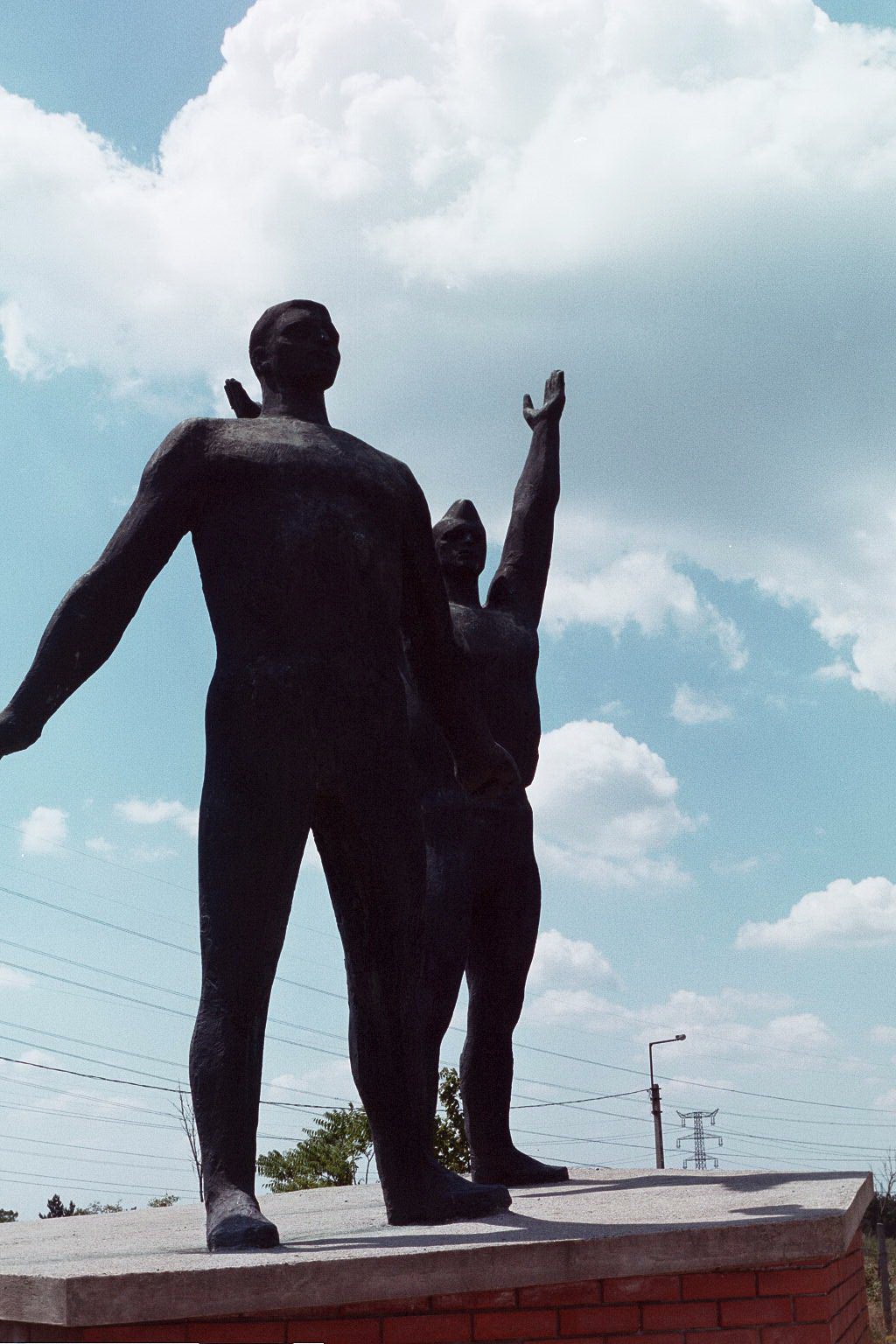
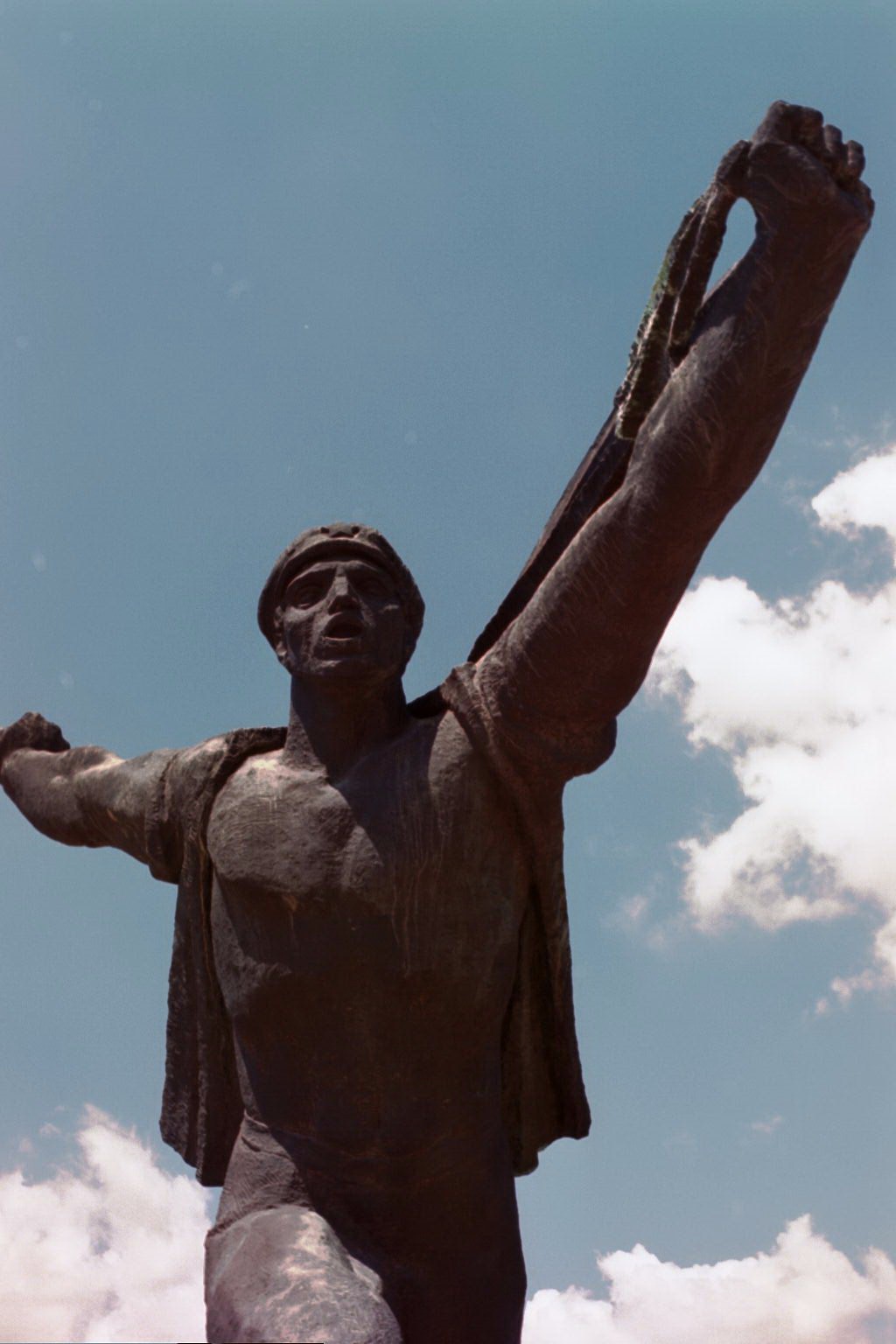
DAILY PHOTO: Where Old Commies Go to Die, Budapest

Taken in the summer of 2002 at the Szoborpark [Memento Park] outside Budapest

Apparently, reaching for things was big with the Commies. I couldn’t help but notice that a lot of the statues in Budapest’s Szoborpark [Memento Park] (the place where all the old rounded-up Commie artwork was taken to be scrutinized without being honored.) I assume they didn’t often catch what they were reaching for, or they wouldn’t have died out, having their art moved out to low-rent suburbs.

DAILY PHOTO: Trippy Graffiti, Bangalore

Taken on October 2, 2022 in Bangalore