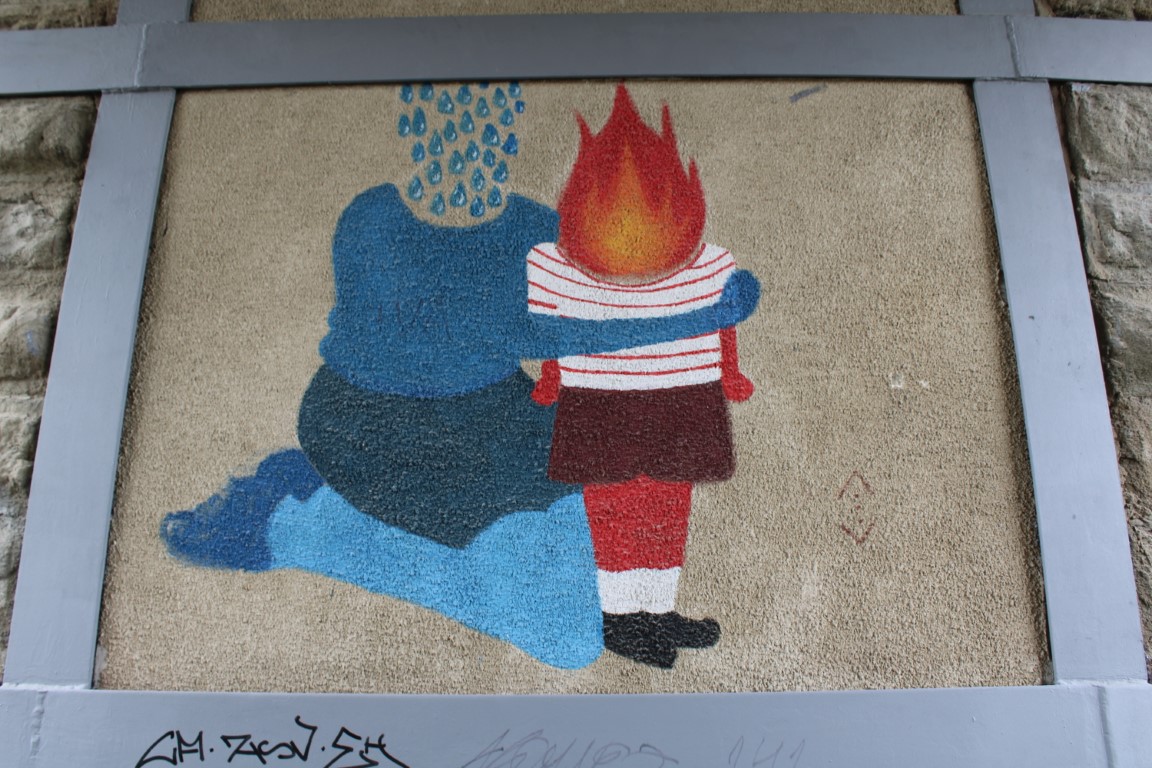
A face devoid of love or grace,
   A hateful, hard, successful face,
   A face with which a stone
 Would feel as thoroughly at ease
   As were they old acquaintances —
   First time together thrown.

A face devoid of love or grace,
A hateful, hard, successful face,
A face with which a stone
Would feel as thoroughly at ease
As were they old acquaintances —
First time together thrown.

His steady sails he never furls
   At any time o' year,
 And perching now on Winter's curls,
   He whistles in his ear

The mountain and the squirrel
  Had a quarrel;
 And the former called the latter ‘Little Prig.’
 Bun replied,
 ‘You are doubtless very big;
  But all sorts of things and weather
  Must be taken in together,
  To make up a year
  And a sphere.
 And I think it no disgrace
  To occupy my place.
 If I'm not so large as you,
  You are not so small as I,
  And not half so spry.
 I'll not deny you make
  A very pretty squirrel track;
  Talents differ; all is well and wisely put;
 If I cannot carry forests on my back,
  Neither can you crack a nut.’
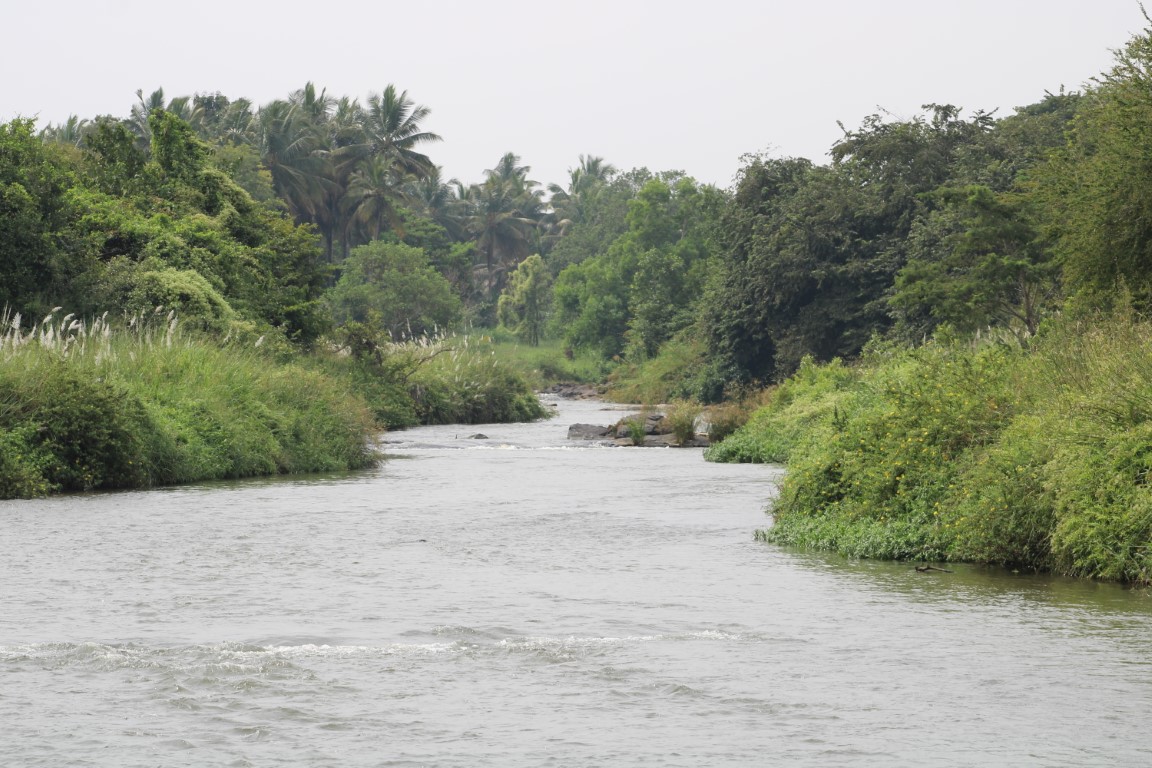
The trade-wind jingles the rings in the nets around the racks
   by the docks on Indian River.
 It is the same jingle of the water among the roots under the
   banks of the palmettoes,
 It is the same jingle of the red-bird breasting the orange-trees
   out of the cedars
 Yet there is no spring in Florida, neither in boskage perdu, nor
   on the nunnery beaches.
The chatter of little people
   Breaks on my purpose
 Like the water-drops which slowly wear the rocks to powder.
   And while I laugh
 My spirit crumbles at their teasing touch.
Could that sweet Darkness where they dwell
   Be once disclosed to us
 The clamor for their loveliness
   Would burst the Loneliness —

“Truth,” said a traveller,
 “Is a rock, a mighty fortress;
 “Often have I been to it,
 “Even to its highest tower,
 “From whence the world looks black.”

“Truth,” said a traveller,
 “Is a breath, a wind,
 “A shadow, a phantom;
 “Long have I pursued it,
 “But never have I touched
 “The hem of its garment.”

And I believed the second traveller;
 For truth was to me
 A breath, a wind,
 A shadow, a phantom,
 And never had I touched
 The hem of its garment.
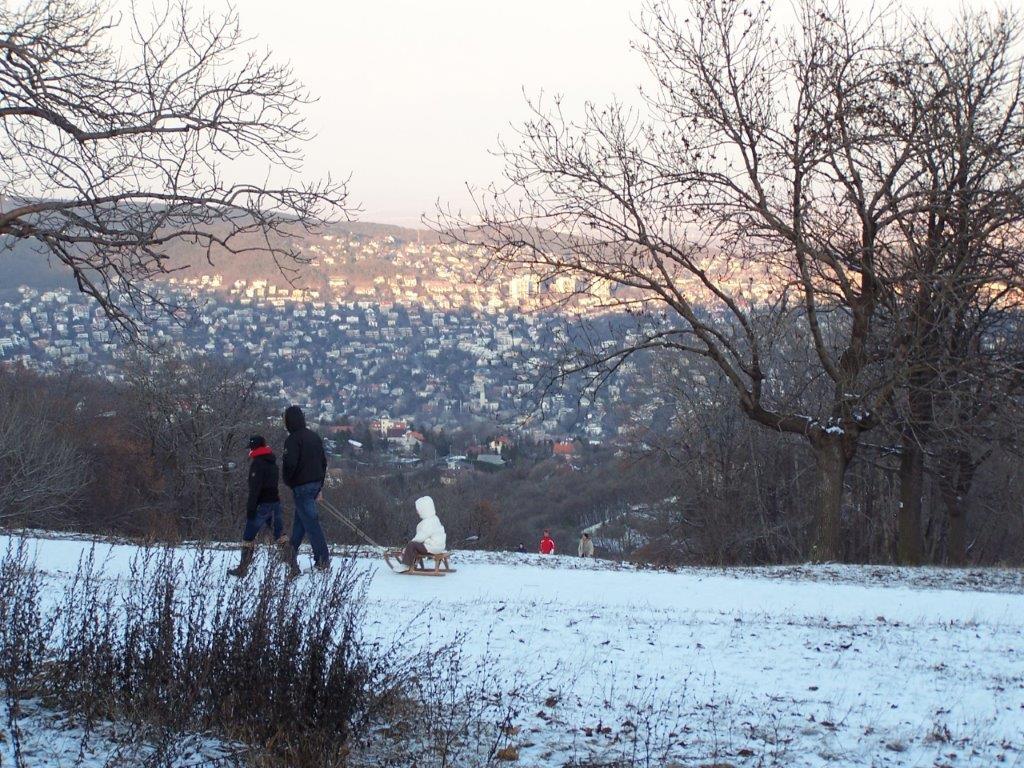
To have known him, to have loved him
   After loneness long;
 And then to be estranged in life,
   And neither in the wrong;
 And now for death to set his seal—
 Ease me, a little ease, my song!
 By wintry hills his hermit-mound
 The sheeted snow-drifts drape,
 And houseless there the snow-bird flits
 Beneath the fir-trees’ crape:
 Glazed now with ice the cloistral vine
 That hid the shyest grape.
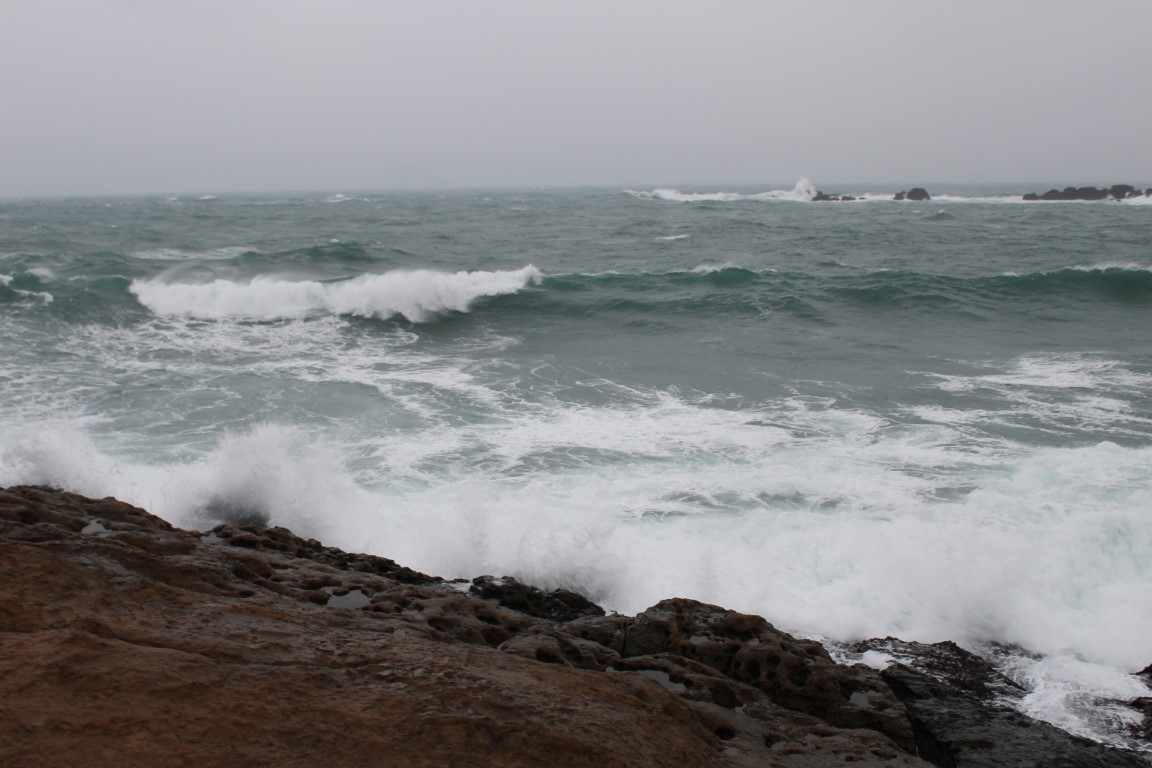
Let the place of the solitaires
 Be a place of perpetual undulation.

 Whether it be in mid-sea
 On the dark, green water-wheel,
 Or on the beaches,
 There must be no cessation
 Of motion, or of the noise of motion,
 The renewal of noise
 And manifold continuation;

 And, most, of the motion of thought
 And its restless iteration,

 In the place of the solitaires,
 Which is to be a place of perpetual undulation.
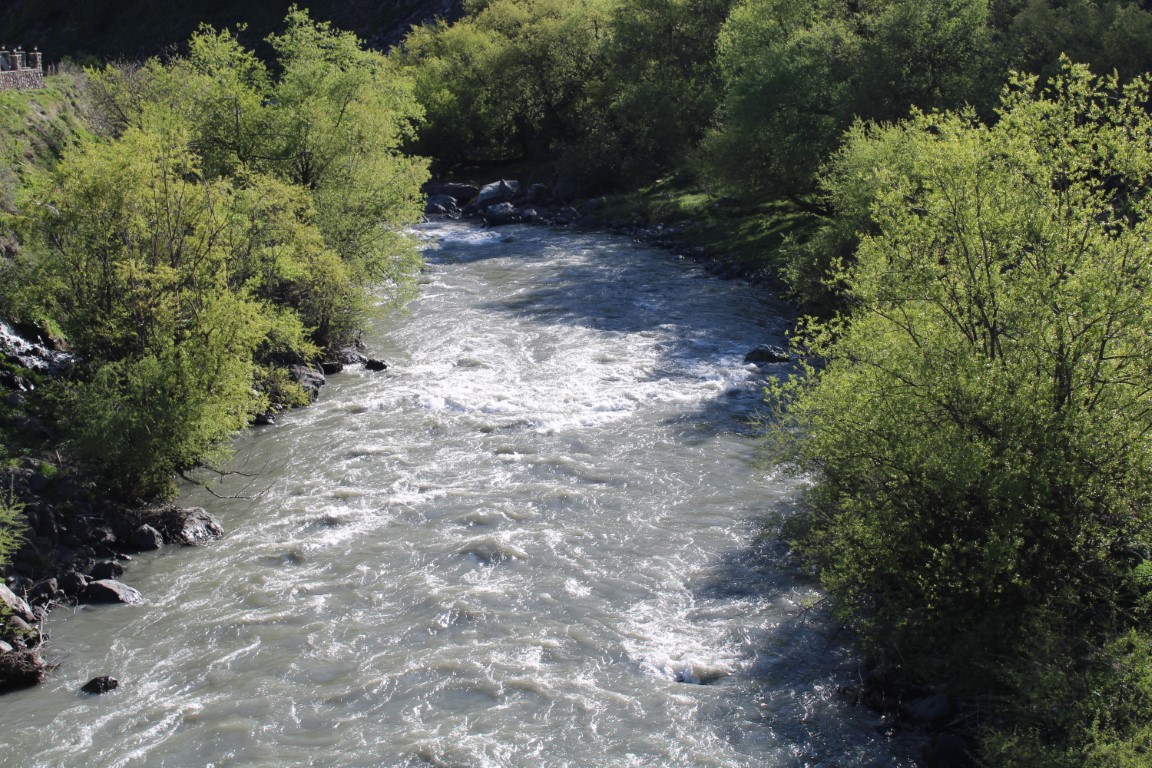
Fair river! in thy bright, clear flow
         Of crystal, wandering water,
     Thou art an emblem of the glow
             Of beauty—the unhidden heart—
             The playful maziness of art
     In old Alberto’s daughter;

     But when within thy wave she looks—
             Which glistens then, and trembles—
     Why, then, the prettiest of brooks
             Her worshipper resembles;
     For in my heart, as in thy stream,
         Her image deeply lies—
     His heart which trembles at the beam
         Of her soul-searching eyes.


