Fields of the Dead [Free Verse]

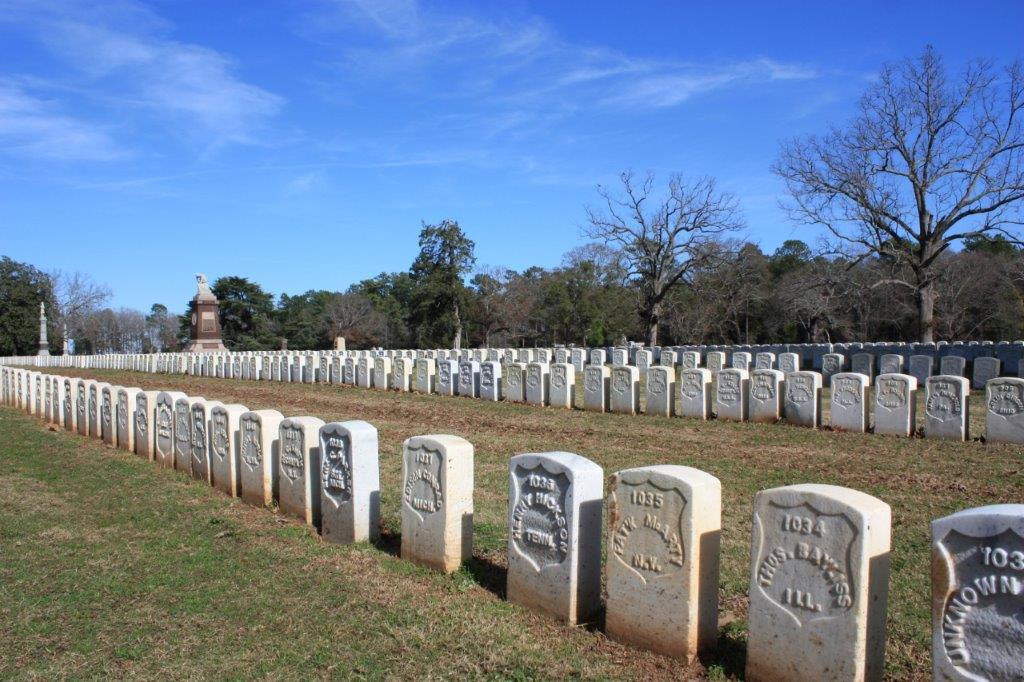
It's a beautiful day
  in the graveyard.

Blue skies.

Cool, but not cold.
 The ideal temperature
   to be an overdressed military man.

Do ghosts amble among the stones
   on days like these?

I imagine most of these men died
   on quite different kinds of days:

Rainy, cold, muddy days.

Muggy, buggy, malarial days.

The kind of day that just won't end,
   but to fold into a sleepless night.

How many died, 
  not from spall or Minié balls,
    but because they just didn't have the will
      to drag themselves through another day?
        from exhaustion?
        from demoralization?

How many died under beautiful blue skies
   on an idyllic autumn day?

I don't know whether 
  there're good days to die,
    and even less whether 
      there're good days to be dead.

Dogs of War [Lyric Poem]

The dogs of war are slipping.
  The ropes they are a ripping.

The palms they are a bleeding,
  as citizens are reading

of risks that led to slippage:
  of quips and of equipage,

and how it wasn't expected,
  and courses were corrected,

but still it all goes wrong.  

Tiny Tank [Free Verse]

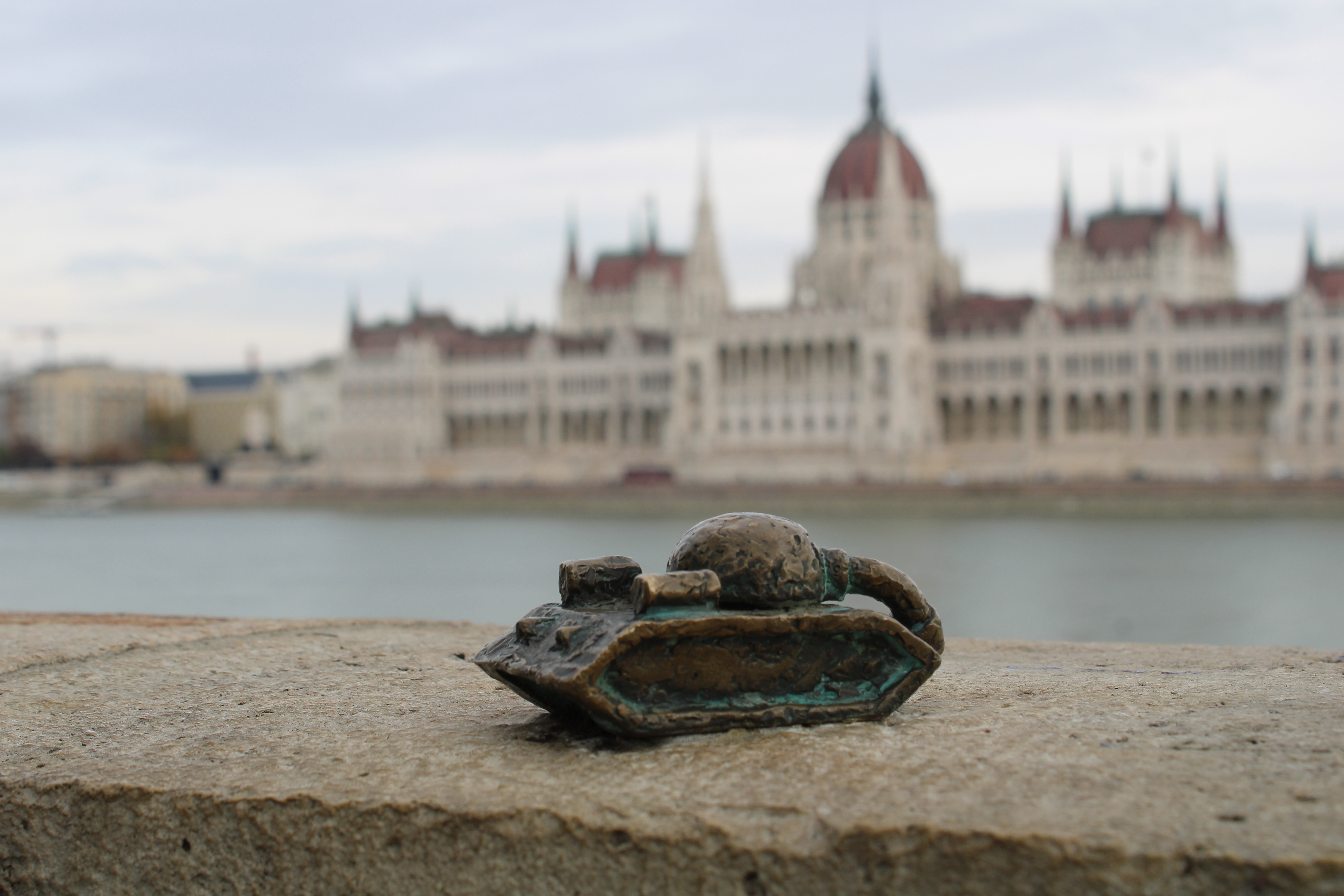
Someone put a tiny, limp-gunned tank 
on Danube west bank --
in Budapest, opposite Parliament.

Unsubtle symbolism, indeed,
but worth noting:

The might of violence
made feeble in the face of democracy,
and all that.

So true,
and yet so few
seem to believe it.

We seem to believe
that matching savagery
is the key to strategy
in opposing the extreme,

but then we've really just made more
extremism, haven't we?

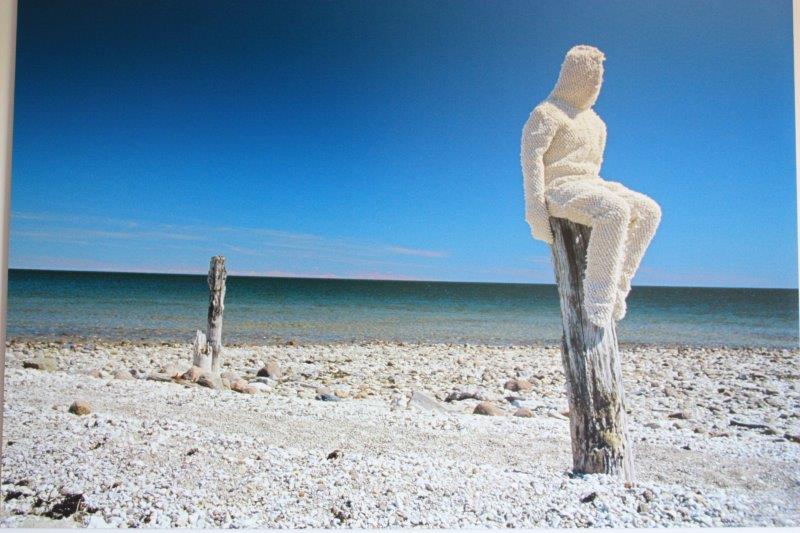
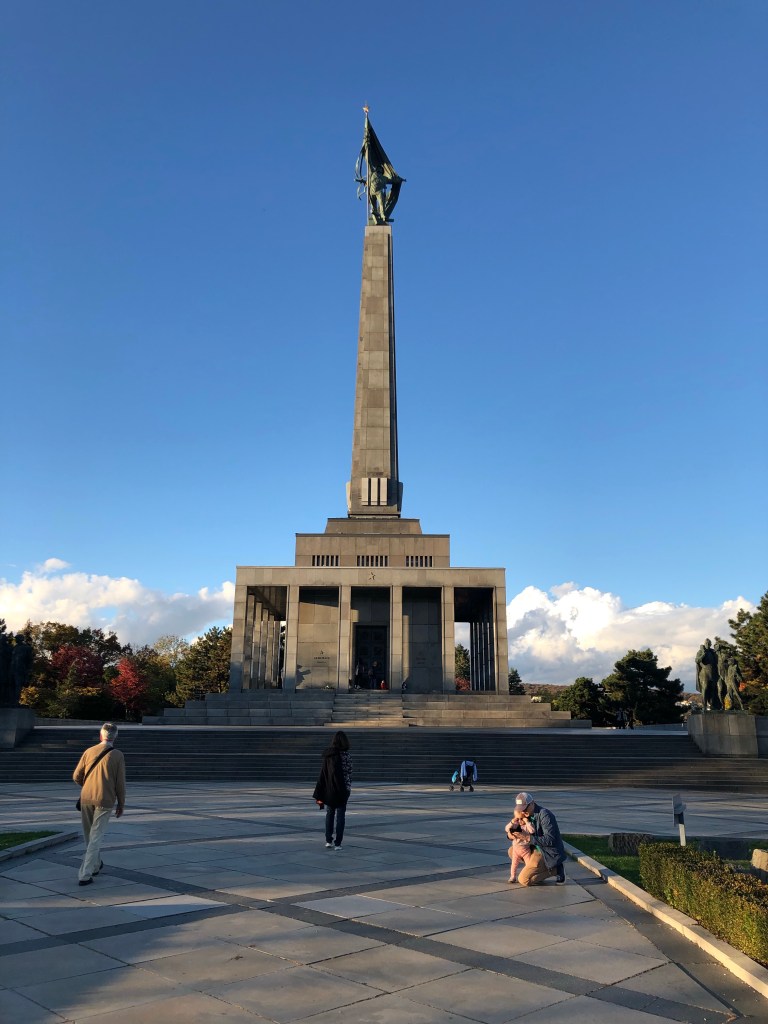
DAILY PHOTO: Slavín

Taken in Bratislava in October of 2022

Emerson’s Wave [Free Verse]

Society is a wave. The wave moves onward, but the water of which it is composed does not.

Ralph waldo emerson, Self-reliance
Is there any angst that we will tumble off
a cliff that we should have railed off 
long ago?

-- Nuclear War --

I fear that wave has rolled onward,
and we have lost that angst. 

Do we not fear:

blast wave disintegration?

fire that turns wet things 
-- such as ourselves --
into instant ash? 

clumps of hair in the hands
of the neutron-cooked?

If we've forgotten to fear such things,
we are surely doomed.

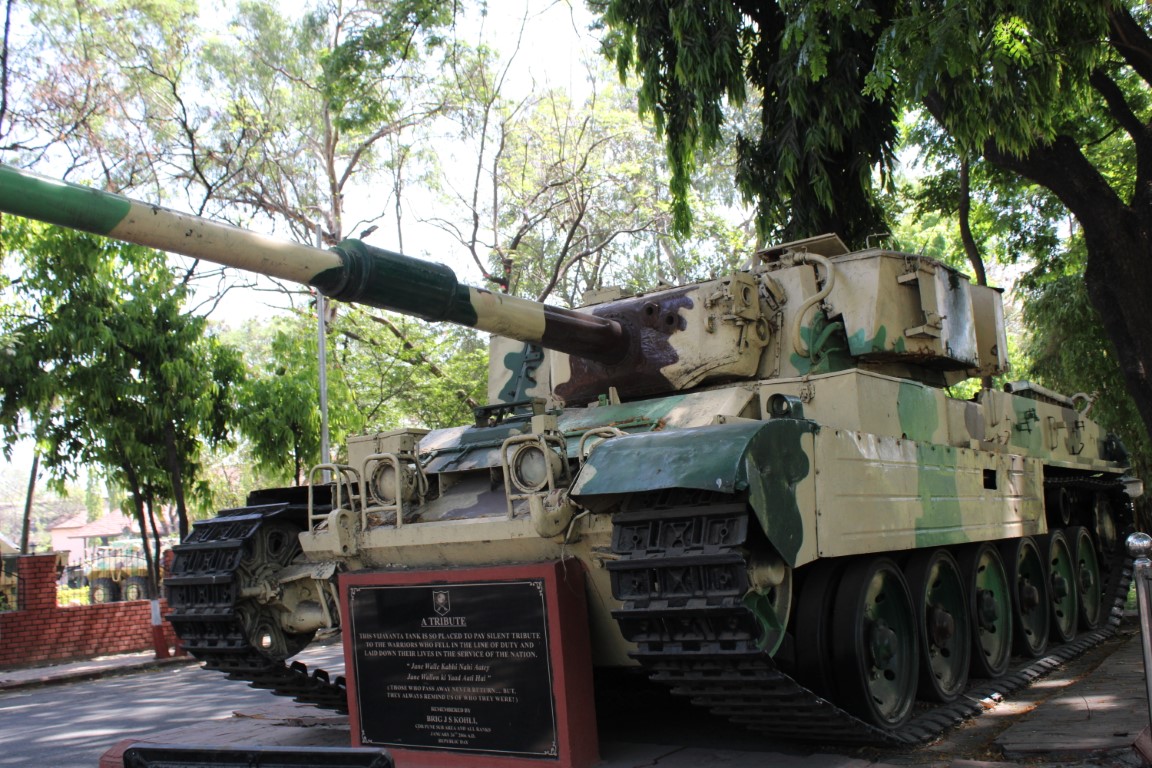
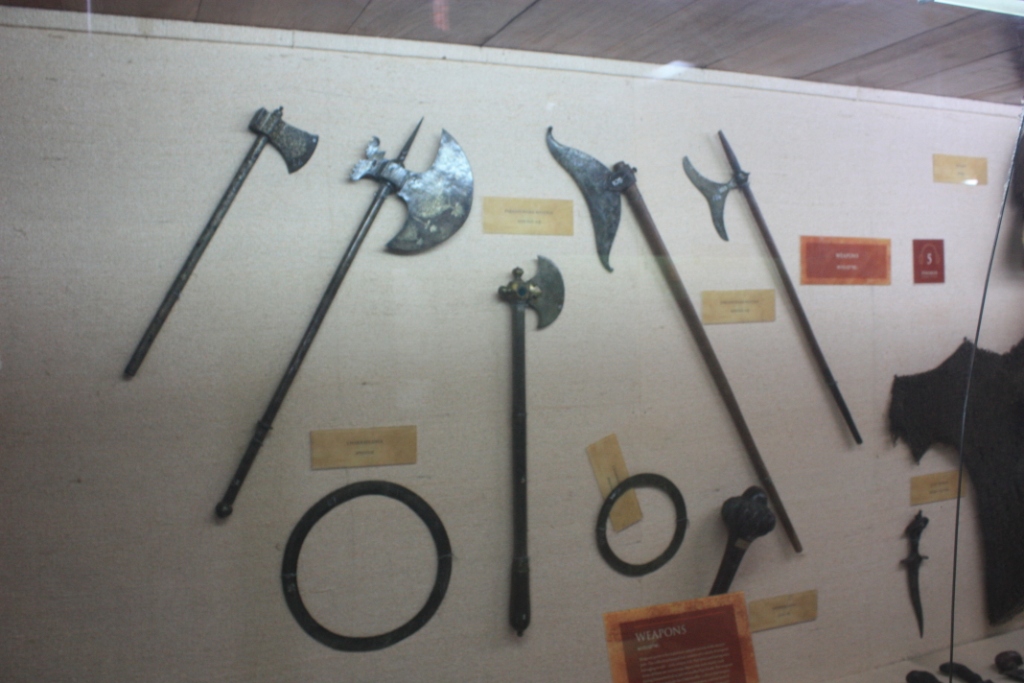
DAILY PHOTO: Indian Weapon Display

Taken in September of 2017 at the Government Museum of Bangalore

The War Mangled [Free Verse]

I heard the dead children,
their voices lilting on the wind.

The war-torn twice born
came crawling in under the wire,
bloody and shell-shocked,
but among the living, 

but the rest floated away:
their words
becoming both milder 
& more raucous,
never fully drowned out by
bombs or crossfire chaos.

Gunsmoke [Free Verse]

the acrid smell
of 
burnt gun-smoke
dulls
in the mind,
but not 
in the air

the brain tires of smelling it,
and so it fades,
but
it has nowhere to go --
not in this violent place
of dead & heavy air

BOOK REVIEW: Military Strategy: A Very Short Introduction by Antulio J. Echevarria II

Military Strategy: A Very Short Introduction (Very Short Introductions, #523)Military Strategy: A Very Short Introduction by Antulio J. Echevarria II
My rating: 5 of 5 stars

Amazon.in Page

This concise guide to military strategy is well-organized and can be readily understood by an amateur reader. The book provides an overview of the domain of military strategy by comparing and contrasting related pairs of strategic paradigms.

After an overview chapter (ch. 1) that broadly defines the subject and lays out the organization for the rest of the book, chapter two explores strategies of annihilation and how they are similar to and different from strategies of dislocation. Chapter three investigates attrition and exhaustion, strategies that deal in destroying warfighting resources and will to fight, respectively. Chapter four elucidates how the threat of force can be used to keep the enemy from making a move (deterrence,) or force them to make a desired move (coercion.) Chapter five looks at strategies that rely on instilling fear to change an opponent’s behavior, including aerial bombardment and terrorist tactics. Chapter six considers different approaches to using selective targeting to achieve strategic goals: i.e. decapitation and targeted killing. The penultimate chapter (ch. 7) contrasts the various approaches to cyber warfare with cyber-power, more generally.

The final chapter (ch. 8) briefly examines the determinants of success and failure of military strategy.

The book is straightforward and uses historical cases to provide clear examples of each type of strategy. It doesn’t go much beyond definition and some classic examples, but it is an excellent starting point for organizing one’s thoughts on the topic in preparation to learn more.

If you’re in need of a concise overview of (or refresher on) military strategy, this is a fine guide to consider.


View all my reviews

I Read the News Today, Oh Boy! [Free Verse]

I
A young man set his ex-fiancé on fire.
(Or, so the story goes.
[He claims she self-immolated.])

She succumbed to third-degree burns...
but not right away.
She lived long enough to know
the agony of third-degree burns. 

They'd met in college,
both studying to be engineers --
I mention that because
at the heart of the issue was caste.
It seems absurd enough
to murder a fiancé over
some imaginary mark of superiority,
but even more so when one considers
that they would have had the same qualification --
possibly similar jobs --
but for the boy's bigoted parents,
who insisted he call off the engagement,
and the boy, himself, 
who took things that extra murderous mile.

So, it wasn't even about who the couple were,
it was about what their grandfathers 
did for a living.

What a world.
 

II
The war is still burning. 
Among the latest questions are:

 Will Belarus be forced to join in the fighting?
&
If so, will having another set
of soldiers who are completely uninterested in the war -- 
other than as a trial to be survived, that is --
help or hurt Putin's position?

A related question is whether Putin
would rather watch the world burn 
than to lose face?

What a world.


III
The Pandemic said, "Psyche!"

This means America will roll the odometer
on COVID deaths.

We had things almost back to normal,
and then the virus caught its breath,
got it's footing,...
whatever viruses do.

What a world.

***

I think I'll check the news, again,
maybe sometime next year.