DAILY PHOTO: Khonoma Terraces

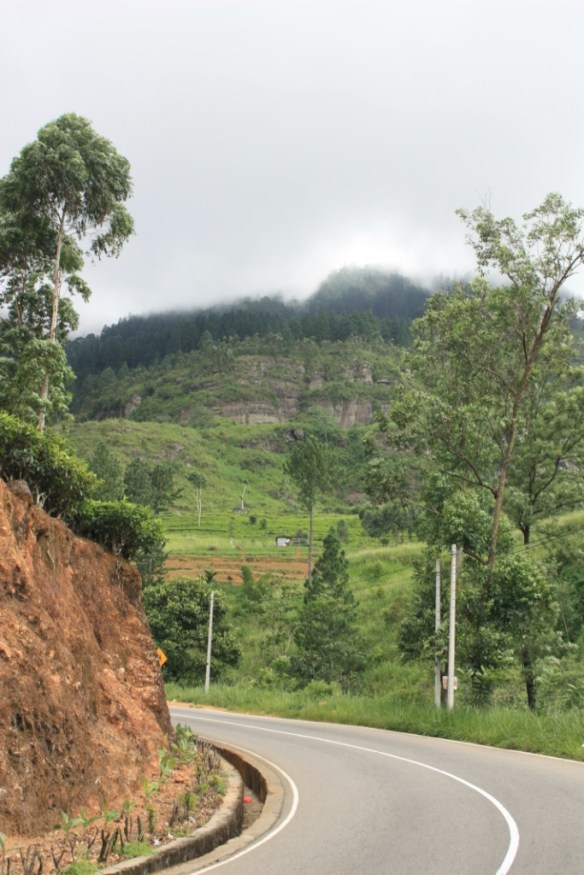
Taken in May of 2017 in Khonoma, Nagaland
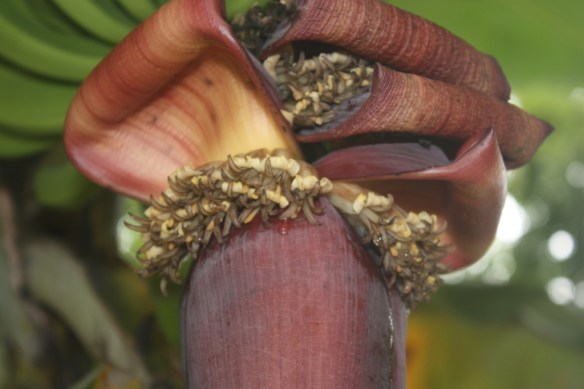


This is actually Dzuleke Village, the next village down from Khonoma.

DAILY PHOTO: Big Ole Spider, Nameri National Park


Taken in April of 2017 at Nameri National Park Eco Camp


As near as I can tell from a Google search, and with no knowledge of arachnology, this is either a Giant Wood Spider, a Giant Golden Orb Weaver, or something related.


If you know better, feel free to correct me in the comments.

DAILY PHOTO: Mountain Slope with and without Trees

Taken in the Summer of 2015 at Great Himalayan National Park in Kullu District

DAILY PHOTO: River Near the India / Bangladesh Border

Taken in April of 2017 near Dawki (border town on the India – Bangladesh border)


DAILY PHOTO: A Temple in Kangla

Lord Iputhou Nongda Leireng Pakhangba Temple; Taken on May 5, 2017 in Imphal


DAILY PHOTO: Strange Tree on a Hilltop

Taken on April 27, 2017 near Longwa in Nagaland


I’m not sure / can’t remember whether this was on the Indian or Myanmar side of the border.

DAILY PHOTO: Rhinoceros Unicornis: Or, The Great Indian One-horned Rhino

Taken on April 23, 2017 at Kaziranga NP in Assam


DAILY PHOTO: Root Bridges of Meghalaya

Living Root Bridge (both has plants growing in it and roots still growing); Taken in Riwai on April 19, 2017


One of the longer root bridges; Taken near Nongthymmai on April 18, 2017


Double Decker Root Bridge; Taken on April 18, 2017 near Nongthymmai

DAILY PHOTO: Loktak Lake

Taken on May 4, 2017 at Loktak Lake in Manipur


DAILY PHOTO: Konyak Warriors of Hungpoi

The Chief; Taken on April 27, 2017 at the Hungpoi Village in Nagaland, India


Nagaland is a fascinating place. Back in the days before colonialism and proselytizing missionaries, the tribes practiced headhunting. The Chief’s wife would tattoo the face of any warrior who returned from battle with the head of a fallen enemy. Hence, you see the blue tint to these men’s faces. Hungpoi, which is a short drive from Mon, has one of the highest concentrations of those who lived during this time, but they are a disappearing breed.


I was fascinated to discover how many features of their tribal experience echoed what one reads about in Chinua Achebe’s “Things Fall Apart.” That book is considered to be one of the quintessential novels of the African experience, but it seems that these Asian tribes shared many features. Their hyper-masculine societies morphed as Christian missionaries came in, backed by the might of colonial powers, and converted the population. Internecine killing–accidental or purposeful–was punished by a seven-year period of exile. Shaming was used as punishment much more than is possible in our–to use Desmond Morris’s term– super-tribes.


Some of these elder warriors wear necklaces showing the number of heads that they collected in warfare. This is in contrast with other elements of ornamentation which, according to one of these men, were more about attracting a mate.