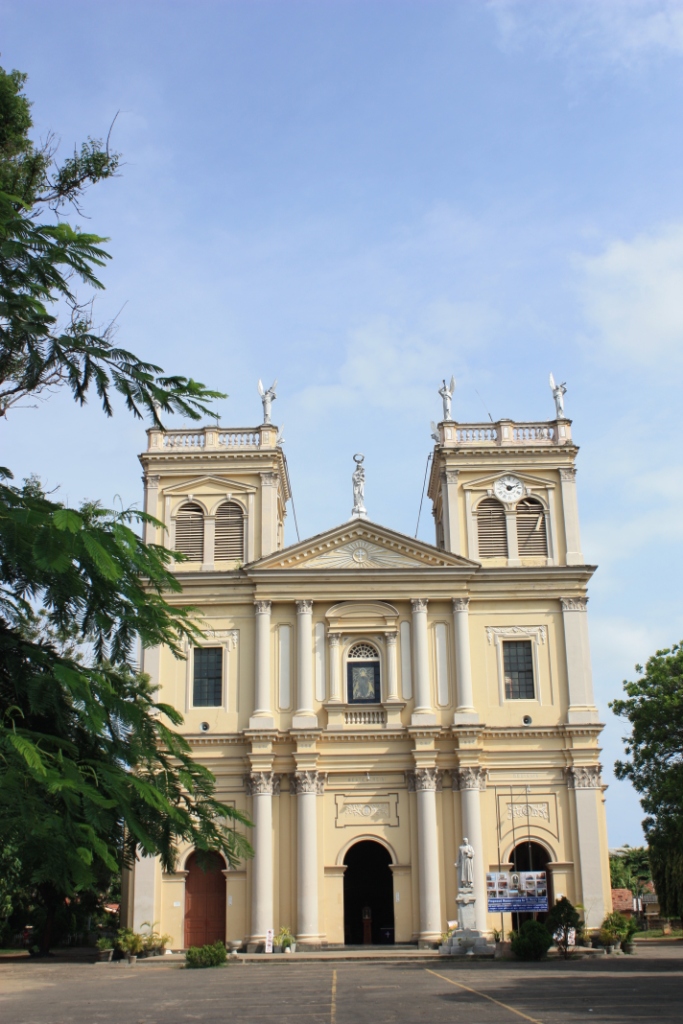
Taken May 25, 2015 in Negombo, Sri Lanka
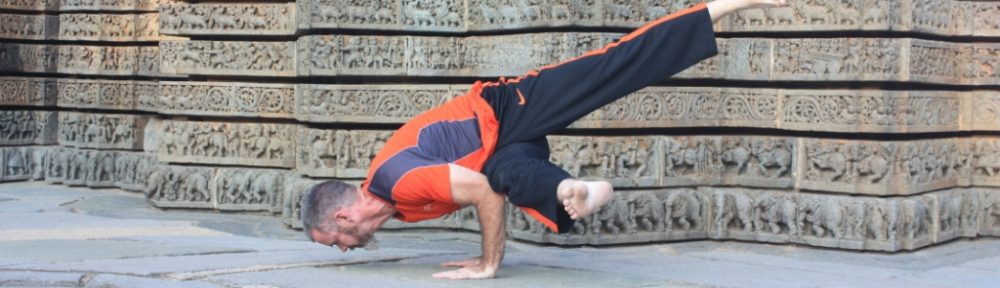
Taken May 25, 2015 in Negombo, Sri Lanka
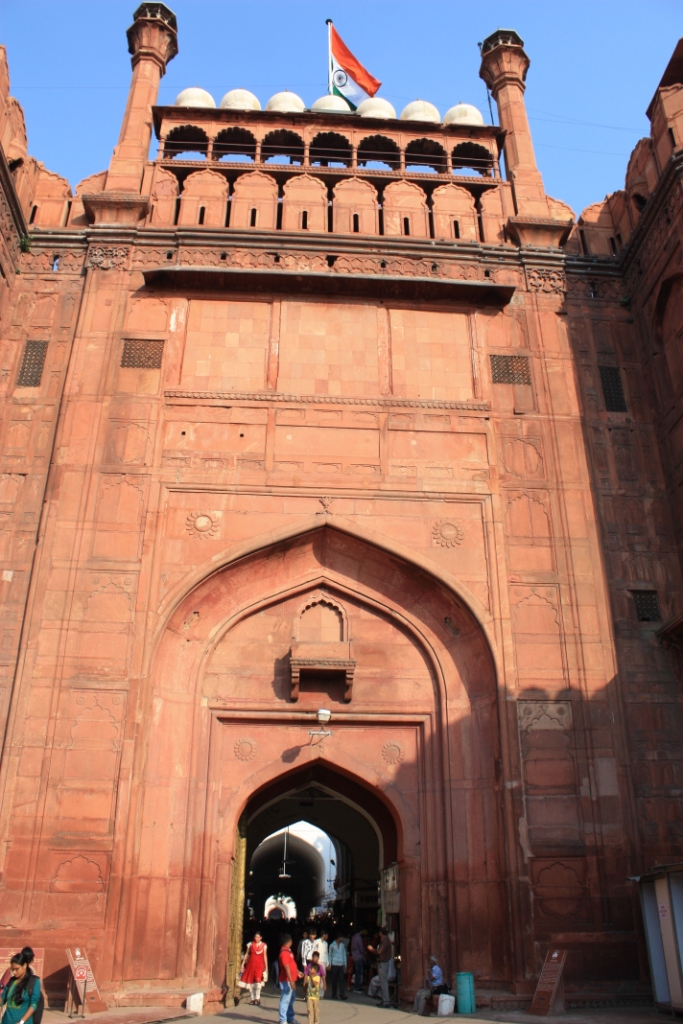
Taken in October of 2013 in Delhi
 The seven white, bulbous mini-domes in the top background of the bottom shot are the same as those at the top of the upper photo. Fortifications are built out in front of the gate to add a measure of security. There is no line-of-sight view of the gate from the front.

Taken in Vác in December of 2014
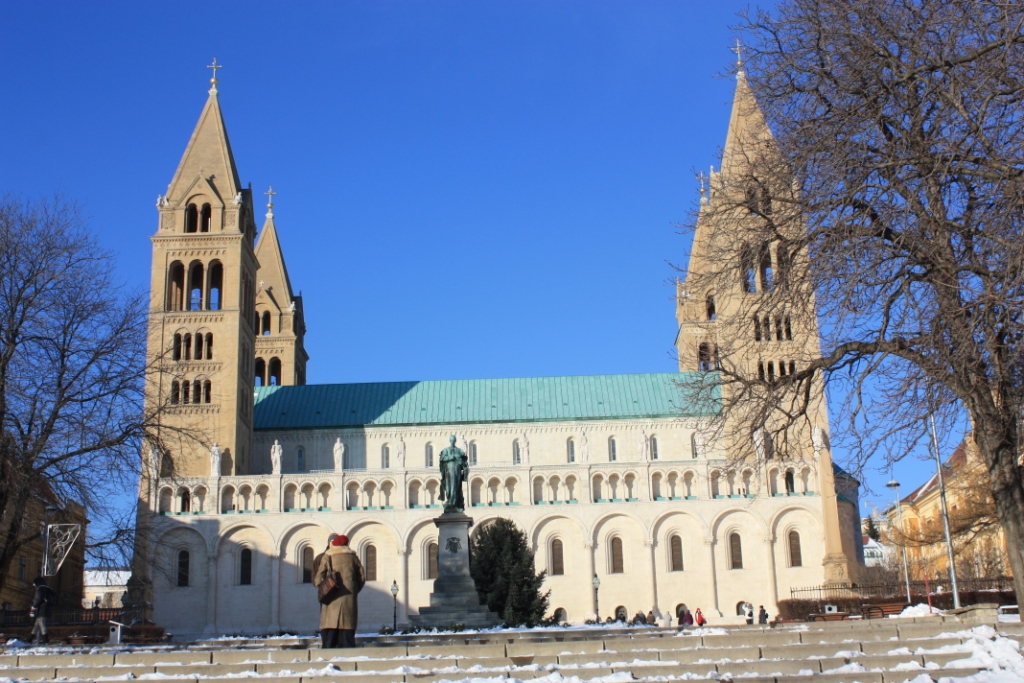
Taken in December of 2014 in Pécs
This giant four-spired Cathedral is home of the Pécsi Roman Catholic Dioceses. Pécs has held a diocese headquarters since the early 11th century. The town that is now Pécs predates Roman times.
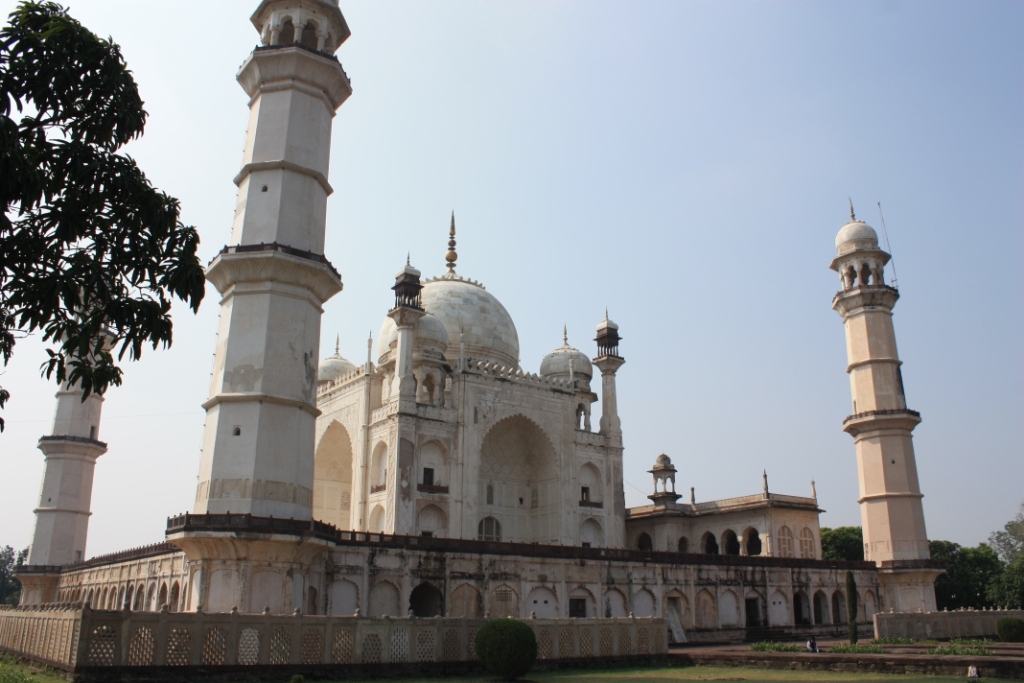
Taken on November 18, 2014 in Aurangabad
From a distance, Aurangabad’s Bibi Ka Maqbara bears a striking resemblance to the Taj Mahal. Besides the superficial similarities, it was also build in memoriam to the wife of an important Muslim leader. However, according to my guide, the Bibi Ka Maqbara is only about 60% the height of the Taj Mahal (I suspect its width is an even smaller proportion, as it looks “skinny” in comparison to my memory of the Taj Mahal.) Also, while the Taj is done entirely in white marble, only the dome and pedestal of the Bibi Ka Maqbara are white marble. The rest is plaster. Whereas the Taj has a great many floral scenes that are formed by inlaid semi-precious stones, at the Bibi Ka Maqbara similar scenes are painted onto the plaster in colorful paint. Aurangabad’s mini-Taj opened a mere 13 years after the Taj Mahal.
There are a couple of ways in which the Bibi Ka Maqbara surpasses the Taj. Most notably, the view from the back is much better. Aurangabad’s site has a garden at the back that rivals the front garden in size, and there are beautiful mountains in the background. (The rear of the Taj overlooks the Yamuna river bed and beyond that is not much impressive.) Second, no craftsmen were intentionally injured in the making of this monument. (There is a tale–treated as suspect by many historians–that the Taj craftsman were crippled in various ways after the completion of work so that they would never again produce something as lovely.)

Taken in December of 2013 in Kuala Lumpur
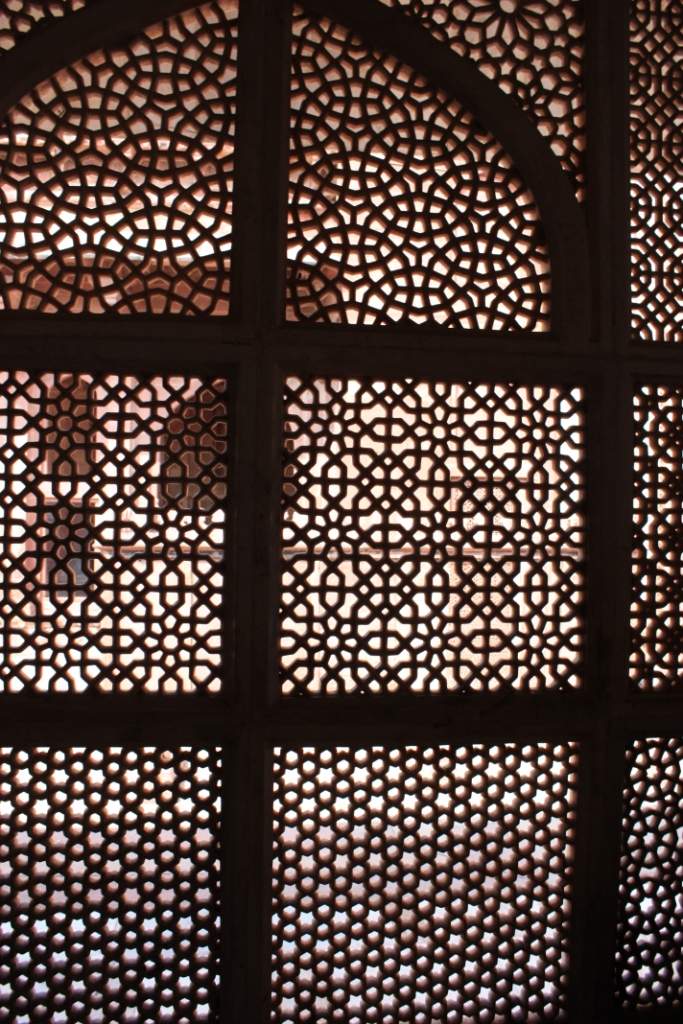
Taken in November of 2013 at Fatehpur Sikri.
This elaborate lattice is carved out of white marble. It’s part of the Tomb of Salim Chishti, a Sufi saint, and is located on the grounds of the Jama Masjid (Mosque) at Fatehpur Sikri.

Taken in September of 2014 in Bangkok

Taken in July of 2008 in Beijing.

Taken in October of 2012 in Phnom Penh.
Phnom Penh contains an interesting mashup of architecture from traditional Khmeri to French colonial era, to the glass high-rises that are currently popping up. This looks to me like the middle one, but I know almost nothing about architecture.


 Tiger Riding for Beginners