Feral [Haiku]

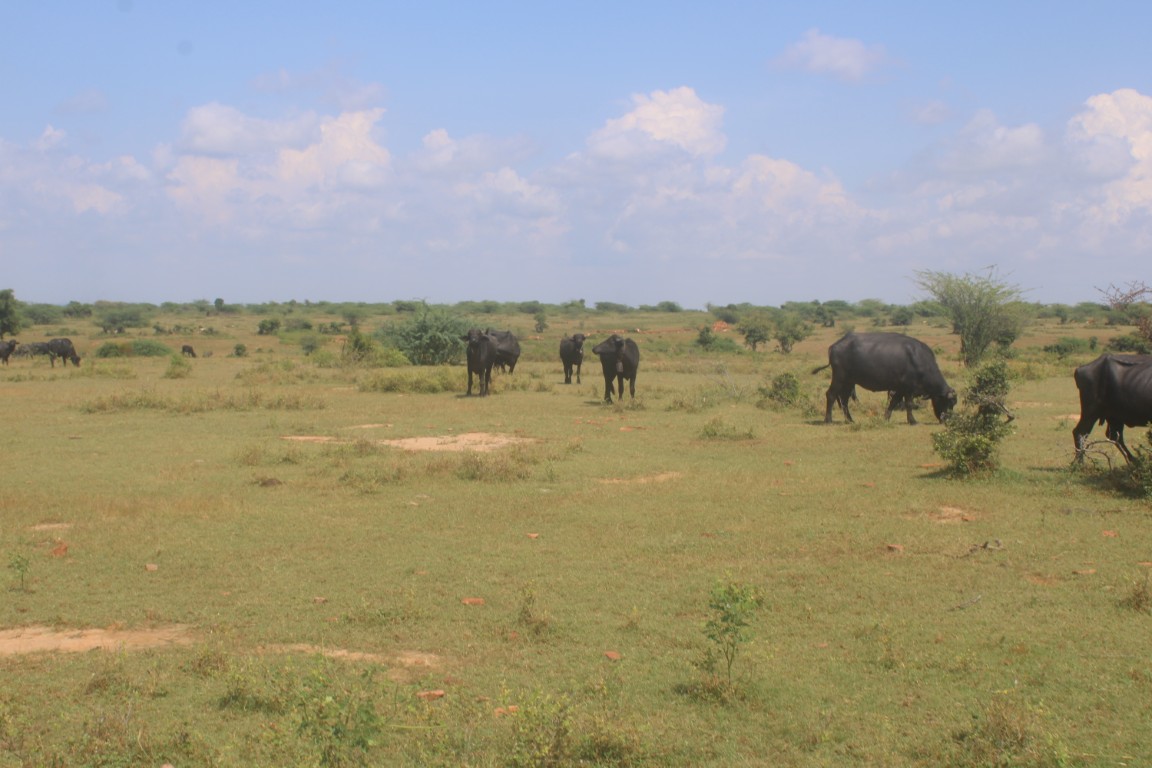
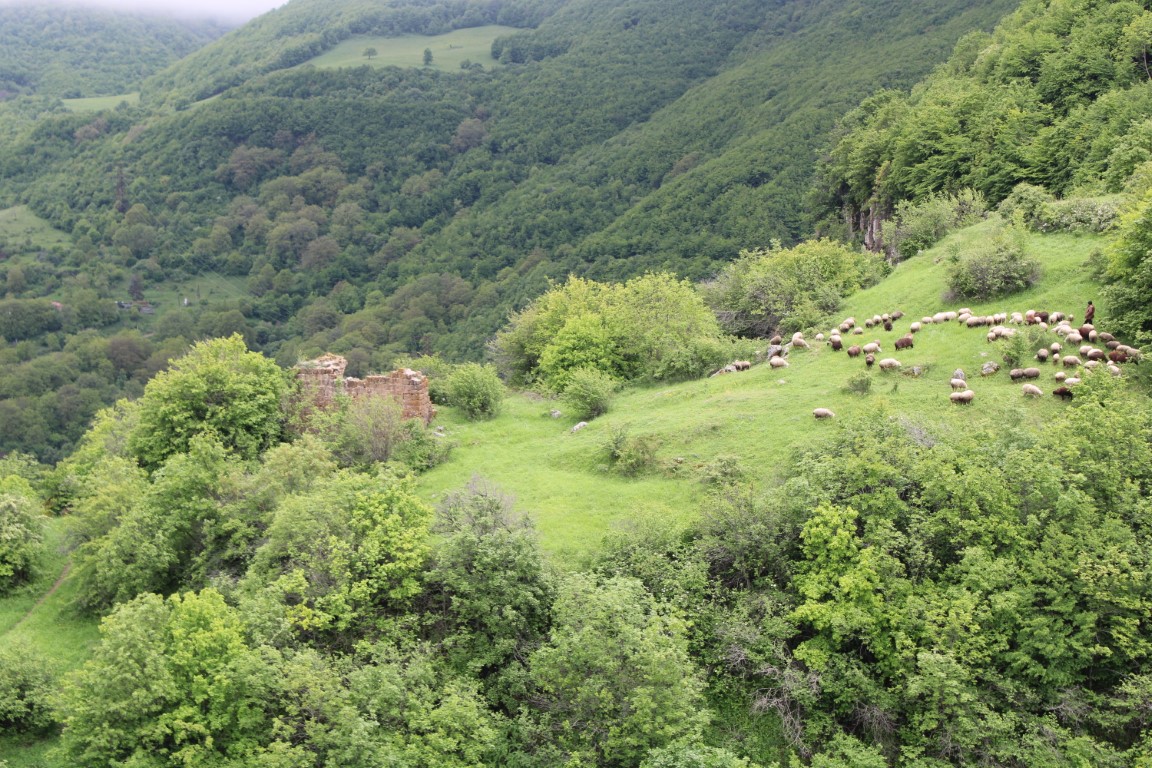
Cow Pasture: Photo taken north of Gwalior in Madhya Pradesh on the hike to the Nareshwar Temple Group.
the pasture sprawls: 
once dull & docile cows
now have feral eyes.

Hermit [Senryū]

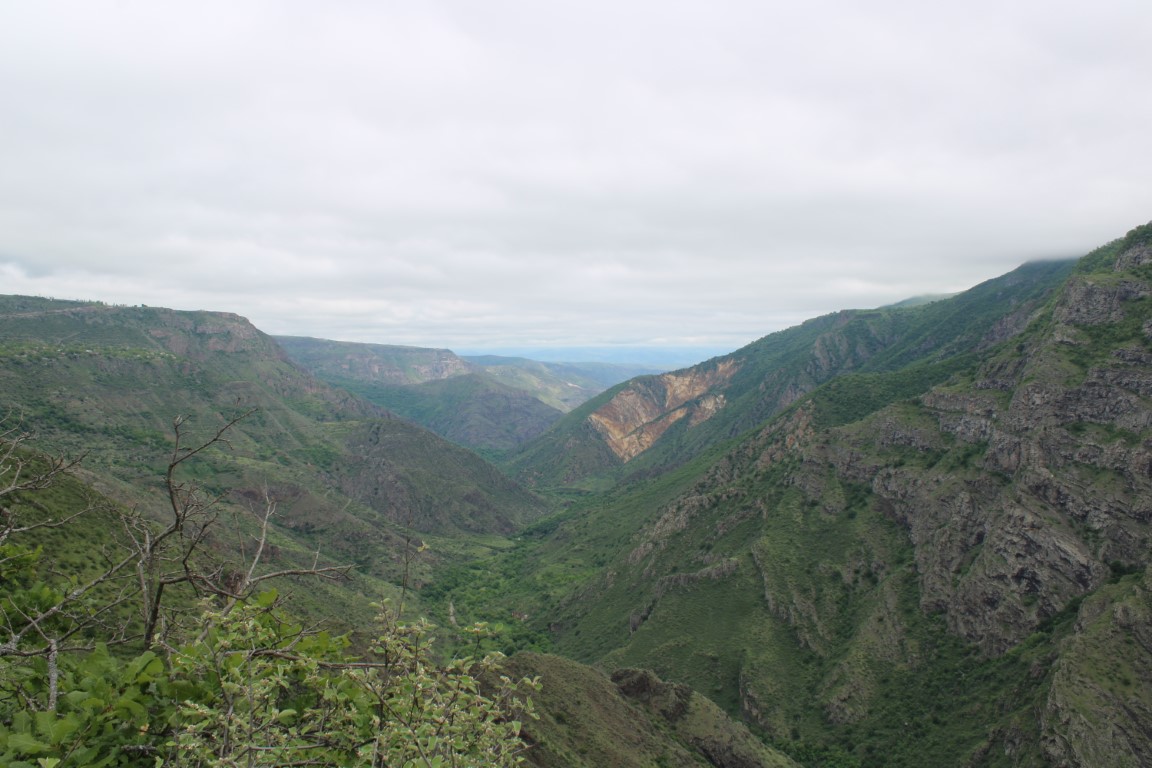
mountain hermit
looks over the city…
turns, walks back to hut.

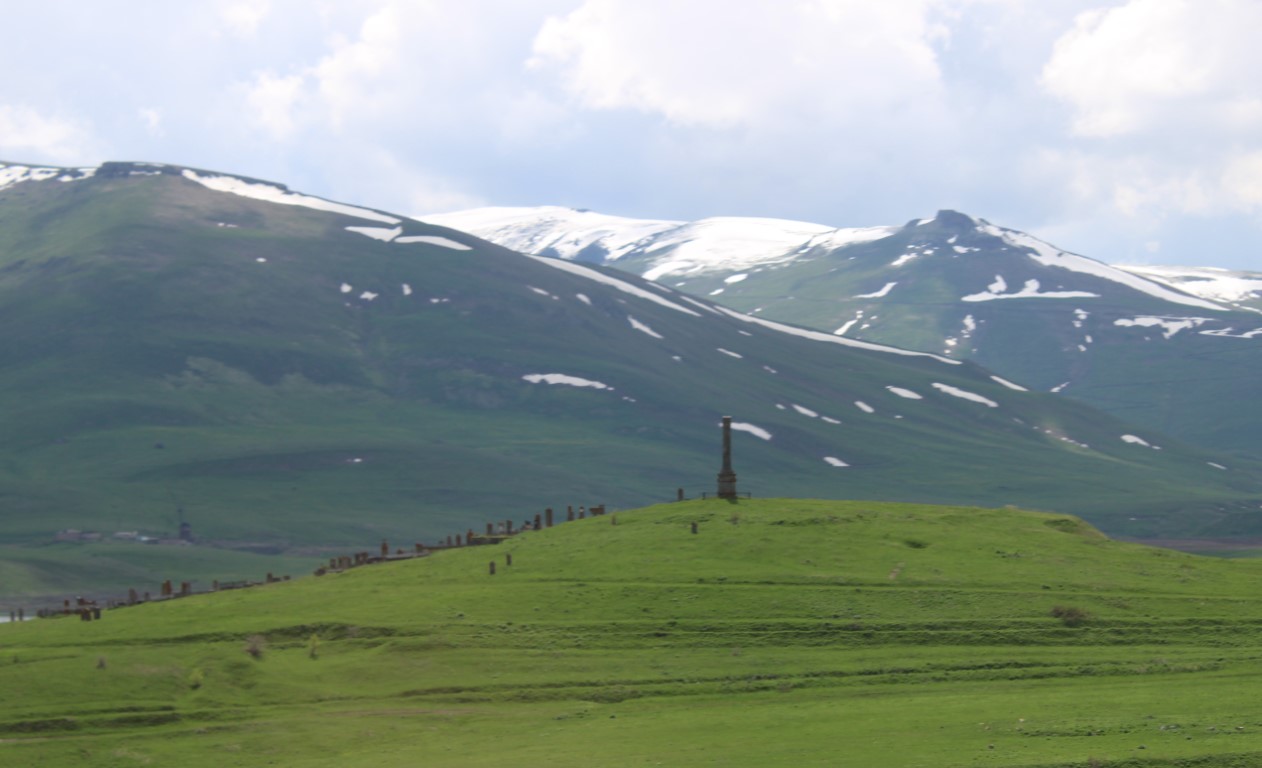
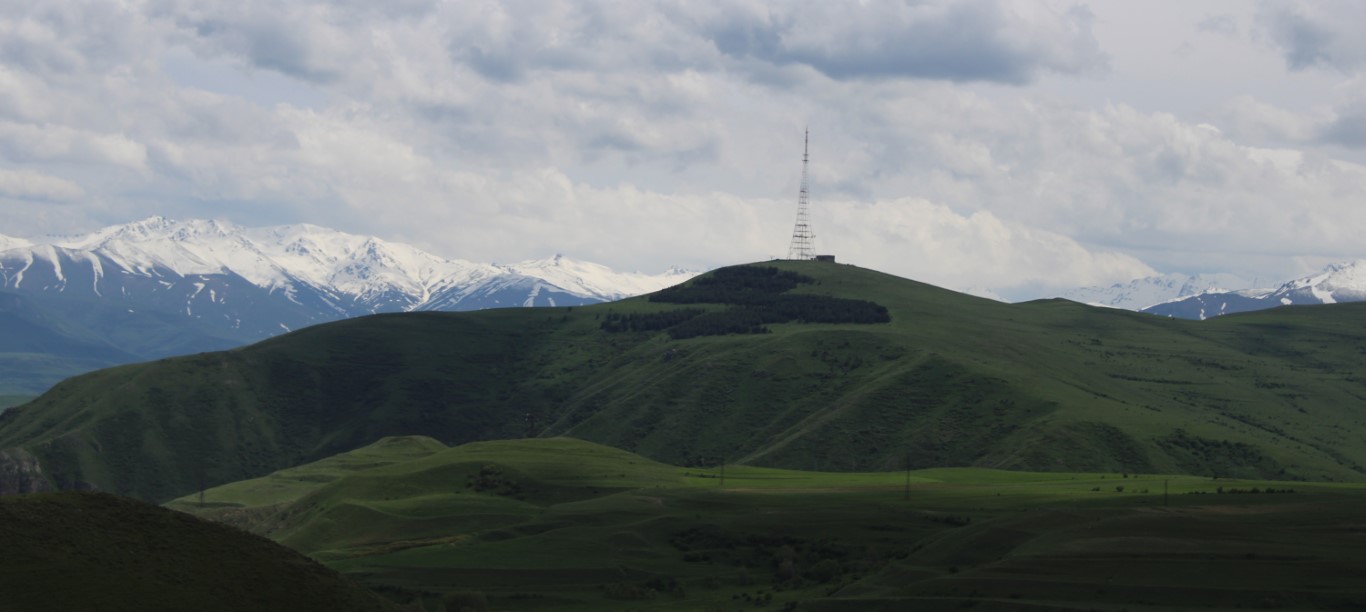
DAILY PHOTO: South Armenian Landscapes

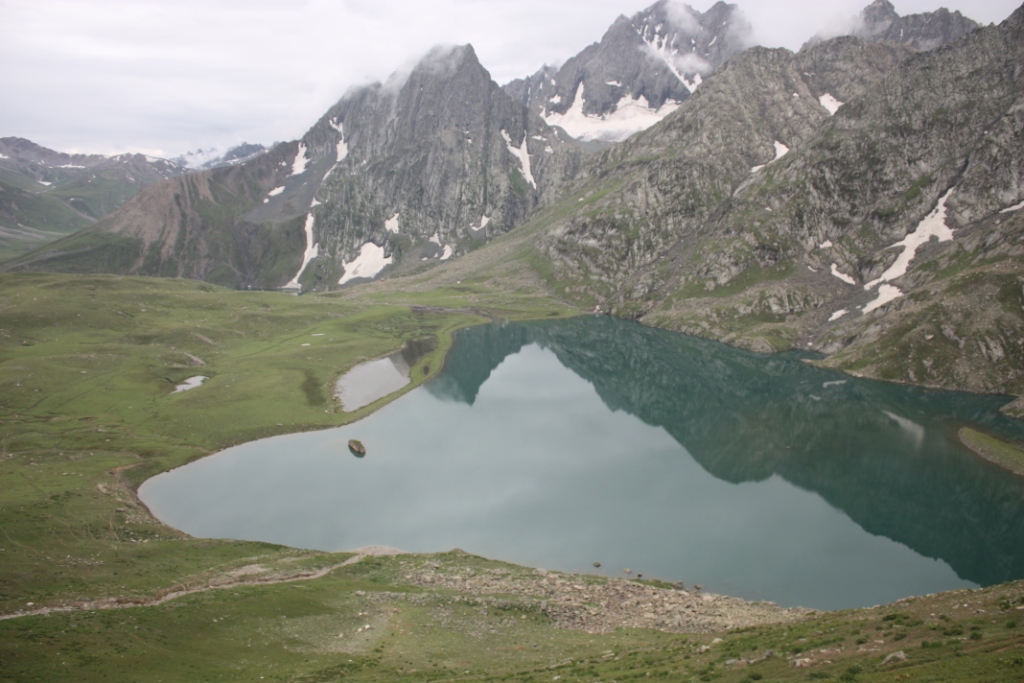
DAILY PHOTO: Watching Cloud Layers from a Mountaintop

Image

Losers, Finders; Nester’s Blinders [Sonnet]

I ventured beyond civilization,
   and (by man's definition) I was lost.
 I knew no near city, state, or nation.
   Who knows what backwoods borders I'd crossed?
 I'd drifted down streams: still and rapid tossed,
   and when boat filled faster than I could bale,
 I took to foot. Onward at any cost!
   I passed over mountains and through their vales,
 and trudged the badlands, unparted by trails.
   But he who's lost is often he who finds,
 and I learned history's forfeit details
   in form of ruins in a sheltered blind. 
 Oh! What novel and beautiful sights
   are had by lost souls in eternal nights!

Where Live the Idyllic Folk? [Sonnet]

In rustic cabins far away from here
there live some happy people of the woods.
With ruddy cheeks, they're exemplars of cheer.
They never visit cities selling goods.
They live on what the forest can render,
and that's not so much, but it is enough.
They tune themselves to nature's vast splendor.
In cold, they don skins, but when hot, go buff.

Or, perhaps, I lie, and no such people
exist in this world or any other.
And woods people fuss on matters, fecal --
just like you, I, and all our grandmothers.

These cheery, simple woods folk must exist,
if only in the mind of this fantasist.

BOOK REVIEW: How to Read the Wilderness by the Nature Study Guild

How to Read the Wilderness: An Illustrated Guide to the Natural Wonders of North AmericaHow to Read the Wilderness: An Illustrated Guide to the Natural Wonders of North America by Nature Study Guild
My rating: 4 of 5 stars

Amazon.in Page

Release Date: November 22, 2022

This illustrated guide is designed to help readers learn some of the most prolific trees, plants, animals, birds, coastal life forms, and night sky constellations of North America. For plant [and in some cases animal] identification, the book uses a handy flowchart method that asks questions, sending the reader to an appropriate marker depending upon the answer. For wildlife identification, it uses descriptions of not only the animal, but skeletal remains, scat, and tracks. It also gives alternate names and asterisms for constellations.

The pros of this book include: 1.) it focuses on the most common elements and doesn’t get bogged down trying to be all-inclusive; 2.) it uses a flow charts, diagrams, and drawings successfully to do much of the heavy lifting.

The downsides of the book are: 1.) it seems be much more Western US-centric, and often treats everything East of the Rockies as a single zone (not to mention minimal discussion of Canada or Mexico – so maybe it should be thought of more as a US guide;) 2.) in trying to be text-minimal, it occasionally states things in a way that lacks clarity.

If you want to get a basic understanding of the elements of nature for the United States, this book is worth investigating. It’s young reader friendly, but not exclusively so.


View all my reviews

BOOK REVIEW: Forest Walking by Peter Wohlleben & Jane Billinghurst

Forest Walking: discovering the trees and woodlands of North AmericaForest Walking: discovering the trees and woodlands of North America by Peter Wohlleben
My rating: 5 of 5 stars

Amazon.in Page

Out: April 26, 2022

Wohlleben’s “The Hidden Life of Trees” was one of those rare books that profoundly changed the way I looked at the world, and so I was eager to read his forthcoming work. This book is at once narrower in focus (i.e. intended to appeal to the North American market, specifically,) but also much much broader (i.e. reflecting upon not just the trees but the other species that reside among them as well as how humans can best get around within the forest.) It might seem strange for Wohlleben (a German forester) to do a book on the North American forests, and I suspect that’s one reason that his one-time translator / editor (Jane Billinghurst) became his co-author. [I don’t know where Billinghurst is from, but she does add many North America-specific vignettes to the book.]

Like “The Hidden Life of Trees” this book is packed with intriguing insights into woodland environments. The twenty-one chapters aren’t explicitly divvied up, but there’s a clear logic to the grouping of chapters. An opening chapter focuses on the importance of having a multi-sensory experience in the woods, and then chapters two through five are concentrated on trees and their various parts.

Chapters six through eight explore species that work on, with, and against trees, with particular focus on fungi and other species that break down and recycle forest material. Chapters nine and ten turn the attention to how to help kids get the most out of their forest experience. The next couple chapters consider how to get the most of seeing the forest at unconventional times, i.e. night and during varied seasons. Then there are a few chapters investigating how to observe other lifeforms of the forest, particularly animals and insects.

Several chapters follow that explore how humans can survive and thrive in wooded ecosystems, including everything from wilderness survival / primitive living skills to dressing to save oneself from ticks and chiggers.

I learned a lot from this book. As I mentioned, it’s full of intriguing little tidbits about the forest.

The opening sentence of the book’s Introduction did mention it being intended as a book one would take into the forest with one, and I would say it’s not that book at all. It’s the kind of book one reads before going out (and probably returns to after coming back) but it’s just not organized in such away to make it worth lugging around (i.e. it’s not like a field guide – set up to allow one to rapidly find what one is interested in on the fly.)

That said, you’ll learn a lot from reading it, and I’d highly recommend it.


View all my reviews

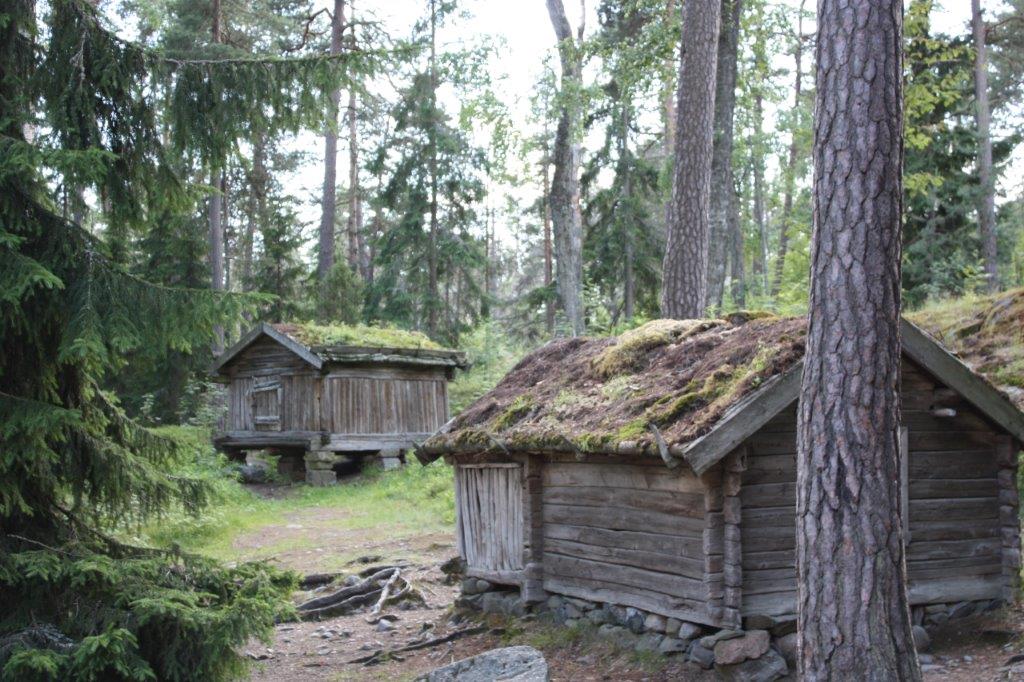
Cabin [Haiku]

cabin in the woods
is grown over and into --
forest digested

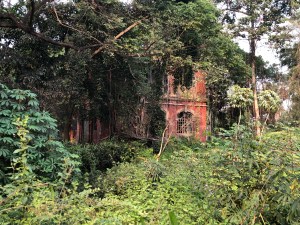
Digesting Civilization [Haiku]

jungle engulfs,
swallows, and digests
once proud buildings