What is your substance, whereof are you made,
  That millions of strange shadows on you tend?
  Since every one hath, every one, one shade,
  And you, but one, can every shadow lend.
 Describe Adonis, and the counterfeit
  Is poorly imitated after you;
  On Helen's cheek all art of beauty set,
  And you in Grecian tires are painted new.
 Speak of the spring and foison of the year:
  The one doth shadow of your beauty show,
  The other as your bounty doth appear;
  And you in every blessèd shape we know.
    In all external grace you have some part,
    But you like none, none you, for constant heart.
Although she feeds me bread of bitterness,
 And sinks into my throat her tiger’s tooth,
 Stealing my breath of life, I will confess
 I love this cultured hell that tests my youth.
Her vigor flows like tides into my blood,
 Giving me strength erect against her hate,
 Her bigness sweeps my being like a flood.
 Yet, as a rebel fronts a king in state,
I stand within her walls with not a shred
 Of terror, malice, not a word of jeer.
 Darkly I gaze into the days ahead,
 And see her might and granite wonders there,
Beneath the touch of Time’s unerring hand,
 Like priceless treasures sinking in the sand.
Look in thy glass and tell the face thou viewst,
 Now is the time that face should form another,
 Whose fresh repair if now thou not renewest,
 Thou dost beguile the world, unbless some mother.
 For where is she so fair whose uneared womb
 Disdains the tillage of thy husbandry?
 Or who is he so fond will be the tomb
 Of his self-love, to stop posterity?
 Thou art thy mother's glass, and she in thee
 Calls back the lovely April of her prime;
 So thou through windows of thine age shalt see,
 Despite of wrinkles, this thy golden time.
   But if thou live rememb'rd not to be,
   Die single, and thine image dies with thee.
Farewell, thou art too dear for my possessing,
 And like enough thou know'st thy estimate.
 The charter of thy worth gives thee releasing:
 My bonds in thee are all determinate.
 For how do I hold thee but by thy granting,
 And for that riches where is my deserving?
 The cause of this fair gift in me is wanting,
 And so my patent back again is swerving.
 Thyself thou gav'st, thy own worth then not knowing,
 Or me, to whom thou gav'st it, else mistaking;
 So thy great gift, upon misprision growing,
 Comes home again, on better judgement making.
   Thus have I had thee as a dream doth flatter:
   In sleep a king, but waking no such matter.
Four Seasons fill the measure of the year;
   There are four seasons in the mind of man:
 He has his lusty Spring, when fancy clear
   Takes in all beauty with an easy span:
 He has his Summer, when luxuriously
   Spring's honied cud of youthful thought
     he loves
 To ruminate, and by such dreaming high
   Is nearest unto heaven: quiet coves
 His soul has in its Autumn, when his wings
   He furleth close; contented so to look
 On mists in idleness -- to let fair things
   Pass by unheeded as a threshold brook.
 He has his Winter too of pale misfeature,
 Or else he would forego his mortal nature.
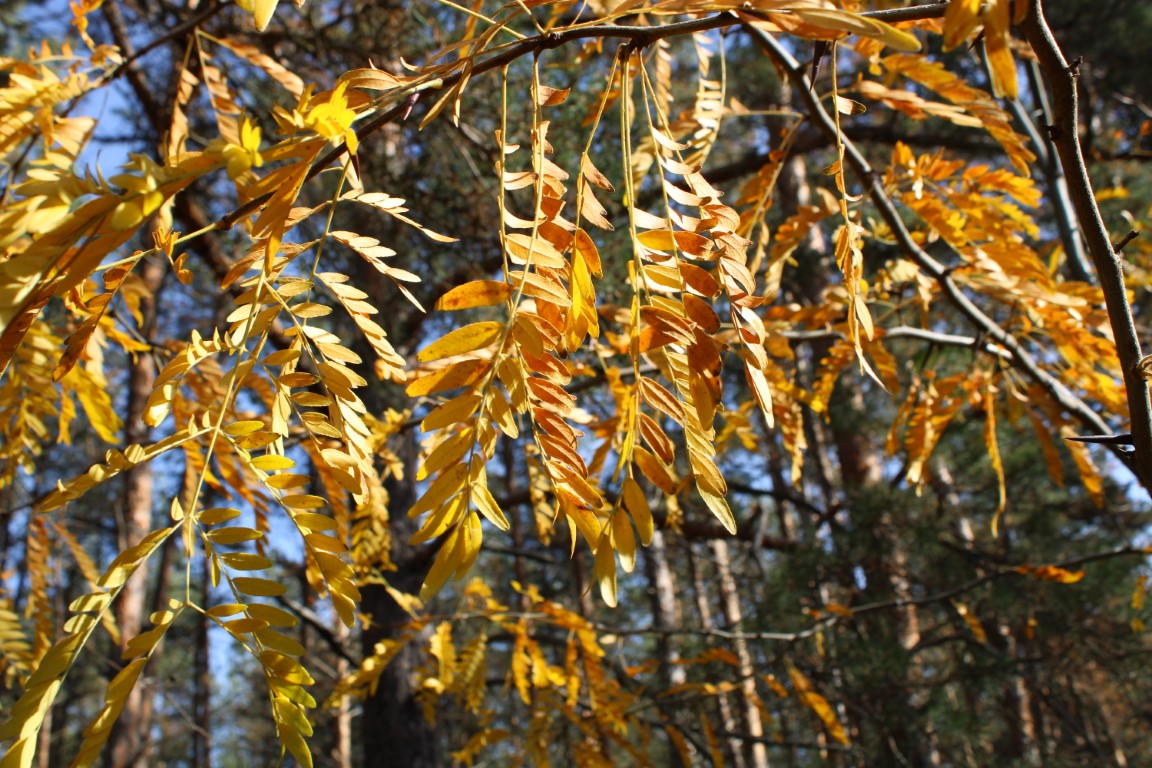
That time of year thou mayest in me behold
  When yellow leaves, or none, or few, do hang
  Upon those boughs which shake against the cold,
  Bare ruined choirs, where late the sweet birds sang.
 In me though seest the twilight of such day
  As after sunset fadeth in the west,
  Which by and by black night doth take away,
  Death's second self, that seals up all in rest.
 In me thou seest the glowing of such fire
  That on the ashes of his youth doth lie,
  As the death-bed whereon it must expire,
  Consumed with that which it was nourished by.
     This thou perceiv'st, which makes thy love more strong,
     To love that well, which thou must leave ere long.
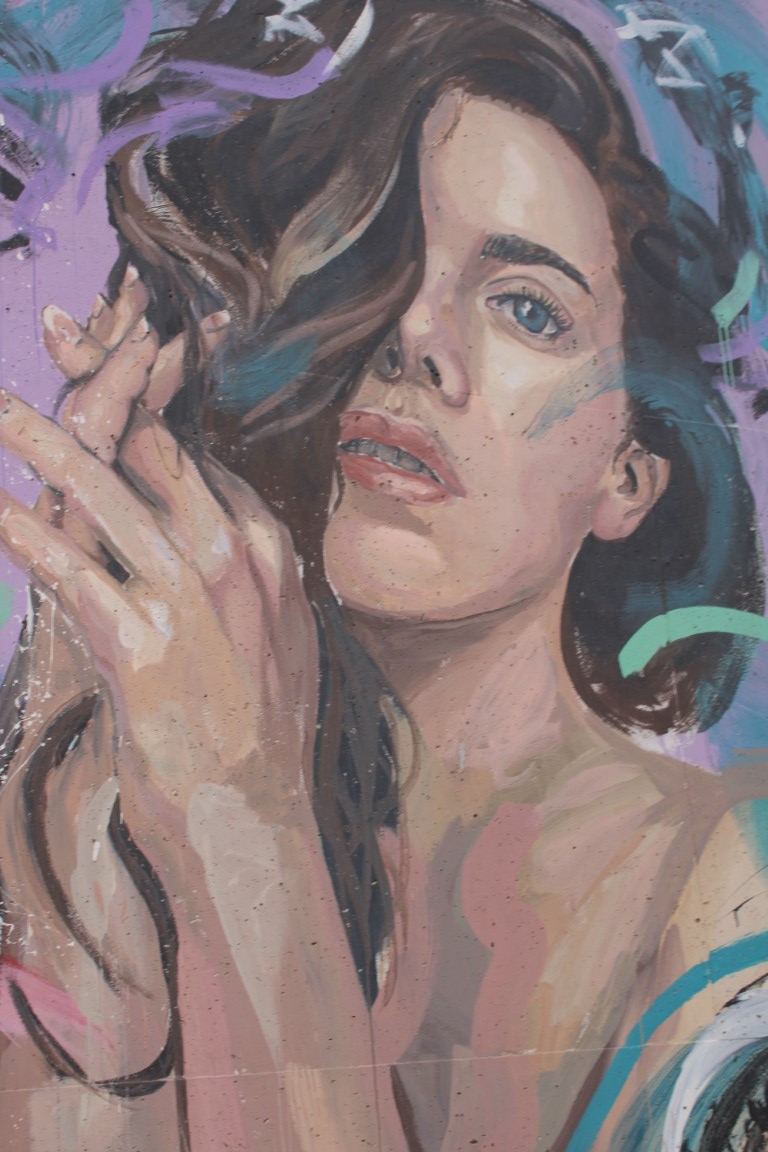
Mine eye hath play'd the painter and hath stell'd
  Thy beauty's form in table of my heart;
  My body is the frame wherein 'tis held,
  And perspective it is best the painter's art.
 For through the painter must you see his skill
  To find where your true image pictur'd lies,
  Which in my bosom's shop is hanging still,
  That hath his windows glazed with thine eyes.
 Now see what good turns eyes for eyes have done:
  Mine eyes have drawn thy shape, and thine for me
  Are windows to my breast, wherethrough the sun
  Delights to peep, to gaze therein on thee.
    Yet eyes this cunning want to grace their art;
    They draw but what they see, know not the heart.
When my love swears that she is made of truth,
 I do believe her, though I know she lies,
 That she might think me some untutored youth,
 Unlearned in the world's false subtleties.
Thus vainly thinking that she thinks me young,
 Although she knows my days are past the best,
 Simply I credit her false-speaking tongue:
 On both sides thus is simple truth suppressed.
But wherefore says she not she is unjust?
 And wherefore say not I that I am old?
 Oh, love's best habit is in seeming trust,
 And age in love loves not to have years told.
   Therefore I lie with her and she with me,
   And in our faults by lies we flattered be.
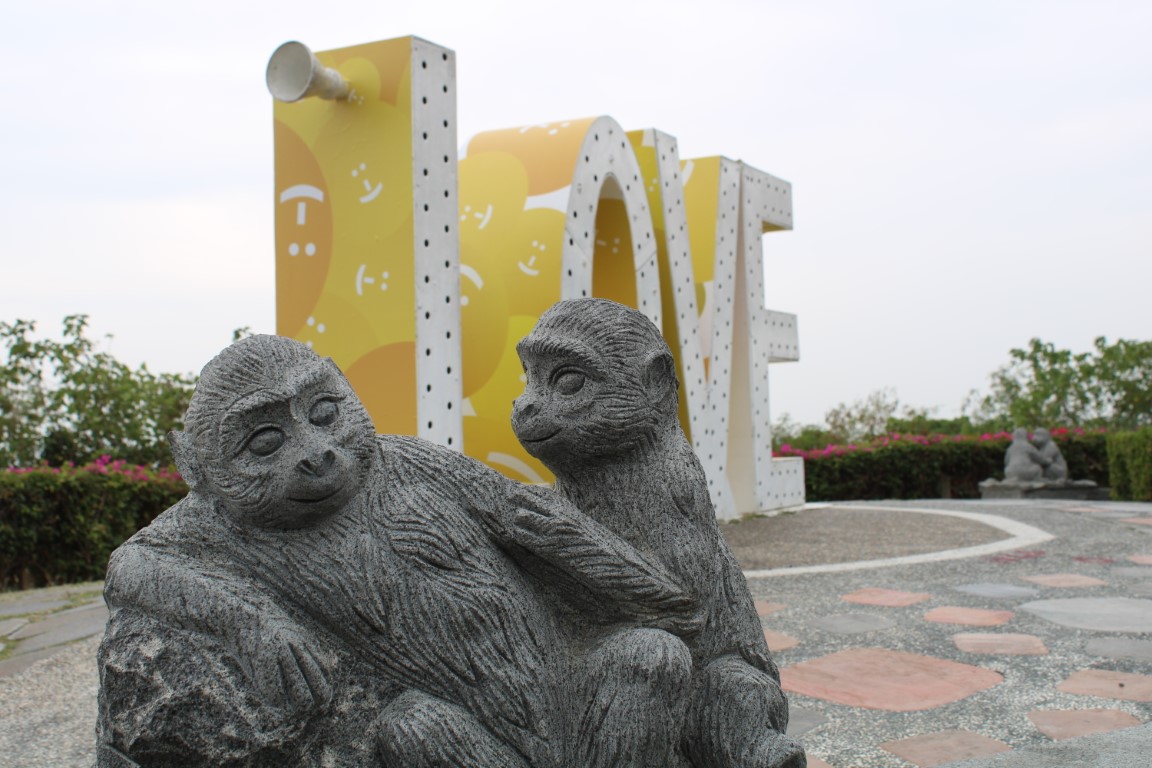
Love is not all: it is not meat nor drink
 Nor slumber nor a roof against the rain;
 Nor yet a floating spar to men that sink
 And rise and sink and rise and sink again;
Love can not fill the thickened lung with breath,
 Nor clean the blood, nor set the fractured bone;
 Yet many a man is making friends with death
 Even as I speak, for lack of love alone.
It well may be that in a difficult hour,
 Pinned down by pain and moaning for release,
 Or nagged by want past resolution's power,
 I might be driven to sell your love for peace,
Or trade the memory of this night for food.
 It well may be. I do not think I would.












 Tiger Riding for Beginners