Bhubaneswar Limerick

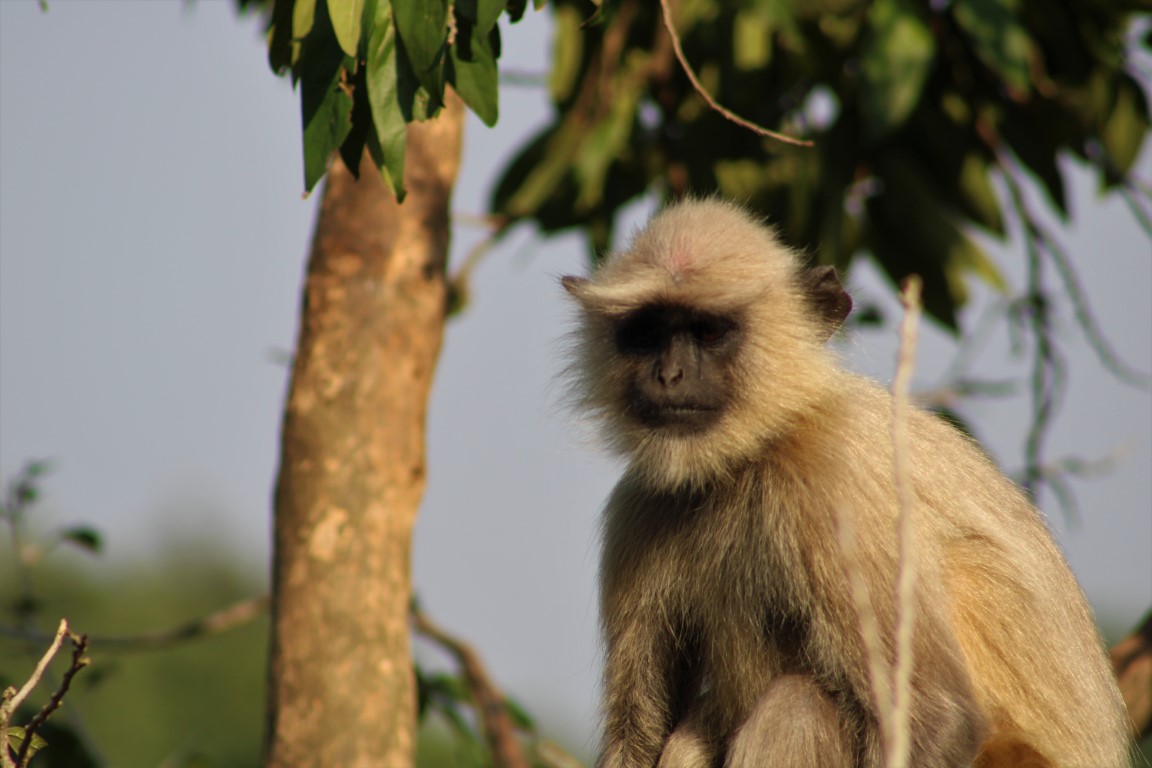
A crafty langur of Bhubaneswar
lived in the trees above the old bazaar.
He'd watch shoppers straggle
and shopkeepers haggle,
then slip in under everyone's radar.

Darjeeling Limerick

There was a tourist in Darjeeling 
whose fingers and toes lost all feeling.
He didn’t remember
it’s cold in December,
and the dearth of heaters left him reeling.

BOOK REVIEW: Bankei Zen by Peter Haskel [trans.] & Yoshito Hakeda [ed.]

Bankei Zen: Translations from the Record of BankeiBankei Zen: Translations from the Record of Bankei by Yoshito Hakeda
My rating: 5 of 5 stars

Amazon.in Page

This collection of sermons, notes, poems, and letters from the Zen monk Bankei present his iconoclastic views on Buddhism. Bankei’s central teaching revolves around a state of mind that calls Unborn Buddha Mind. The Unborn Buddha Mind isn’t defined neatly (perhaps it can’t be,) though Bankei does refer to the capacity to perceive without consciously directing one’s attention – that is, to achieve spontaneous perception of a sensory input without the error that one might experience in thought, when one’s mind is analyzing and judging.

Bankei presented a distinctive countercultural view, both religiously and culturally. In terms of the teachings and philosophy of Zen, this is most clearly seen in his rejection of many of Zen’s primary methods – e.g. koan (Zen “riddles”) and mondo (a conversational Q&A technique.) Even those techniques Bankei doesn’t reject (e.g. Zazen, seated meditation,) he does deemphasize in contrast to a more workaday focus. Culturally, one can see the difference of Bankei’s approach in his rejection of consensus views of the time, such as that women can’t achieve enlightenment.

The book uses stories, straightforward statements, and poetry to convey a unique approach to practice. The book can be a bit dry and repetitive. (Different media – e.g. sermons and letters – discussing the same teachings will lead to repetition.) That said, if you’re interested in Zen and mindfulness, there is much to be learned via this book. There are even a few teachings directed towards martial artists, and how they can apply the lessons of Zen.


View all my reviews

Two Pigeons [Haiku]

two pigeons,
flapping out of synch --
yet in unison

BOOK REVIEW: The Divine Madman by Keith Dowman

The Divine Madman: The Sublime Life and Songs of Drukpa KunleyThe Divine Madman: The Sublime Life and Songs of Drukpa Kunley by Keith Dowman

My rating: 5 of 5 stars

Amazon.in Page

This book offers stories from the life of Drukpa Kunley, along with some interspersed poetry. Kunley was a “mad sage” (a Nyönpa, as Tibetan Buddhists call such individuals) / tantric yogi of the Vajrayana Buddhist tradition who lived during the 15th and 16th centuries in Tibet and Bhutan. Today, his most well-known legacy is the phallic graffiti that is common in Bhutan (encouraging it, not drawing it all himself.) Kunley’s approach was definitely tantric and ran counter to the mainstream. By “tantric” I mean that he did not eschew those activities that mainstream religion seeks to prohibit, but rather saw them as a means to master the mind through mindful practice. So, as the Bhutanese phalluses might suggest, he often comes across as sex-obsessed as well as being a drunkard, but the whole idea of this crazy form of wisdom is to rise above the programming of societal convention, and to be free of all the little niggling value judgements that culture and religion impose on the world in order to see life through a less distorted lens.

I’m not qualified to speak to how well concepts are translated, but the book is readable and thought-provoking, and that’s enough for me. There’s humor throughout, as when Kunley tells the monks of the monastery he’s visiting that he has a friend who is an excellent singer, and then proceeds to bring a goat in to bleat for them. That said, those who are attached to the mainstream religious approach and who place a high value on societal conventions are likely to find much to be offended by in the carefree discussions of sex and the wild statements designed to shock people out of their stupors.

I enjoyed reading this book, found it full of interesting ideas, and would recommend it for anyone interested in the person or philosophy of Drukpa Kunley.

View all my reviews

Sea of Clouds [Haiku]

the plains below
the Himalayan foothills,
a sea of clouds

Lily Moth Caterpillar [Tanka]

plump caterpillar,
grounded on the sidewalk,
hopes that wings
will come around - before
a careless foot does

Monsoon Memorials [Haiku]

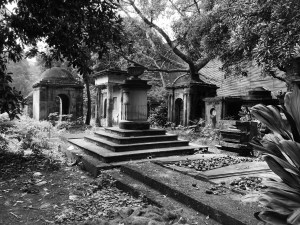
Calcutta monsoons
are unkind to memorials
of past masters

Digesting Civilization [Haiku]

jungle engulfs,
swallows, and digests
once proud buildings