“Success is counted sweetest” (112) by Emily Dickinson [w/ Audio]

Sucess is counted sweetest
By those who ne'er succeed.
To comprehend a nectar
Requires sorest need.

Not one of all the purple Host
Who took the Flag today
Can tell the definition
So clear of victory

As he defeated -- dying --
On whose forbidden ear
The distant strains of triumph
Burst agonized and clear!

“‘Hope’ is the thing with feathers” (254) by Emily Dickinson [w/ Audio]

"Hope" is the thing with feathers --
That perches in the soul --
And sings the tune without the words --
And never stops -- at all --

And sweetest -- in the Gale -- is heard --
And sore must be the storm --
That could abash the little Bird
That kept so many warm --

I've heard it in the chillest land --
And on the strangest Sea --
Yet -- never -- in Extremity,
It asked a crumb -- of me.

“I heard a Fly buzz – when I died” (591) by Emily Dickinson [w/ Audio]

I heard a Fly buzz - when I died -
The Stillness in the Room
Was like the Stillness in the Air -
Between the Heaves of Storm -

The Eyes around - had wrung them dry -
And Breaths were gathering firm
For that last Onset - when the King
Be witnessed - in the Room -

I willed my Keepsakes - Signed away
What portion of me be
Assignable - and then it was
There interposed a Fly -

With Blue - uncertain - stumbling Buzz -
Between the light - and me -
And then the Windows failed - and then
I could not see to see -

“The Hayloft” by Robert Louis Stevenson [w/ Audio]

Through all the pleasant meadow-side
The grass grew shoulder-high,
Till the shining scythes went far and wide
And cut it down to dry.

These green and sweetly smelling crops
They led in wagons home;
And they piled them here in mountain tops
For mountaineers to roam.

Here is Mount Clear, Mount Rusty-Nail,
Mount Eagle and Mount High --
The mice that in these mountains dwell,
No happier are than I!

O what a joy to clamber there,
O what a place for play,
With the sweet, the dim, the dusty air,
The happy hills of hay!

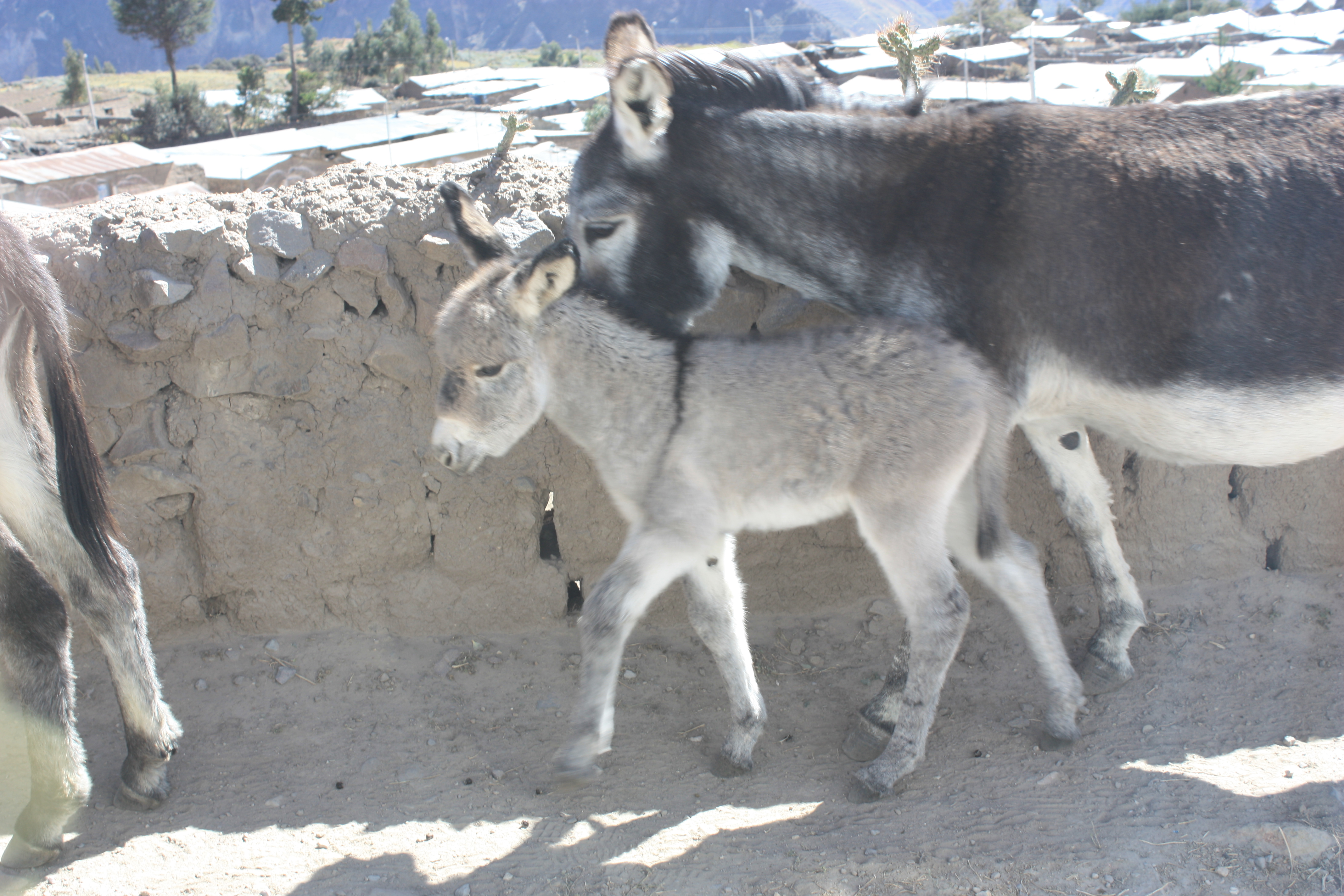
“The Donkey” by G.K. Chesterton [w/ Audio]

When fishes flew and forests walked
And figs grew upon thorn,
Some moment when the moon was blood
Then surely I was born.

With monstrous head and sickening cry
And ears like errant wings,
The devil's walking parody
On all four-footed things.

The tattered outlaw of the earth,
Of ancient crooked will;
Starve, scourge, deride me: I am dumb,
I keep my secret still.

Fools! For I also had my hour;
One far fierce hour and sweet:
There was a shout about my ears,
And palms before my feet.

“First Fig” by Edna St. Vincent Millay [w/ Audio]

My candle burns at both ends;
 It will not last the night;
But ah, my foes, and oh, my friends --
 It gives a lovely light!

“When I Was One-and-Twenty” by A.E. Housman [w/ Audio]

When I was one-and-twenty
 I heard a wise man say,
"Give crowns and pounds and guineas
 but not your heart away;
Give pearls away and rubies
 but keep your fancy free."
But I was one-and-twenty,
 No use to talk to me.

When I was one-and-twenty
 I heard him say again,
"The heart out of the bosom
 Was never given in vain;
'Tis paid with sighs a plenty
 And sold for endless rue."
And I am two-and-twenty,
 And oh, 'tis true, 'tis true.

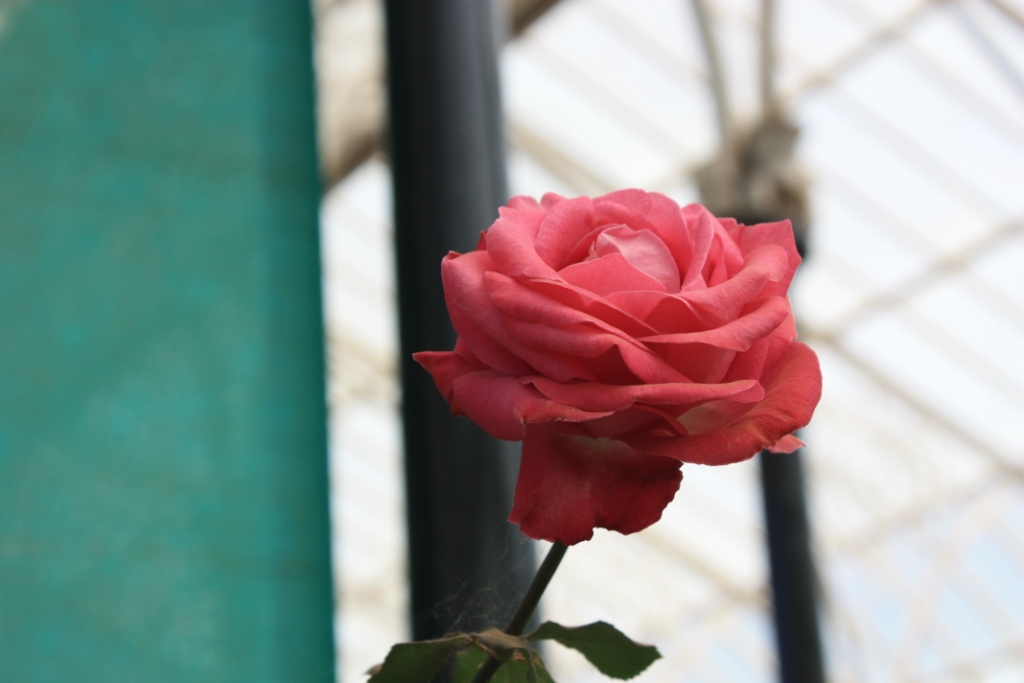
“A Red, Red Rose” by Robert Burns [w/ Audio]

O my Luve is like a red, red rose
 That's newly sprung in June;
O my Luve is like the melody
 That's sweetly played in tune.

So fair art thou, my bonnie lass,
 So deep in luve am I;
And I will luve thee still, my dear,
 Till a' the seas gang dry.

Till a' the seas gang dry, my dear,
 And the rocks melt wi' the sun;
I will luve thee still, my dear,
 While the sand o' life shall run.

And fare thee weel, my only Luve!
 And fare thee weel awhile!
And I will come again, my Luve,
 Though it were ten thousand mile.

“So We’ll Go No More a Roving” by Lord Byron [w/ Audio]

So, we'll go no more a roving
 So late into the night,
Though the heart be still as loving,
  And the moon be still as bright.

For the sword outwears its sheath,
 And the soul wears out the breast,
And the heart must pause to breathe,
  And love itself have rest.

Though the night was made for loving,
 And the day returns too soon,
Yet we'll go no more a roving
  By the light of the moon.

Dancing Through the Graveyard [Common Meter]

When you're dancing through the graveyard
you'll get some angry stares.
They'll call you "disrespectful cad"
for failing to show care.

To be carefree won't offend ghosts;
they'll wish they'd done the same.
But mourners act as if, for Death,
you are the one to blame.

Why should one hold the dance within,
when it longs to be out?
Why should expressing such pure glee
be cause to point and shout?