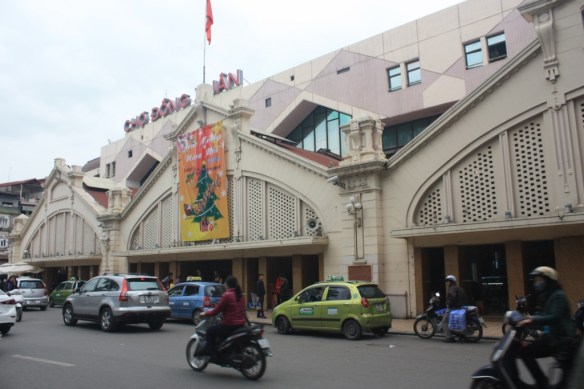
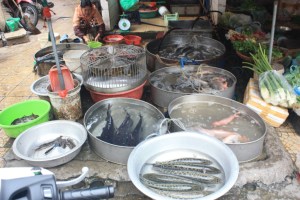
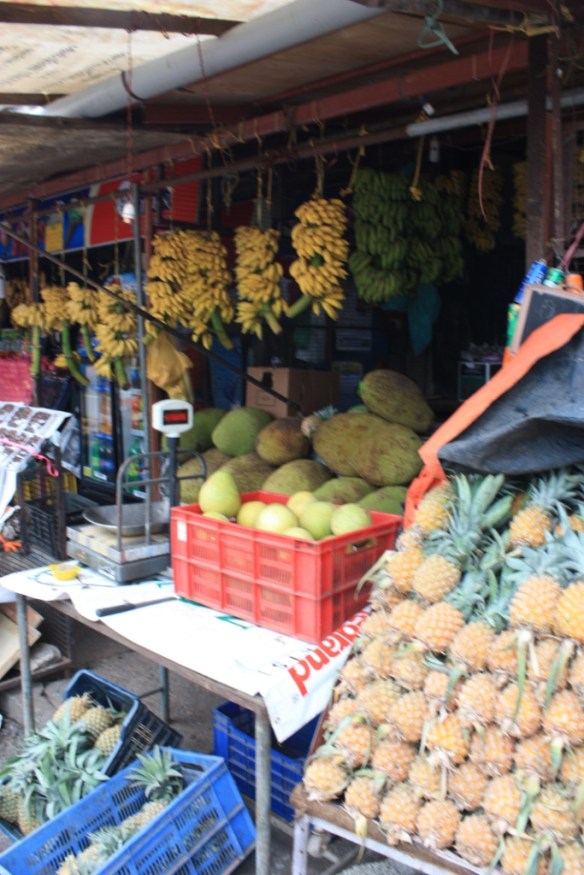
Taken in December of 2015 at Đồng Xuân Market in Hanoi



 The World’s Best Street Food: Where to find it and how to make it by Lonely Planet
My rating: 4 of 5 stars
This is a combination guide to street food and cookbook. Each of the 100 entries consists of two pages. The first describes the food, how it’s eaten [that’s not always as self-evident to outsiders as one might think], its origins, where one can find a quintessential or famous example of the food, and whether there are any variants on the recipe. The second page is the cookbook entry, which lists the ingredients and describes the process by which they are combined to create the dish in question.
The foods are divided into broad categories of savory and sweet. The savory category is the larger by far, comprising 80 of the dishes—leaving 20 sweets. The dishes represent about 50 different countries of origin. A lot of these countries are well-known street food cultures such as Thailand, Vietnam, India, Mexico, and the US, but there are also a number of locales with which readers may be less familiar– such as Ghana, Malta, and French Polynesia. The dishes include a number of my favorites, such as Vietnamese Banh Mi, US Breakfast Burrito, Indian Masala Dosa, Thai Pad Thai, Hungarian Langos, and Singaporean Hainanese Chicken Rice. However, I also learned of new dishes that I’m eager to try, such as Croatian Cevapcici, Burmese Mohinga, and Chilean Sopaipilla.
WARNING: While I didn’t deduct stars for it, I will warn readers that this isn’t a good book to get as an e-book—at least unless you have a high-end tablet. It was a bit of a pain to read on my Kindle Touch, and the graphics (which I assume are beautiful in the print edition) were largely useless on my device. One could blow up the text easily enough (within limits, at least,) but the pages got grainy if one blew them up too much—and some of the text remained small when expanded.
There are photos. As I mentioned, on my device they were largely useless (grainy black-and-white) but your results may vary.
I found this book to be interesting and informative. While I wish the e-book had been easier to read, it was well-organized and offered a broad selection of dishes from a large number of countries.
I’d recommend this book for street food lovers and foodies.
 Nutrition: A Very Short Introduction by David Bender
My rating: 4 of 5 stars
Do you want to know what percentage of your diet should be carbohydrates because your personal trainer is telling you it’s zero? Do you know whether you need vitamin B12 supplements? How much energy does your huge human brain use? What the hell is Kwashiorkor? If these types of questions are of interest to you, you might be interested in this book.
There’s nothing particularly fancy or exciting about this book, but it’s still a useful book for a couple of reasons. First, it sticks to the science on the subject, and diet and nutrition is one of the most myth and disinformation riddled subjects around because there are so many people trying to shill their fad diets and because there are so many who desperately want to believe that they can cut pounds and still eat a case of Twinkies every week through some scientific loophole [psst, you can’t.] Here and there throughout this book, there are quick deconstructions of these myths and lies. (i.e. I should point out that some of this dietary “wisdom” will result in weight loss—but it won’t necessarily result in a net health gain. e.g. If you cut out carbs, you’ll lose weight—but your brain will also be starved of the glucose that it needs to conduct its business and will have to engage in slow and costly processes to get it from elsewhere.) Second, the book is short and to the point. If you don’t have a lot of time to devote to reading up on nutrition, this may be the book for you.
The book consists of eight chapters:
Chapter 1: Why eat? (deals with appetite and satiety, and not just the less-than-profound question of why a human body needs energy.)
Chapter 2: Energy Nutrition (gives the basics of food as an energy source—as opposed to food as building blocks.)
Chapter 3: Protein Nutrition (teaches one about food as building blocks.)
Chapter 4: Over-nutrition and Problems of Overweight and Obesity (addresses the causes of being overweight as well as explaining how to counteract those causes. One nice feature of this chapter is it gives a quick and dirty summation of the various types of diets, tells which are supported by science, and explains which have undesirable unintended consequences.)
Chapter 5: Diet and Health (explains many of the ways nutrition influences health. Contrary to popular belief, weight isn’t the only way [or, necessarily, the most critical way] in which dietary problems can adversely affect health. In other words, it’s possible to be stocky or curvy and in good overall health, or, alternatively, one can be svelte and running up on death’s door. This chapter also describes first-world ailments that are sometimes called diseases of affluence.)
Chapter 6: Under-nutrition (Marasmus, cachexia, and kwashiorkor. Don’t know what those words mean? Think they are towns in a sword and sorcery fantasy novel? You’ll know after finishing this chapter.)
Chapter 7: Vitamins and Minerals (Most of the dietary suggestions in the book up to this point are put in terms of macro-nutrients [i.e. carbohydrates, fats, and proteins], but this chapter focuses on micro-nutrients. There’s a reason micro-nutrients are addressed so late in the book, and that’s that most people who are getting sufficient macro-nutrients from actual food [as opposed to the “stuff” sold at McDonald’s or in convenience stores] get all they need of micro-nutrients. But there can be issues with micro-nutrients such as iron, calcium, vitamin D, and Vitamin B12 depending upon one’s unique life situation. In other words, unless your doctor tells you that you need a supplement, you probably don’t.)
Chapter 8: Functional Foods, Super Foods, and Supplements (Probiotics, prebiotics, synbiotics, super foods, and supplements. One area that gets short shrift in this book is the importance of one’s gut bacteria—which has become a huge part of the discussion of late. There is a little mention of it in this chapter, but not much.)
There are few graphics in the book, but there are many tables. I didn’t feel anything was missing in terms of graphics. None of these “Very Short Introduction” guides offers much by way of bibliography, and the “Further Reading” section tends to favor textbooks over popular works. This book is no exception in either regard.
I’d recommend this book for anybody who wants a quick low-down on the science of nutrition. As mentioned, the one area I thought it might have delved into in greater depth was the role of gut microbes. However, overall, I think it was well-organized and provided interesting food for thought (pun recognized, but not intended.)
Tourists go to Amritsar for two reasons:
1.) The Harmandir Sahib (i.e. the Golden Temple) and adjacent Sikh sites (e.g. Gurudwara Baba Atal Sahib)
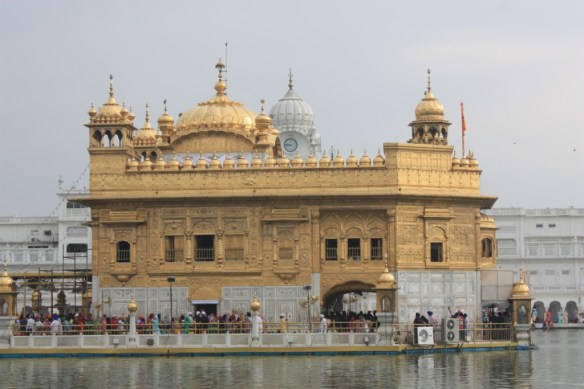
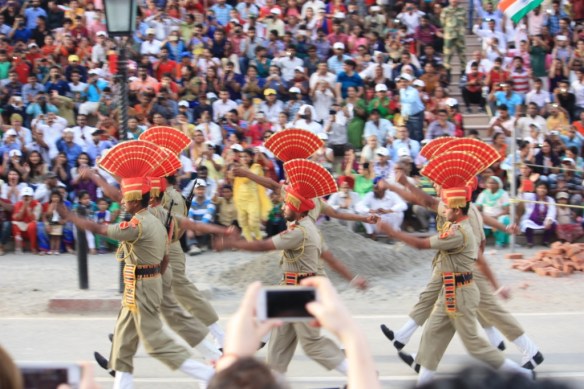
2.) As a jumping off point for the Wagah Border Crossing Retreat Ceremony:
It’s quite possible that your guidebook doesn’t mention anything beyond those two, but if it does it’s probably the Jallianwala Bagh, which is a small park that serves as a memorial to a massacre conducted by a British military unit against peaceful protesters in 1919.

It can be hard to justify a trip to a city in which all the sights can be packed into a day-trip when it’ll cost either a lot in time or airfare to get there. So the obvious question is whether there’s anything else worth seeing?
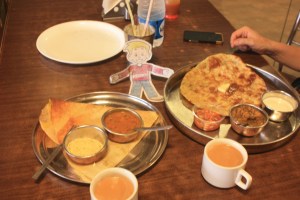
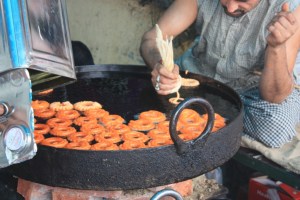
The next item on most people’s agenda tends to be the awesome food of Amritsar. And one definitely doesn’t want to miss out on the Punjabi Dhabas, food stalls, or taking a meal at the Golden Temple’s Langar Hall.
The next most important stop is the park in the southeast corner of the intersection of Mall Rd. and M.M. Malviya Rd. Much of what this area has to offer is more kitsch than photogenic, but the centerpiece is the Maharaja Rangit Singh Museum, which is small but genuinely impressive–including the well-maintained flower garden on the way in.
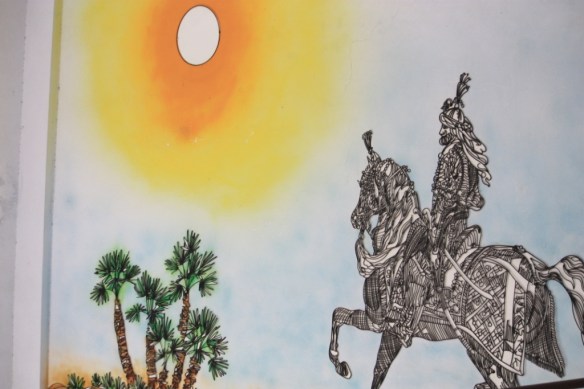
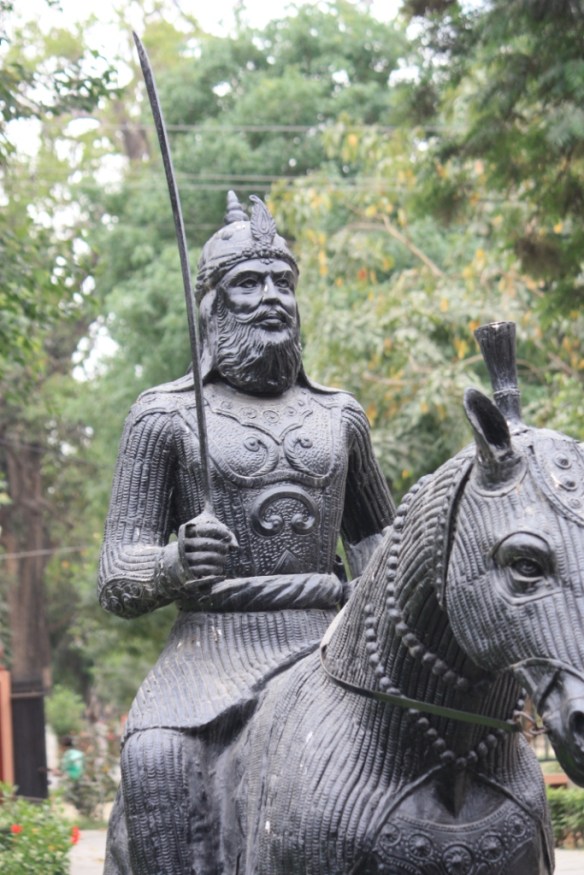
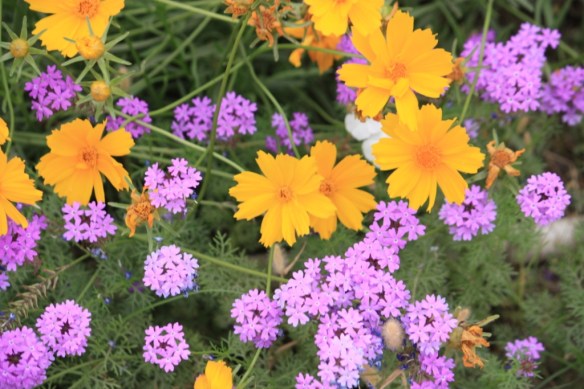
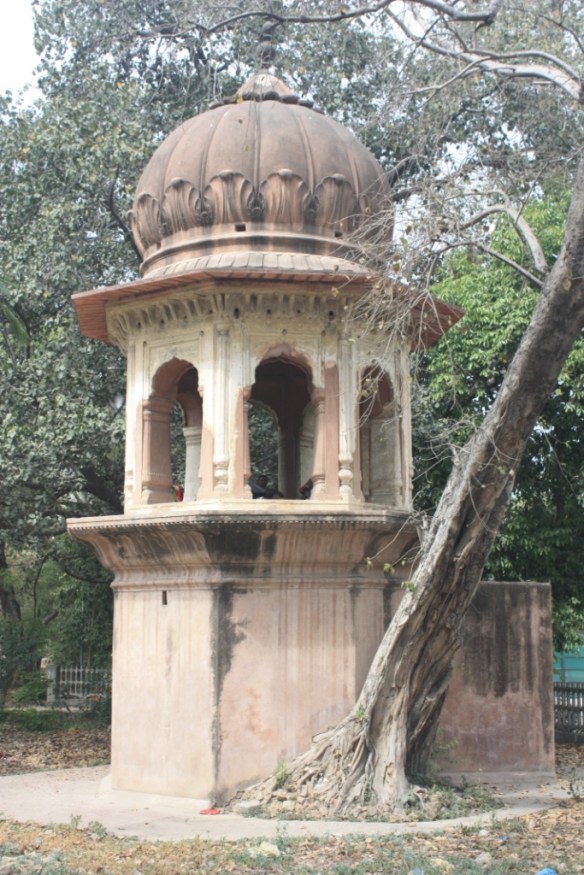
Near the museum there are some restorations of structures that were around when this was the location of the Maharaja’s summer palace. (The Palace itself was neither open nor restored at the time of our visit in the fall of 2015, but there were some smaller structures that were worth seeing.) The gate to the south of the park is the most well-restored/maintained of these structures.
Now, the kitsch stuff isn’t without its virtue for amusement purposes at least, and you’ll see it as you walk around the area. The zoo of plastic animals is the best example.

Although you might just be surprised to find some interesting real creatures.
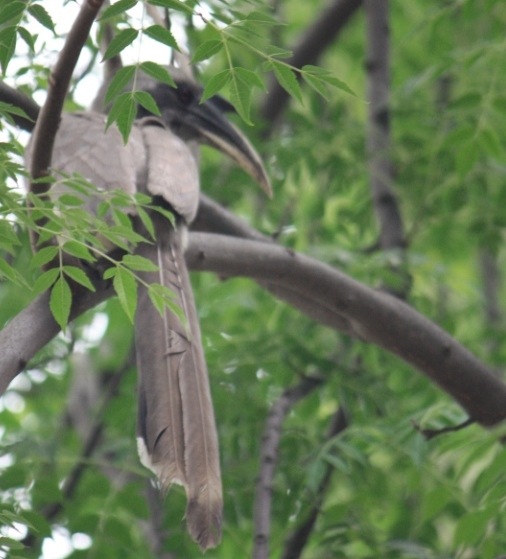
There are also a few other sights like Gobindgarh Fort (it’s restoration and opening was in limbo at the time of our visit, and apparently remains so) and a few temples if you’re not templed-out. The City Hall is presently in decay, but looks like restoration was underway and it may one day be noteworthy.

There are quite a few bazaars as well. I’d lean toward the narrow corridors near the temple as opposed to Lawrence Rd, which is more modern but is unimpressive.
You can always take the time to get some work done while you’re in town. For example, there is readily available curbside dentistry.
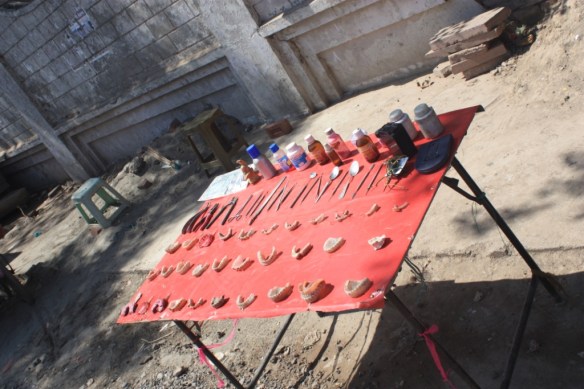
But seriously, I enjoyed Amritsar and found it to be well worth the visit–even though it’s not particularly close / convenient to much else and it has limited attractions. Like Varanasi, Amritsar has its own unique feel that set it apart from India in general. While Varanasi was steeped in Hindu culture, I suspect Amritsar’s uniqueness has to do with the fact that the population is largely Sikh and, therefore, the people and culture are distinctive.
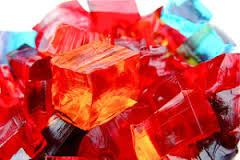
Hello, Jello, my wiggly friend
It’s time you meet your fateful end
Perhaps, someday you will come back
But, having been through my digestive tract,
No one will ever love you like I did
[At least, let’s hope–heaven forbid]

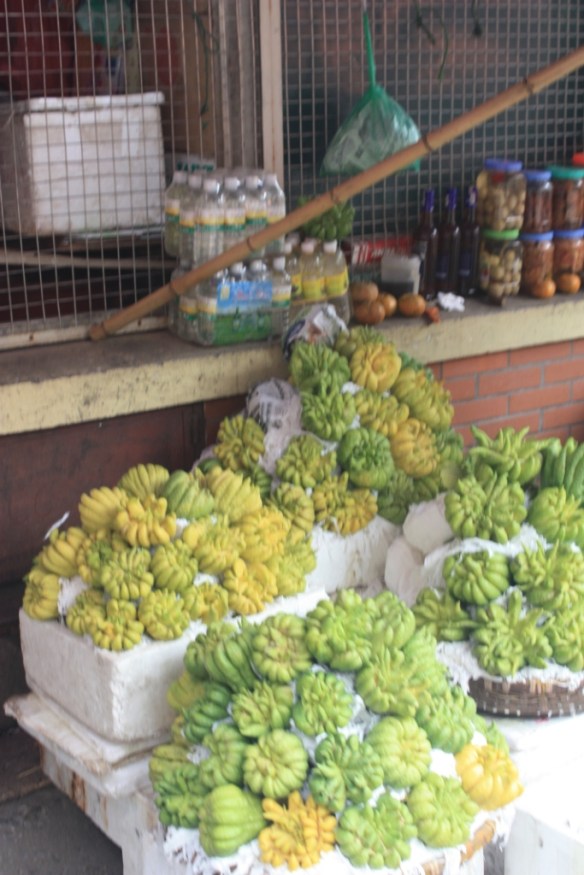
Taken in Hanoi in December of 2015
I know I’ve given you a somewhat blurry photo, but it wouldn’t be the championship edition of NAME THAT FRUIT! otherwise.

Taken in November of 2015 in Mumbai
This row of street food stalls is located across the street from Flora Fountain in Mumbai. They don’t all sell Vada Pav, but the most popular one does. (Alternative spellings: wada pav, vada paav, or vada pao)
FYI: Vada Pav is a delicious deep-fried, spiced potato ball served as a sandwich on a fluffy dinner roll style bun. It’s a Maharashtra specialty. There’s a video below if you’d like to see how they’re made or to make your own.








 Tiger Riding for Beginners