There was a time in Europe long ago,
When no man died for freedom anywhere,
But England's lion leaping from its lair
Laid hands on the oppressor! it was so
While England could a great Republic show.
Witness the men of Piedmont, chiefest care
Of Cromwell, when with impotent despair
The Pontiff in his painted portico
Trembled before our stern embassadors.
How comes it then that from such high estate
We have thus fallen, save that Luxury
With barren merchandise piles up the gate
Where nobler thoughts and deeds should enter by:
Else might we still be Milton's heritors.
Tag Archives: colonial
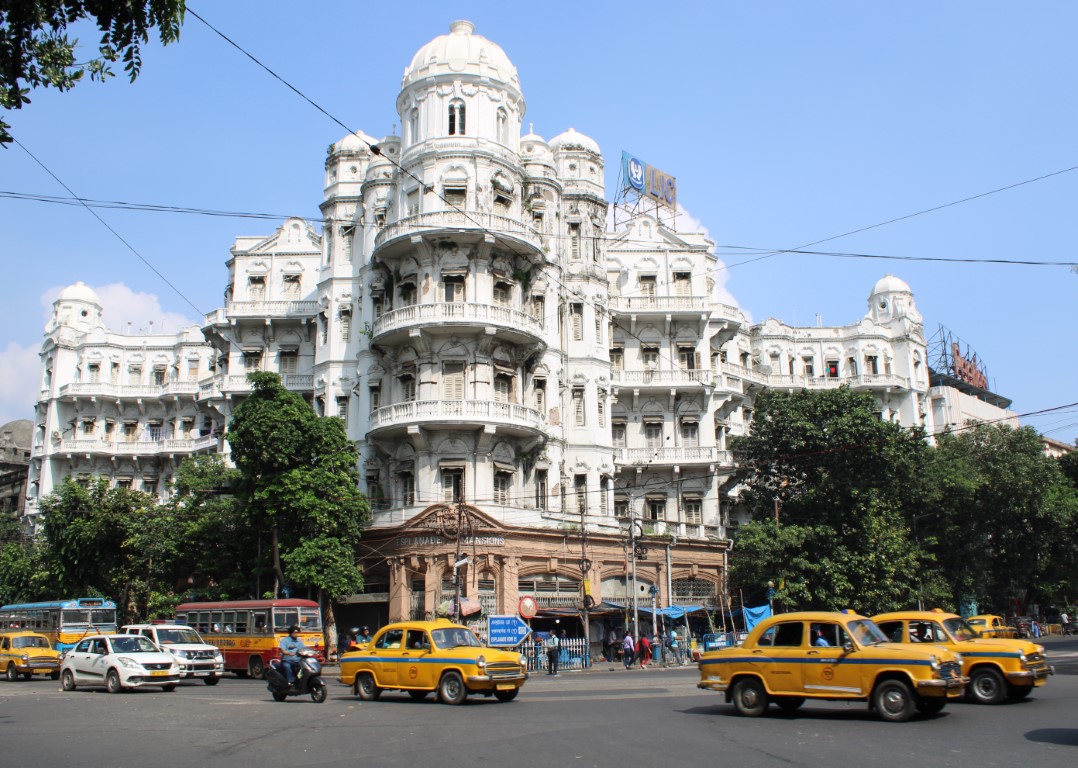
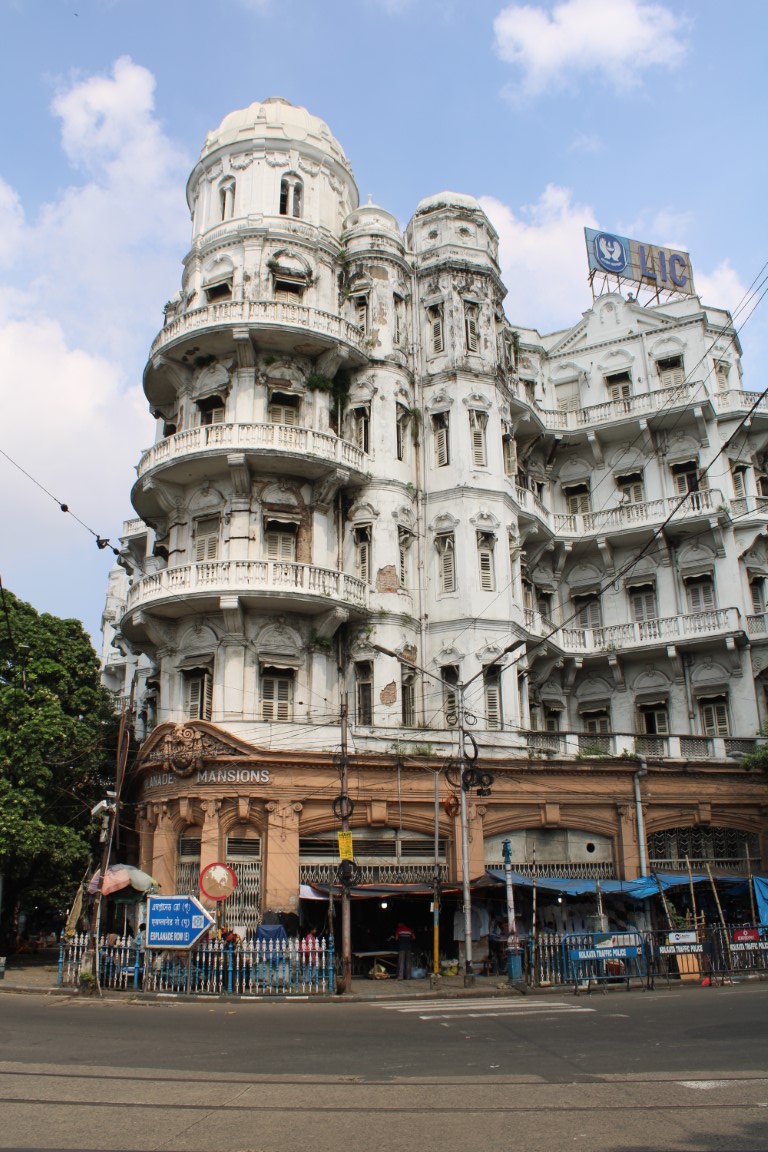
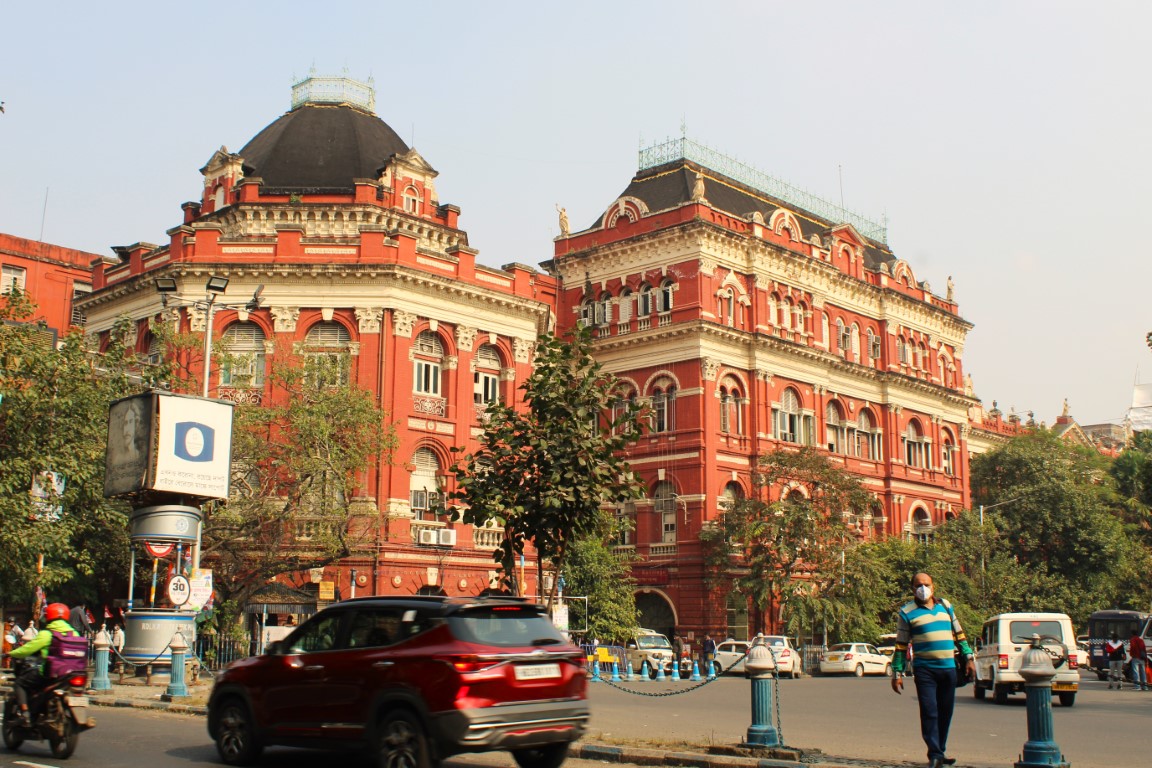
DAILY PHOTO: Esplanade Mansions, Kolkata
BOOK REVIEW: Goa Travels ed. by Manohar Shetty
Goa Travels: Being the Accounts of Travellers from the 16th to the 21st Century by Manohar ShettyMy rating: 5 of 5 stars
Amazon.in Page
I picked up this book because I’m now planning a trip to Goa — only my second trip to India’s smallest state and my first to the north beach area for which it has become such a popular destination in recent decades. It’s always good to get a literary feel for a place, perhaps receiving some insights one might otherwise miss. In a way, this is the perfect book for that purpose in that it offers outsider views of Goa across time. [In another way, it’s admittedly a skewed view.]
This book gathers written excerpts from travelers to Goa. It’s divided into three parts. The first part mostly covers the sixteenth and seventeenth centuries, back when Goa was a Portuguese colony. This is the largest section and includes twenty-one pieces by priests, sailors, merchants, and adventurers. This section shows a preoccupation with a few features of Goan culture that seized travelers’ attention. One of these was the terrifying practice of sati, in which a widow would throw herself on her deceased husband’s funeral pyre and be burned alive. Another was the obsessively guarded way wives were treated, generally barred from doing anything in public or with those who weren’t blood relatives.
The second section, also the shortest, features one piece on the Goan Inquisition, which was an extension of the Portuguese Inquisition and one of the major examples of horrifying behavior by the Roman Catholic church. While it’s alarming and gruesome to read about, it’s nonetheless fascinating.
The final section is about the modern era, which – for the purposes of this book – runs from about the 1950’s (after India gained independence from Britain, but while Goa was still a Portuguese colony,) through its days on the Hippie Trail, and on to more-or-less the present. I knew about Goa as a hippie hangout during that countercultural revolution, but I was less aware of what went on between Indian independence and Goa’s independence from Portugal. Among the seven pieces in this section, one also gets a feel for the challenges of having an intensely culturally conservative population packed into India’s smallest state with what is probably South Asia’s biggest party destination.
I learned a lot of fascinating facts from reading this book. It may be a bit sensationalist in some places and vaguely racist in others, but it’s not boring.
View all my reviews
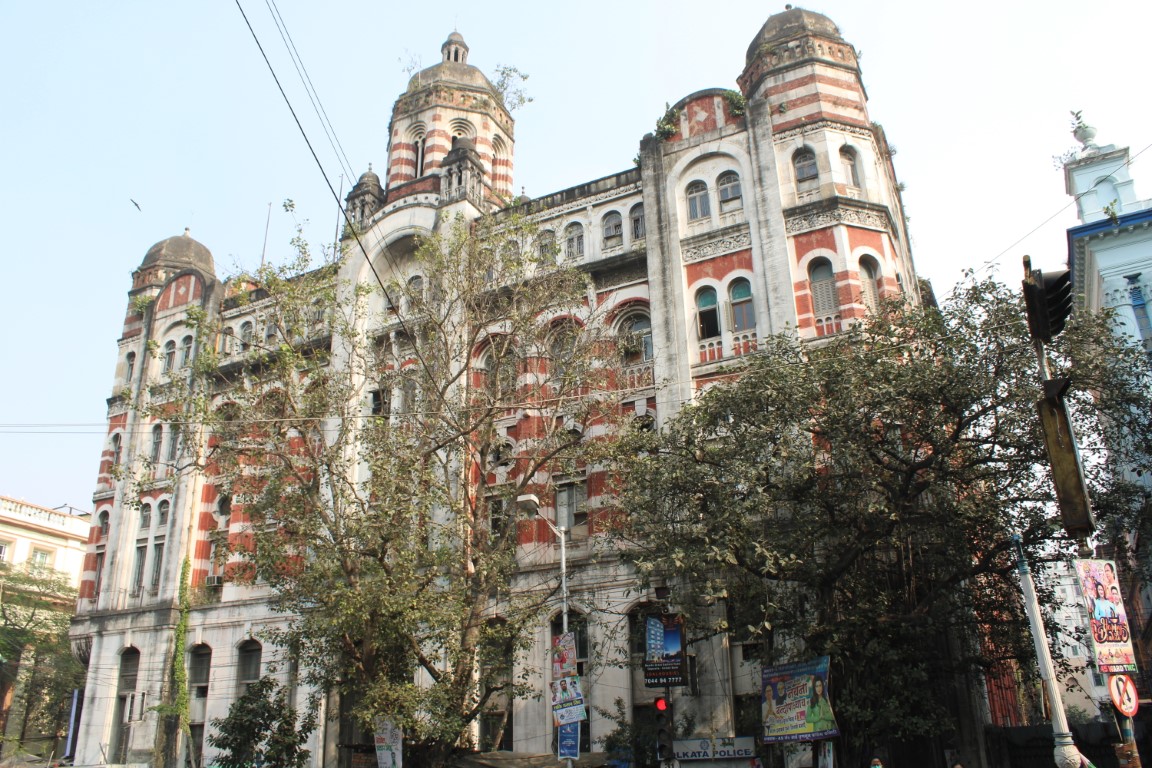
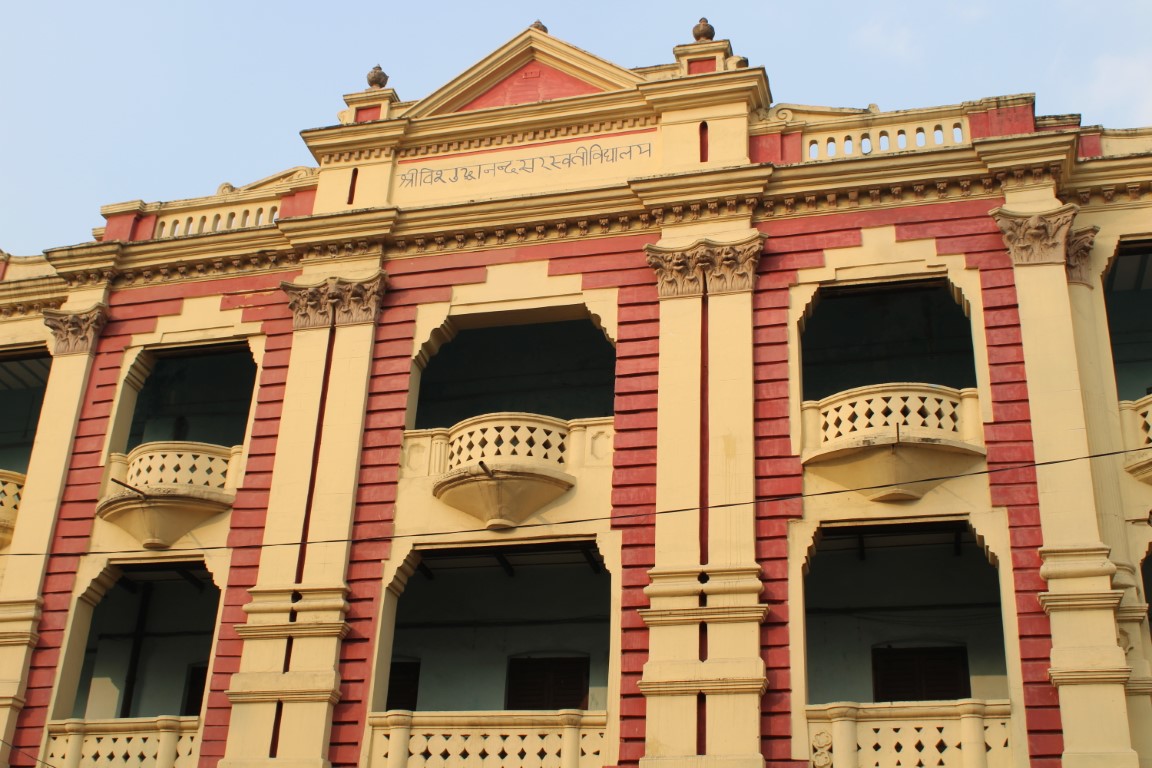
DAILY PHOTO: Kolkata Colonial Architecture
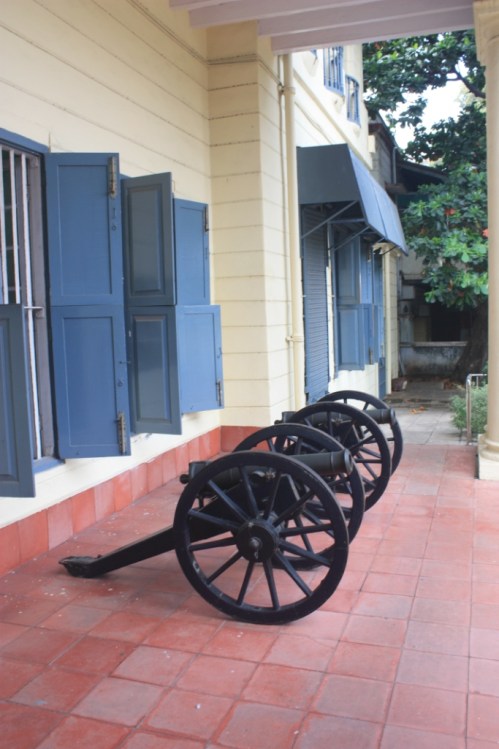
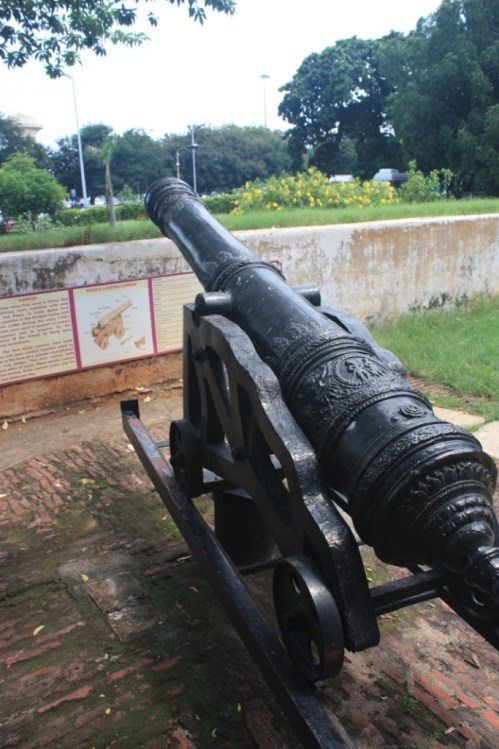
DAILY PHOTO: Cannons on the Veranda
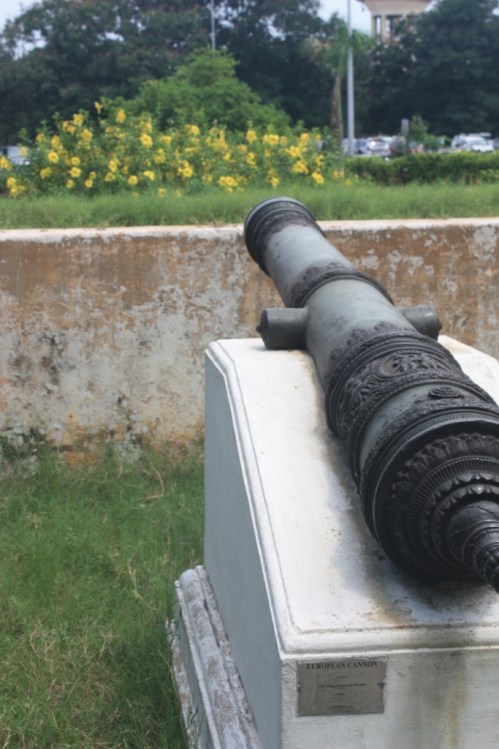
Fort St. George in Chennai has a small but impressive museum that houses artifacts from Chennai’s colonial period. The museum has artifacts in a range of categories including: arms, coins, porcelain, oil paintings, medals, and textiles. While photography is prohibited inside, there are a number of cannons outside–including some ornamental ones.
BOOK REVIEW: Burmese Days by George Orwell
Burmese Days by George Orwell
My rating: 5 of 5 stars
Orwell’s novel is about the ugly face of empire. It takes place in a Burma that was administered by the British as part of their Indian colony—but it’s in the waning days of the Empire, much to the chagrin of the entitled and chauvinistic European characters of the book. Most of the characters are shockingly racist and life abroad hasn’t broadened their thinking in any discernible way. The notable exception is the lead character, John Flory, whose best friend is Dr. Veraswami (an Indian medical doctor and government official) and who is unique among the British for being able to see the native ways as anything other than primitive and preposterous.
However, the hero is deeply flawed. Flory is a coward, and in the early pages of the novel is unwilling to support the nomination of his good friend Dr. Veraswami for membership to the expat’s club because many of its more vociferous members will be damned before they admit a brown person. Flory is also a bit morally loose for the taste of his early post-Victorian comrades. He has a birthmark that he’s constantly trying to conceal, and whose presence we are led to believe is crucial to his lack of confidence. While the main intrigue is provided by a plot by an unsavory Burmese official named U Po Kyin to undermine Dr. Veraswami and bolster his own stock among the whites, it’s Flory’s story that we are following. The reader hopes that Flory will develop the confidence needed to rise to the occasion—he being the only likable person in the cast (except perhaps Dr. Veraswami, depending upon how put off one is by the Indian doctor’s borderline Uncle Tom-ish obsequiousness.) Flory’s relationship with a young woman plays an important role in his story and sometimes it seems she may spur him to heights while at other times she looks to be his downfall. Flory’s conundrum is that the more virtuously he behaves, the more a target is painted on his back.
While the book is set almost a century ago, I found that it has something to say today. While the times have changed and the Empire is long dead, there are times that the long shadow of this period can still be seen in the current era.
I’d recommend this book for readers of historical fiction and particularly those interested in the past and present of areas under colonial rule. Orwell builds interesting (if often despicable) characters and the book has a well-developed and interesting narrative arc.
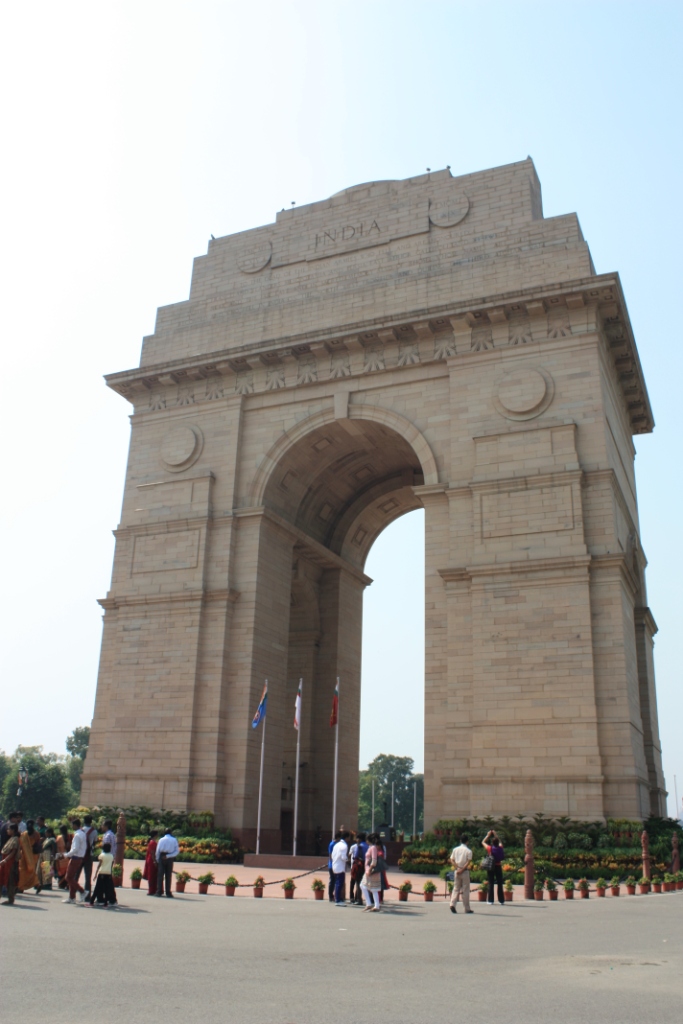
DAILY PHOTO: India Gate
The India Gate honors 70,000 Indians who died during World War I fighting on behalf of the United Kingdom. Beneath the arch is India’s Tomb of the Unknown Soldier.
It’s India’s answer to the Arc de Triomphe, and it sits at the opposite end of the Rajpath from the President’s house, i.e. the Rashtrapati Bhavan. Like the President’s house, the Gate was designed by Edwin Lutyens, a famous British architect.
The India Gate is among the must-see sights for visitors to New Delhi.