Spring rains spur roadside flower growth,
   and wildflowers creep to the mountain's base.
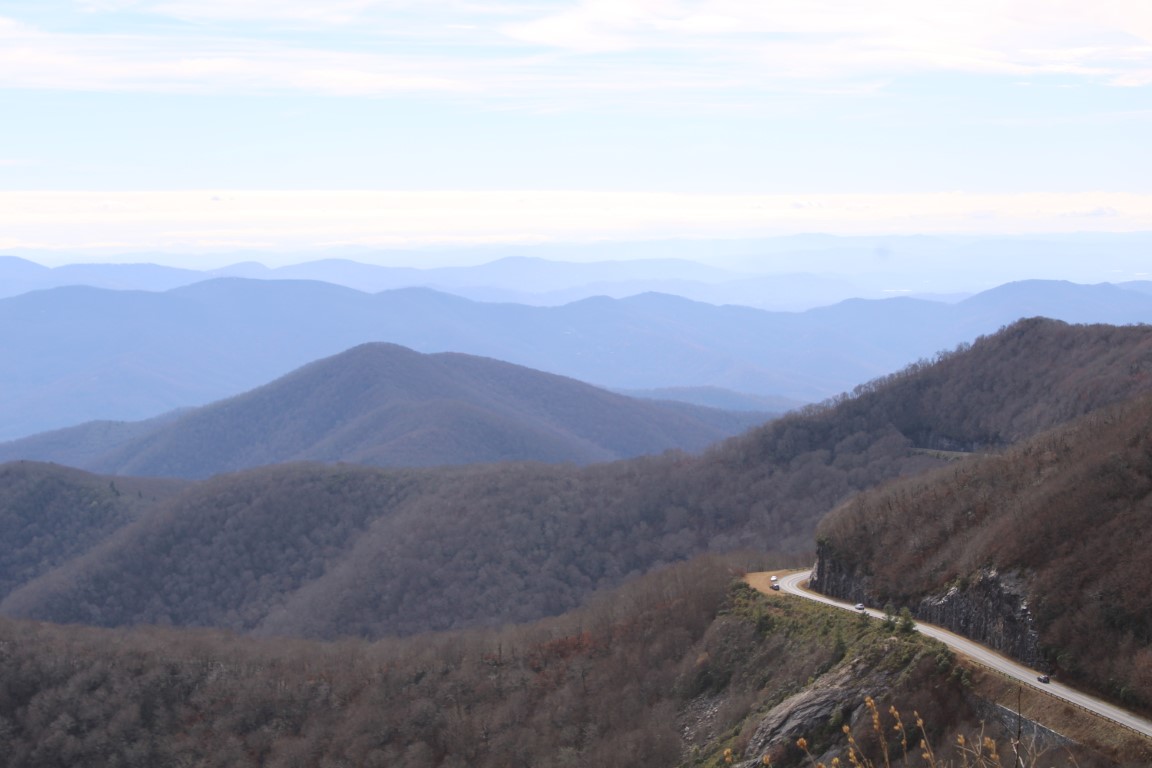
 Hiking deep up the valley along the stream,
   I see and hear hundreds of orioles.
Looking skyward, a cloud becomes a dragon or snake,
   But then breaks up, giving way to blue sky.
 Lying in the forest under hanging vines,
    I can't tell north from south.
Walk with a mind that's clear and unburdened,
   With life force that flares -n- flows like rainbows,
 Traversing the witch's gorge through the mountains --
   Among the floating clouds and blowing winds.
 Drink up the spiritual; dine on the real;
   Let them ever build up in your body.
 Emulate the health and might of the gods,
   Preserve your energy through harmony.
 Be one with Heaven, be one with the Earth.
   See in yourself divine transformations.
 Know all this to the utmost -- be all this,
 And hold on to it 'til the bitter end.
NOTE: The late Tang Dynasty poet, Sikong Tu (a.k.a. Ssŭ-k‘ung T‘u,) wrote an ars poetica entitled Twenty-Four Styles of Poetry. It presents twenty-four poems that are each in a different tone, reflecting varied concepts from Taoist philosophy and aesthetics. Above is a translation of the eighth of the twenty-four poems.
One sleepless night:
   I sit up to strum my lute.
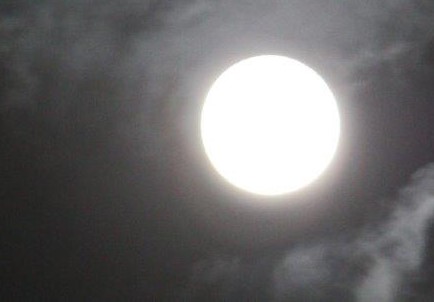
 The moon shines through thin curtains,
   A gentle breeze rustles my robe.
 A wild goose honks in the wilderness,
   Stirring a cascade of other birdcall.
 I pace and peek out windows --
   Alone, and burdened with sorrows.
Drunk, I'd keep a lamp lit to find my sword,
 The blare of horns sounded throughout the camp.
 Soldiers ate meat under waving banners;
 The military band played boisterous tunes.
 Autumn brought our troops to the battlefield.

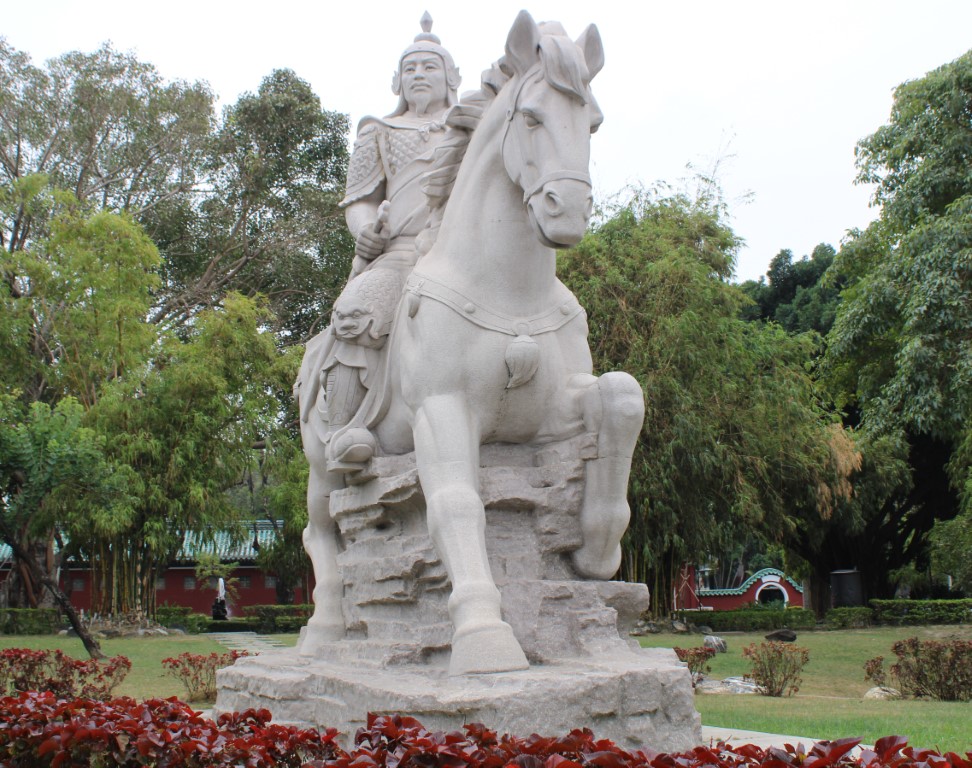
Carried by a charger at full gallop,
 My bow thwipped, sending swift arrows flying.
 We restored Imperial lands, boldly,
 And won great fame for fighting gallantly,
 But fame grows thin and gray just like my hair.
Buying fine jade in the springtime,
 Enjoying rain song from within a cabin,
 A taciturn scholar sits betwixt
 Copses of tall, arching bamboo.
Sparse white clouds in a newly clear sky;
 Swallows weave 'round trees in pursuit.
Light through leaf casts a green hue on all;
 Sound of falling water, thin but near;
 Flower petals fall without a sound.
But the man sits unyielding as a mum;
 He writes what the scene dictates
   To make a pithy book.
NOTE: The late Tang Dynasty poet, Sikong Tu (a.k.a. Ssŭ-k‘ung T‘u,) wrote an ars poetica entitled Twenty-Four Styles of Poetry. It presents twenty-four poems that are each in a different tone, reflecting varied concepts from Taoist philosophy and aesthetics. Above is a translation of the sixth of the twenty-four poems.
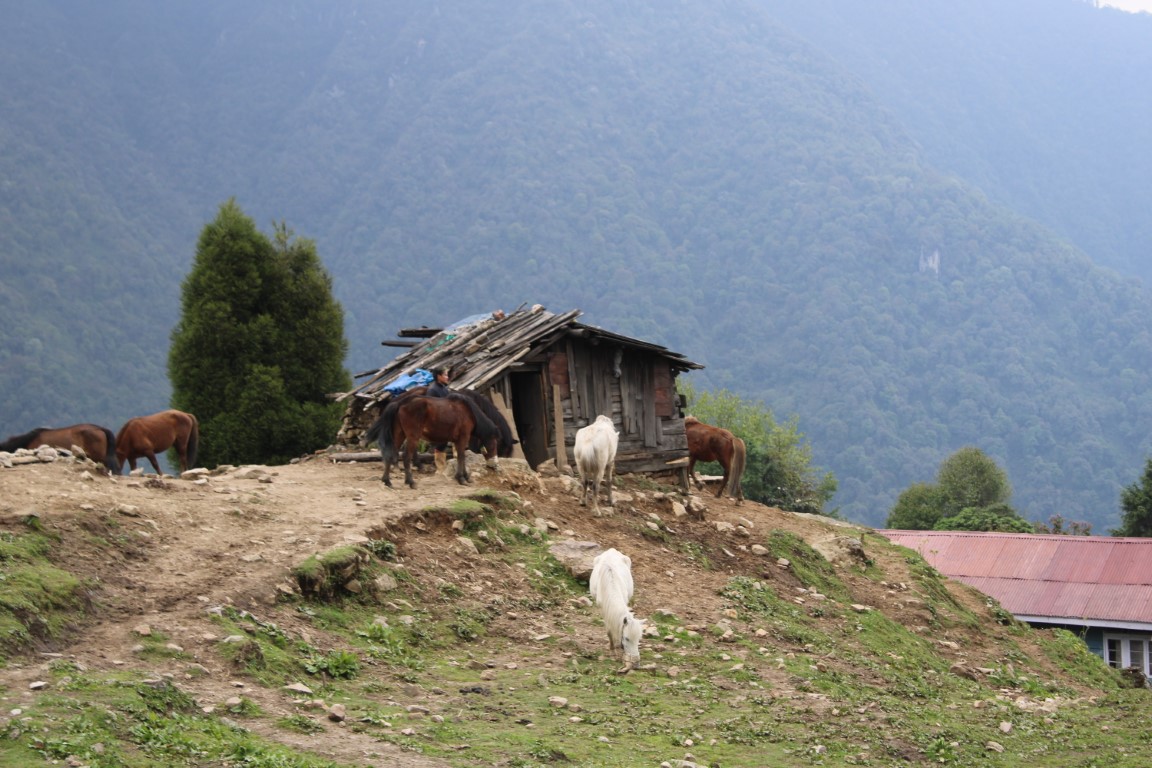
Evergreen woods and a rough-hewn shack.
 The sun sets through clear sky.
 I shed my hat as I walk alone,
   Listening for songbirds.
 No wild geese are flying
   From whence my beloved lives.
 But in my mind, we are close --
   Close enough to touch.
 Dark clouds stand over the sea,
   But in moonlight river isles gleam.
 My eyes and my words stop at
   That great river that sprawls ahead.
NOTE: The late Tang Dynasty poet, Sikong Tu (a.k.a. Ssŭ-k‘ung T‘u,) wrote an ars poetica entitled Twenty-Four Styles of Poetry. It presents twenty-four poems that are each in a different tone, reflecting varied concepts from Taoist philosophy and aesthetics. Above is a translation of the fourth of the twenty-four poems.
The maples have grown old;
 Orchards have begun to wither.
 The reds and greens have faded.
 Climbing the heights, I
   Feel the chill of late Autumn.
 A ceaseless pounding sound
   Drowns out the setting sun.
 Remembered sorrows flock
   To mind, making new sorrows.
 We are separated
    By a thousand miles;
 From our two distant places
   We can't even meet in dreams.
 The rain stops, and the sky clears;
   One can see the twelve green peaks.
 Speechless, who could understand
   My angst, as I stand cliffside.
 I can write of my grief, but
   Will the clouds bring a reply?
Thousands of willow twigs beyond my bower sway;
   They try to retain spring, but she won't stay
      For long and goes away.
 In vernal breeze the willow down still wafts with grace;
   It tries to follow spring to find her dwelling place.
 Hills and rills greened all over, I hear cuckoos sing;
   Feeling no grief, why should they give me a sharp sting?
 With wine cup in hand, I ask spring who won't reply.
   When evening grizzles,
      A cold rain drizzles.
Translation: Xu Yuanchong [translator]. 2021. Deep, Deep the Courtyard. [庭院深深.] Cite Publishing: Kuala Lumpur, pp. 146-147.
Old trees with tangled hanging tassels
   by a deserted temple open to the river.
 Rain, rain threw down the clay statues
   and wind blew down this ancient building.
 Wild birds nest in dusty shrines,
   fishermen hold a bamboo lottery cup.
 About to play the tune "Mountain Ghost," I stop:
   the Verses of Chu make me too sad.
Translation: Barnstone, Tony and Ping, Chou. 2005. The Anchor Book of Chinese Poetry: From Ancient to Contemporary. New York: Anchor Books.












 Tiger Riding for Beginners