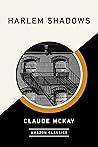
BOOKS: “Harlem Shadows” by Claude McKay

Harlem Shadows (AmazonClassics Edition)Harlem Shadows by Claude McKay
My rating: 5 of 5 stars

Project Gutenberg

This 1922 poetry collection is wide-ranging and beautifully composed. As the title hints, this is a product of that great literary and artistic movement known as the Harlem Renaissance.

The seventy-plus poems include sonnets and various other forms of poems, mostly lyric and rarely more than a couple pages in length. Besides being varied in form, they poems are also diverse of tone — from frank invectives on race to sweet love poems. They take New York as their home and tap into the verve of the day. The collection includes many of McKay’s best-known poems including: “If We Must Die,” “America,” and “Harlem Shadows.” Though bucolic beauties such as “Spring in New Hampshire” and “The Snow-Fairy” are not to be skipped over.

I enjoyed these poems and found them powerful and lyrical.

View all my reviews

“Long, too long America” by Walt Whitman [w/ Audio]

Long, too long America,
Traveling roads all even and peaceful you learn'd from joys and prosperity only,
But now, ah now, to learn from crises of anguish, advancing, grappling with direst fate and recoiling not,
And now to conceive and show to the world what your children en-masse really are,
(For who except myself has yet conceiv'd what your children en-masse really are?)

“Fame is a Bee” (1788) by Emily Dickinson [w/ Audio]

Fame is a bee.
It has a song --
It has a sting --
Ah, too, it has a wing.

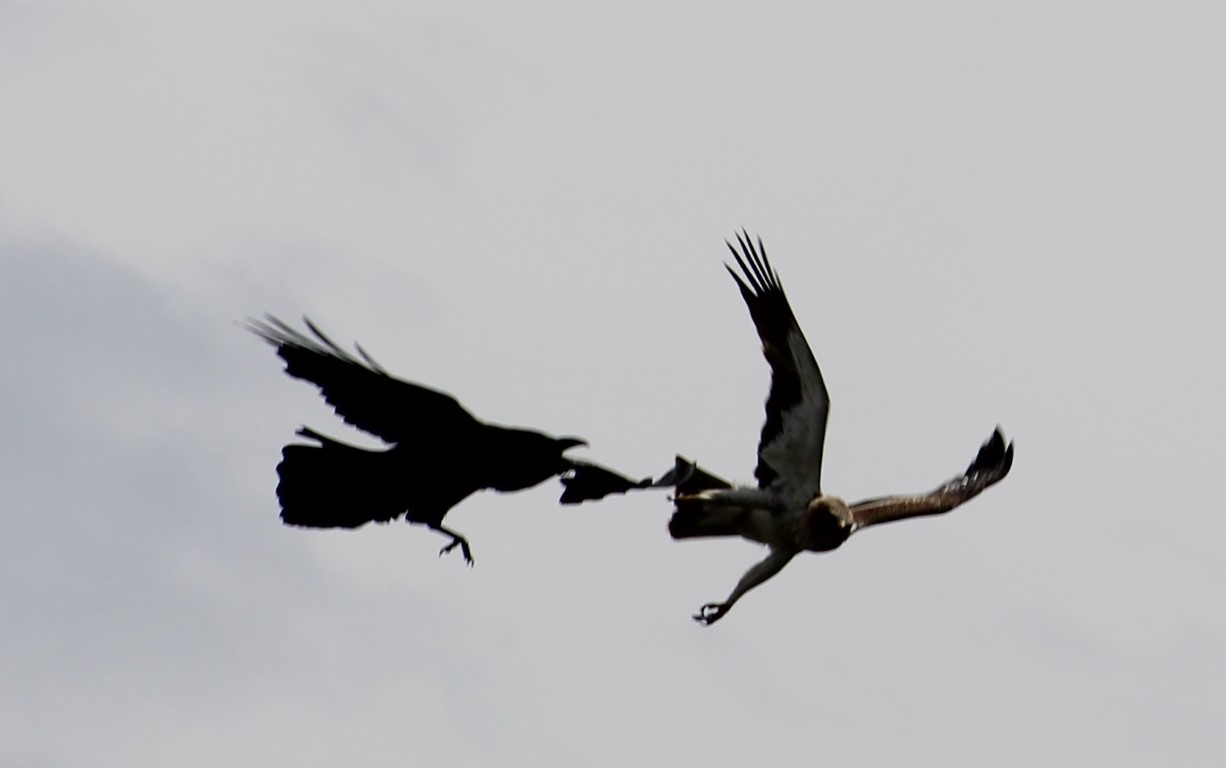
“Birds of Prey” by Claude McKay [w/ Audio]

Their shadow dims the sunshine of our day,
As they go lumbering across the sky,
Squawking in joy of feeling safe on high,
Beating their heavy wings of owlish gray.
They scare the singing birds of earth away
As, greed-impelled, they circle threateningly,
Watching the toilers with malignant eye,
From their exclusive haven -- birds of prey.
They swoop down for the spoil in certain might,
And fasten in our bleeding flesh their claws.
They beat us to surrender weak with fright,
And tugging and tearing without let or pause,
They flap their hideous wings in grim delight,
And stuff our gory hearts into their maws.

“A Man Said to the Universe” by Stephen Crane [w/ Audio]

A man said to the universe:
"Sir, I exist!"
"However," replied the universe,
"The fact has not created in me
A sense of obligation."

“Gliding O’er All” by Walt Whitman [w/ Audio]

Gliding o'er all, through all,
Through Nature, Time, and Space,
As a ship on the waters advancing,
The voyage of the soul -- not life alone,
Death, many deaths I'll sing.

“I taste a liquor never brewed” (214) by Emily Dickinson [w/ Audio]

I taste a liquor never brewed --
From Tankards scooped in Pearl --
Not all the Frankfort Berries
Yield such an Alcohol!

Inebriate of air -- I am --
And Debauchee of Dew --
Reeling -- thro' endless summer days --
From inns of molten blue --

When "Landlords" turn the drunken Bee
Out of the Foxglove's door --
When Butterflies -- renounce their "drams" --
I shall but drink the more!

Till Seraphs swing their snowy Hats --
And Saints -- to windows run --
To see the little Tippler
Leaning against the -- Sun!

BOOKS: “The Song of Hiawatha” by Henry Wadsworth Longfellow

The Song of HiawathaThe Song of Hiawatha by Henry Wadsworth Longfellow
My rating: 5 of 5 stars

Project Gutenberg edition

This epic poem borrows from American Indian folklore and legend to build a fictional life story for the protagonist, Hiawatha. (There was an actual Hiawatha, but his life story apparently in no way resembles that of Longfellow’s Hiawatha, which is good because the fictional one had to deal with ghosts, tricksters, and deities.) The poem is part hero’s trials, part love story, and part tale of the supernatural, blending real world type tragedy with an otherworldly form.

The choice of trochaic tetrameter makes the poem rhythmically readable, while evoking a drumming sound that contributes to atmospherics.

When the poem came out in the mid-19th century, it faced some controversy. It was claimed that it was a knock off of the Kalevala of Finland. Longfellow’s reply was that he was influenced by that poem’s rhythm (the Kalevala is also trochaic,) but that all the plot events where from his conversations with American Indians and researchers, thereof, (or, presumably his own imagination,) and that any coincidence of events was owing to the broad brushstrokes of them both being heroic tales.

I enjoyed reading this poem and would highly recommend it for poetry readers and lovers of American Literature.


View all my reviews

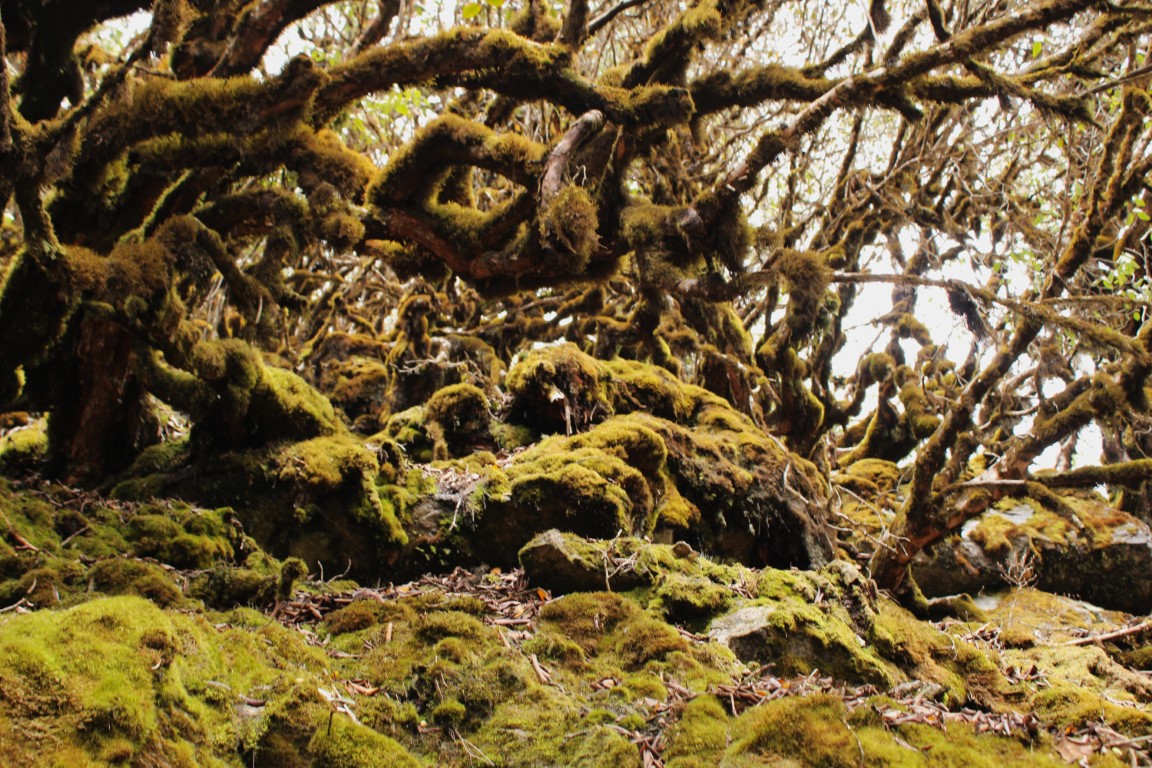
“All overgrown by cunning moss,” (146) by Emily Dickinson [w/ Audio]

All overgrown by cunning moss,
All interspersed with weed,
The little cage of "Currer Bell"
In quiet "Haworth" laid.

This Bird -- observing others
When frosts too sharp became
Retire to other latitudes --
Quietly did the same --

But differed in returning --
Since Yorkshire hills are green --
Yet not in all the nests I meet --
Can Nightengale be seen --

“Meditation” by Amy Lowell [w/ Audio]

A wise man,
Watching the stars pass across the sky,
Remarked:
In the upper air the fireflies move more slowly.