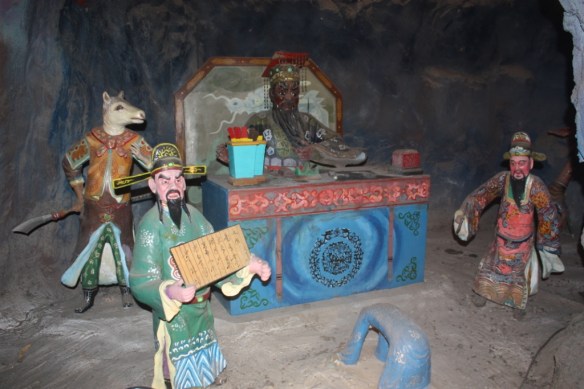
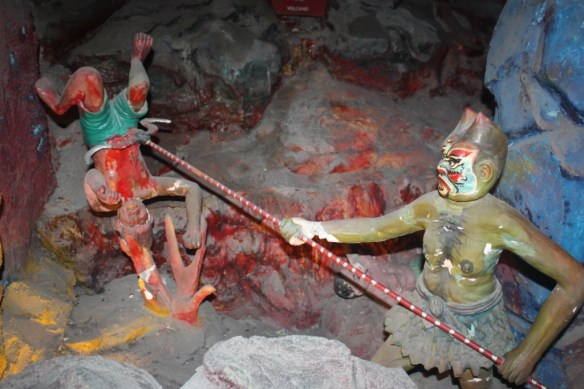
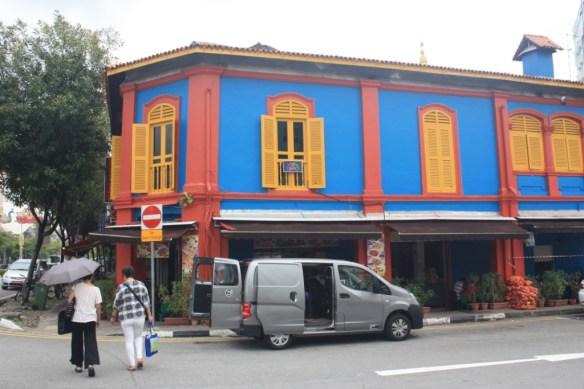
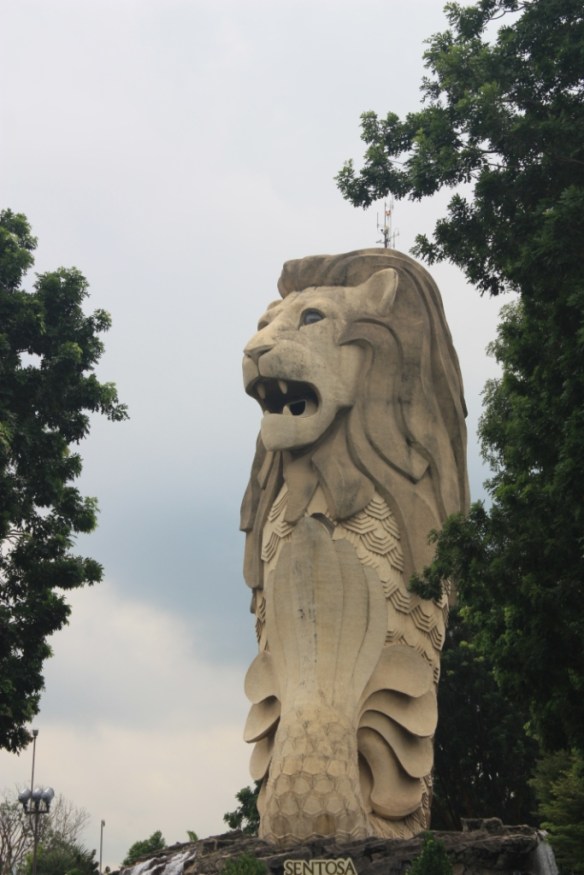
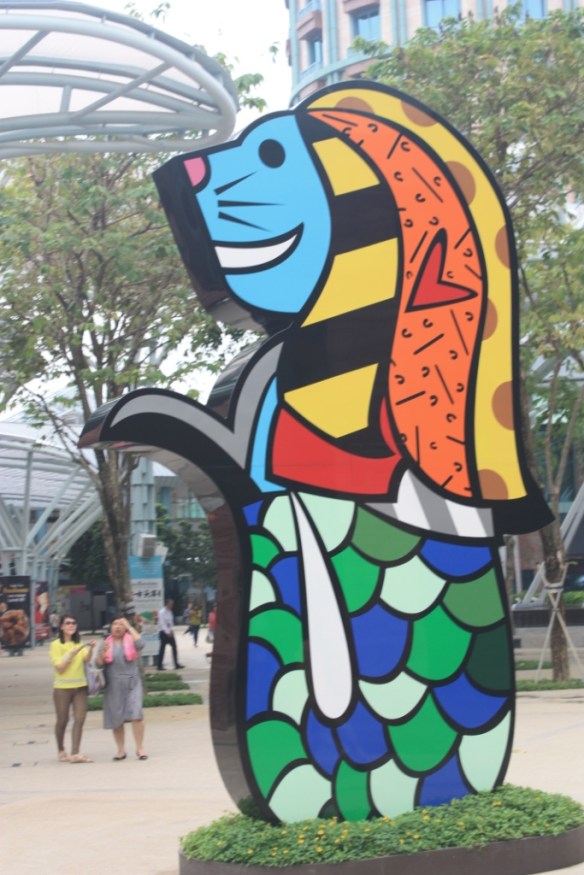
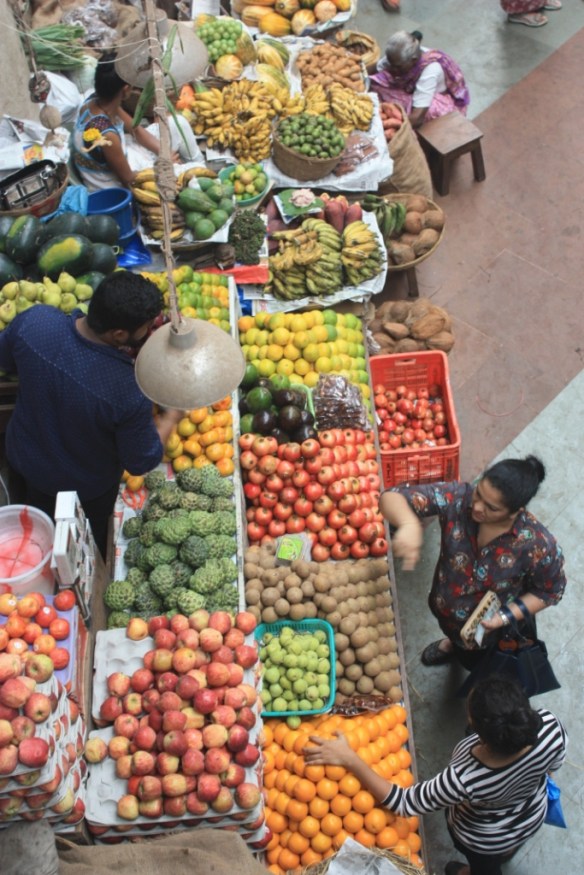
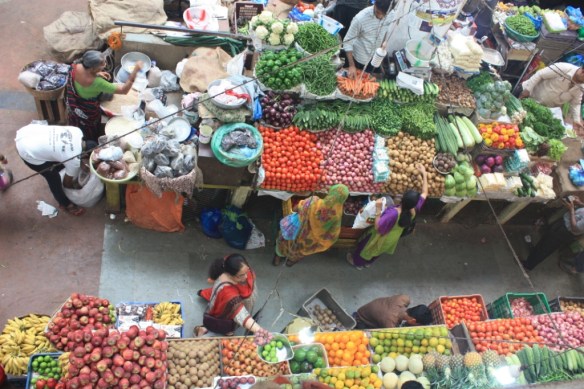
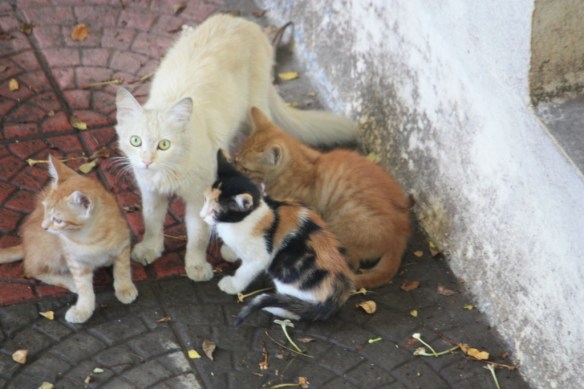
Taken on October 29, 2016 in Singapore

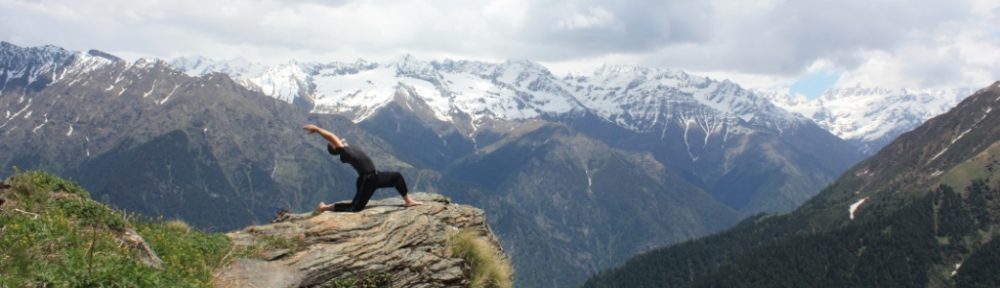

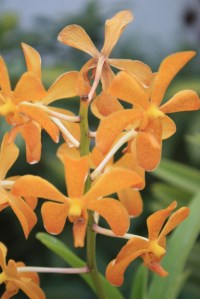
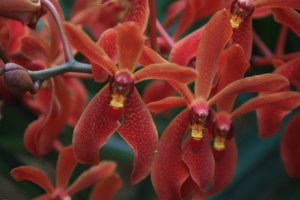
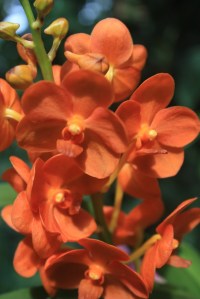
Taken on October 31, 2016 at Singapore’s National Orchid Garden





 Narrow Road to the Interior: And Other Writings by Bashō Matsuo
My rating: 5 of 5 stars
Bashō was a traveler, and much of his poetry came from what he witnessed and experienced on the road. This volume contains four travelogues (each containing interspersed haiku); the most famous of these being the title piece, but also including: “Travelogue of Weather-Beaten Bones,” “The Knapsack Notebook,” and “Sarashima Travelogue.” In addition to the travel writings, there is a section of select Bashō poems. The word “travelogue” may create a misapprehension. These weren’t diaries of the minutiae of his travels. They offer a poet’s eye view of highlights and insights, and—of course—interspersed poems. [There is a term for this genre of prose mixed with poetry, haibun.]
Matsuo Bashō was born in Iga-Ueno (famously a center of ninja warriors during the Warring States Period), and traveled extensively within Japan. He lived from 1644 to 1694, during the time between the end of the Warring States Period and the Meiji Restoration that brought Japan into modernity. It was a period of relative peace ruled by a military dictatorship, lying in the long shadow of war. Zen touches are prevalent throughout Bashō’s writings, but so are references to Chinese philosophy and history, Shinto, not to mention the Japanese poets who preceded him.
In addition to the aforementioned content, the book includes some nice ancillary features. First, there is a Translator’s Introduction that helps provide necessary context about Bashō’s life and times, as well as offering insight into what was valued in Japanese poetry of this time–including influences of systems like Zen, Taoism, and Confucianism. There is an Afterword describing the last years of Bashō’s life, as well as end-notes and a bibliography. Notes are useful for this type of book because most readers face both cultural and historical barriers to understanding (myself included.) As for graphics, there is a map to help readers grasp the extent of the poet’s travels. There is also a chronology to help keep the events of Bashō’s life—most notably the timeline of his travels—straight.
I’m not sure how the translator’s (Sam Hamill) version compares to an ideal, but I enjoyed it. For example, Bashō refers to an innkeeper called Hotoke Gozaemon, which Hamill translates as “Joe Buddha.” I suspect that is an example of veering away from literal translation to communicate an essence in a way that is readily grasped by the English-language reader. Some of the haiku translations seem clunky, but it’s extremely hard to put haiku into English, so I can’t say it could be avoided. English syllables and words can be chunky and our grammar doesn’t lend itself to being sparse. I will say that a nice feature of the “Selected Haiku” section is that it includes the Romanized Japanese poem under the translation. This isn’t done throughout the haibun “travelogues,” but it’s done in that last section. The main benefit of this is allowing the reader to hear the sound of the poem, but it can also allow one to compare different translations of the same poem.
There are several translations of these same writings available (often gathered together into a single volume like this because it makes for an acceptable length book–rather than the pamphlets that the individual haibun would be.) This is the only version that I’ve read to date, and so I can’t compare it to others. However, I was quite pleased with this version and found it to be both readable and evocative.
I’d recommend this book for haiku lovers, travelers, and those who want to see what awesome travel writing can look like.
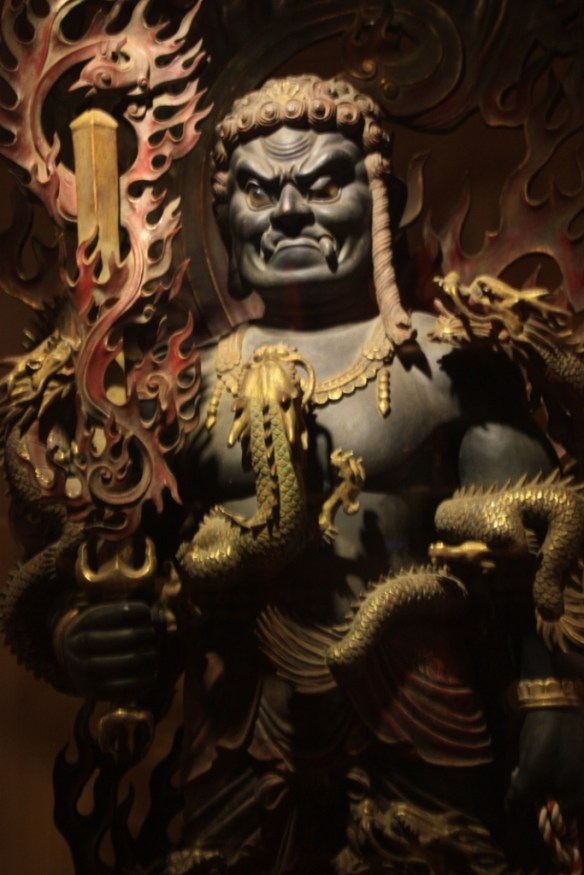
Taken on October 30, 2016 at the Buddha Tooth Relic Temple in Singapore
Fudō-Myōō is the name used by Japanese Vajrayana Buddhists for the wrathful deity otherwise known as Acala [the Wisdom King.]
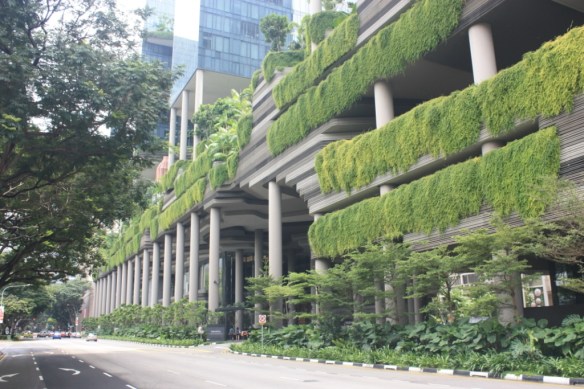
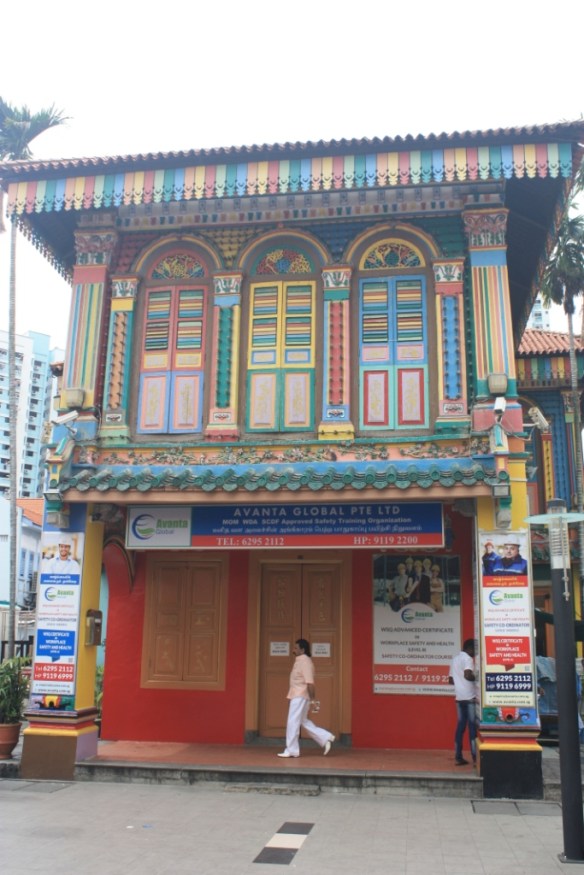
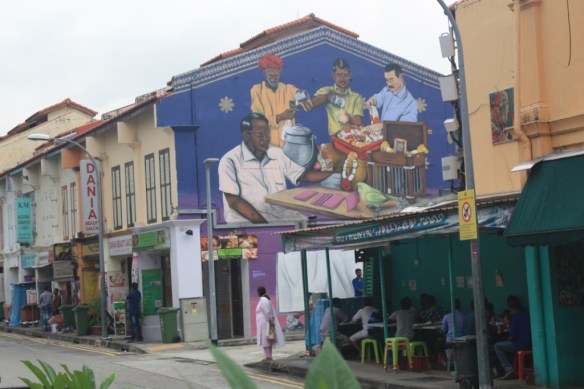
Taken on October 29, 2016 in Singapore

It seems Singapore has made great efforts to not only leave green space intact (despite great pressures) but also to fuse green space into buildings.