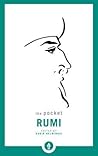
BOOK: “The Pocket Rumi” ed. / trans. by Kabir Helminski

The Pocket Rumi (Shambhala Pocket Library)The Pocket Rumi by Jalal ad-Din Muhammad ar-Rumi
My rating: 4 of 5 stars

Publisher Site – Shambhala

This is a selection of writings (mostly poetry) of Rumi (formal name: Jalāl al-Dīn Muḥammad Rūmī.) Rumi was a mystic of Sufi Islam, and so the poems tend toward the devotional — though with more reference to the experience of intoxication than one might expect from a 13th century Islamic poet.

This selection consists of three sections organized by poetic form, each section progressively longer than the preceding one. The first section is ruba’i, the second is ghazals, and the last is from Rumi’s Mathnawi.

The “Pocket” of the book’s title and series is figurative as the paperback is too big of both format and thickness for any pocket I own, personally, but the point is that it’s a quick read at only about 200 pages of (mostly) poetry [meaning white space abounds.]

I enjoyed reading this selection. I can’t say how true to message the translations are as I have no knowledge of Persian. I can point out that the translators opted to abandon form in favor of free verse. Hopefully, this gave them the freedom of movement to approach the message and tone of the originals.

If you are interested in a short, readable English translation of Rumi’s poetry, this book offers a fine place to start.

View all my reviews

Quatrain 62 of the Rubaiyat of Rumi [w/ Audio]

If you desire the self, get out of the self.
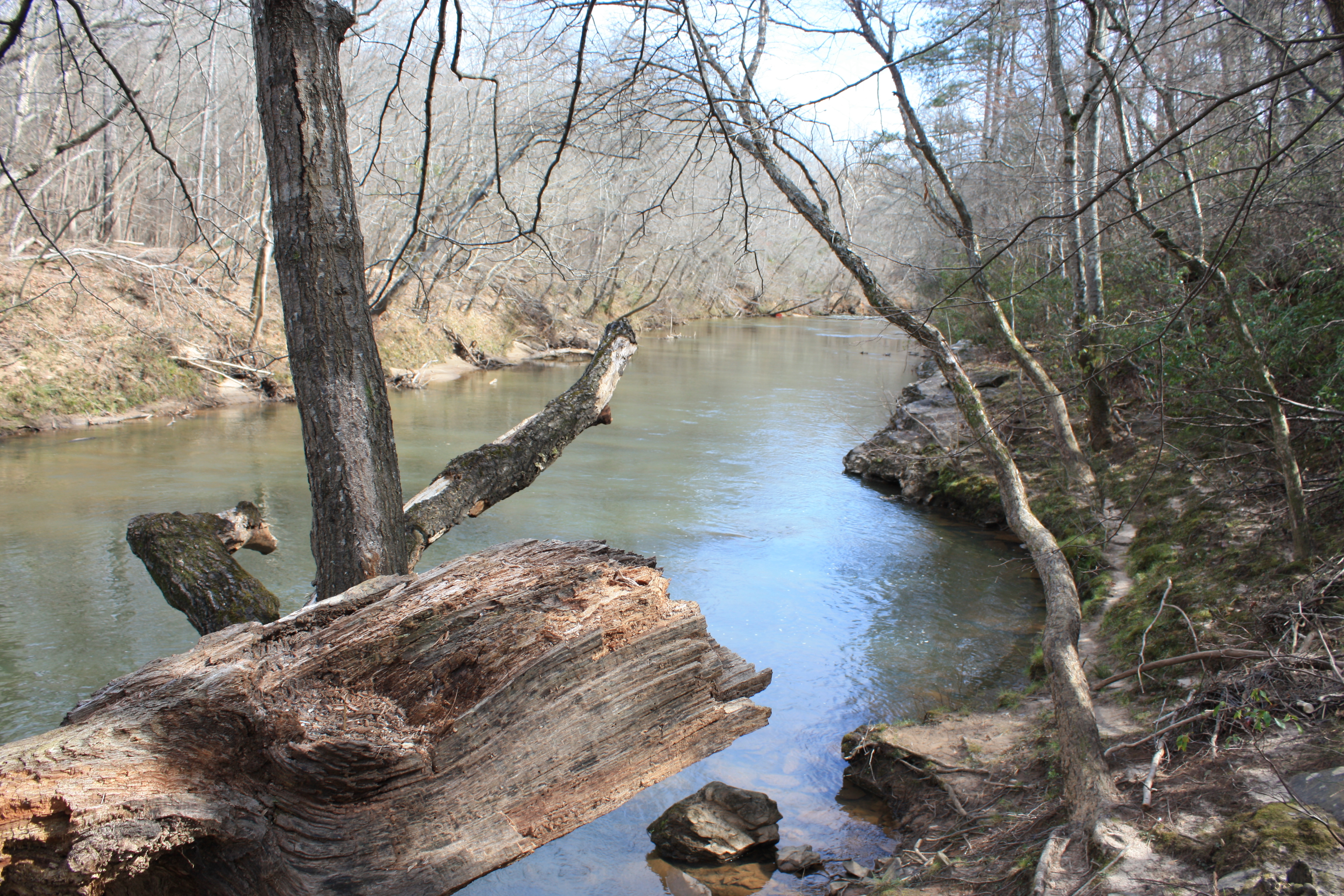
Leave the shallow stream behind
And flow into the river deep and wide.
Don't be an ox pulling the wheel of the plow,
Turn with the stars that wheel above you.

As translated in: Helminski, Kabir (ed.). 2018. The Pocket Rumi. Boulder, CO: Shambhala South Asia Editions. p. 4; translators: Kabir Helminski, Camille Helminski, and Lida Saedian

Stopping by Woods on a Snowy Evening by Robert Frost [w/ Audio]

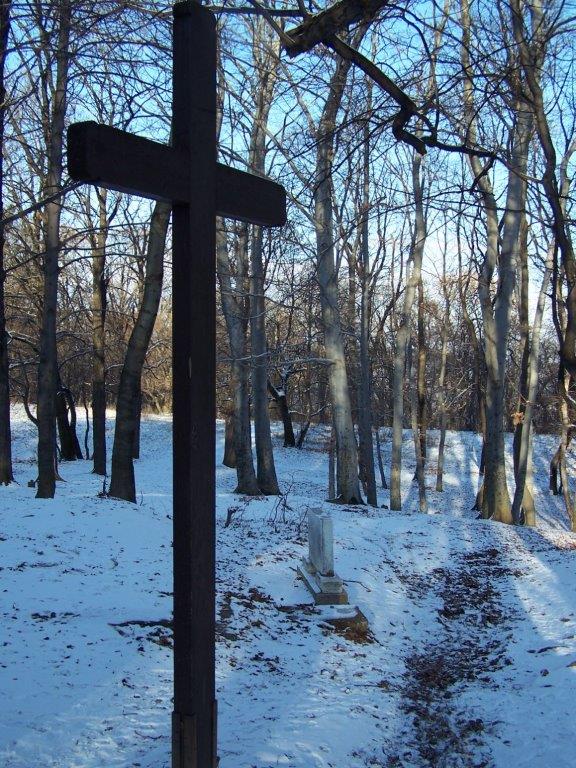
Whose woods these are I think I know.
 His house is in the village though;
  He will not see me stopping here
 To watch his woods fill up with snow. 

My little horse must think it queer
 To stop without a farmhouse near
   Between the woods and frozen lake
 The darkest evening of the year. 

He gives his harness bells a shake
 To ask if there is some mistake.
  The only other sound's the sweep
 Of easy wind and downy flake.

The woods are lovely, dark and deep.
 But I have promises to keep,
  And miles to go before I sleep,
 And miles to go before I sleep. 

Typhoon Trap [Rubāʿiyāt Stanza Variation]

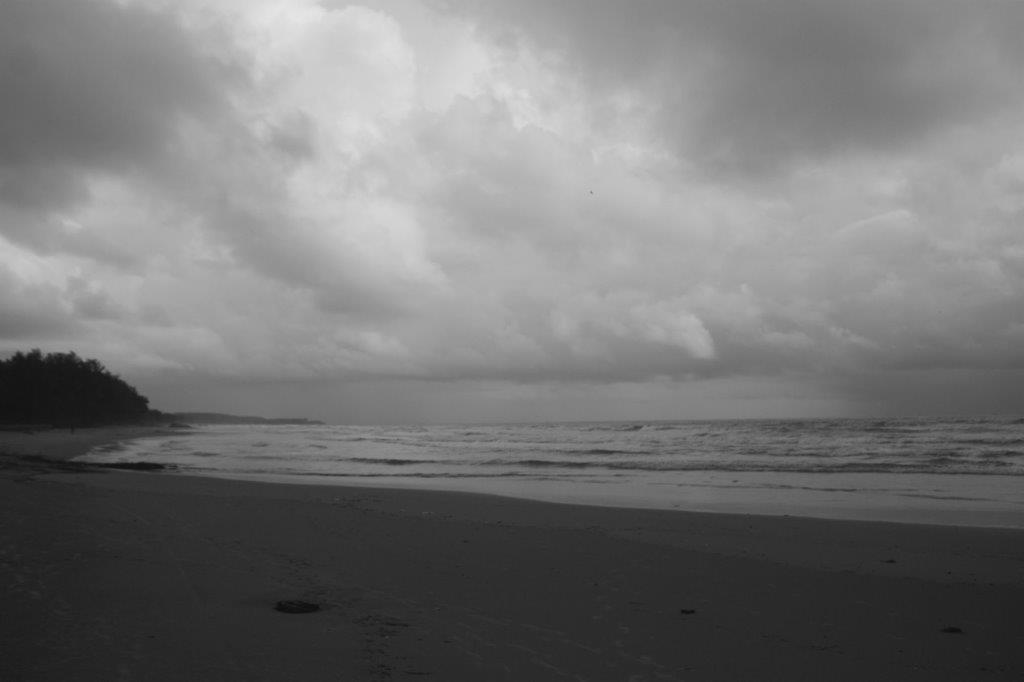
Trapped on the island by typhoon.
 It's evening dark, though at high noon.
  The waves are wild and still rising.
  So, ferries won't be running soon. 

The few streets there are lie silent,
 but - seaside - the winds whip violent.
  We hide inside a bungalow,
  and hope it's fixed firmer than my tent.

One 's always where it's most remote
 when they cancel all ferryboats:
  where there're too many thoughts to think,
  and few distractive antidotes.

A Place of Death [Rubāʿī]

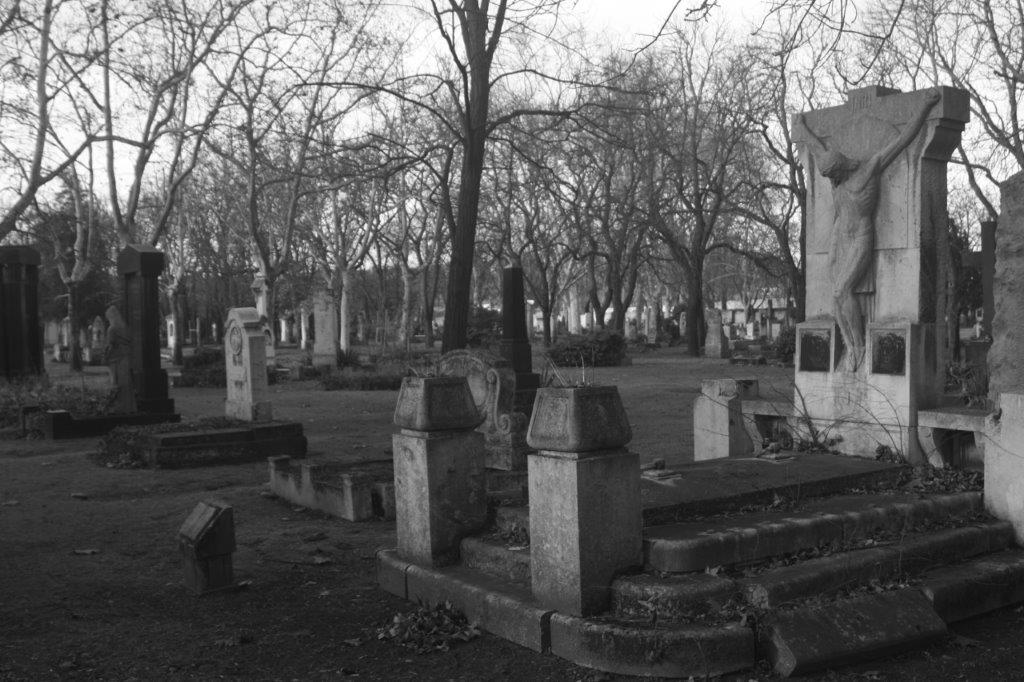
I walk past row on row of granite stones.
The grass is usually freshly mown,
but lately vegetation doesn't seem to grow,
and so, I kneel where seeds have been sown.

The Doldrums [Ruba’i]

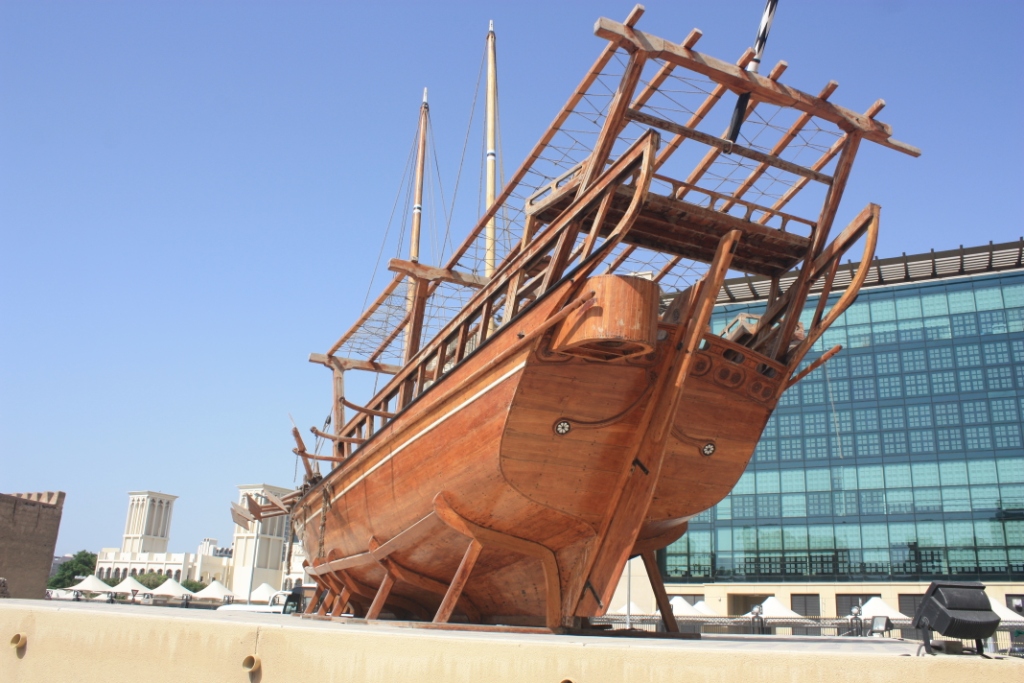
Back in the days of wooden sailing ships
some unsaid words could never grace the lips:
the "calms," or "doldrums," signed apocalypse. 
Better storm than lull end one's life of trips.

Wind-Swept Hero [Rubāʿī]

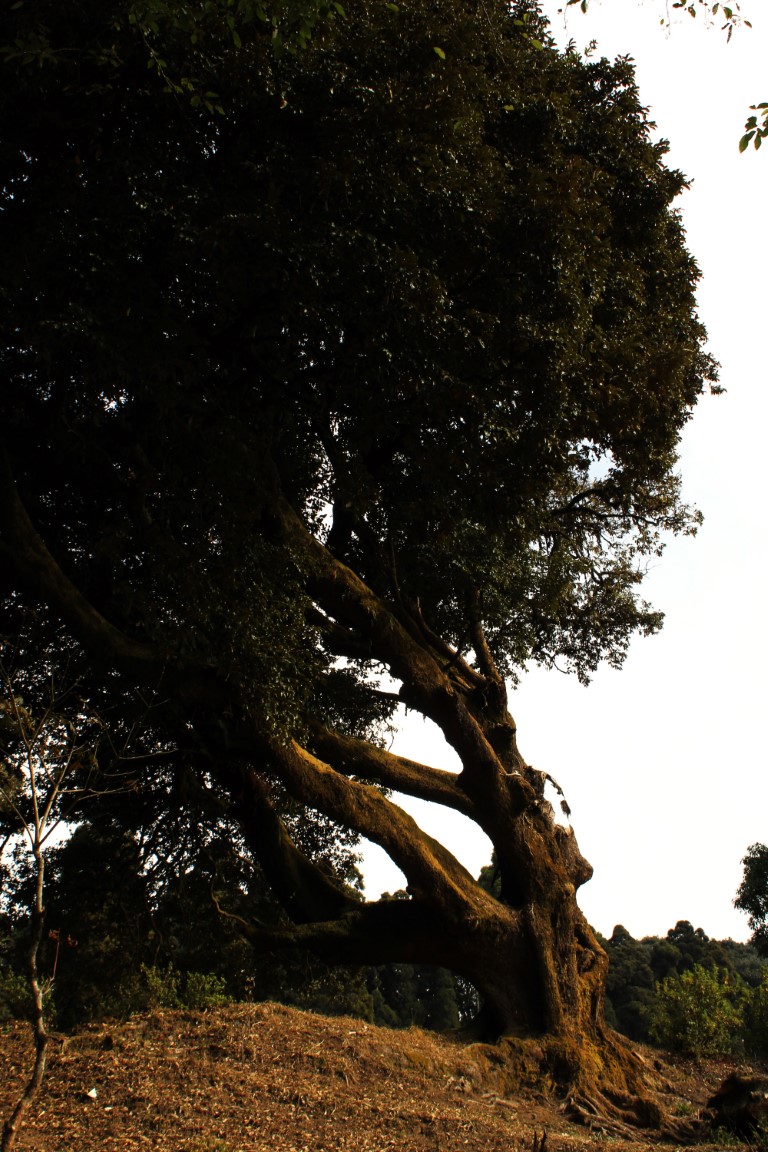
Beyond the house stood half a tree -
cleaved in twain, robbed of symmetry;
leaning like a wind-swept hero,
it could still shade a reverie.

POEM: The Stranger [PoMo Day 3 – Rubaʿi]

I've walked the world cast in the role of distant stranger,
and seen the old, the bold, the minor, and the major.
And people talk of fears, but I would make a wager 
that never was a sense more ill-tuned than that of danger.

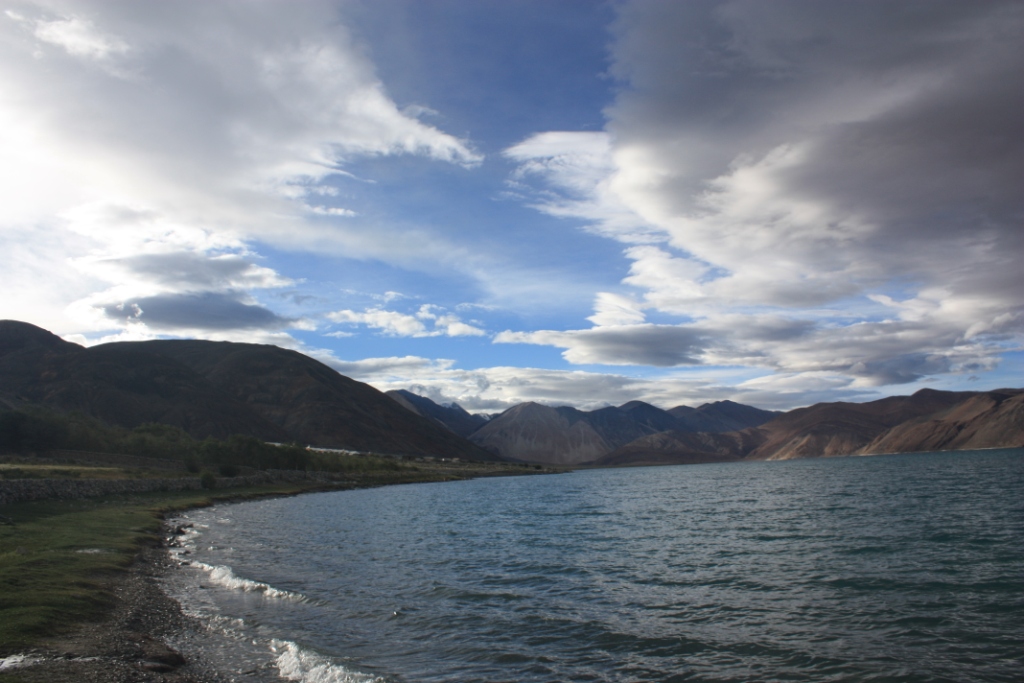
POEM: Pangong Tso [Ruba’i]

the parting clouds divulged a deep blue sky
and lapping waves were proof that time passed by
but only so gently that I couldn't say
if time ran true or told a subtle lie

POEM: Parallax [a Rubāʿī]

The grass is growing through the cracks,
but each man’s view is parallax.
So, while it seems ill-kempt to one,
others are charmed by the same facts.