
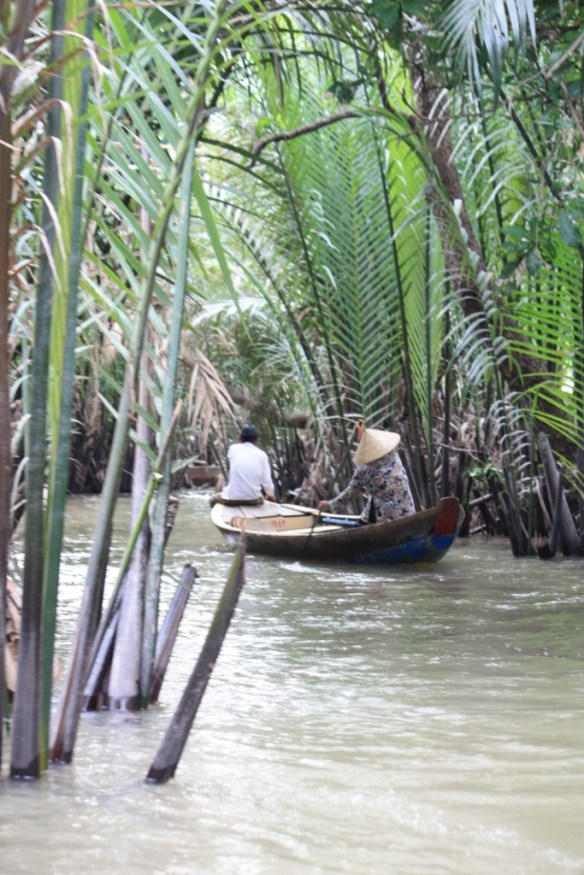
Taken in December of 2015 in the Mekong Delta
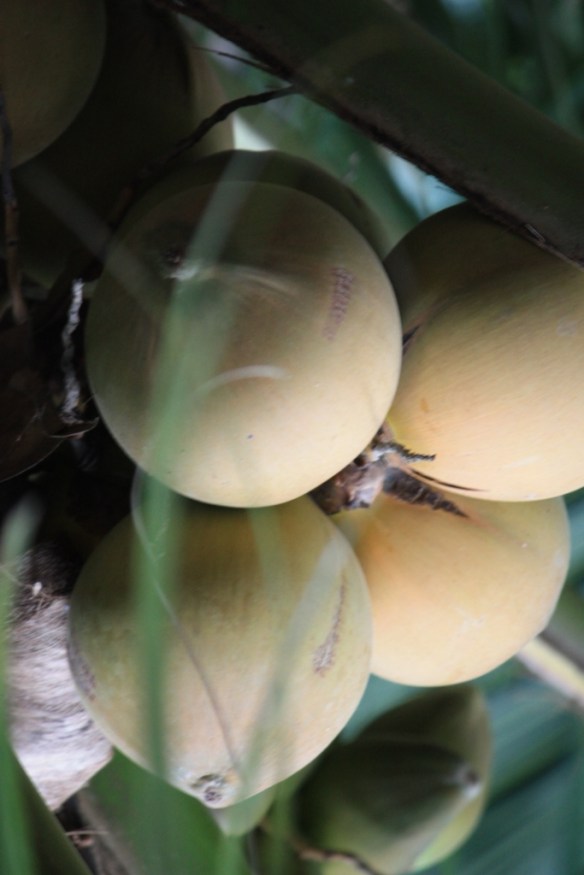
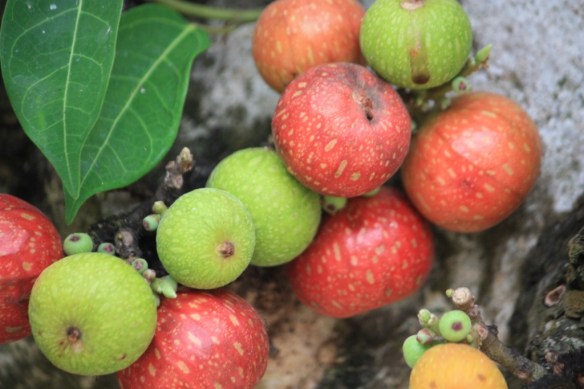

All these were taken on the islands near My Tho in the Mekong Delta of Vietnam.

Taken in December of 2015 in the Mekong Delta
All these were taken on the islands near My Tho in the Mekong Delta of Vietnam.
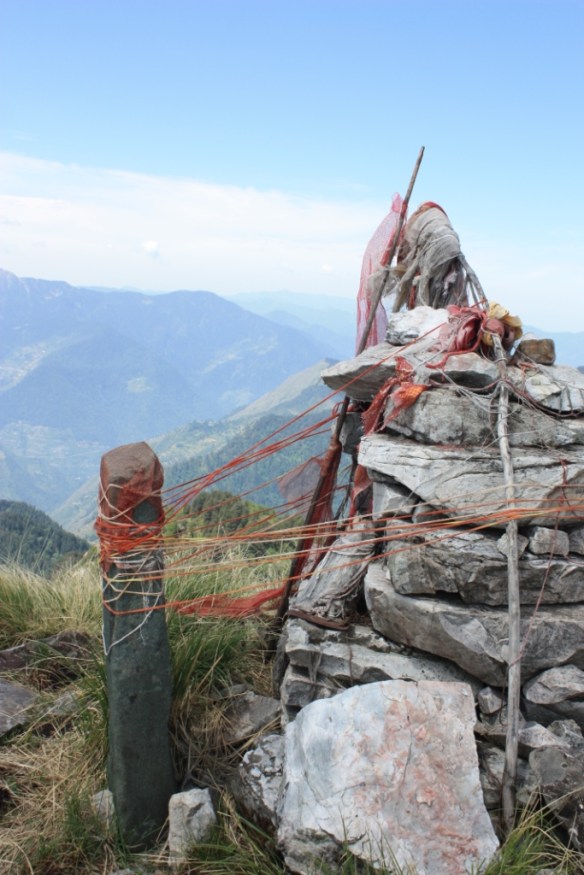
Taken in July of 2015 in Great Himalayan National Park
These cairn-centered shrines are common along the trails in Himachal Pradesh. They often have unique little items left by travelers making puja. This one happens to be located on a ridge that offers a spectacular panoramic view.
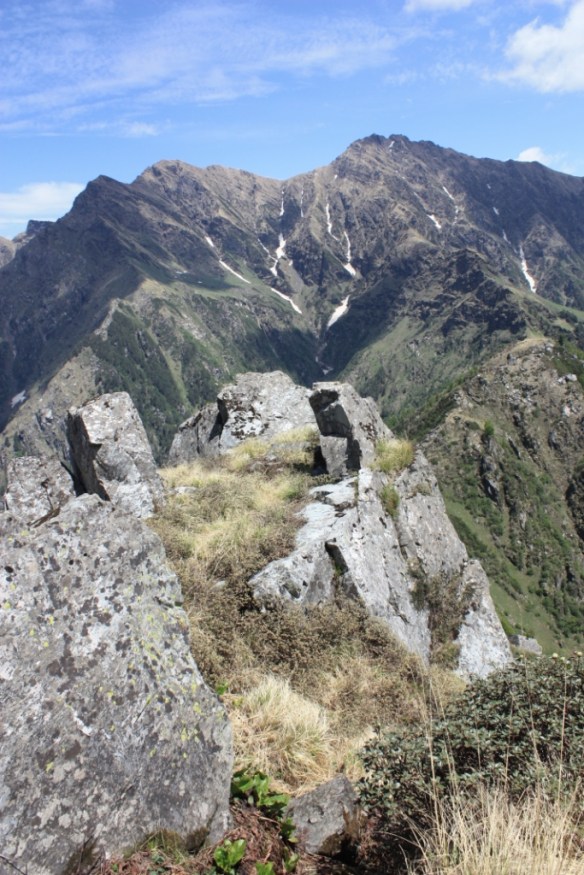
The same ridge line, further on.
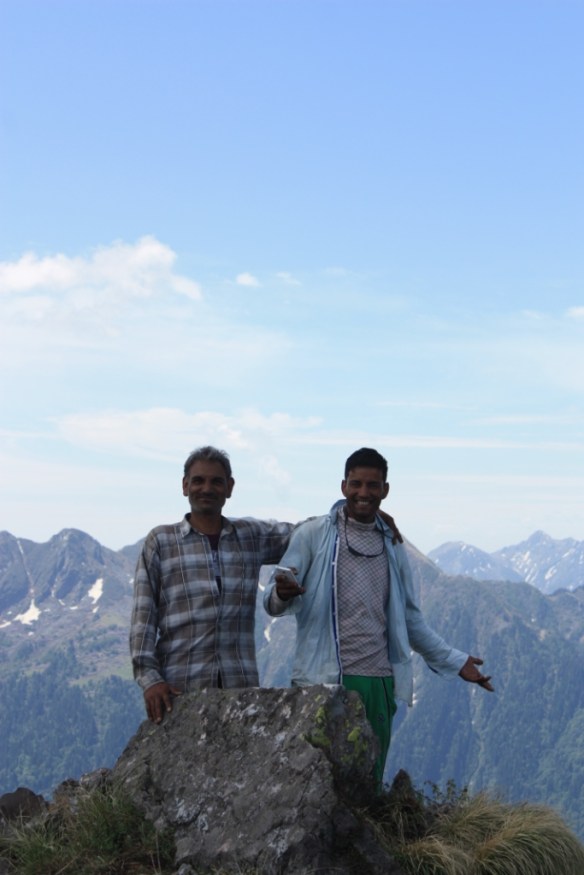
A couple of guides at the same shrine
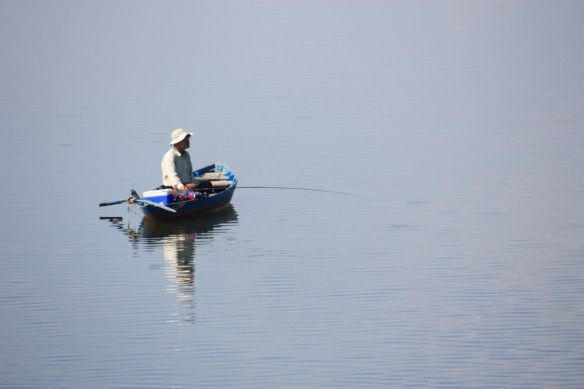
Taken on December 23, 2015 in Hoi An
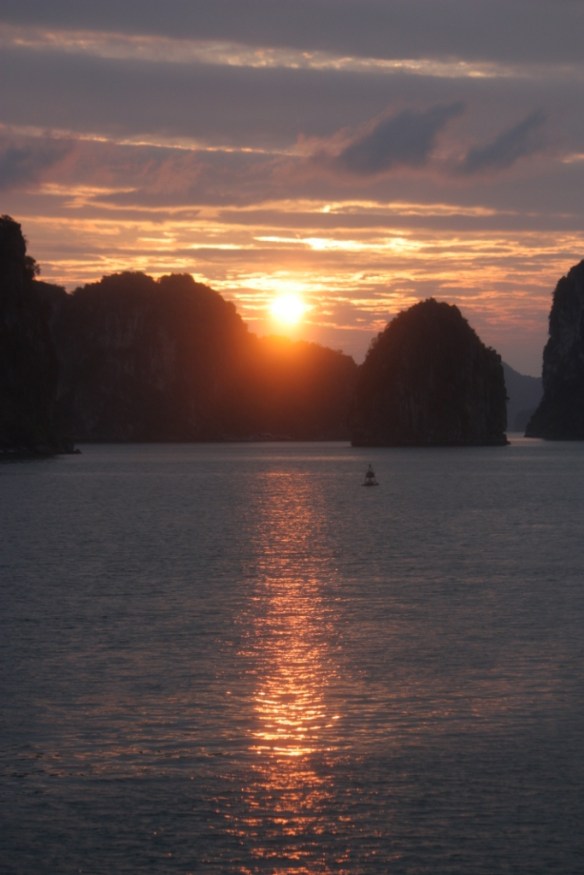
Taken on January 1, 2016 on Bai Tu Long Bay
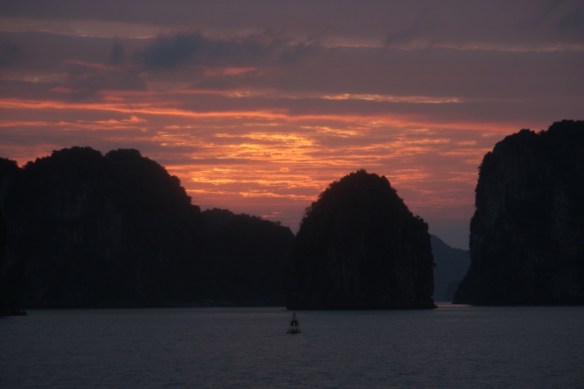
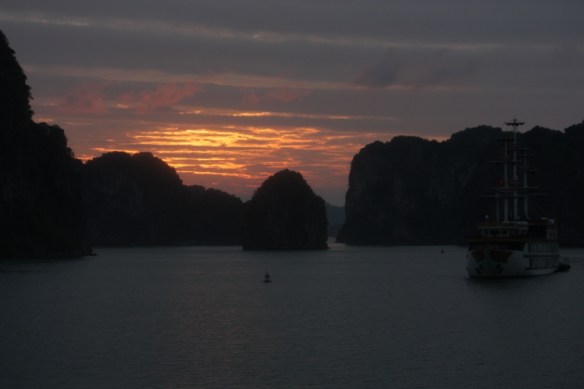
Bai Tu Long Bay is the lesser known–but geographically larger–sibling of Ha Long Bay. It’s name refers to baby dragons, and it derives from the same myth from which Ha Long got its name (i.e. “Descending Dragon.”) Like Ha Long it’s considered a scenic wonder because of the skerries jutting up out of the sea.
We were told that we got a lucky break in getting a clean sunrise during our visit because it’s usually overcast. (Our tour straddled New Years.) It was overcast almost the whole time, but I tend to be skeptical of people selling an experience.
These aren’t necessarily in any order.
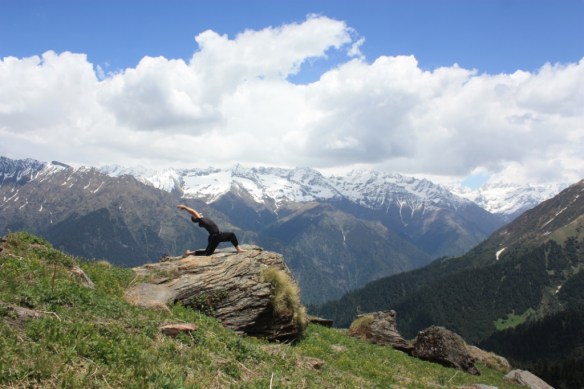
1.) Trekking the Great Himalayan National Park [June]:
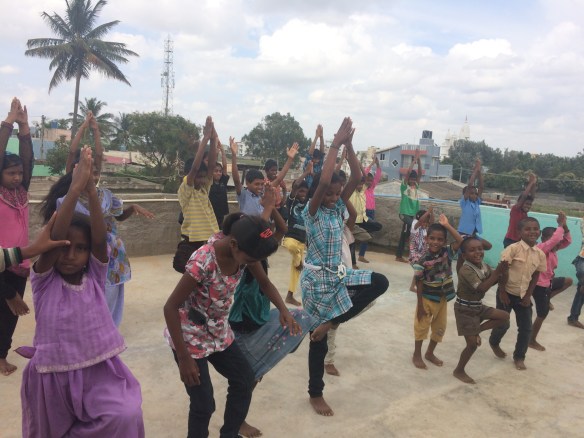
2.) Teaching kids at KAMMS and Socare [September & October]: I finished my RCYT course in April and have been teaching kids when I have a chance:
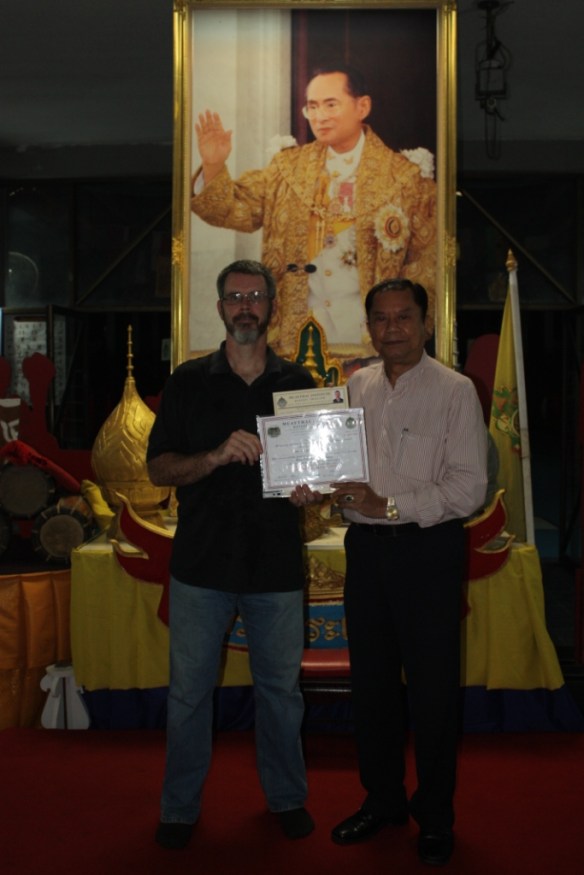
3.) Completing Level I Examination at the Muay Thai Institute [September]:
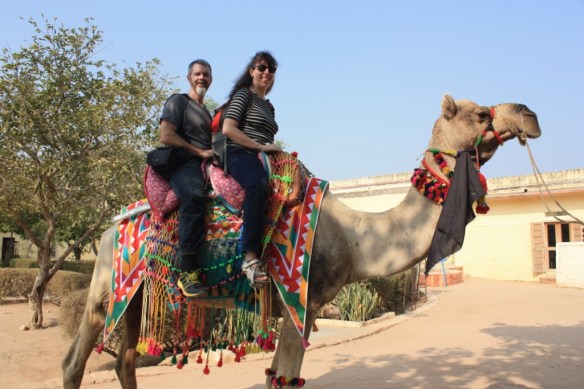
4.) Riding camels at Pushkar and Jaipur [November]:
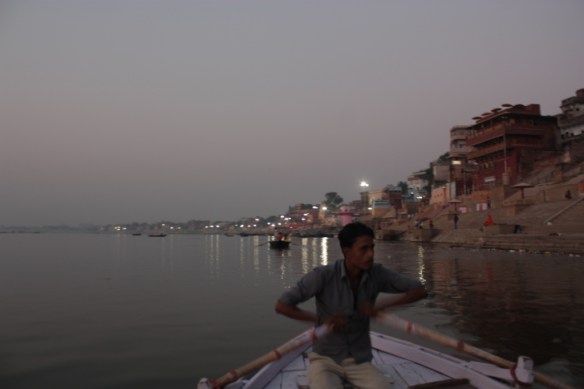
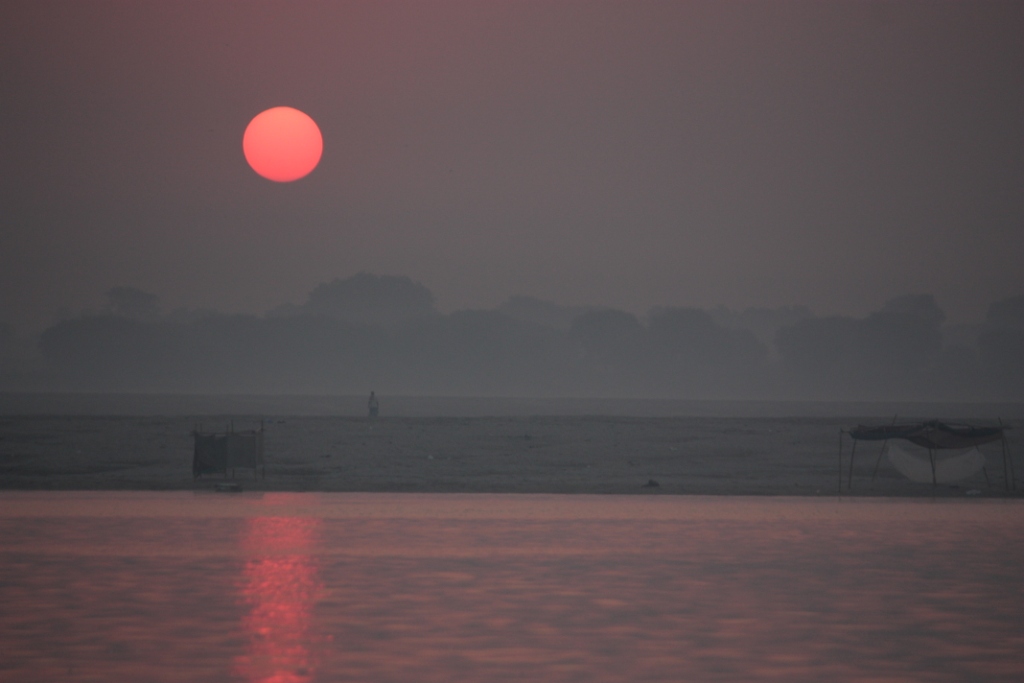
5.) Boating on the Ganges in Varanasi [October]:
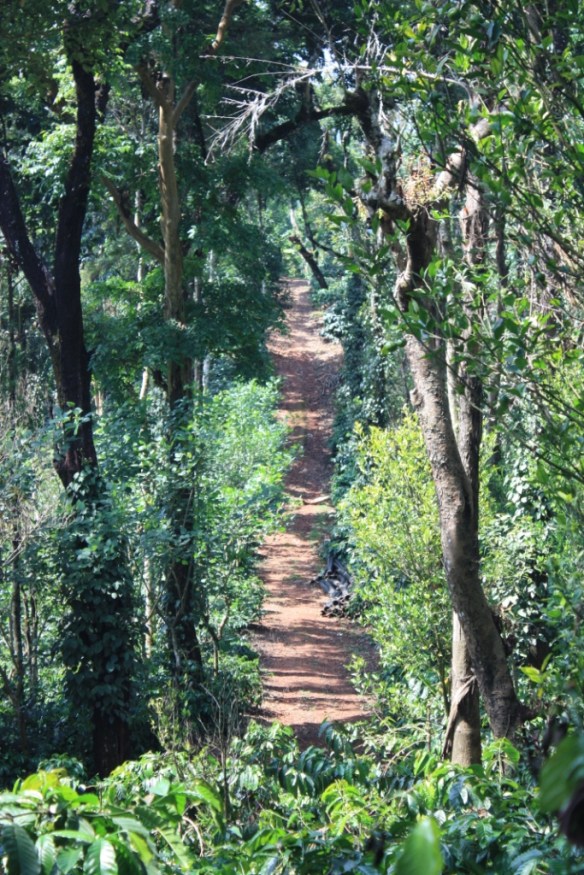
6.) Wandering around a coffee plantation near Chikmaglur [April]:
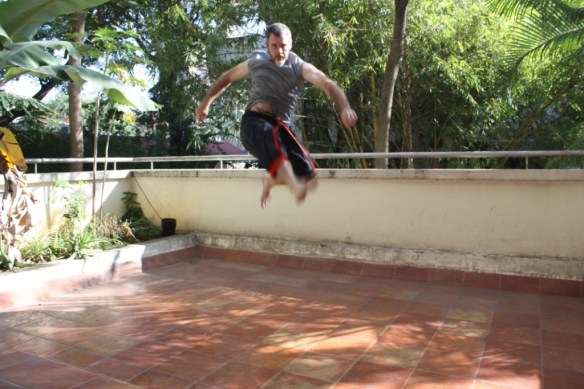
7.) Completing the Level III and IV reviews in Kalaripayattu [February & August]:
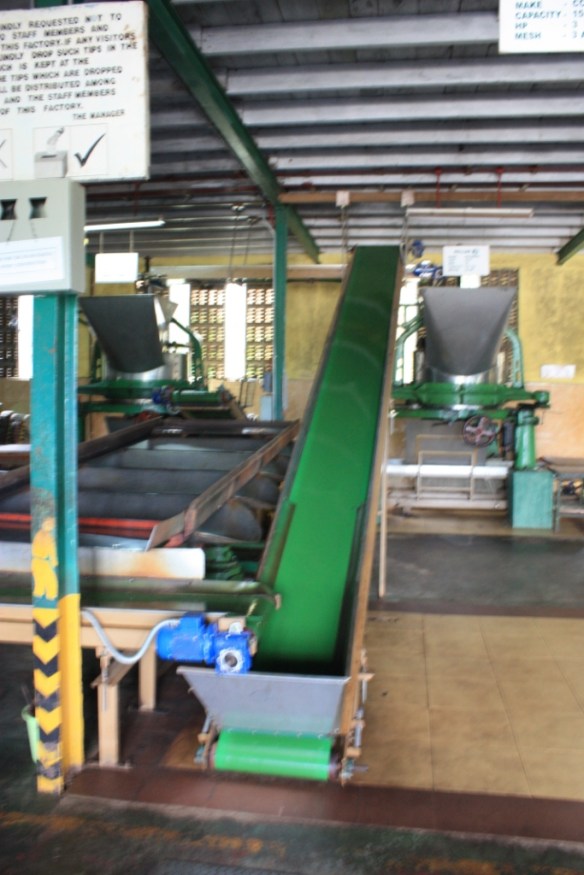
8.) Touring the Glenloch tea factory in Sri Lanka [May]:
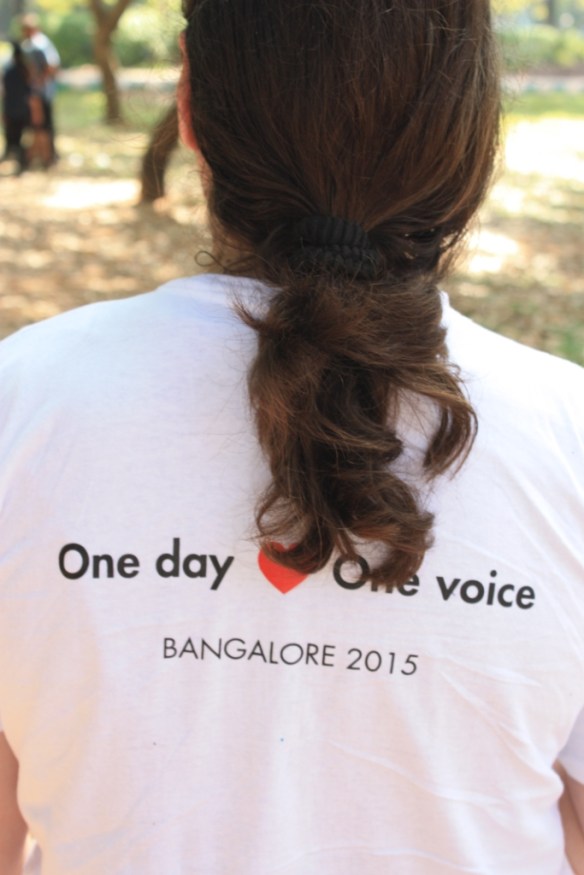
9.) 108 Surya Namaskara Against Child Trafficking [March]:
10.) Junk boat tour of Ha Long Bay, Vietnam [December]: This may be jinxing us to put it on the list, before we’ve been (we leave tomorrow) but I’m optimistic that our three weeks in Vietnam will be awesome, and I’m told Ha Long
What to expect in 2016? Lilla and I will be moving back to the States around mid-year. (To where, exactly, remains a mystery.) In January and February I’ll be doing an RYT-300 course to round out my 500 hour yoga teacher certification. I plan to make at least one more trip to Thailand to MTI for Level II. I’d also like to complete the 10-day Vipassana meditation course before returning. Lilla and I are thinking about another Himalaya trek for the summer.
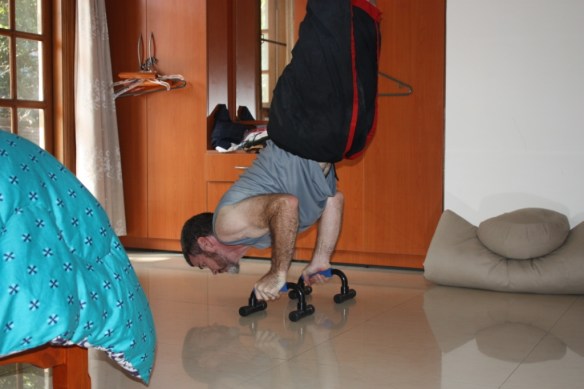
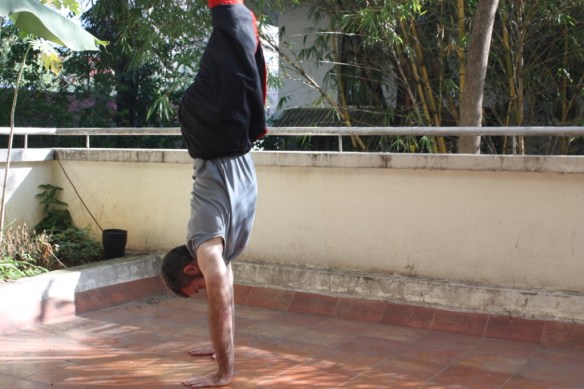
I’ll also be continuing to work on press handstand progression, as that’s been a focus for me of late and I still have a ways to go.
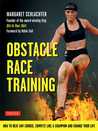 Obstacle Race Training: How to Beat Any Course, Compete Like a Champion and Change Your Life by Margaret Schlachter
My rating: 4 of 5 stars
If you’re a neophyte to the obstacle racing scene, as I am, this is the book for you. That’s not to say that it wouldn’t be useful for someone with some experience, but if you’re a competitive racer looking to shave time off your runs to boost your standings, I suspect you might want more detail on some topics (e.g. details on various approaches for getting over/under/through/around particular obstacles and more explanations of variations on obstacles.) That said, this book hits the Goldilocks zone for someone who has no idea what they are doing, but would like to give some form of obstacle race a try. (i.e. Not so much information as to be overwhelming, but not so little that you’ll be unprepared to have a good run.)
It’s a short book, less than 200 pages, arranged into 18 chapters that are in turn divided into five sections. The first section introduces one to obstacle course racing. While this sport / social event (there are both competitive and non-competitive participants involved in most races and some events are more about comradery than competition) has been growing wildly in popularity in recent years, there will be many readers who are completely unaware of it. However, by the end of these first three chapters you’ll have a thorough sketch of the scene. The rest of the book goes through what one needs to do long before the race (e.g. picking a race, training [general fitness as well as obstacle-specific], and dieting), immediately before the race (e.g. dressing for the race and eating / hydrating for the race), during the race, and after the race (e.g. recovery, choosing a next race, and moving forward with your participation.)
I found this book to be packed with valuable information (e.g. The mantra DON’T WEAR COTTON ON RACE DAY will be forever etched into your brain.) I found Schlachter’s practical, no-nonsense approach to be a breath of fresh air. For example, with respect to diet, her advice is sparse but invaluable. Basically, it boils down to “eat good food in the portions needed for your body.” It may sound like I’m being dismissive, but I’m not. I appreciate her making sense on the subject and not drawing it out with fad baloney diet (figuratively or literally) quackery. (Pet peeve: I really don’t like hearing about people’s ludicrous ideas about how one can eat a pound of bacon a day, but you’ll die if a slice of wheat bread or a wedge of orange goes in your mouth.)
There are several nice features of this guide that I’ll mention specifically. One is that it has a chapter that shares insights from other high performing obstacle course racers. This gives one some useful and varied advice. Second, it actually shows one how to make a couple of obstacles, e.g. walls and spear targets, that are either common or challenging. Finally, it gives one tips for making this an affordable hobby. (If you’re at the stage of reading this book, you’ll probably have to pay the entry fee out of pocket—no sponsors– and have little to no chance of running well enough to earn winnings.)
If you’re considering running an obstacle race, whether a mud run or an obstacle course race, I’d recommend you give this book a read.

Taken in July of 2010 in the Peruvian Andes
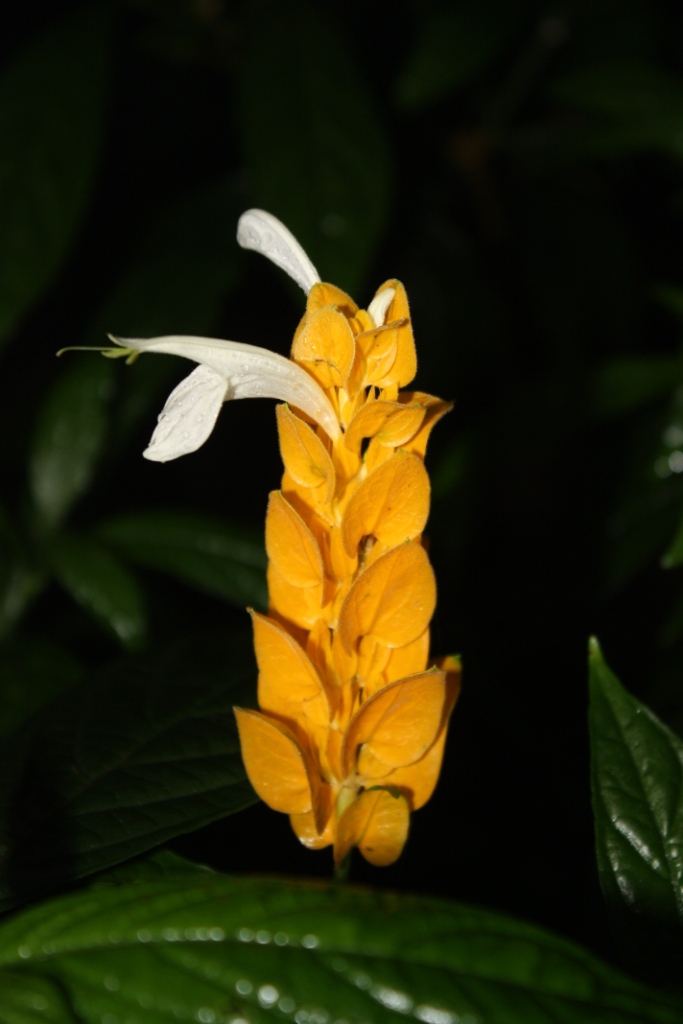
Taken in July of 2014 in Munnar






 Tiger Riding for Beginners