It was many and many a year ago,
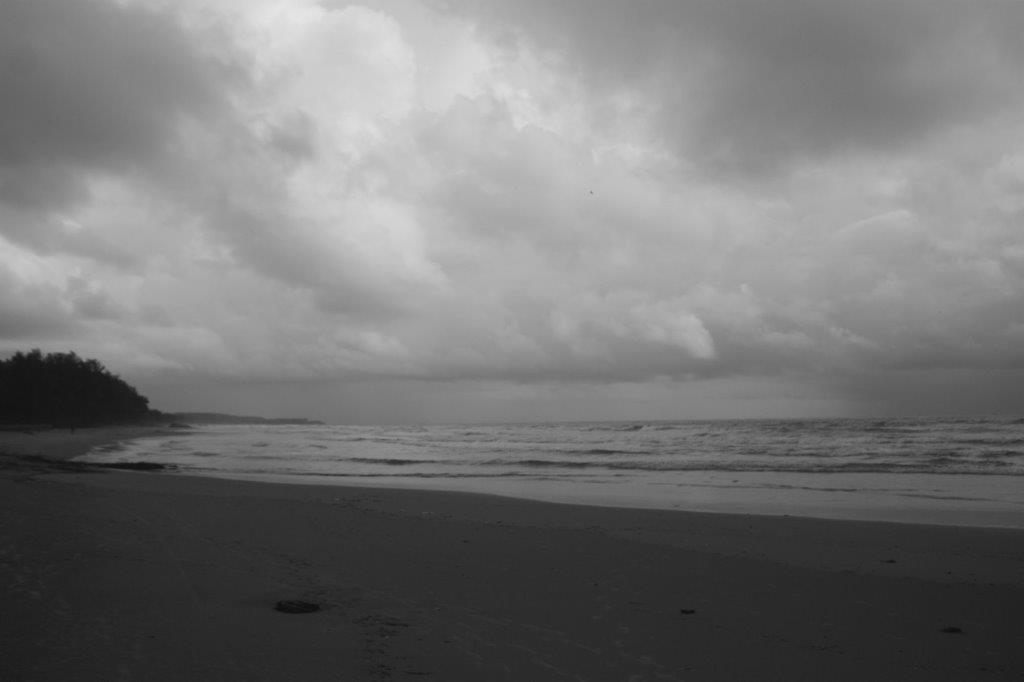
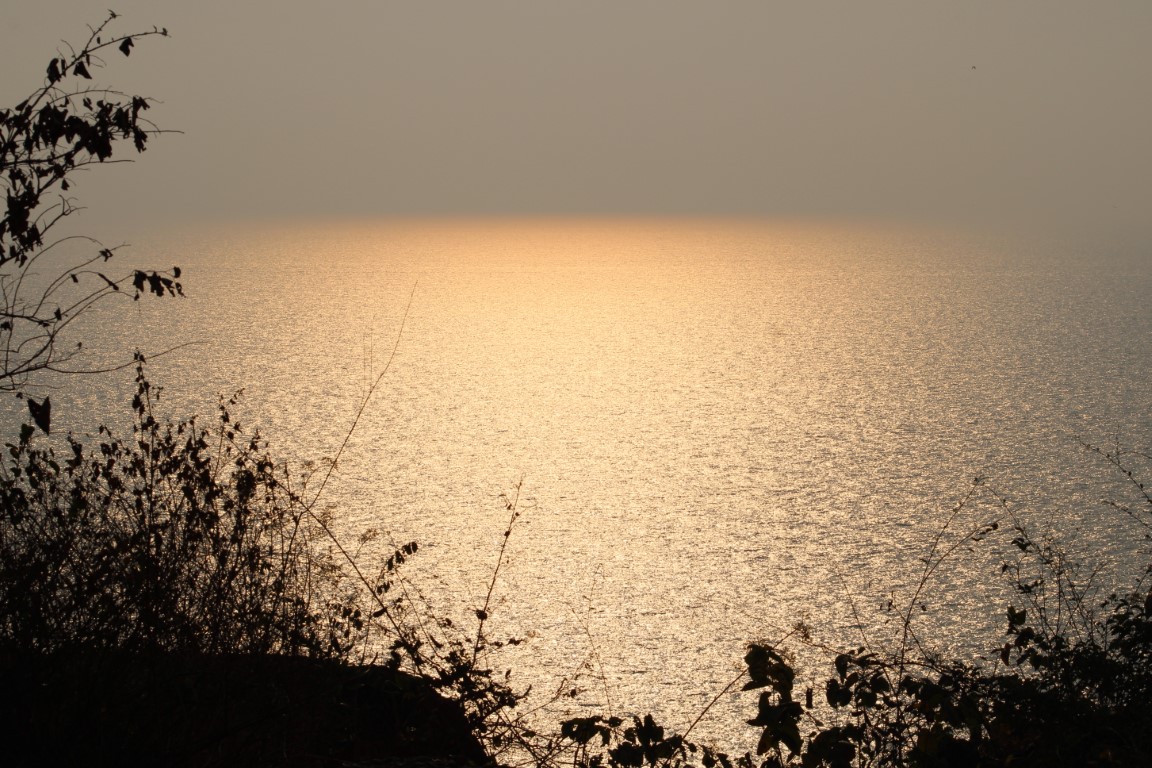
   In a kingdom by the sea,
 That a maiden there lived whom you may know
   By the name of Annabel Lee;
 And this maiden she lived with no other thought
   Than to love and be loved by me.

I was a child and she was a child,
   In this kingdom by the sea,
 But we loved with a love that was more than love --
   I and my Annabel Lee --
 With a love that the winged seraphs of Heaven
   Coveted her and me.

And this was the reason that, long ago,
   In this kingdom by the sea,
A wind blew out of a cloud, chilling
   My beautiful Annabel Lee;
So that her highborn kinsman came
   And bore her away from me,
 To shut her up in a sepulchre
    In this kingdom by the sea.

The angels, not half so happy in Heaven,
   Went envying her and me ---
 Yes! -- that was the reason (as all men know,
   In this kingdom by the sea)
 That the wind came out of the cloud by night,
   Chilling and killing my Annabel Lee.

But our love it was stronger by far than the love
   Of those who were older than we --
   Of many far wiser than we --
 And neither the angels in Heaven above
   Nor the demons down under the sea
 Can ever dissever my soul from the soul
   Of the beautiful Annabel Lee;

For the moon never beams, without bringing me dreams
   Of the beautiful Annabel Lee;
 And the stars never rise, but I feel the bright eyes
   Of the beautiful Annabel Lee;
 And so, all the night-tide, I lie down by the side
   Of my darling -- my darling -- my life and my bride,
   In her sepulchre there by the sea --
   In her tomb by the sounding sea.
Project Gutenberg
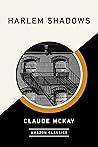
This 1922 poetry collection is wide-ranging and beautifully composed. As the title hints, this is a product of that great literary and artistic movement known as the Harlem Renaissance.
The seventy-plus poems include sonnets and various other forms of poems, mostly lyric and rarely more than a couple pages in length. Besides being varied in form, they poems are also diverse of tone — from frank invectives on race to sweet love poems. They take New York as their home and tap into the verve of the day. The collection includes many of McKay’s best-known poems including: “If We Must Die,” “America,” and “Harlem Shadows.” Though bucolic beauties such as “Spring in New Hampshire” and “The Snow-Fairy” are not to be skipped over.
I enjoyed these poems and found them powerful and lyrical.
Long, too long America,
 Traveling roads all even and peaceful you learn'd from joys and prosperity only,
 But now, ah now, to learn from crises of anguish, advancing, grappling with direst fate and recoiling not,
 And now to conceive and show to the world what your children en-masse really are,
 (For who except myself has yet conceiv'd what your children en-masse really are?)
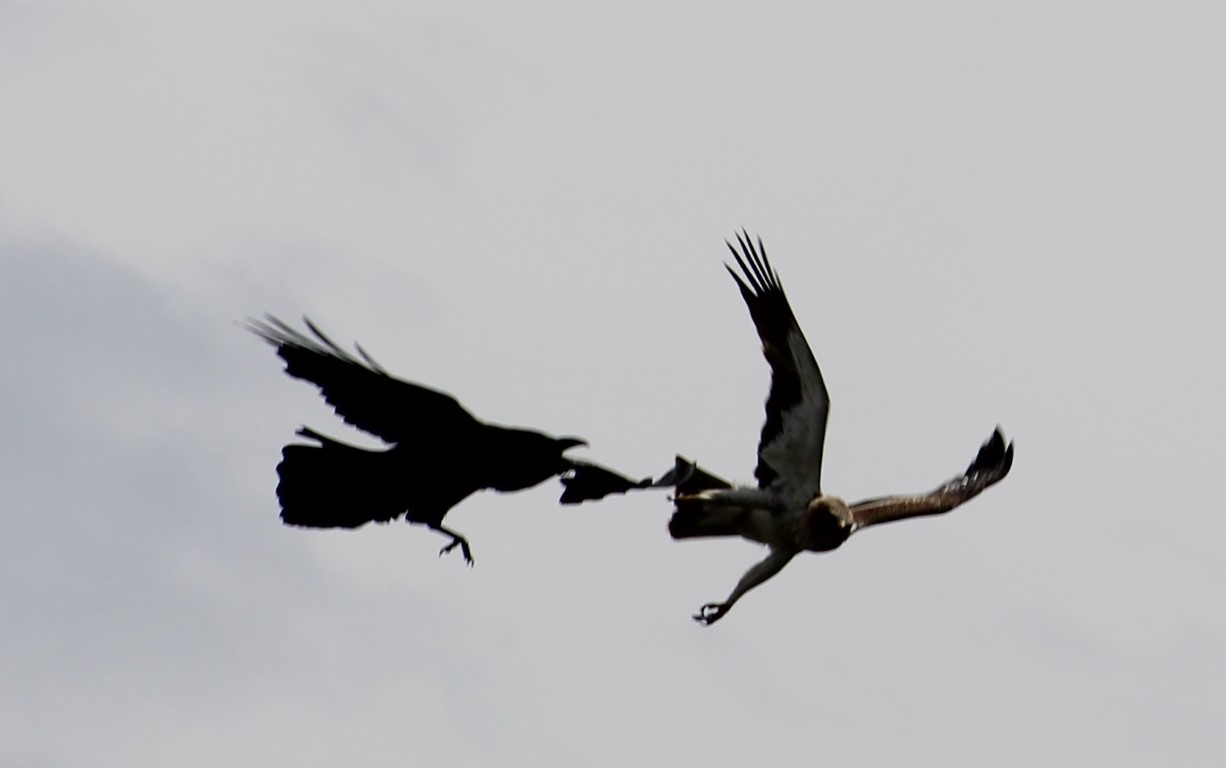
Their shadow dims the sunshine of our day,
 As they go lumbering across the sky,
 Squawking in joy of feeling safe on high,
 Beating their heavy wings of owlish gray.
  They scare the singing birds of earth away
  As, greed-impelled, they circle threateningly,
  Watching the toilers with malignant eye,
  From their exclusive haven -- birds of prey.
 They swoop down for the spoil in certain might,
 And fasten in our bleeding flesh their claws.
  They beat us to surrender weak with fright,
  And tugging and tearing without let or pause,
  They flap their hideous wings in grim delight,
  And stuff our gory hearts into their maws.
Gliding o'er all, through all,
 Through Nature, Time, and Space,
 As a ship on the waters advancing,
 The voyage of the soul -- not life alone,
 Death, many deaths I'll sing.