In placid hours well-pleased we dream
 Of many a brave unbodied scheme.
 But form to lend, pulsed life create,
 What unlike things must meet and mate:
 A flame to melt -- a wind to freeze;
 Sad patience -- joyous energies;
 Humility -- yet pride and scorn;
 Instinct and study; love and hate;
 Audacity -- reverence. These must mate,
 And fuse with Jacob's mystic heart,
 To wrestle with the angel -- Art.
Men say they know many things;
 But lo! they have taken wings, --
 The arts and sciences,
 And a thousand appliances;
   The wind that blows
   Is all that any body knows.
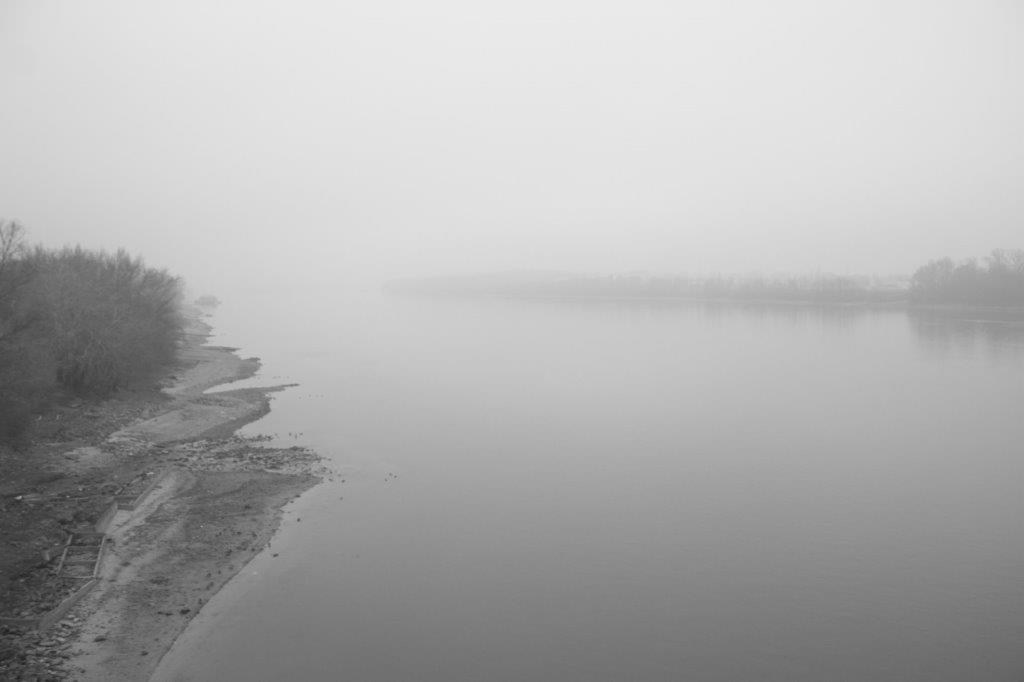
A cold rain blurs the edges of the river.
 Night enters Wu.
 In the level brightness of dawn
 I saw my friend start alone for the Ch'u mountain.
  I gave him this message for my friends and relations:
  My heart is a piece of ice in a jade cup.
This is the Amy Lowell translation of a poem by Tang Dynasty Poet, Wang Changling (王昌齡) --a.k.a. Shaobo (少伯)
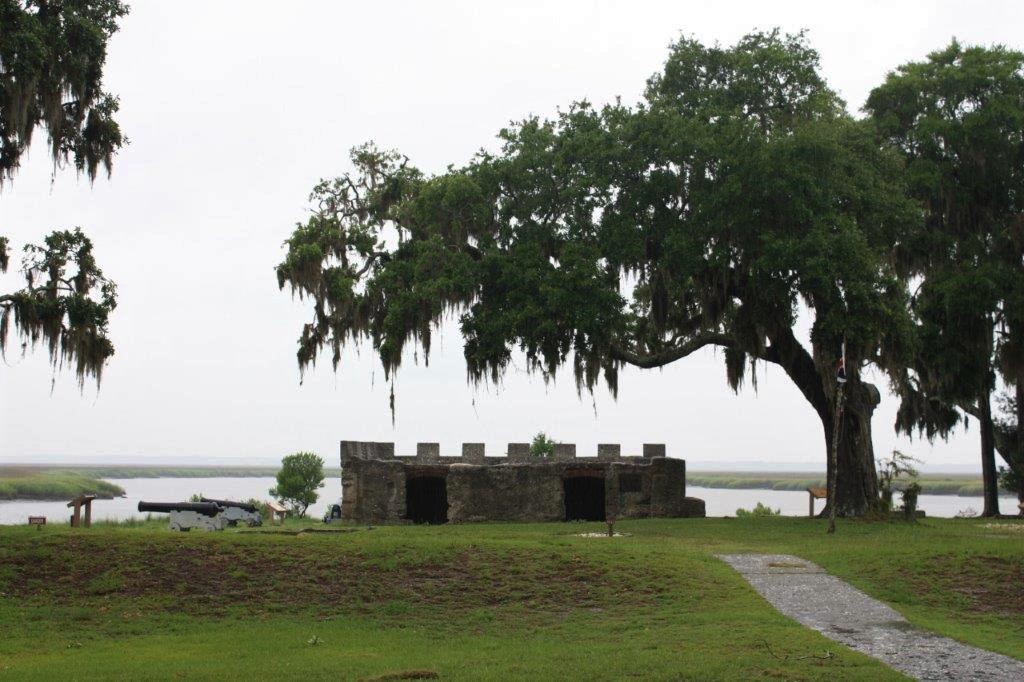
I saw in Louisiana a live-oak growing,
 All alone stood it and the moss hung down
   from the branches,
 Without any companion it grew there
   uttering joyous leaves of dark green,
 And its look, rude, unbending, lusty, made
   me think of myself,
 But I wonder'd how it could utter joyous
   leaves standing alone there without its
   friend near, for I knew I could not,
 And I broke off a twig with a certain
   number of leaves upon it, and twined
   around it a little moss,
 And brought it away, and I have placed it in
   sight in my room,
 It is not needed to remind me as of my own
   dear friends,
 (For I believe lately I think of little else than
   of them,)
 Yet it remains to me a curious token, it
   makes me think of manly love;
 For all that, and though the live-oak glistens
   there in Louisiana solitary in a wide flat
   space,
 Uttering joyous leaves all its life without a
   friend a lover near,
 I know very well I could not.
I counted till they danced so
   Their slippers leaped the town --
 And then I took a pencil
   To note the rebels down --
 And then they grew so jolly
   I did resign the prig --
 And ten of my once stately toes
   Are marshalled for a jig!
Available on Project Gutenberg
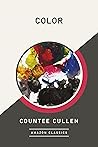
This excellent collection of lyric poetry is by one of the greats of the Harlem Rennaissance. The poems include a range of forms and sizes from single quatrain epitaphs to poems of several pages, with those in between (including a number of sonnets) being most common. Like Dickinson, Cullen had a fondness for common meter (a.k.a. hymn meter,) and it is prevalent throughout. The topics include serious matters, such as race and death, but there is no lack of whimsicality within these pages.
The book is divided into four sections: “Color,” “Epitaphs,” “For Love’s Sake,” and “Varia.” The first is the most serious of tone. (Interestingly, the epitaphs and other poems on death often take a lighthearted, even humorous, tone.)
I’d highly recommend this collection for poetry readers. It’s fun to read, and the poems are skillfully crafted.