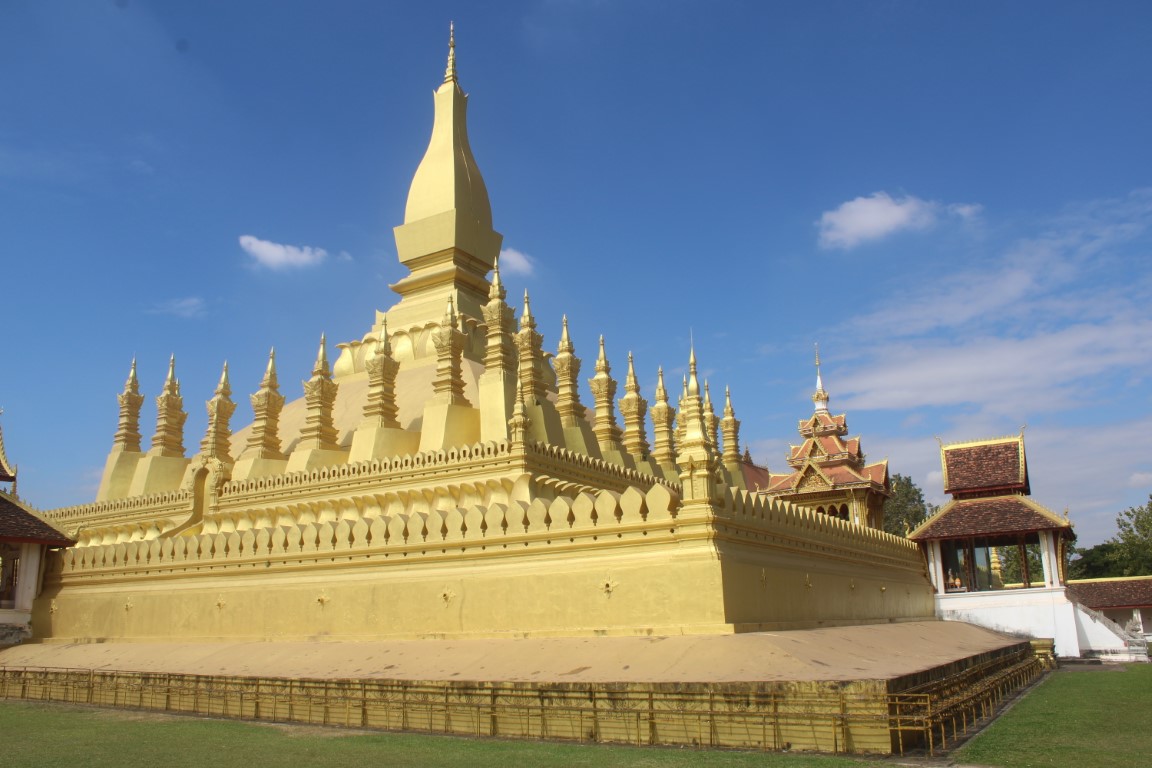
DAILY PHOTO: Pha That Luang, Vientiane

Image

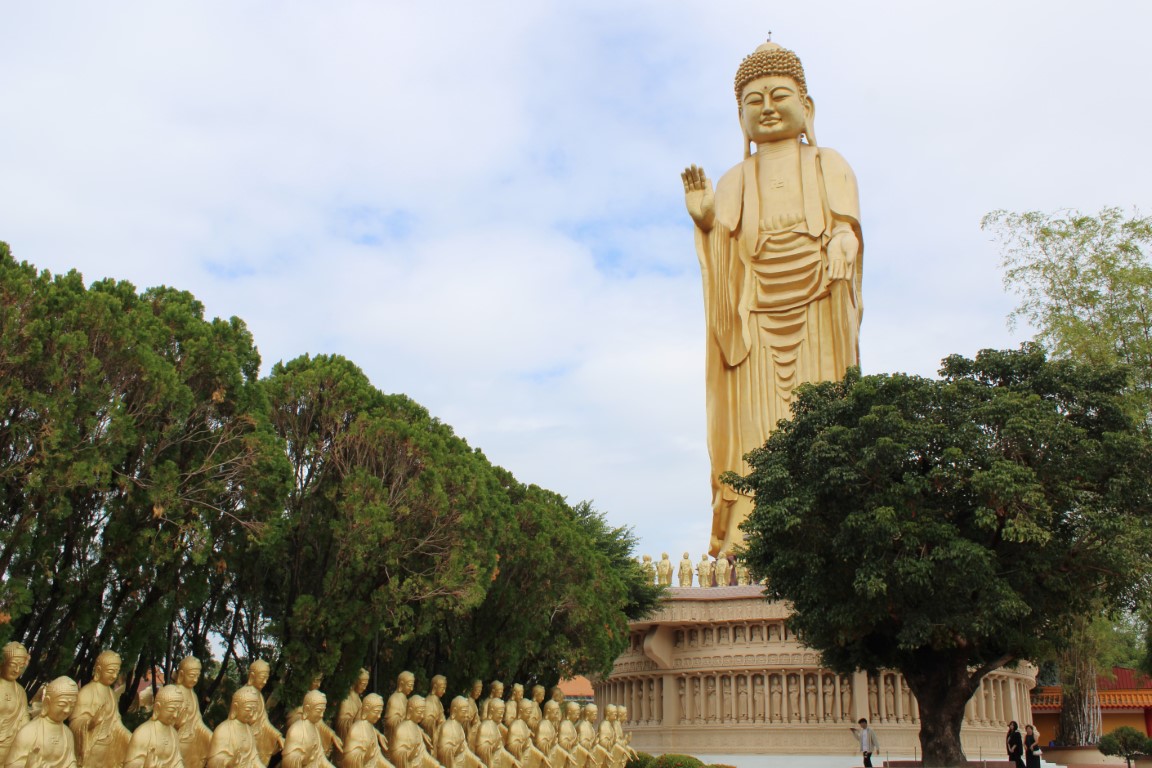
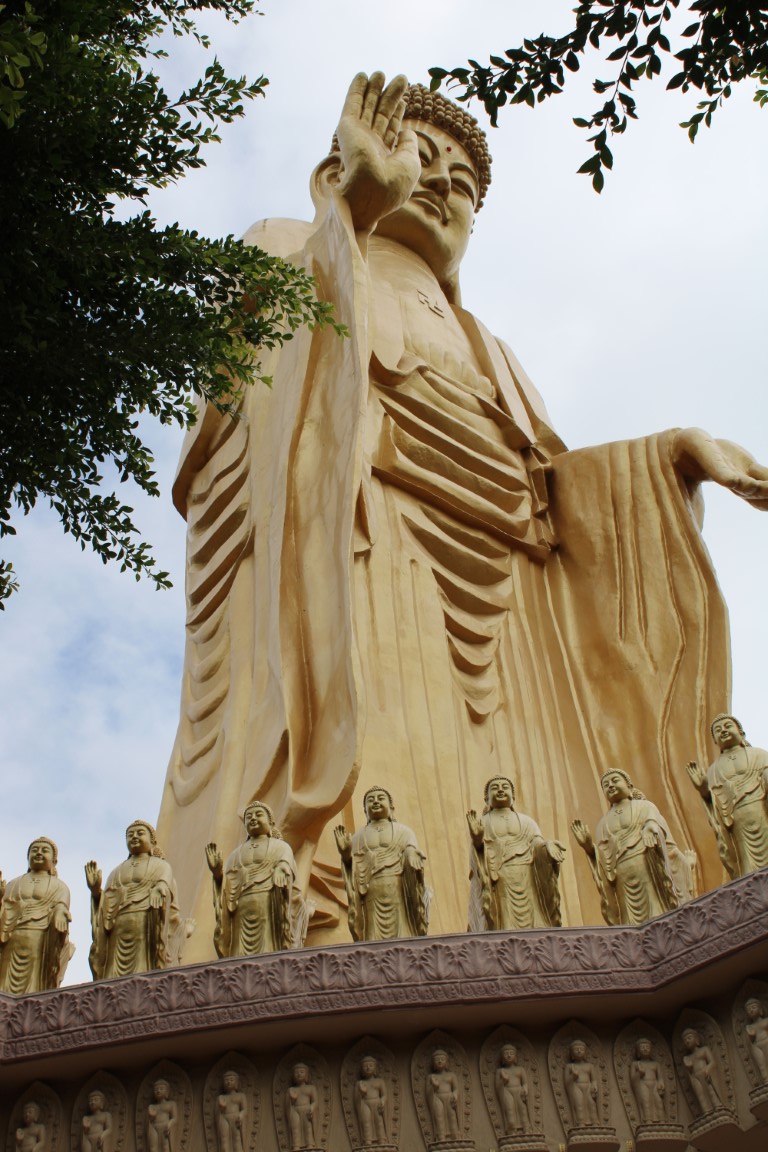
DAILY PHOTO: Great Buddha Land, Fo Guang Shan

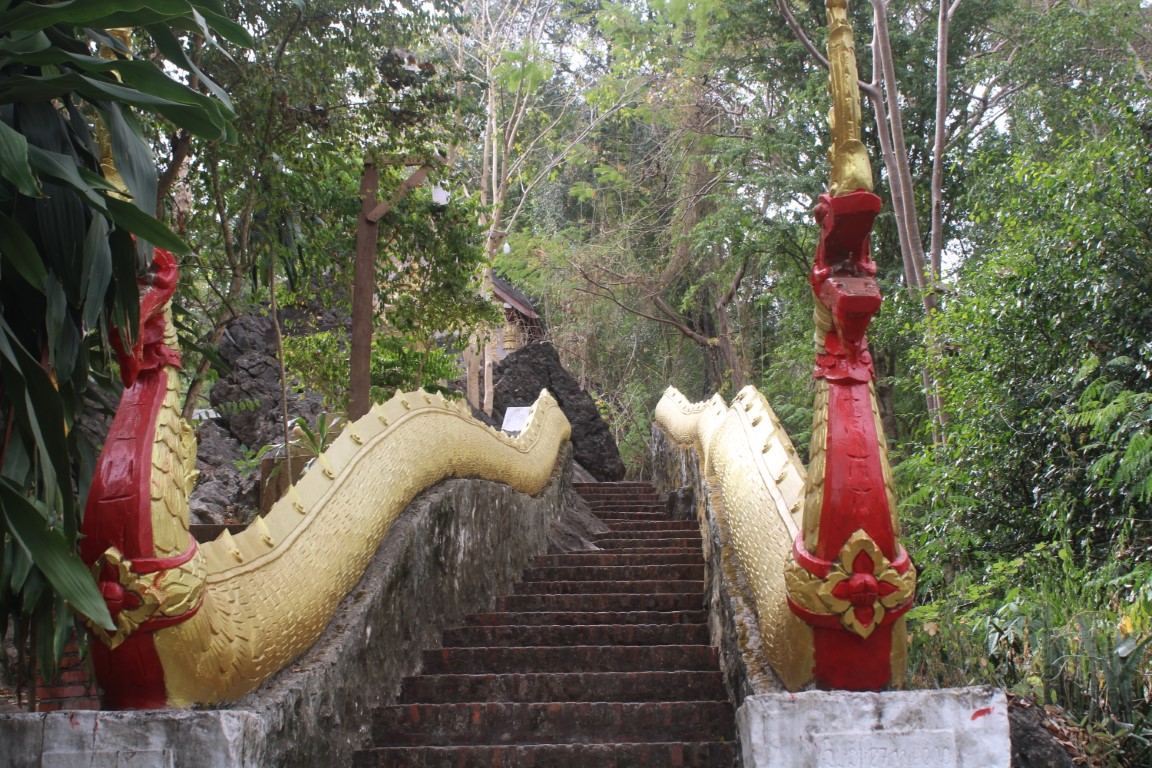
DAILY PHOTO: Wat Phramahathat Rajbovoravihane, Luang Prabang

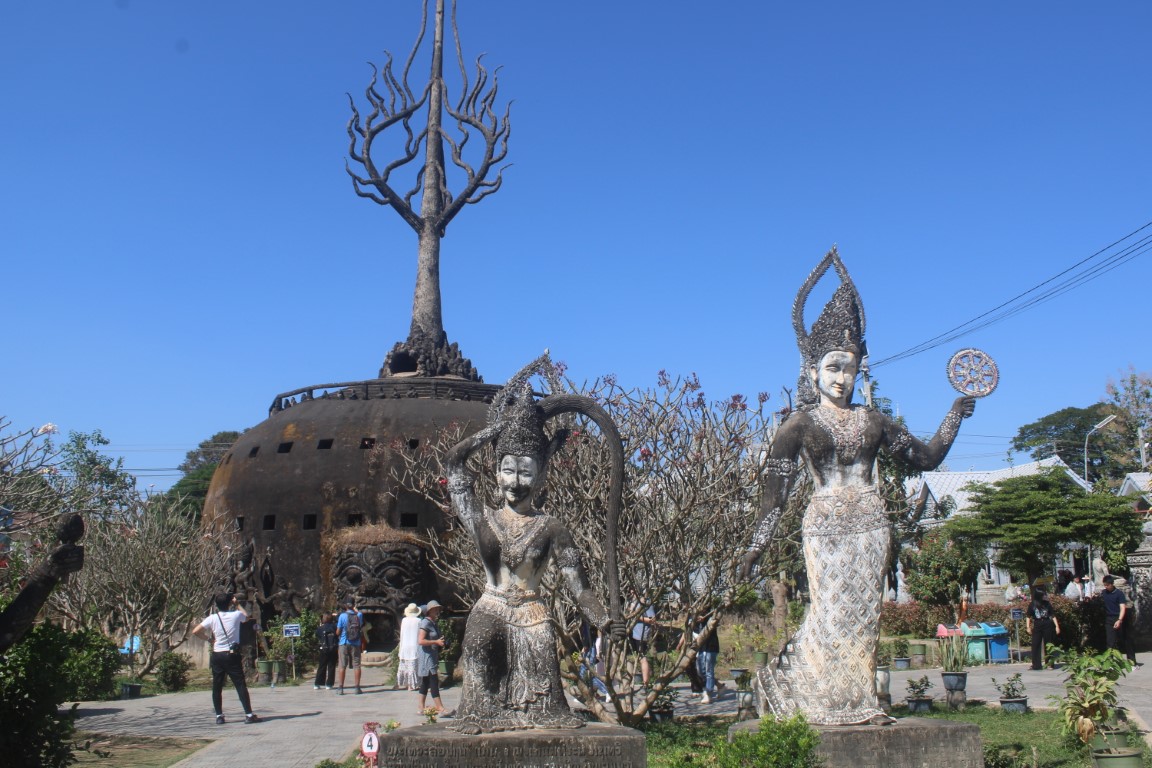
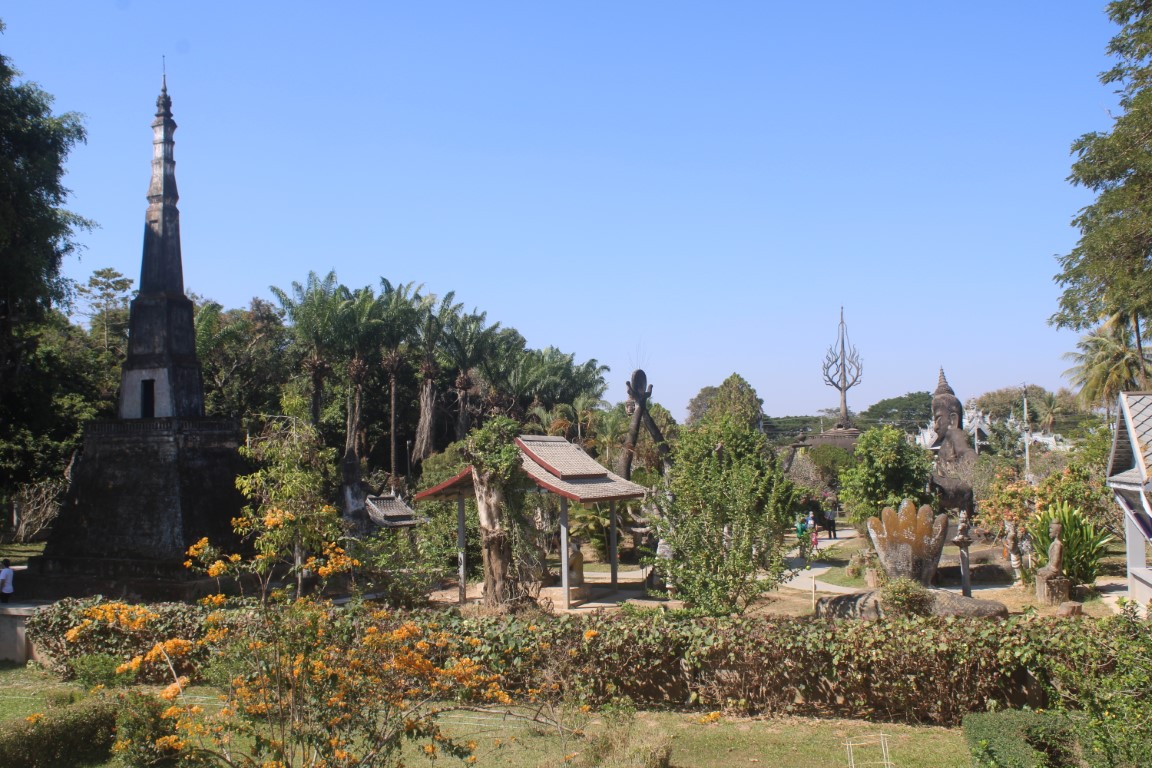
DAILY PHOTO: Black Stupa, Vientiane

That Dam Stupa (no, that is not a misspelling of a vulgarity)

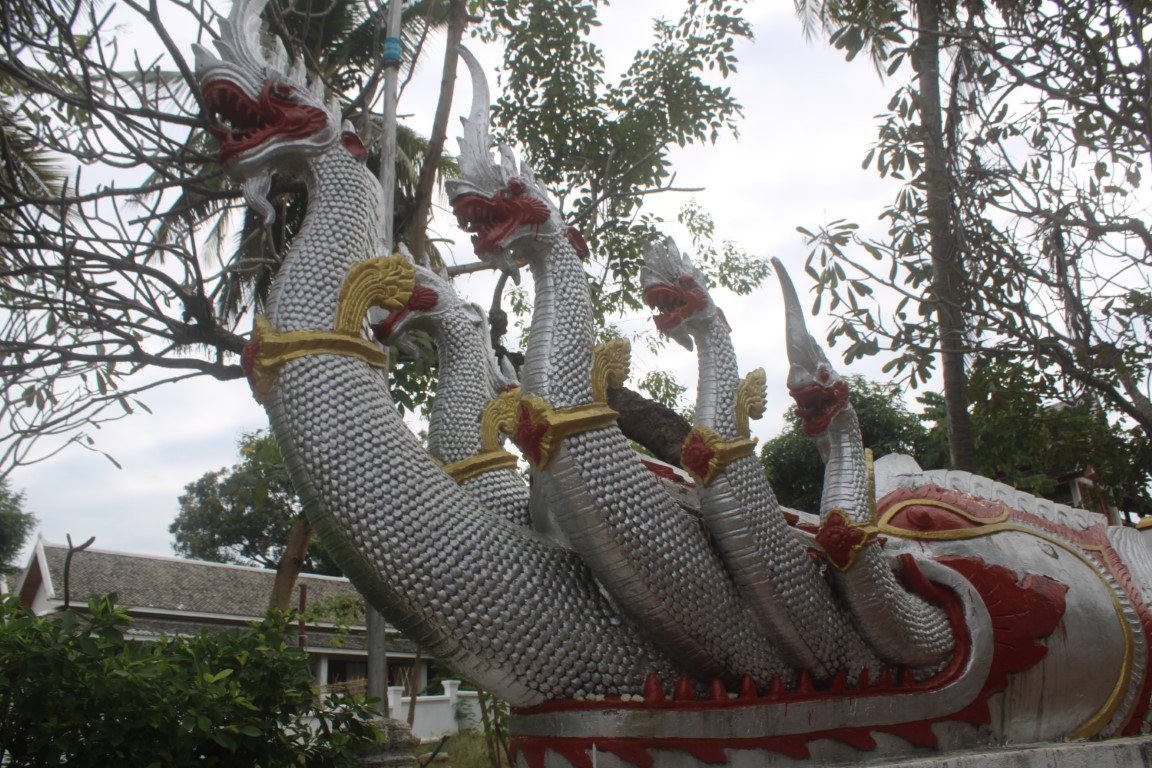
They say that a seven-headed Naga lives inside and has protected Laos from a Siamese invasion. (But, I did not see said Naga, and can give no testament.)

Worldly Concerns [Kyōka]

Buddha's lap,
a pigeon lands:
a monk shoos
the bird away,
but Buddha didn't mind.

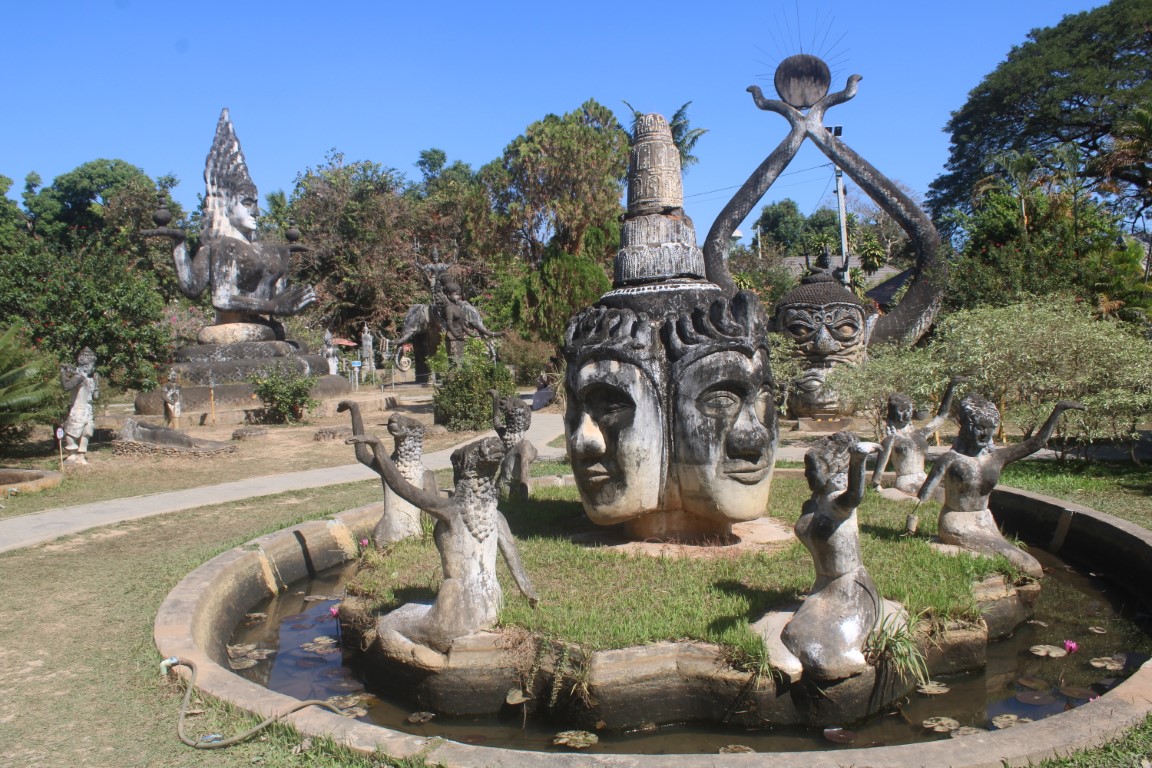
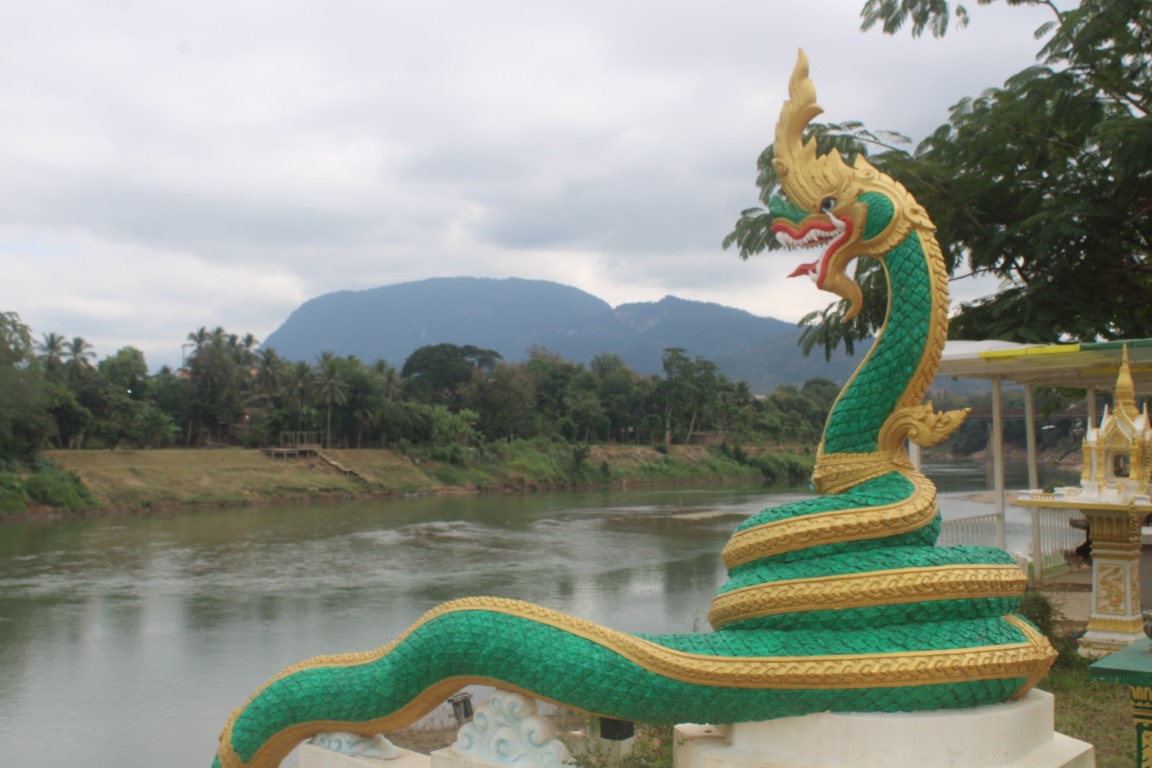
DAILY PHOTO: Naga & Water Lilies, Wat Don Muang

Image

DAILY PHOTO: Wat Sensoukharam by Night

DAILY PHOTO: Wat Sisaket, Vientiane

Library
Courtyard

Gold [Free Verse]

I wonder how the Buddha 
would feel about always being
depicted in Gold?

If the desire that he warned
about had color, surely
it would be Gold.

Nobody has ever murdered
over teal or mauve or cornflower
(heated words with
contractors notwithstanding)
but Gold's body-count is staggering.

Helen's puny thousand ships have
been multiplied over by orders
of magnitude for the cause of Gold.

I think the Buddha, looking at his
reflection in one of those well-
polished Gold statues would say,
"Did I teach you nothing?"

BOOKS: “The Secret of the Golden Flower” ed. / trans. by Thomas Cleary

The Secret of the Golden Flower: The Classical Chinese Book of LifeThe Secret of the Golden Flower: The Classical Chinese Book of Life by Lü Dongbin
My rating: 4 of 5 stars

Online – Archive.org

This is a manual on Taoist inner alchemy practices, particularly a meditative practice called “turning the light around.” The book has been attributed to Lü Dongbin, said to be an immortal who lived during the Tang Dynasty, though there are differing views about the manual’s actual origins. While it is nominally a Taoist manual, it also discusses the Buddhist approach extensively (and Confucian ideas to a lesser extent) such that it could be considered a Buddhist teaching as much as a Taoist one.

The Cleary translation seems to exist not merely to provide an English translation of this Chinese manual, but to combat the misunderstandings perpetrated by the earlier English translation, that of Richard Wilhelm, a translation famously associated with the psychoanalyst Carl Jung. Neither Wilhelm nor Jung had any depth of understanding of Taoist and Buddhist methods and philosophy, and Wilhelm’s grasp of the Chinese language, itself, seems to have been fairly rudimentary. (At least the Chinese of the 1600’s, which is when the edition that Wilhelm is believed to have worked from is dated.) Thus, there is a lot of peddling of the notion that the ideas of this manual were in line with twentieth century psychotherapy in ways that were really not true — either because Wilhelm was mistaken or wanted them to be true or some combination, thereof.

The translation, itself, is quite short and makes up less than half of the text length of this book. More than half consists of extensive notes as well as an Afterward. While I have complained many times about publishers padding out pamphlet length publications to make them salable at book prices, in this case I believe the “ancillary” matter is helpful to achieving a better understanding of the text. The translation itself is not only sparse but features a bit of Taoist and Buddhist arcana that is likely to be unfamiliar — even to those with some understanding of the traditions. The notes and afterward help one to comprehend this book’s ideas much better.

If you’re interested in Taoist inner alchemy or Buddhist meditative practices, this book is worth checking out. That said, it can be a bit of a tedious read, flipping between the translation and the notes to make sense of ideas that don’t readily translate.

View all my reviews