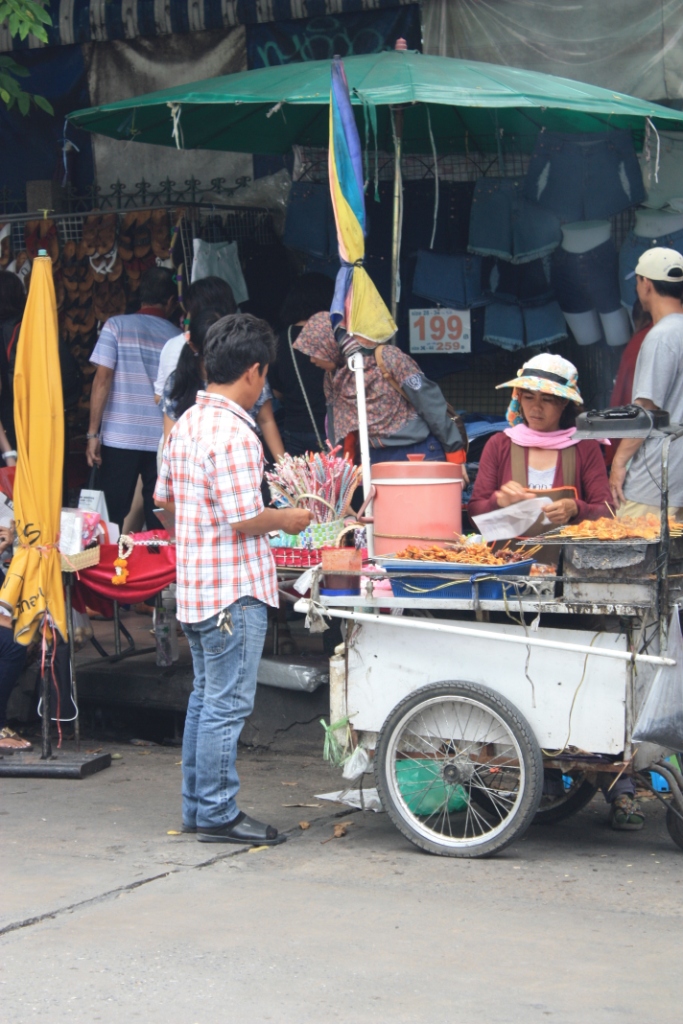
Taken in September of 2015 at Jatujak in Bangkok
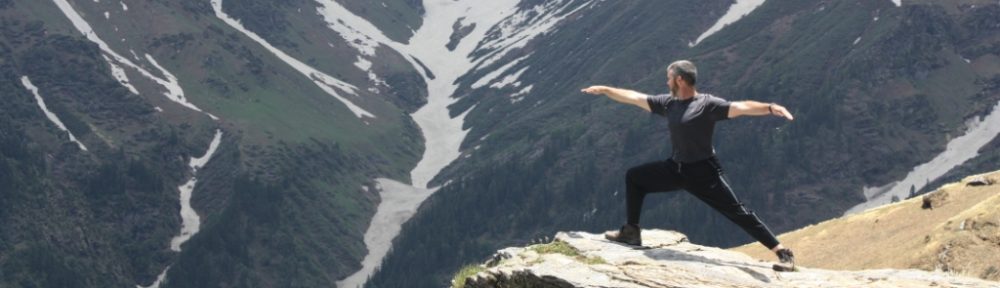

Taken in September of 2015 at Jatujak in Bangkok

Taken on October 11, 2015 in Bangalore
This is the “impulse buy” shelf next to the line for the register at a popular toy store. Thus confirming my belief that taking kids to a toy store might lead parents to get serious about their drinking.

Taken in July of 2010 at Saqsaywaman
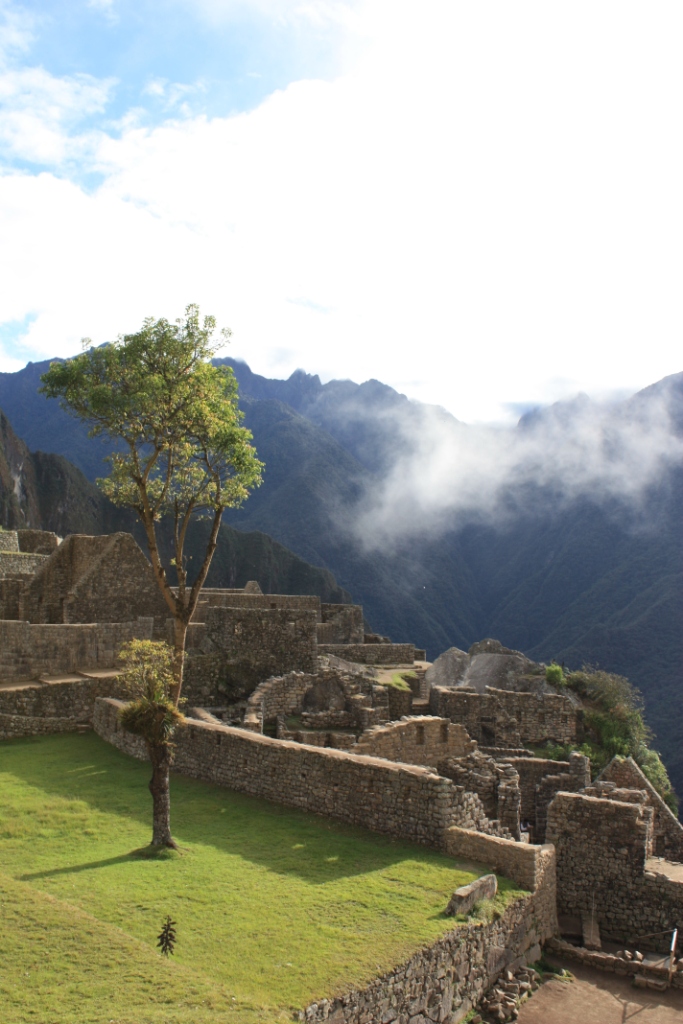
Taken in July of 2010 at Machu Picchu.
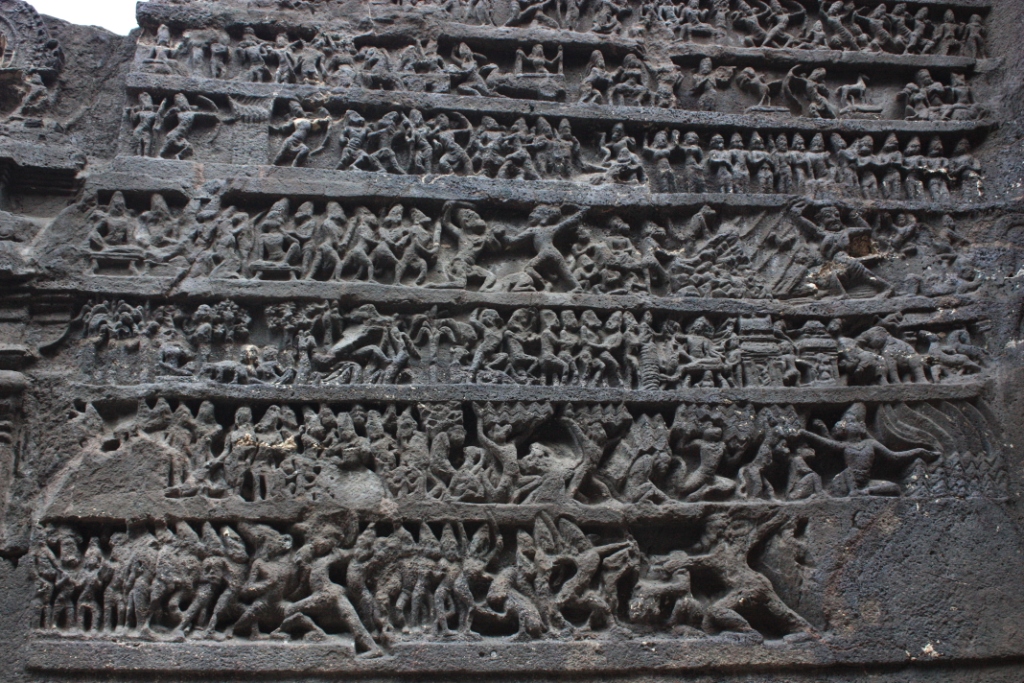
Taken in November of 2014 at Ellora Caves
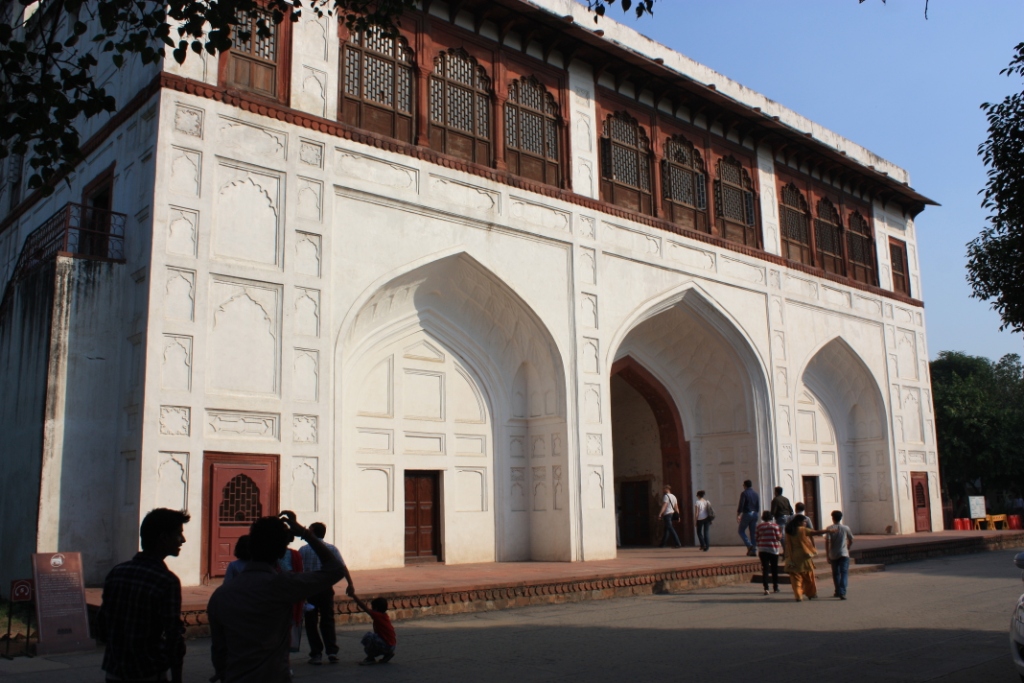
Taken in November of 2013 in Delhi
 Cimarronin: A Samurai in New Spain #1 by Neal Stephenson
My rating: 4 of 5 stars
Cimarronin opens in Manila in 1632 with a masterless samurai (i.e. a ronin, hence the latter part of the name) about to commit ritual suicide. The ronin, Kitazume, is interrupted by a Catholic priest who Kitazume knows and who—it’s hinted—has the kind of nefarious past that one has trouble reconciling with the priesthood. The priest offers Kitazume a mission.
The opening hooks one. It raises several questions that the reader will want answered: Why is a Japanese samurai hanging out in the Philippines in 1632? Students of Asian history will recognize that Japan’s long warring period is a couple of decades past and there are a lot of warriors out of work. But is that all? Is the priest really a priest, and, if so, how does a blackguard end up a holy man? And most crucially, will Kitazume take the mission, and—if so—will he succeed (and will he be glad he did?) The reader always knows that the priest has something up his sleeve, but it’s only gradually revealed what that is.
We soon discover that Kitazume has some skill as a detective. This enhances our curiosity about the character. The higher echelons of law enforcement in feudal Japan were staffed by samurai, but it still adds another interesting dimension to the character.
The three book collection continues with the discovery that the priest is facilitating the transport of a Manchu princess to Mexico. (Philippines to Mexico, hence the “New Spain” subtitle reference.) The priest’s plot unfolds in the middle book, and we get a better picture of his scheme.
The second book ends with a fight with the Cimarrones—a bellicose, indigenous tribe (and the reason for the first part of the title,) and in the third and final book the Manchu Princess’s own scheme is revealed. The differing goals of the various major characters set up the potential for an excellent story. Kitazume has the simplest goal: to have a mission that makes life worthwhile and to conduct his life with some semblance of the virtue for which the samurai were known. The priest and princess weave a more complex web of scheming.
The story is peppered with flashback sequences that give us some of Kitazume’s backstory, and a substantial part of the third book is such backstory. The graphic artist uses a subdued scheme to make it readily apparent which panels are flashback and which are in the timeline of the story arc.
As this is the first three books of a larger collection, the ending is lacking (which is to say it’s not so much an ending as the set up for the story to unfold.) The story is much stronger in its beginning than its ending. The third book ends trying to entice one to read the concluding volumes more than it tries to wrap anything up. This situation also results in the fact that we don’t get a good picture of why Kitazume is the lead character in the story. I suspect that’s why there is so much backstory, to try to build sympathy and curiosity for the character while making him weak enough that his success is not apparent. At any rate, Kitazume doesn’t come off as the strongest or most competent character in the book by a long shot. Hopefully, this is so that he can pull out an underdog save in the end, but that’s just speculation.
I found this collection to set up an interesting story, but it doesn’t stand alone. It does have plenty of action and intrigue. If the historical fiction premise intrigues you, you may want to get the complete collection.
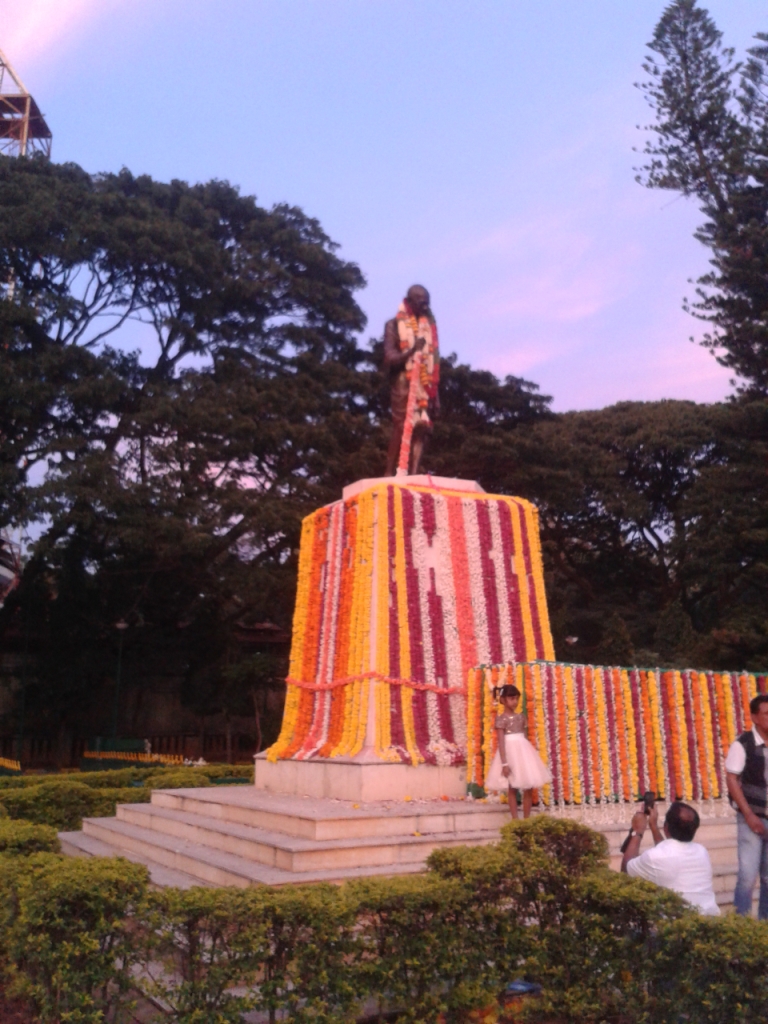
Taken on October 2, 2015 in MG Park, Bangalore
Take on Gandhi Jayanti, 2015.
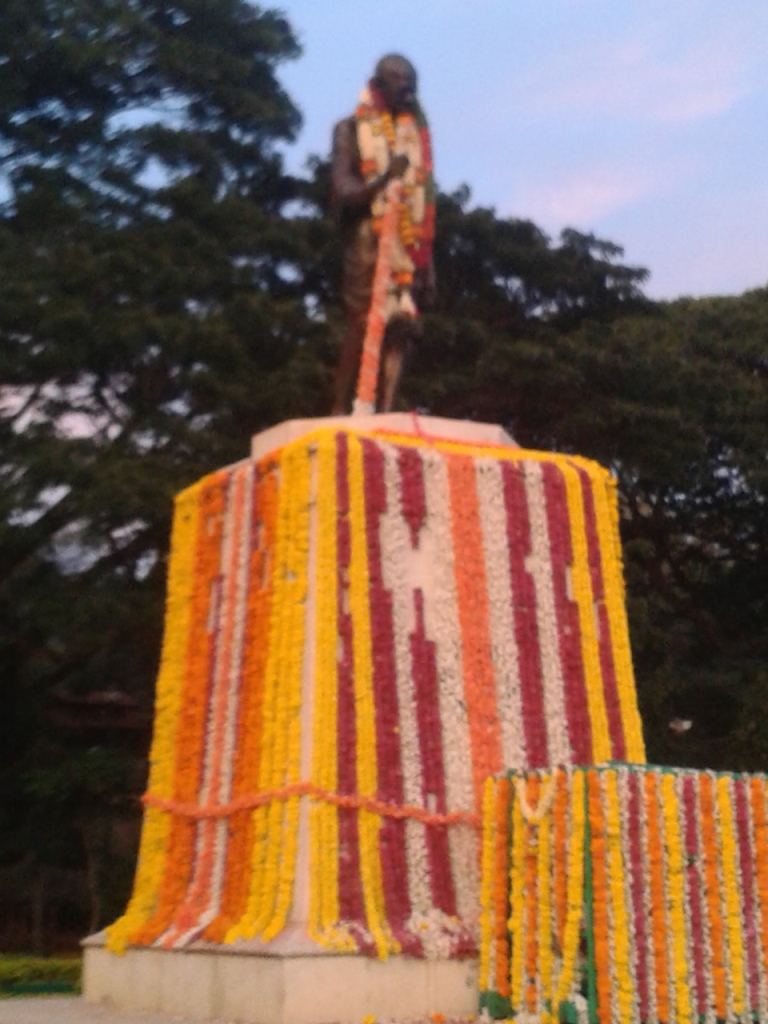
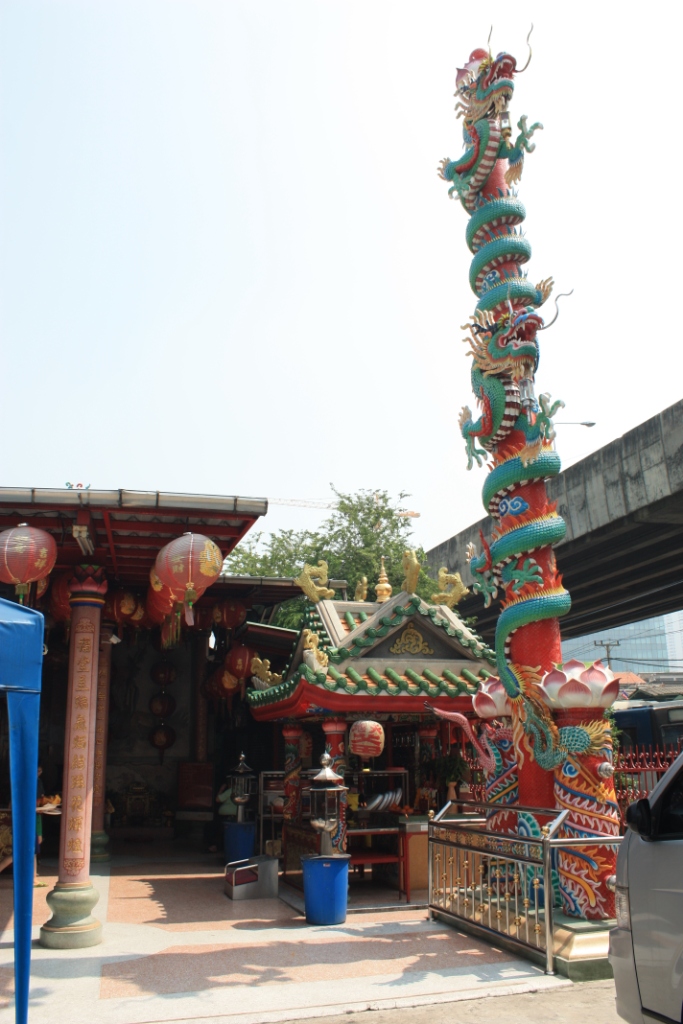
Taken on September 20, 2015 in Bangkok
Taken at Pek Leng Keng Mangkorn Khiew Shrine, Khlong Toei, Bangkok.


