Labyrinthine Lake [Haibun]

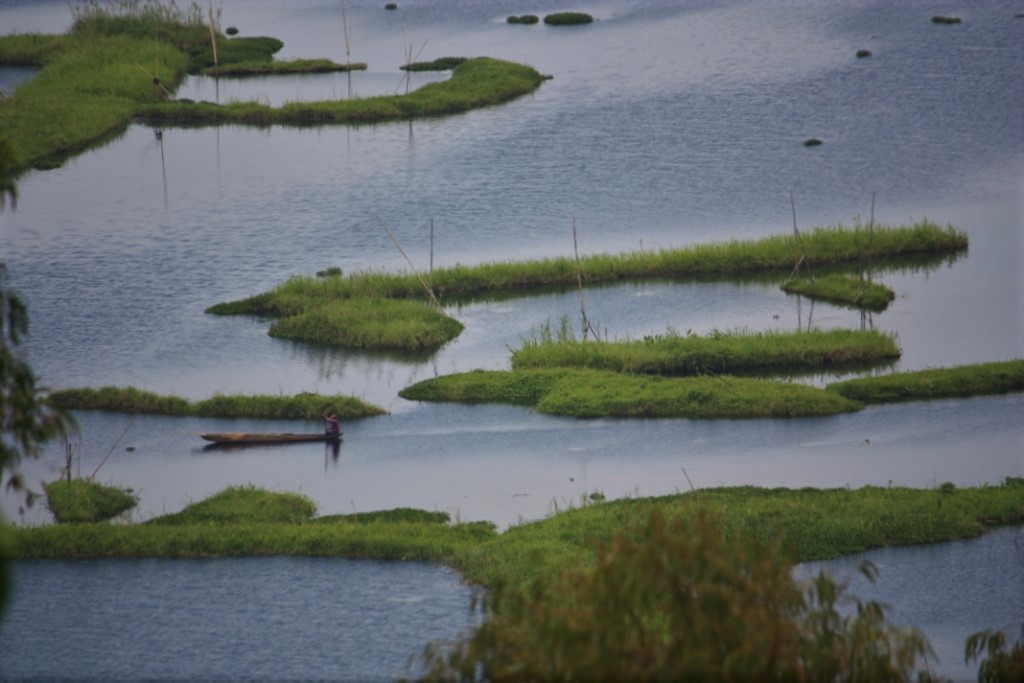
Patches of grassy land stand above the water. They lop up the lake into a labyrinth of passageways. Even in a shallow draft canoe, one can often see past the phumdi grass, but still one must know the tiny isles or be trapped among them.

a narrow boat
silently glides between
floating islands   

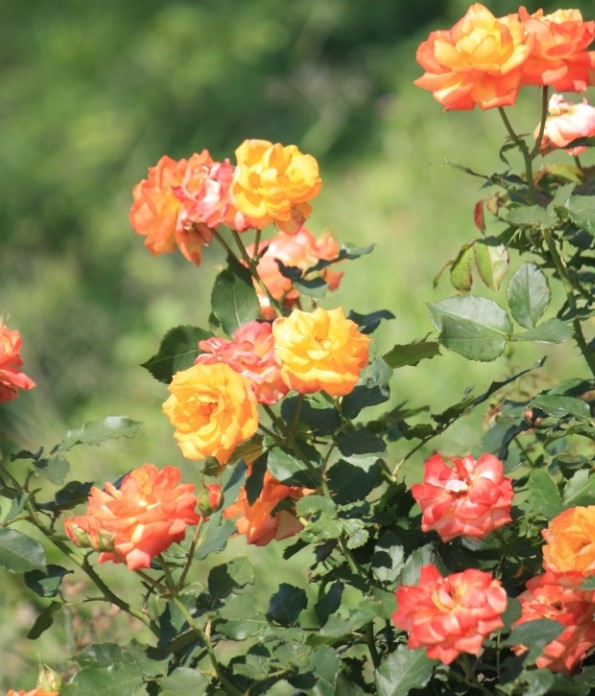
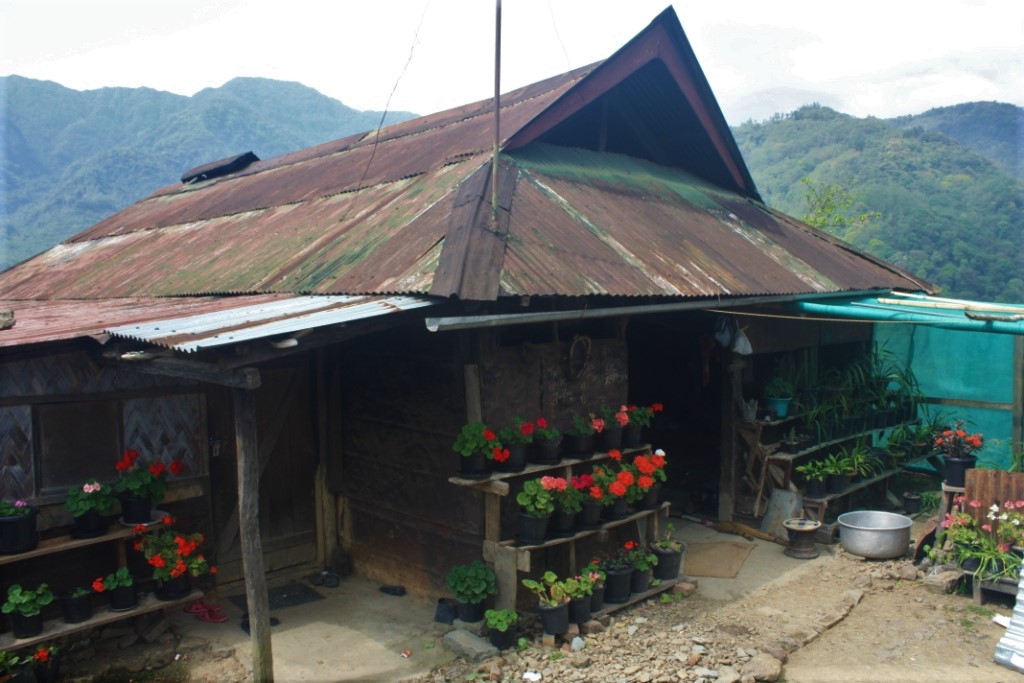
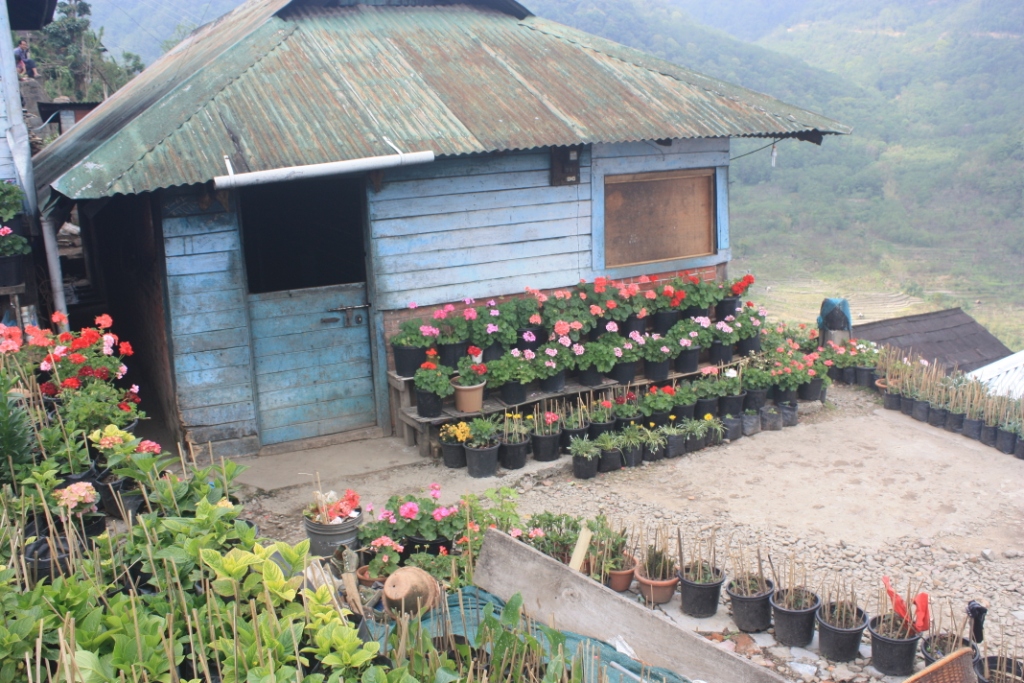
DAILY PHOTO: Flowery Households of Nagaland

Taken in Nagaland in May of 2017

Paddy Shacks [Haibun]

Near Khonoma, Nagaland
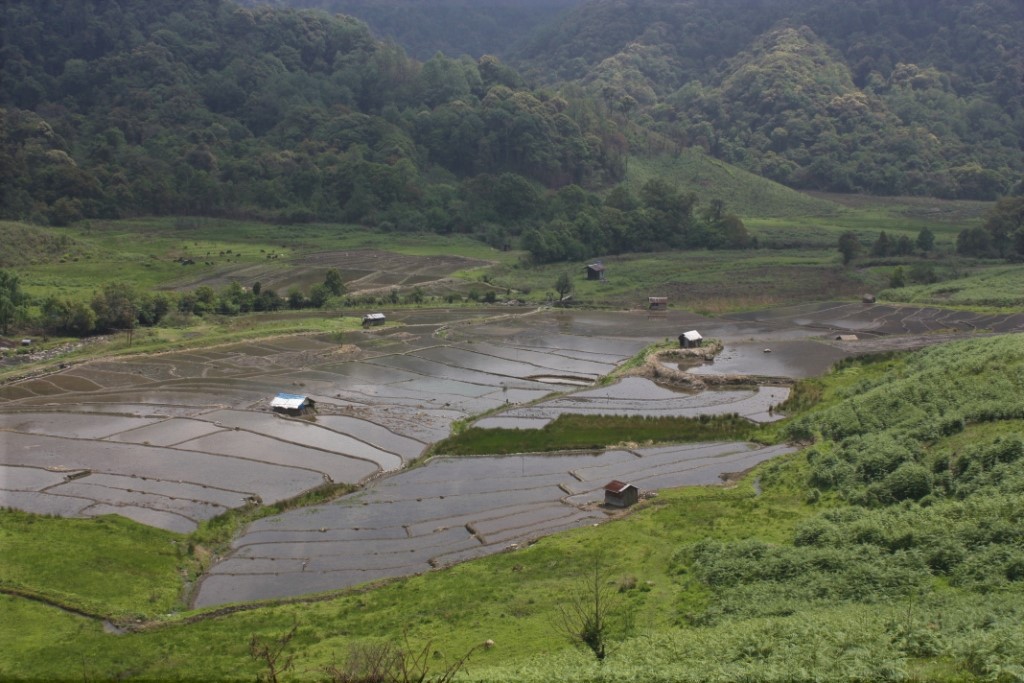
In a quiet valley, terraced rice paddies lie flooded but unsprouted, their glassy surfaces vaguely mirror the sky above. More than the narrow dykes, it's the mere inches of elevational difference that gives each irregular patch of water a distinct appearance. Each one is hit by light from the same distant source, and though they are as close to equidistant from that source as imaginable, each tells its own story in hue and glint. Amid the paddies, squat supply shacks pose as an inhospitable village -- all moat, no yard, and unneighborly distances between them. And yet there is something quaintly soothing about this fiction of a village.


squat shacks stand,
islands amid paddies --
a faux village 

Tea Swarm [Haibun]

The cone-hatted ladies converge on the plantation, a spreading swarm, picking the fresh green leaves, tossing them over the shoulder into a backpacked wicker basket, leaving behind a flattop trimmed tea shrub. The mid-day rains drive away the pickers for a short time, but they'll be back, squeezing between dripping tea trees, their skirts saturated with the cold morning rain that will steam off into a muggy afternoon.

tea pickers
head back to the fields
after mid-day rains

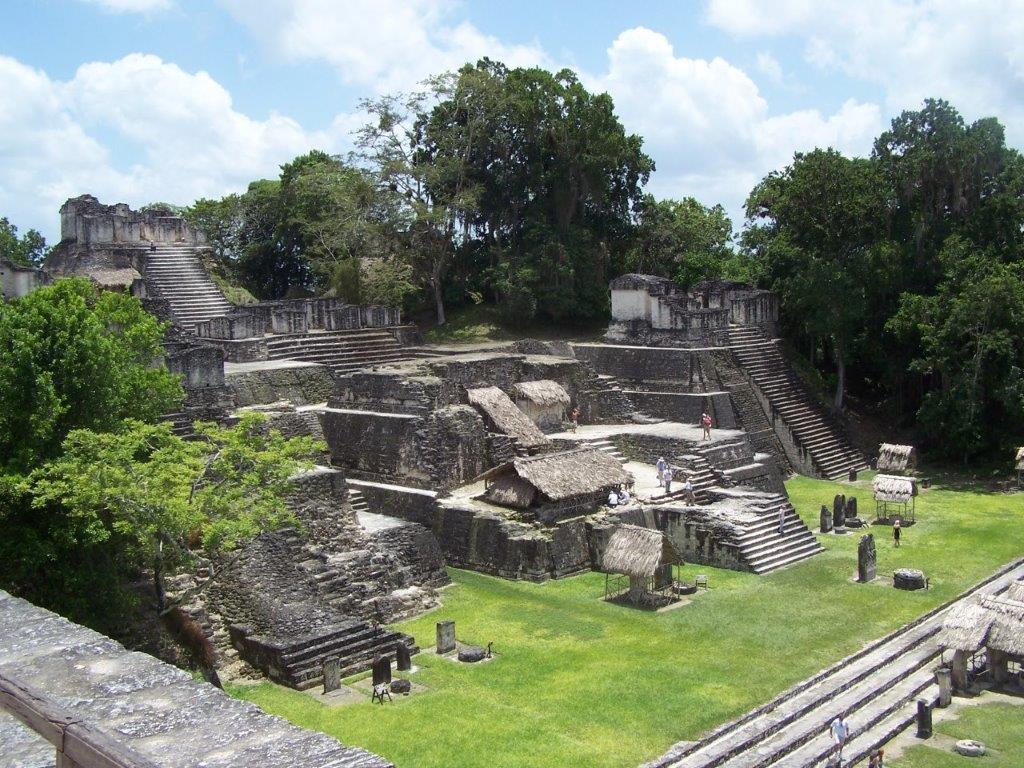
DAILY PHOTO: The Grand Plaza of Tikal

Taken at Tikal about ten years ago

BOOK REVIEW: Taboos and Transgressions ed. by Luanne Smith, Kerry Neville, and Devi S. Laskar

Taboos and Transgressions: Stories of WrongdoingsTaboos and Transgressions: Stories of Wrongdoings by Luanne Smith
My rating: 4 of 5 stars

Amazon.in Page

This anthology collects twenty-four gritty stories of familial dysfunction, lives in poverty, and various forms of wrongdoing. While there is a common theme and all the stories are situated in a realist context, there is a rich variety among the stories. A few are sparse and obscure, but most fit within the usual page range and level of story development for magazine published short stories. But there is considerable diversity to the “wrongdoing” of the story, ranging from subjective peccadillos to outright felonies, with the protagonist sometimes being the perpetrator but other times being victims or witnesses. Most, if not all, of the anthologized stories have been previously published.

Among my personal favorites were: “The God Box” (Michael Gaspeny,) “The Tao of Good Families” (Soniah Kamal,) “I Still Like Pink” (Francine Rodriguez,) “She Sheds Her Skin” (Kyle Ingrid Johnson,) and “Goatmartie” (J.C. Sasser.) That said, your preferences may vary, and the most famous authors with included pieces are probably Kim Addonizio (“True Crime”) and Joyce Carol Oates (“Gargoyle.”)

While the title might suggest erotica or even pornography, the included stories are literary fiction and, while some mention happenings that are properly taboo, few really revolve around those activities. There is some prostitution and unsubstantiated allegations of bestiality, but readers need not be concerned that there is anything sexually or violently graphic among the stories. (Certainly, no more than one would read in Philip Roth or Erica Jong.)

If you enjoy gritty, realist short stories, this collection offers a fine and diverse selection of such works.

View all my reviews

Bone Mountain [Haibun]

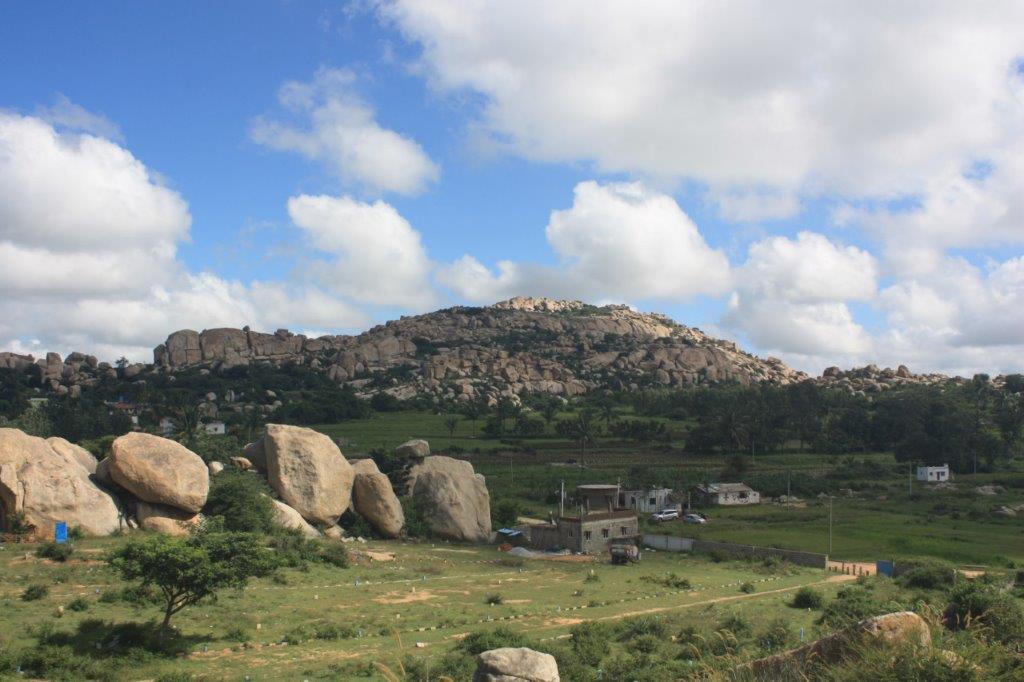
The landscape is strewn with boulders, its topography formed from piles of them, its flat fields dotted with them. These boulders are the remnants of a once mighty mountain -- an ancient mountain. 

People stand in awe of those rough, angular slabs of granite, standing a mile high. But those are the young whippersnappers. 

This mountain is so old that it's just a pile of bones, devoid of connective tissue or fleshy covering. It's a corpse of a mountain that has half buried itself.


the ancient mountain
is now bone-smooth boulders
its age unsung

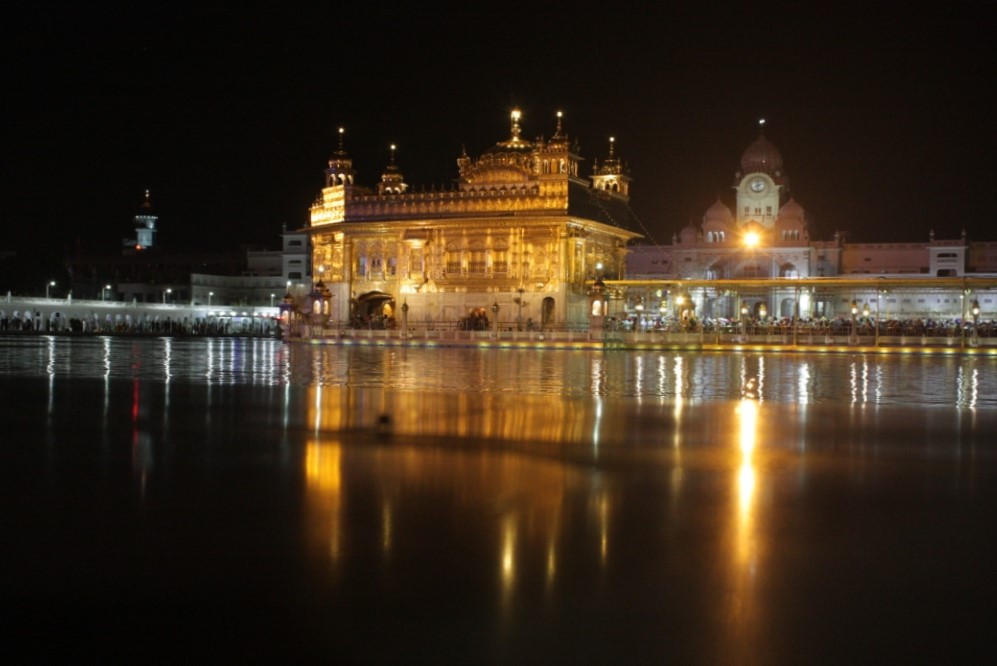
DAILY PHOTO: Two Unusual Views of the Golden Temple

BOOK REVIEW: Fiber Fueled by Will Bulsiewicz

Fiber Fueled: The Plant-Based Gut Health Program for Losing Weight, Restoring Your Health, and Optimizing Your MicrobiomeFiber Fueled: The Plant-Based Gut Health Program for Losing Weight, Restoring Your Health, and Optimizing Your Microbiome by Will Bulsiewicz
My rating: 4 of 5 stars

Amazon.in Page

This book advocates a high-fiber (i.e. plant-based) approach to eating. The book pairs a pop-sci dimension (explaining the science of why more fiber and plant-based foods would benefit most readers,) with a self-help dimension that supplies readers with a program by which they can pursue such a diet.

The book explains how the body’s microbiome breaks down fiber, producing Short-Chain Fatty Acids (SCFAs,) and discusses all the great things these molecules do for us. Speaking of the body’s microbiome, the book discusses how to keep it operating at its best, explaining all you need to know about prebiotics, probiotics, and postbiotics. It also explores the benefits of fermented foods, and the pros and cons of a range of other foods.

I liked that the book, by-and-large, takes both a scientific / pragmatic approach. For example, Bulsiewicz rejects the hype that everyone needs to abandon gluten (not just those with Celiac Disease.) I can’t say that the book is perfectly scientifically-objective. It does advocate that everyone quit dairy products. The author does present some of the evidence of benefits of dairy, but dismisses these as studies that must be supported by the dairy industry. [While I’m sure the dairy industry does fund studies, I doubt that they have a lock on the scholarly debate, i.e. sending out milk-goons to break the knee-caps of researchers.]

I didn’t find the dietary plan (Ch. 10) to be useful. While I eat a high-fiber / plant-dominant diet, I don’t take the extreme position that all non-plant food must be eliminated. That stance makes some of the recipes impractical. One needs a neighborhood Whole Foods to get some of the ingredients.

That said, the book offers a great explanation of why one should eat more foods that feed one’s microbiome, and it’s an excellent resource for those wishing to learning more.

View all my reviews