 The Sunny Nihilist: A Declaration of the Pleasure of Pointlessness
 by
Wendy Syfret
My rating:
5 of 5 stars
Amazon.in Page
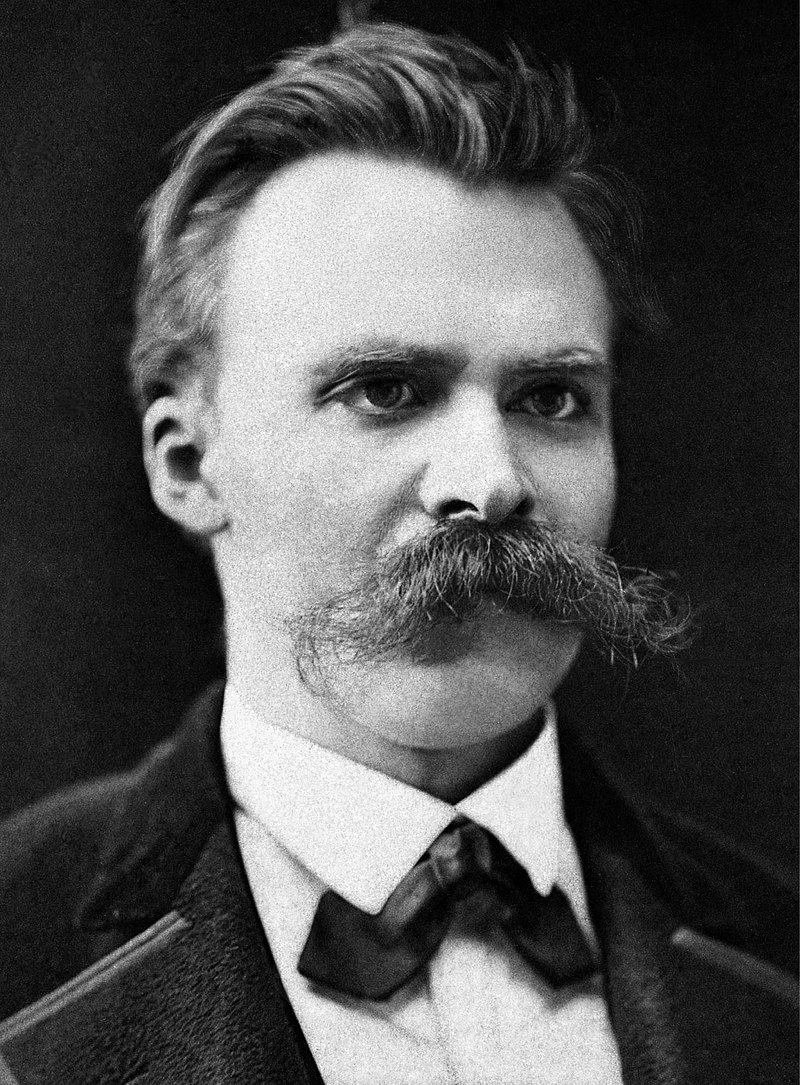
In this book length essay, Syfret proposes that the reader reconsider the much-maligned philosophy of Nietzsche, arguing not only that it needn’t lead one into a dreary morass of gloomy thinking, but that it might just help one live more in the now while escaping brutal cycles of self-punishment. She has her work cut out for her, but she doesn’t shy from the challenge. Much of what she discusses could just as easily be presented under the guise of the less melancholious brother school called Existentialism, but Syfret embraces the vilified term, at least it’s cheerier side, under the moniker “Sunny Nihilism.”
Nihilism proposes that there is no inherent “god-given” meaning to, or purpose of, life. There’s no god to create such meaning and purpose. This notion is accepted as a given by most scientifically-minded people today, but it still results in the occasional visceral dread. For cravers of meaning, the argument goes like this: at least some of life is suffering, why should I subject myself to suffering if there isn’t some grand purpose and plan.
The retort of many nihilists and existentialists goes, “You only feel that way because you’ve made mountains out of molehills through your obsession with meaning, purpose, and divine plans. The experience of being able to experience life is awesome, but you make the whole of life such a daunting prospect that anything that doesn’t turn out perfectly makes you angst-ridden. You worry far too much, and – what’s worse – you’re usually worried about the wrong things. You’re missing the freedom that comes from being able to choose for yourself what you value and to put your setbacks in perspective.”
The book also explores such related issues as: coping with the pandemic, millennial malaise, celebrity deification, and how technology and social media influence the light and the dark sides of nihilism.
I found the book to be thought-provoking, and I’d recommend it for anyone looking for a philosophy to help them live through the trials of our age.
View all my reviews
Share on Facebook, Twitter, Email, etc.





 Tiger Riding for Beginners