The shades of night were falling fast,
 As though an Alpine village passed
 A youth, who bore, 'mid snow and ice,
 A banner with the strange device,
     Excelsior!

His brow was sad; his eye beneath,
 Flashed like a falchion from its sheath,
 And like a silver clarion rung
 The accents of that unknown tongue,
     Excelsior!

In happy homes he saw the light
 Of household fires gleam warm and bright;
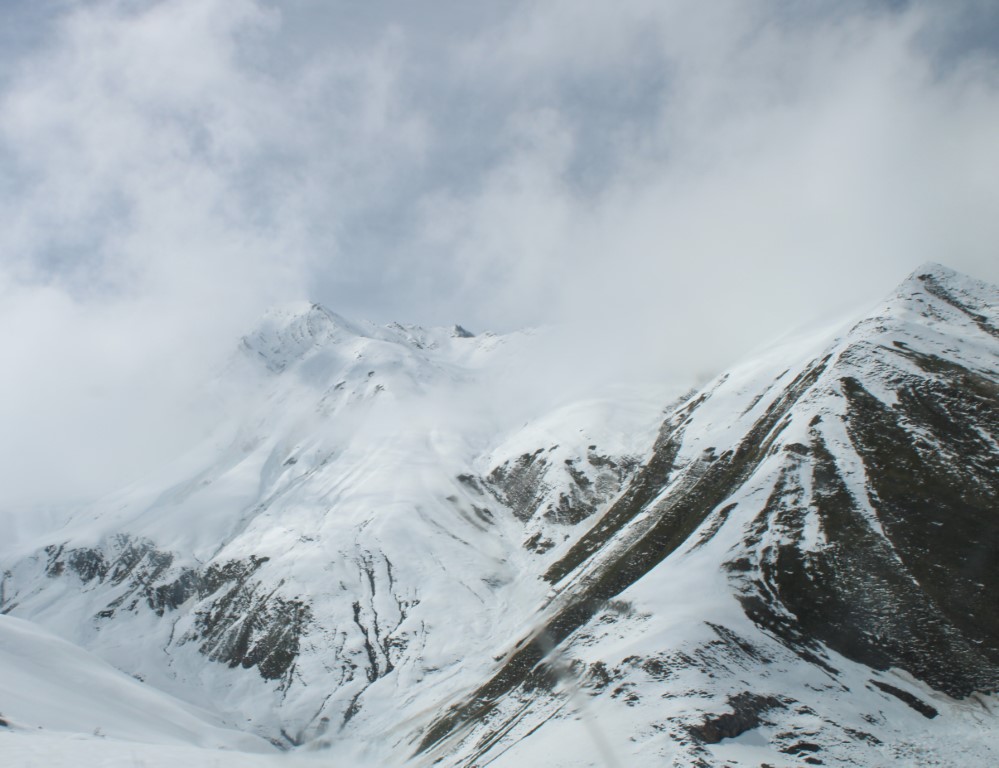
 Above, the spectral glaciers shone,
 And from his lips escaped the groan,
     Excelsior!

"Try not the Pass!" the old man said;
 "Dark lowers the tempest overhead,
 The roaring torrent is deep and wide!"
 And loud that clarion voice replied,
     Excelsior!

"Oh stay," the maiden said, "and rest
 Thy weary head upon this breast!"
 A tear stood in his bright blue eye,
 But still he answered, with a sigh,
     Excelsior!

"Beware the pine-tree's withered branch!
 Beware the awful avalanche!"
 This was the peasant's last Good-night,
 A voice replied, far up the height,
     Excelsior!

At break of day, as heavenward
 The pious monks of Saint Bernard
 Uttered the oft-repeated prayer,
 A voice cried through the startled air,
      Excelsior!

A traveller, by the faithful hound,
 Half-buried in the snow was found,
 Still grasping in his hand of ice
 That banner with the strange device,
     Excelsior!

There in the twilight cold and gray,
 Lifeless, but beautiful, he lay,
 And from the sky, serene and far,
 A voice fell like a falling star,
     Excelsior!
Project Gutenberg edition
This epic poem borrows from American Indian folklore and legend to build a fictional life story for the protagonist, Hiawatha. (There was an actual Hiawatha, but his life story apparently in no way resembles that of Longfellow’s Hiawatha, which is good because the fictional one had to deal with ghosts, tricksters, and deities.) The poem is part hero’s trials, part love story, and part tale of the supernatural, blending real world type tragedy with an otherworldly form.
The choice of trochaic tetrameter makes the poem rhythmically readable, while evoking a drumming sound that contributes to atmospherics.
When the poem came out in the mid-19th century, it faced some controversy. It was claimed that it was a knock off of the Kalevala of Finland. Longfellow’s reply was that he was influenced by that poem’s rhythm (the Kalevala is also trochaic,) but that all the plot events where from his conversations with American Indians and researchers, thereof, (or, presumably his own imagination,) and that any coincidence of events was owing to the broad brushstrokes of them both being heroic tales.
I enjoyed reading this poem and would highly recommend it for poetry readers and lovers of American Literature.
The day is cold, and dark, and dreary;
 It rains, and the wind is never weary;
 The vine still clings to the mouldering wall,
 But at every gust the dead leaves fall,
   And the day is dark and dreary.

My life is cold, and dark, and dreary;
 It rains, and the wind is never weary;
 My thoughts still cling to the mouldering past,
 But the hopes of youth fall thick in the blast,
   And the days are dark and dreary.

Be still, sad heart, and cease repining;
 Behind the clouds is the sun still shining;
 Thy fate is the common fate of all,
 Into each life some rain must fall,
   Some days must be dark and dreary.
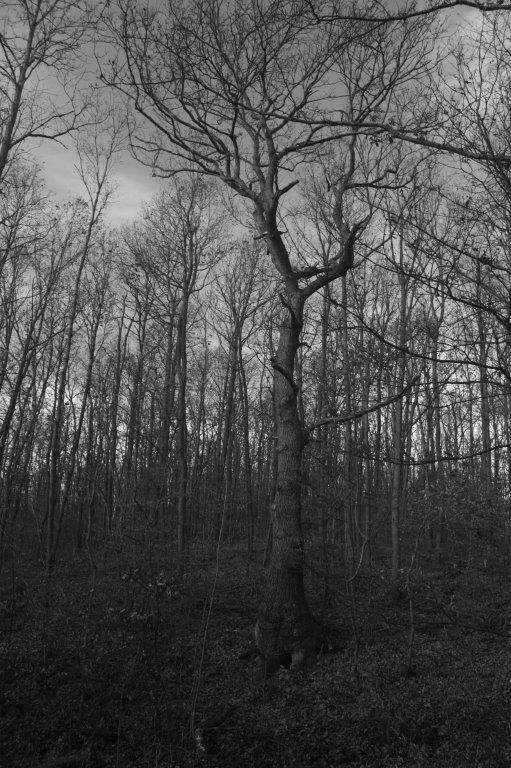
Out of the bosom of the Air,
   Out of the cloud-folds of her garments shaken,
 Over the woodlands brown and bare,
   Over the harvest-fields forsaken,
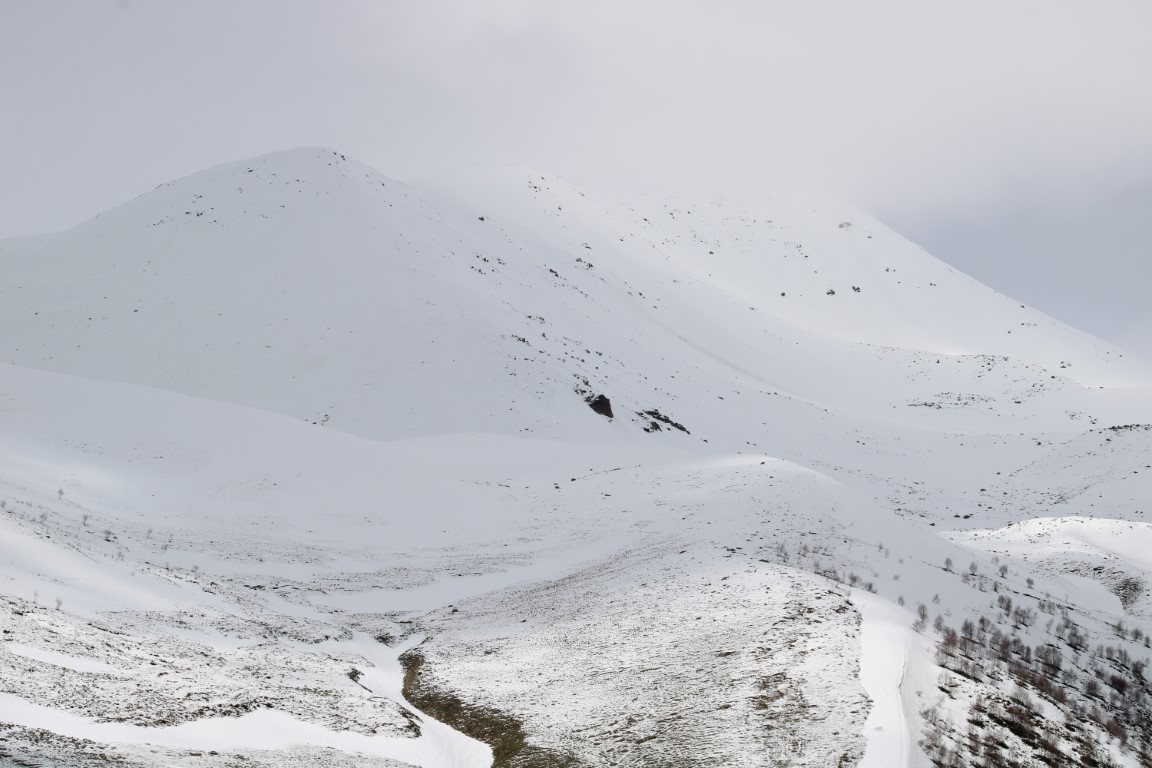
      Silent, and soft, and slow
      Descends the snow.

Even as our cloudy fancies take
   Suddenly shape in some divine expression,
 Even as the troubled heart doth make
   In the white countenance confession,
      The troubled sky reveals
      The grief it feels.

This is the poem of the air,
   Slowly in silent syllables recorded;
 This is the secret of despair,
   Long in its cloudy bosom hoarded,
      Now whispered and revealed
      To wood and field.
In the long, sleepless watches of the night,
 A gentle face -- the face of one long dead --
 Looks at me from the wall, where round its head
 The night-lamp casts a halo of pale light.
Here in this room she died; and soul more white
 Never through martyrdom of fire was led
 To its repose; nor can in books be read
 The legend of a life more benedight.
There is a mountain in the distant West
 That, sun-defying, in its deep ravines
 Displays a cross of snow upon its side.
Such is the cross I wear upon my breast
 These eighteen years, through all the changing scenes
 And seasons, changeless since the day she died.
There was a little girl,
   Who had a little curl,
 Right in the middle of her forehead.
   When she was good,
   She was very good indeed,
 But when she was bad she was horrid.
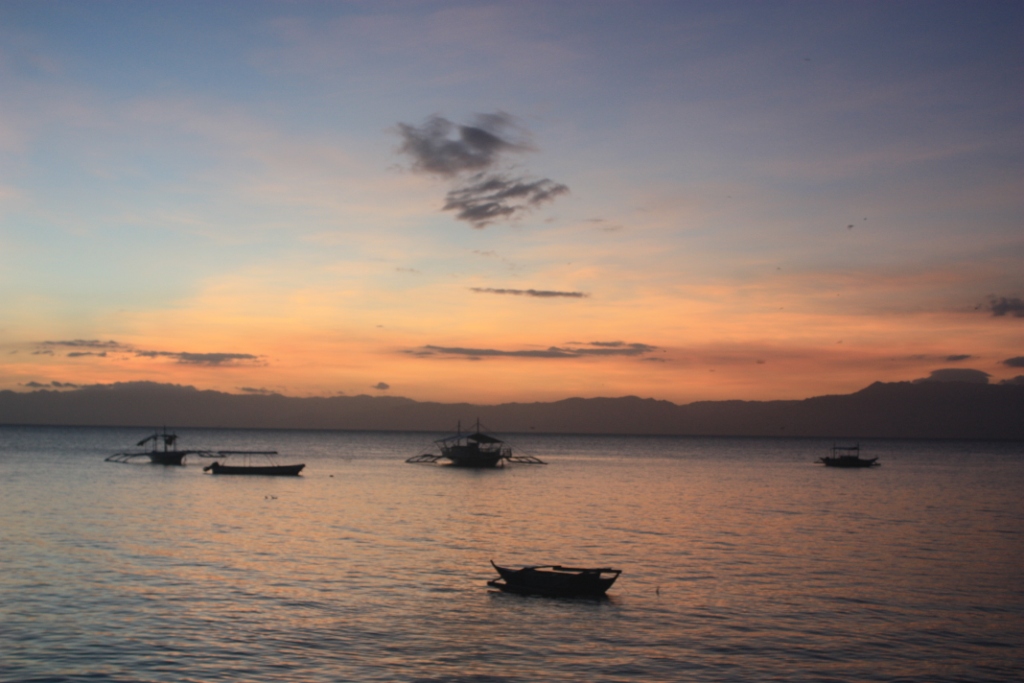
The tide rises, the tide falls,
 The twilight darkens, the curlew calls;
 Along the sea-sands damp and brown
 The traveller hastens toward the town,
          And the tide rises, the tide falls.

Darkness settles on roofs and walls,
 But the sea, the sea in the darkness calls;
 The little waves, with their soft, white hands,
 Efface the footprints in the sands,
          And the tide rises, the tide falls.

The morning breaks; the steeds in their stalls
 Stamp and neigh, as the hostler calls;
 The day returns, but nevermore
 Returns the traveller to the shore,
          And the tide rises, the tide falls.












 Tiger Riding for Beginners