Hornbill [Haiku]

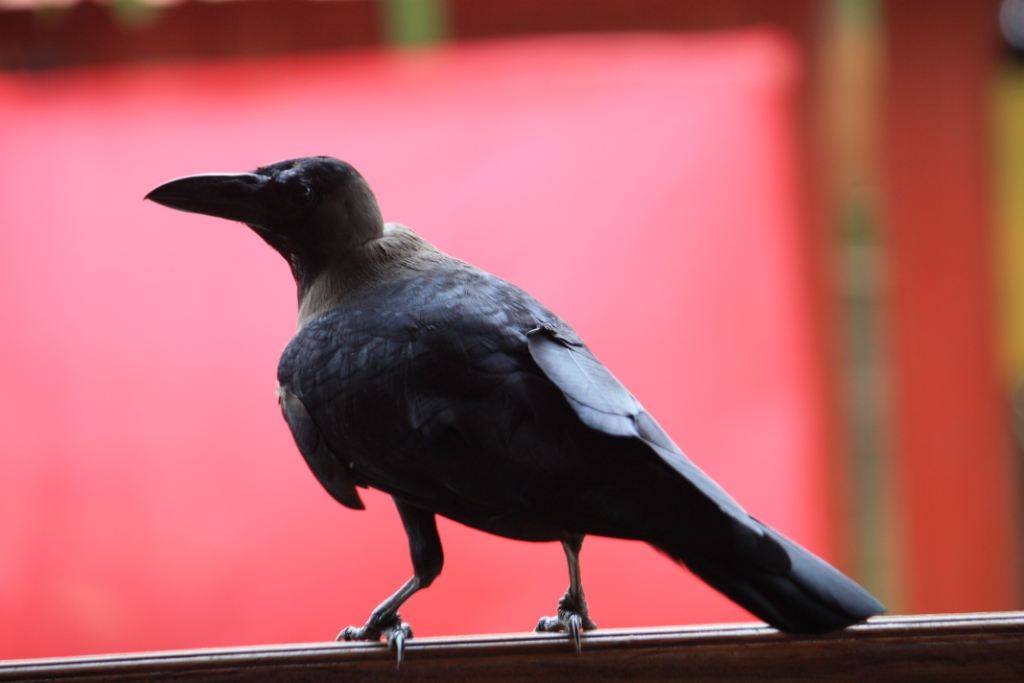
hornbill
does raven impression --
corner of my eye

Stowaway [Limerick]

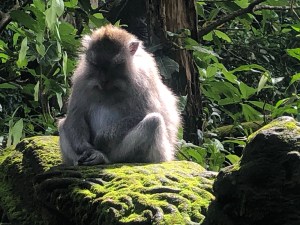
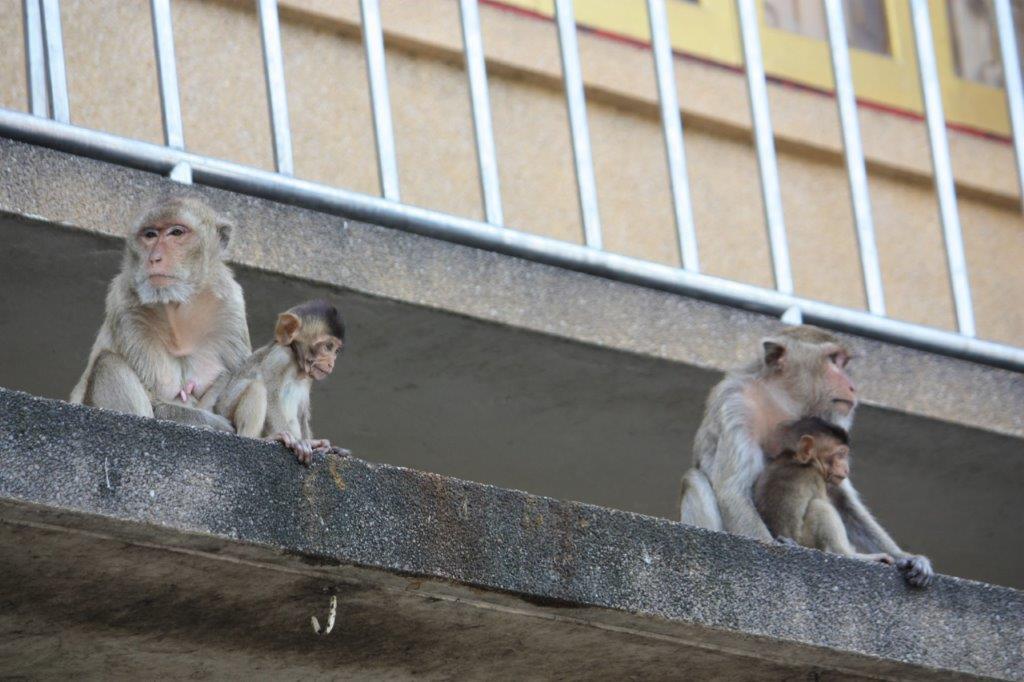
There once was a mischievous macaque
with a knack for invading knapsacks.
When a zipper stuck,
'twas his terrible luck
to get locked in a trunk & run out of snacks.

Quick Peek [Kyōka]

a weaver
pokes its head from the nest,
looks both ways,
& decides to stay in.
i know the feeling.

BOOK REVIEW: Methuselah’s Zoo by Steven N. Austad

Methuselah's Zoo: What Nature Can Teach Us about Living Longer, Healthier LivesMethuselah’s Zoo: What Nature Can Teach Us about Living Longer, Healthier Lives by Steven N. Austad
My rating: 5 of 5 stars

Amazon.in Page

Release Date: August 16, 2022

This book offers a fascinating look at which animals are long-lived, and – to the extent that it’s known – why. It’s not so much, as the subtitle suggests, a book about how humans can live longer by applying understanding of other creatures of longevity. The advice for living longer would include tips such as: be a relatively large species, be a species that flies [of its own devices,] be ectothermic, be a cold-water aquatic creature, mature slowly, live underground, etc. This kind of knowledge, while interesting, isn’t really applicable to humans. Other takeaways are relevant to humanity, but still don’t change the calculus– e.g. have a relatively big brain. So, if one’s entire interest in this book is based on learning about how humans can live longer by applying ideas from other species, there is little to be gleaned, e.g. a brief discussion of antioxidants, free radicals, and metabolism. That said, it’s an excellent overview of long-lived animals and the evidence for why said creatures (including humans) live so long.

The book is divided into four parts, animals of the air, land, sea, and humans – respectively.

If you’re interested in nature and biology, I’d highly recommend this book. I learned a tremendous amount and the discussions of bats and Greenland Sharks were among the most illuminating — not to mention learning about creatures like clams and ant queens that I had no idea could live so long. Again, my only proviso would be that if you are interested in a book about what humans can do to live longer, there won’t be a great deal of information available [though, as mentioned, the last section does talk about longevity in humans, specifically, but not so much in a blue zone (this is what you should do) kind of way.] It’s more an argument for why more research is needed into animal longevity than it is a book about how to exploit the knowledge that already exists.


View all my reviews

Monkey-in-Training [Haiku]

baby monkey
practices solo branch-work
low to the ground

Ever Conspicuous [Haiku]

even in tall grass,
the peacock stands out;
its neck metal blue

Strut [Haiku]

amorous pigeon
makes a mick jagger dance,
and he scores!

Sneak Peak [Haiku]

the chipmunk flattens,
crawling atop battlements
as if to glimpse foes

Buffalo Horn Limerick

There was a funny buffalo named Stitches
whose horns bent back like malformed glitches.
"Some horns are for goring
and others for warring,
but mine are for inaccessible itches."

Baya Weaver [Haiku]

plump dangling nests
of baya weavers are
ceaselessly revamped