Blue [Haiku]

the river reflects
the sky's blue; yet the river
looks a deeper blue

Fleabane Daisy [Haiku]

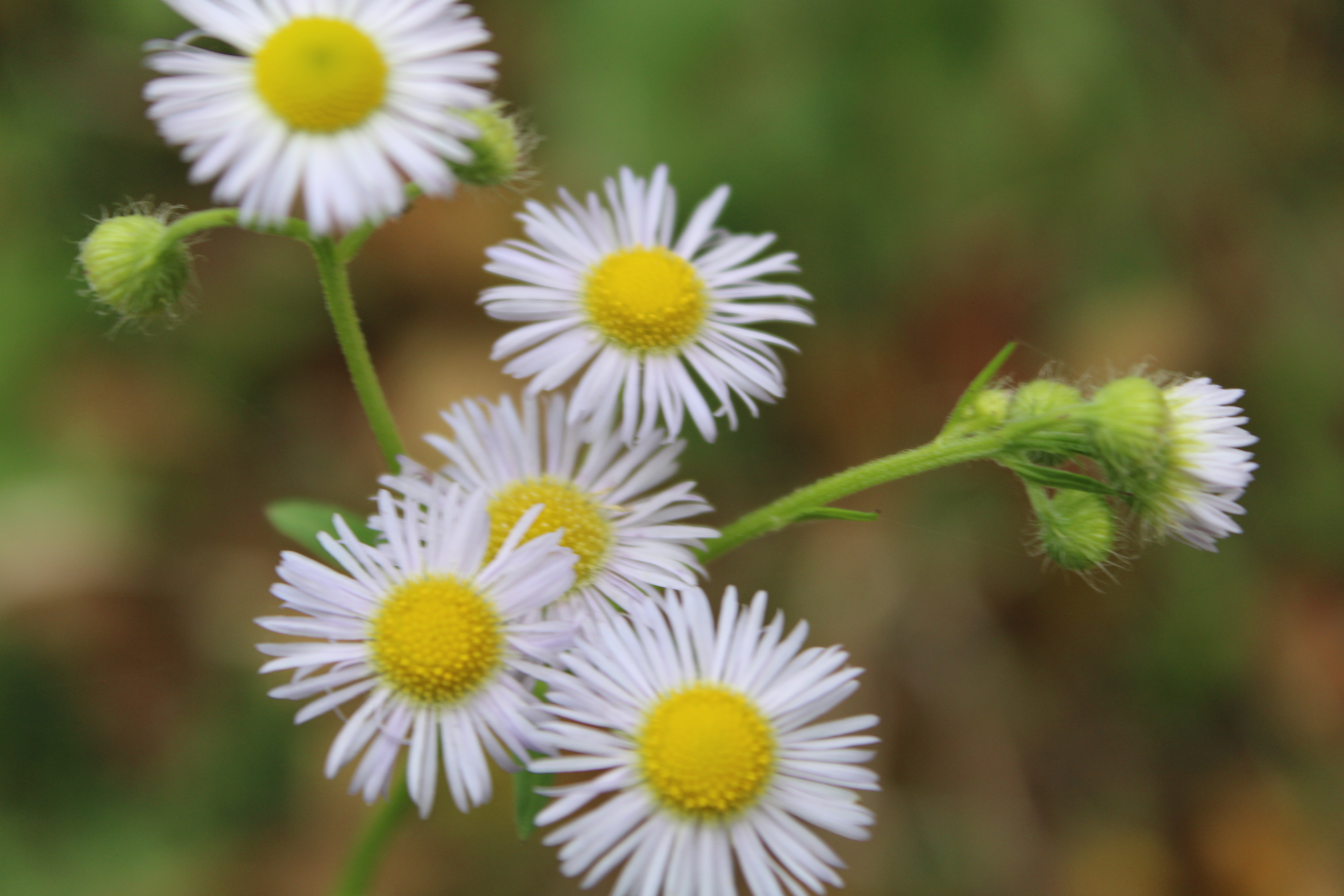
fleabane daisies
brighten the roadside
on an autumn day

Forestless Forest [Haiku]

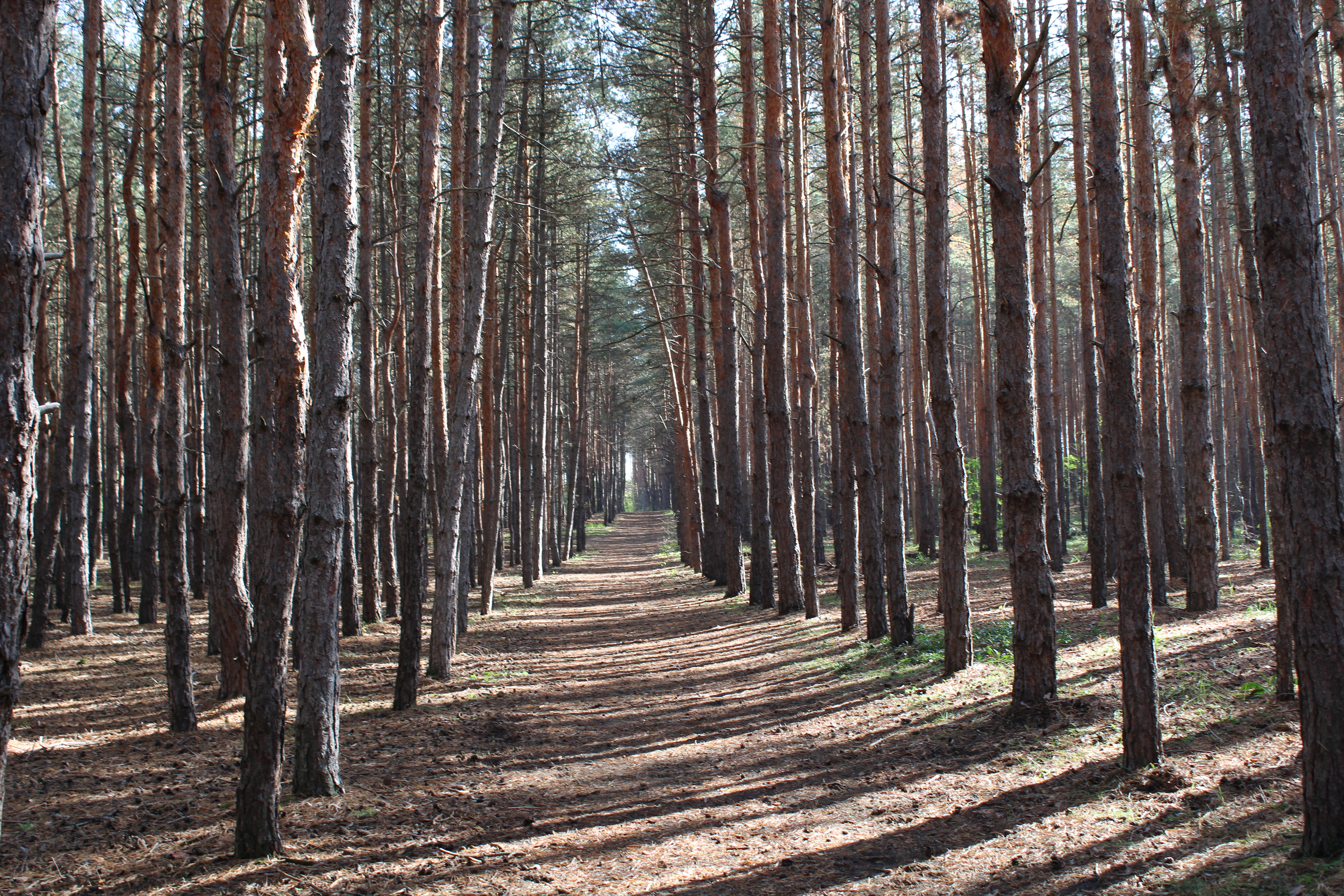
in the forest --
the forestless forest --
planted by hand

The Wall of Sprawl [Lyric Poem]

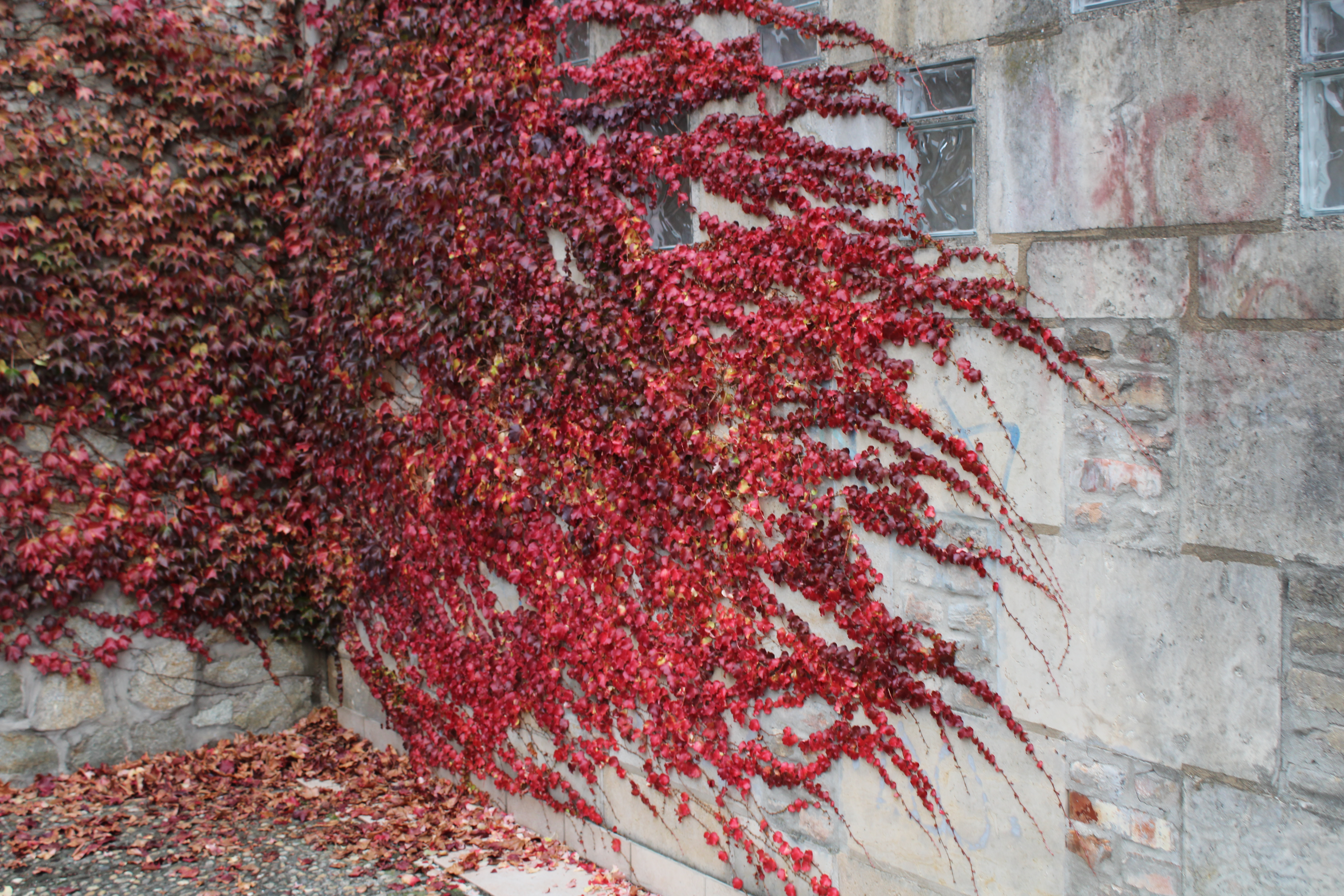
Vines crawl along the wall --
an organism in sprawl.

Their leaves turn red,
arterial at the ends,
venous in late Fall.

BOOK REVIEW: Beauty: A Very Short Introduction by Roger Scruton

Beauty: A Very Short IntroductionBeauty: A Very Short Introduction by Roger Scruton
My rating: 5 of 5 stars

Amazon.in Page

This isn’t so much a book about what beauty is as where we find it, and in what kind of traits we find it, including the question of whether all that is aesthetically pleasing is beauty (or is beauty one element among multiple sources of aesthetic pleasure.) Scruton proposes four major locations of beauty: the human form (and face,) nature, everyday objects, and art. Each of these four has its own chapter (ch. 2-5,) and those chapters form the core of the book. Other chapters examine related questions such as: whether (/how) we can judge beauty, whether it means anything to say someone has good or bad taste, and how / why we find aesthetic appeal in places often consider devoid of beauty (e.g. the profane, the kitsch, the pornographic, etc.)

I found this book to be well-organized and thought-provoking. I liked that the author used a range of examples from literature and music as well as from the graphic arts. (Though the latter offer the advantage of being able to present the picture within the book — which the book often does.) I felt that the questions were framed nicely and gave me much to think about.

Some readers will find the occasional controversial opinion presented gratuitously to be annoying, as well as the sporadic blatant pretentiousness. I forgave these sins because the overall approach was analytical and considerate.

If you’re looking for an introductory guide to the philosophy of aesthetics and beauty, this is a fine book to read. [Note: there is a VSI guide (from the same series) on aesthetics that (I assume) has a different focus (though I haven’t yet read it.)]


View all my reviews

Autumn Afternoon [Haiku]

autumn afternoon.
the sun penetrates deeply,
feeding the grass

BOOK REVIEW: How to Read the Wilderness by the Nature Study Guild

How to Read the Wilderness: An Illustrated Guide to the Natural Wonders of North AmericaHow to Read the Wilderness: An Illustrated Guide to the Natural Wonders of North America by Nature Study Guild
My rating: 4 of 5 stars

Amazon.in Page

Release Date: November 22, 2022

This illustrated guide is designed to help readers learn some of the most prolific trees, plants, animals, birds, coastal life forms, and night sky constellations of North America. For plant [and in some cases animal] identification, the book uses a handy flowchart method that asks questions, sending the reader to an appropriate marker depending upon the answer. For wildlife identification, it uses descriptions of not only the animal, but skeletal remains, scat, and tracks. It also gives alternate names and asterisms for constellations.

The pros of this book include: 1.) it focuses on the most common elements and doesn’t get bogged down trying to be all-inclusive; 2.) it uses a flow charts, diagrams, and drawings successfully to do much of the heavy lifting.

The downsides of the book are: 1.) it seems be much more Western US-centric, and often treats everything East of the Rockies as a single zone (not to mention minimal discussion of Canada or Mexico – so maybe it should be thought of more as a US guide;) 2.) in trying to be text-minimal, it occasionally states things in a way that lacks clarity.

If you want to get a basic understanding of the elements of nature for the United States, this book is worth investigating. It’s young reader friendly, but not exclusively so.


View all my reviews

Red [Haiku]

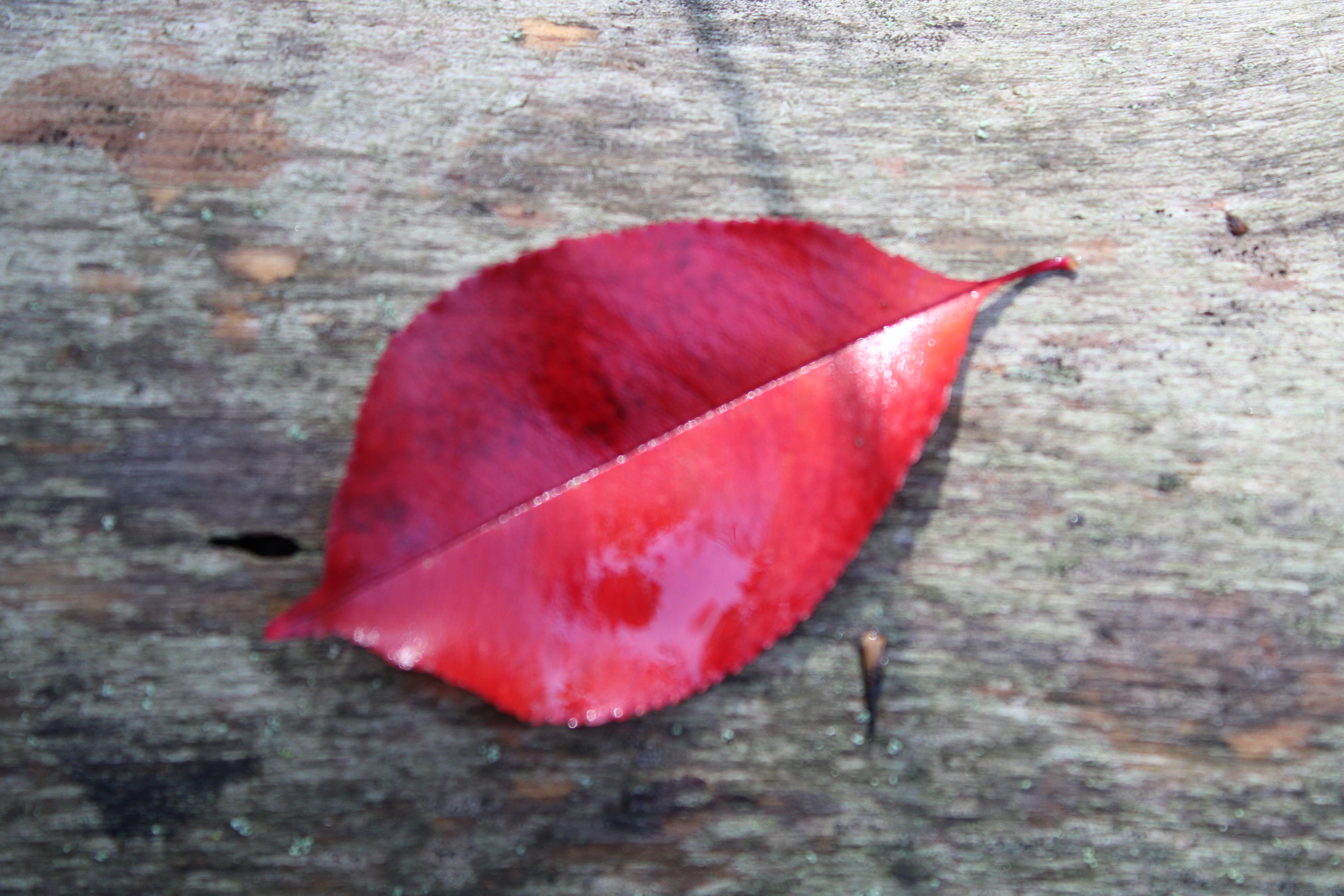
a red fallen leaf
becomes a pair of 
luscious lips