DAILY PHOTO: Canal Side Graffiti, Vienna

Taken on December 30, 2016 in Vienna (Wien)

Taken on December 30, 2016 in Vienna (Wien)


I don't know what this is supposed to mean, but it seems a bit harsh

I don’t know what this is supposed to mean, but it seems a bit harsh


Austrian mural with an Indian flavor

Austrian mural with an Indian flavor

DAILY PHOTO: Hungarian Parliament, Inside and Out

Taken on December 22, 2016 in Budapest

Taken on December 22, 2016 in Budapest


by night

by night


Chamber of Deputies (I think)

Chamber of Deputies (I think)


Main staircase

Main staircase

DAILY PHOTO: Scenes from Sümeg Castle

The Castle; Taken on December 20, 2016 at Sümeg

The Castle; Taken on December 20, 2016 at Sümeg


Sümeg is a castle town north of Lake Balaton in Hungary. It was built in the late 13th century by King Bela IV. It was gifted to the Catholic church by King Stephen V. It’s been nicely remodeled, and is now the site of renaissance faire style events. Here are some pics from within:


In the dungeon (i.e. the várbörtön)

In the dungeon (i.e. the várbörtön)


Medieval warfare, check out those pointy boots

Medieval warfare, check out those pointy boots


The kitchen

The kitchen


The Bishop's Quarters

The Bishop’s Quarters

BOOK REVIEW: Askew: A Short Biography of Bangalore by T.J.S. George

Askew: A Short Biography of BangaloreAskew: A Short Biography of Bangalore by T. J. S. George
My rating: 4 of 5 stars

Amazon page


Bangalore (properly, now Bengaluru) has been my home for the past 3+ years, and I can tell you that it’s a strange and unique city. It has a population of about 10 million, but the surprising part is not the population but rather that half of those millions came over 10 to 12 years. On one hand, this makes Bangalore a chaotic place. I live in the area near the centers of both the Karnataka and the city government, but it can’t be called a city center in the sense that most cities have a central business district. I suspect that residents of Indiranagar, Kormangala, Jayanagar, and many other neighborhoods feel they have as much claim to call themselves the city center as does my neighborhood.

On the other hand, the reason that there has been such an influx is because this is India’s Silicon Valley and that means that Bangalore is (or at least seems) more affluent, well-educated, and cosmopolitan than much of India. I’ve often termed it “India Light” in that all the problems that one associates with India (soul-crushing poverty, rampant disease, etc.) are of a lesser scale in Bangalore. People often ask me whether I get sick a lot living in India, and I can honestly say that Bangalore has never given me a case of intestinal distress more substantial than I got from any given trip to Taco Bell in America, and I’ve delighted in the street food of VVpuram on several occasions. [Whereas a two-day trip to New Delhi nearly killed me.] And, of course, Bangalorean weather is perfect year-round (if you’re saying, “No, it’s not!” that means you’re a Bangalorean who has never spent an extended time period anywhere else in the world–excepting maybe San Diego or parts of the Mediterranean.)

That explanation of my Bangalorean credentials aside, even living in the city for several years, one can feel like a stranger to it. An ex-pat’s insight is much more in-depth than a tourist’s, but remains much less than a local’s. That’s one of the reasons I found this book intriguing. There are a number of books on Bangalore that present sunny travelogues of the city, but not so many that investigate the grittier underside of life. If anything, George inflates the ugly side of the city. He devotes a lot of space to topics like racial violence and gangsters. It’s nothing personal. His theory, suggested by the Introduction, is that any city that grows too big has the wheels roll off in one way or the other—though he also suggests other cities have proven better at fixing the problems of [over-]growth. Still, the author occasionally he comes across as curmudgeonly, with a “back in my day everything was sunshine and roses” kind of attitude.

As the subtitle suggests, this is a short book—less than 100 pages divided among five chapters. The organization of the chapters is not chronological but thematic. The first chapter explores Bangalore from the perspective of the influx of newcomers and the pull and push factors that bring them. This includes both the educated middle-class who’ve come to advance professional careers as well as the less fortunate immigrants who’ve sometimes found themselves victimized as outsiders. (You may wonder how I—as a foreigner—could remain unaware of the extent of racial and xenophobic violence in this city. To understand this one has to understand the long-shadow of biases rooted in colonialism and caste hierarchy. You may get a clue by looking into the reaction to Nina Davuluri winning the Miss America title in 2013. While most Indians, I suspect, were proud of her by way of connection to ethnic heritage [she’s American by birth—much to the confusion of the American nimrods commenting on her victory], it spawned a whole debate about whether she could have one Miss India if she were an Indian citizen given her darkish skin tone. Of course, those Indian dimwits don’t even hold a candle to the American dimwits who ranted against her victory.)

Chapter 2 investigates the role of defective governance in Bangalore’s plight. In many ways this is the heart of the argument that Bangalore is uniquely dysfunctional. Corruption in the presence of huge wealth has created ideal conditions for myopic and self-serving activities that often bite the citizenry square in the backside.

Chapter 3 focuses largely on the culinary history of the city, which means a lot of discussion of MTR, CTR, Koshy’s, and some of the longstanding hotel [restaurants] as well as the individuals behind these institutions.

Chapter 4 contrasts the life of two of the privileged heirs of Bangalore. The two men in question are Siddhartha Mallya and Rohan Murty. The former is of the family of the United Brewing and the later of Infosys. Mallya is the presented as the outsider who could never make roots in Bangalore or the family business and Murty is the insider whose roots are grown into Bangalore and who managed to make a place for himself despite a pact by the Infosys founders that they wouldn’t become a nepotistic venture.

The last chapter is about the intellectual and artistic dimensions of Bangalore, including discussion of bookstores and theaters of note.

As I mentioned, this book doesn’t give one a complete picture of Bangalore. Pardon for appropriating the title to my own purposes, but if this is one’s only introduction to Bangalore than one’s view will be askew. However, when read in conjunction with other sources of information, “Askew” can offer balance as well as nuanced insight into specific issues that might not be covered elsewhere (e.g. food and bookstores.)

There is a conservative-old-man-of-India viewpoint that skews the book’s discussion that will make it seem quite right to that same demographic but off-kilter to others. One example of this is that there seems to be a suggestion that alcohol is a major source of Bangalore’s problem. However, one sees all manner of vice in cities that are both better governed and less dysfunctional as cities—e.g. Amsterdam and Bangkok. For that matter, alcohol is a more prominent fixture in pretty much every European city than it is in Bangalore. So I had trouble buying that viewpoint, which also seems to inform the vilification of the Mallya family (as opposed to the much vaunted Murty family.) Another example is that while an entire chapter is devoted to comparing those two sons, the daughters barely merit a line or two.

All and all, I’d recommend the book as a balance point to other sources of information.

View all my reviews

DAILY PHOTO: Jantar Mantar, New Delhi

Taken at the Jantar Mantar, Delhi on December 16, 2016

Taken at the Jantar Mantar, Delhi on December 16, 2016


The Jantar Mantar are astronomical clocks / calendars. Five of them were built in early 18th century India by order of Maharaja Jai Singh II.  The others are in Jaipur, Varanasi, Ujjain, and Mathura. The one at Jaipur is said to be the most impressive, and I can attest that it’s more impressive than the complex in Delhi. However, I’ve only visited the two. What we read of the Varanasi one didn’t make it sound worth the trip, even though we were in the area of it.  (It’s atop one of the buildings near the main ghat.) I haven’t been to the other two cities, but I’ve heard that not all of the Jantar Mantar remain intact, so they may just be ruins.


When we were visiting the location in Jaipur, a guide asked: “Do you believe in these things, astrology and astronomy?”


To which the natural response is: “That’s like asking whether I believe in ghosts and gravity.”


At any rate, if you are into science these sites are worth your time.


img_4704 img_4706


DAILY PHOTO: Happy New Year

img_1985

Taken in Hanoi January 1, 2016

Taken in Hanoi January 1, 2016

DAILY PHOTO: River Runs Through It, Hampi

Taken in October of 2013 in Hampi

Taken in October of 2013 in Hampi

img_0182

Top 5 Travel Destinations of 2016

We visited half a dozen countries (not including India) and about a dozen locales within India in 2016.

Here’s my top 5.


5.) Old Goa: Goa is usually a beachy destination, but when one goes before the rainy season is over, one spends a lot of time touring old churches. And Old Goa (Velha Goa) has some impressive and historic churches.

img_3196 img_3238 img_3265


4.) Amritsar: First of all, there’s the food. Punjabi cuisine is legendary–as is Sikh hospitality. However, there’s also some beautiful sights and a unique feel to the place.

img_3030 img_3059


3.) Bai Tu Long: Most of our trip to Vietnam took place in 2015, but we rang in the New Year on a junk boat on Ha Long Bay’s next door neighbor.

img_2423 img_2467


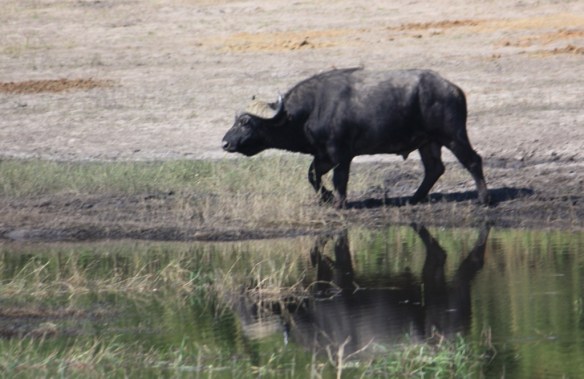
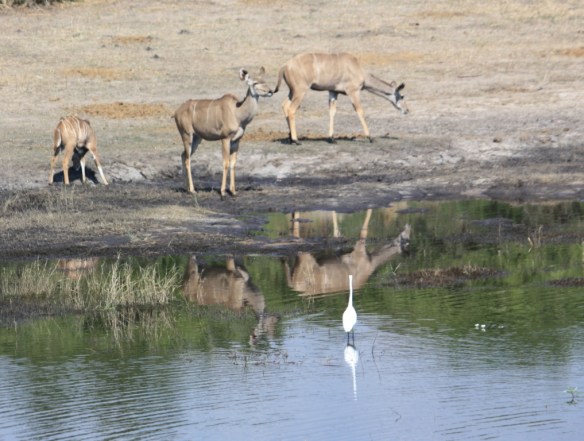
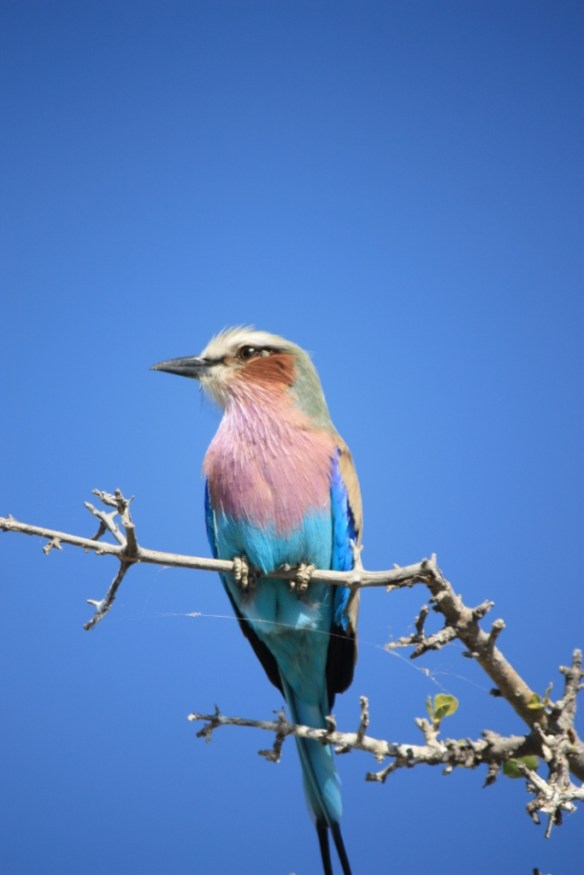
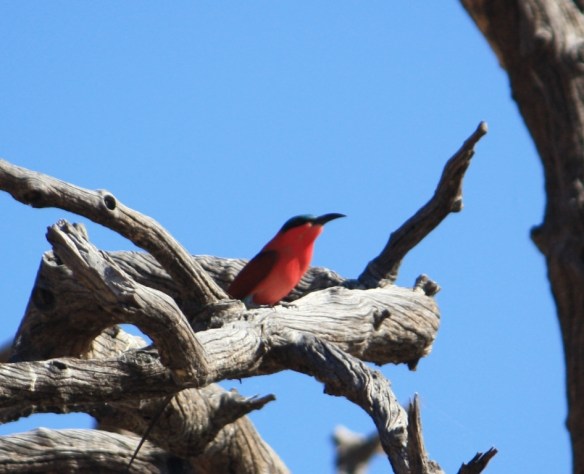
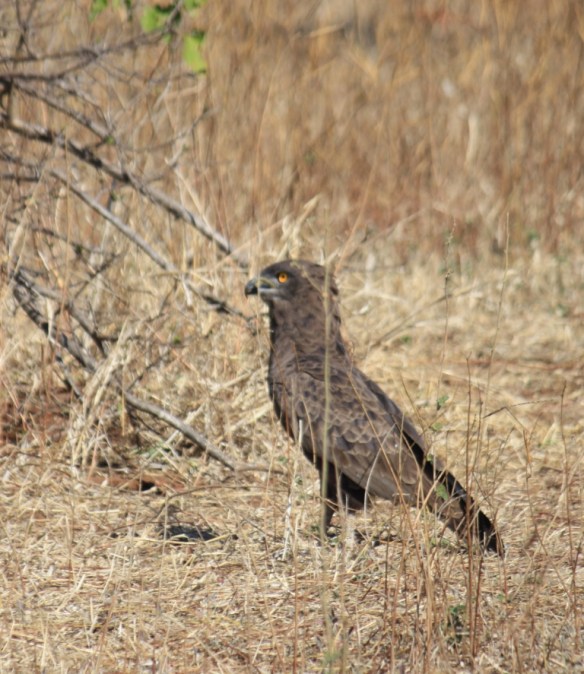
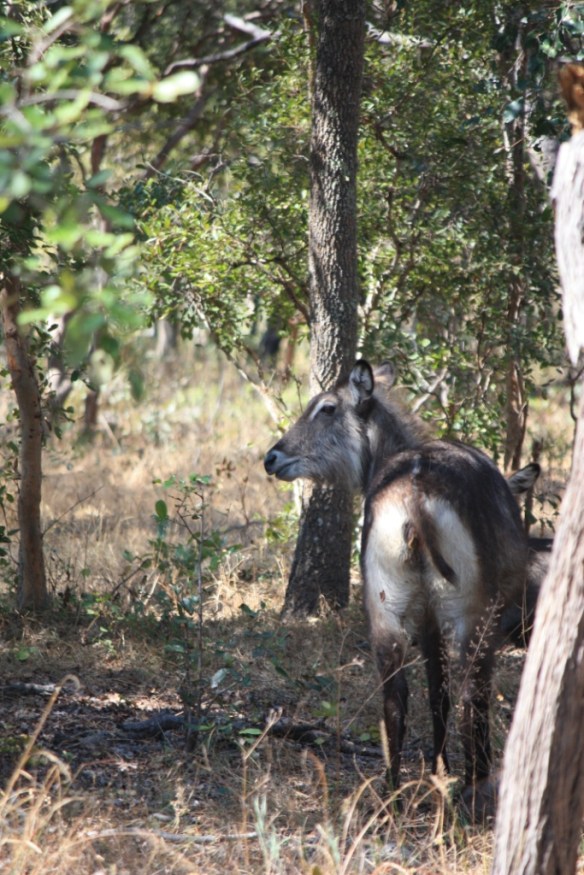
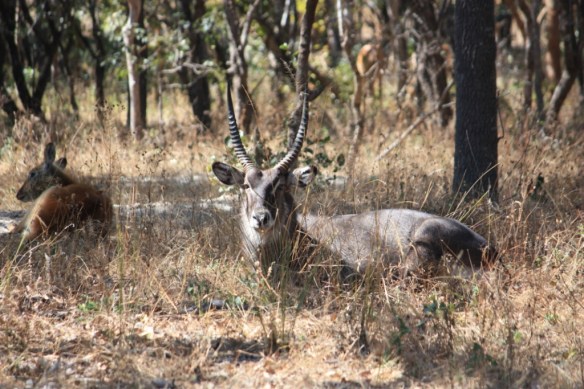
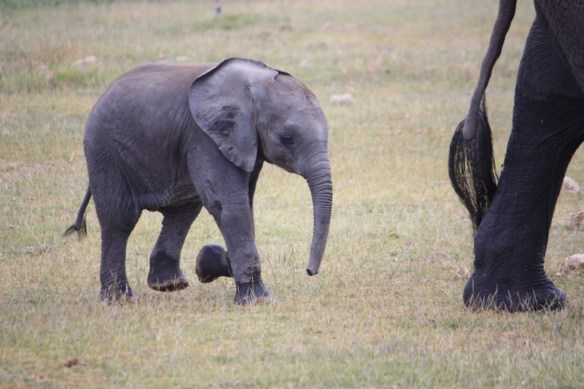
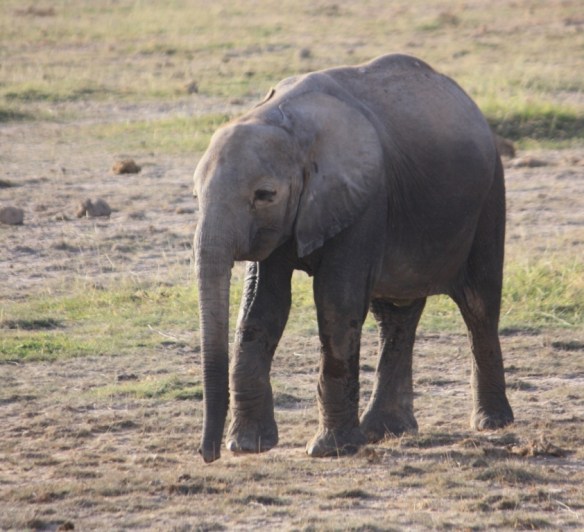
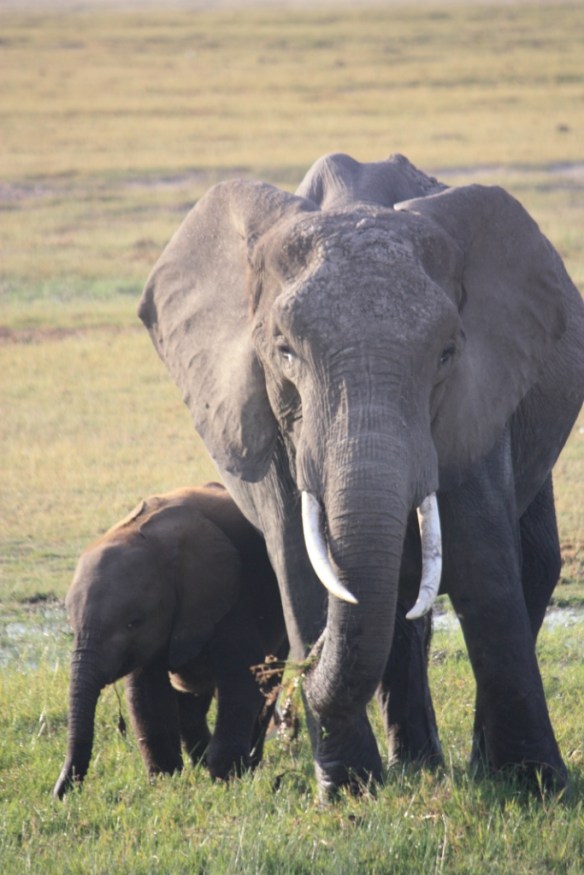
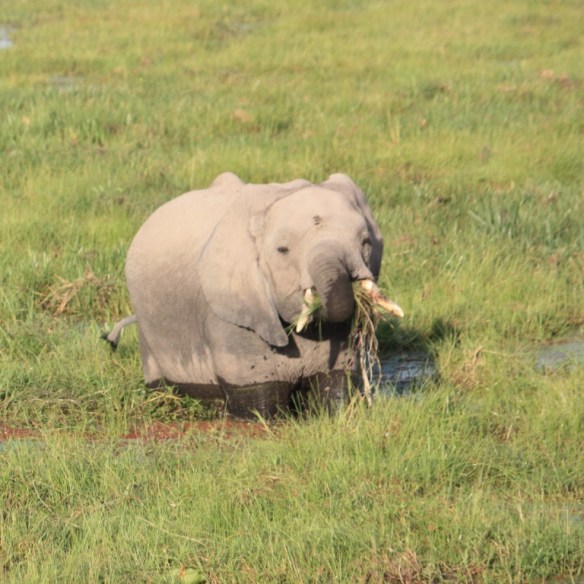
2.) Chaminuka Game Reserve, Zambia: Our first trip to Africa was far too short, but we did get a taste of the continent.

img_0201 img_0147 img_0184


1.) Naranag to Sonamarg Trek: This may seem like an odd choice–particularly for the number one slot–given that Kashmir was under curfew when we visited. I think that may have made the trek all the more enjoyable. Not only is rural Kashmir gorgeous, but it was mostly normal–excepting the daily military checkpoints to remind us that Pakistan and /or China could invade at any moment. We certainly had our share of travails before and after the trek (e.g. only being able to drive through the middle of the night and all shops being closed on occasion) but the trek itself was outstanding. Besides, troubled travels make for good stories.

img_1316 img_1423 img_1591

DAILY PHOTO: The Queen’s Bath, Hampi

Taken in October of 2013 in Hampi

Taken in October of 2013 in Hampi

img_0655

DAILY PHOTO: Goan Garlands by the Mile

Taken in Vasco Da Gama, Goa in October of 2016

Taken in Vasco da Gama, Goa in October of 2016

img_3473

Vasco Da Gama

Vasco da Gama

img_3408

Panjim, Goa

Panjim, Goa