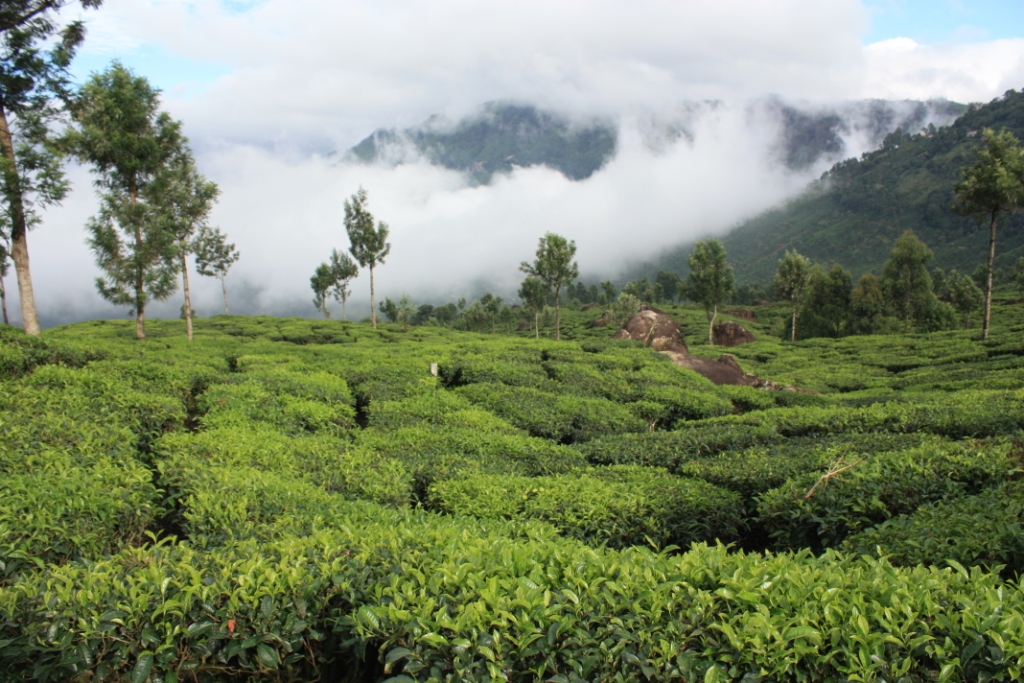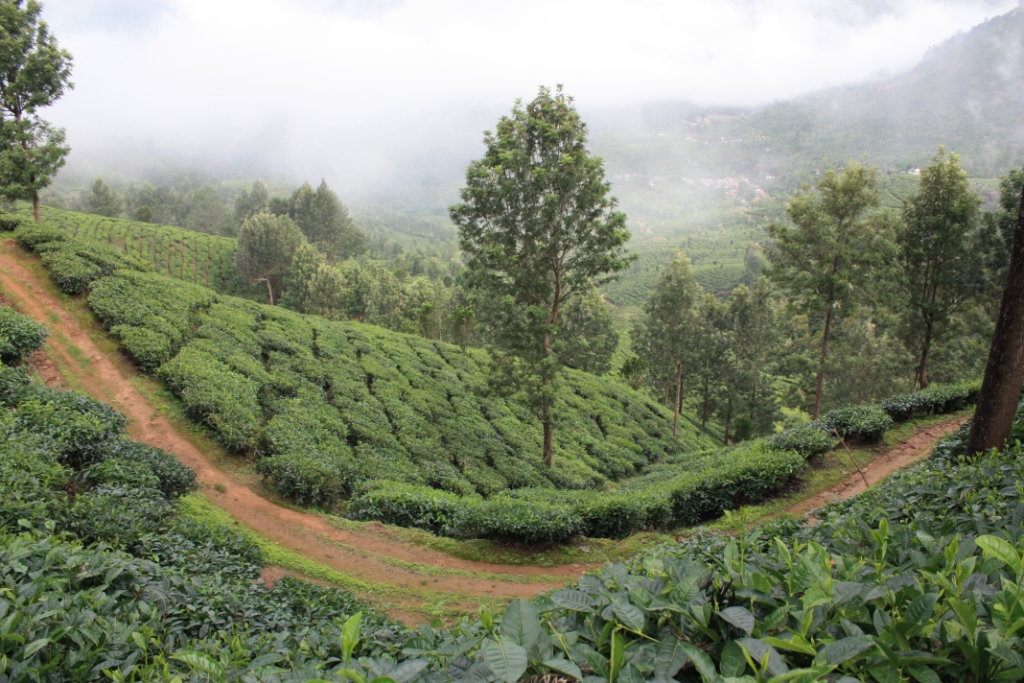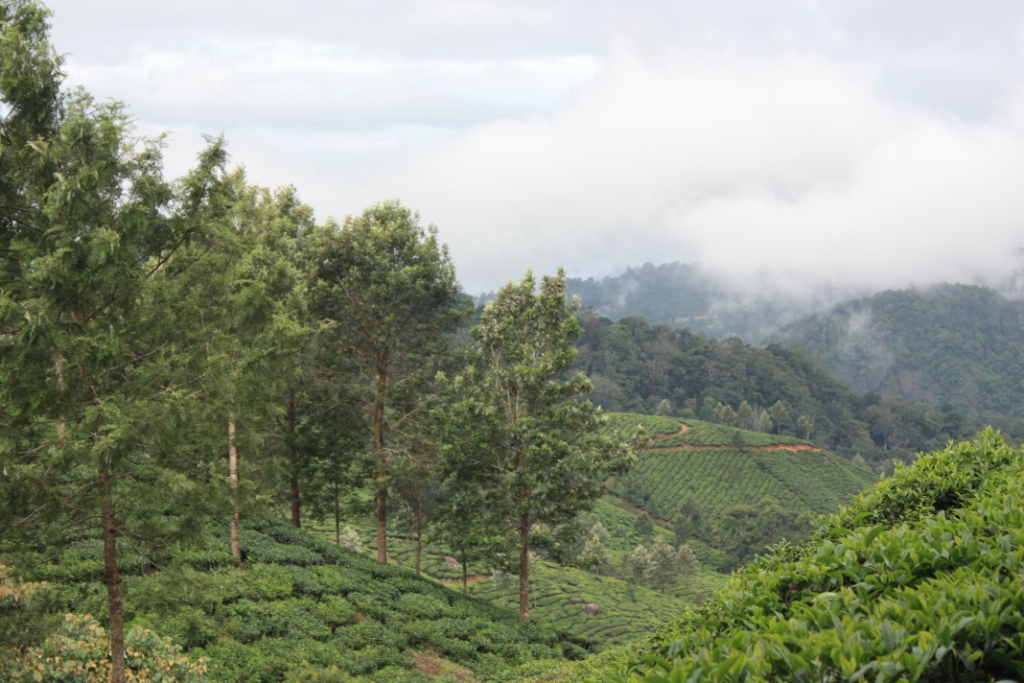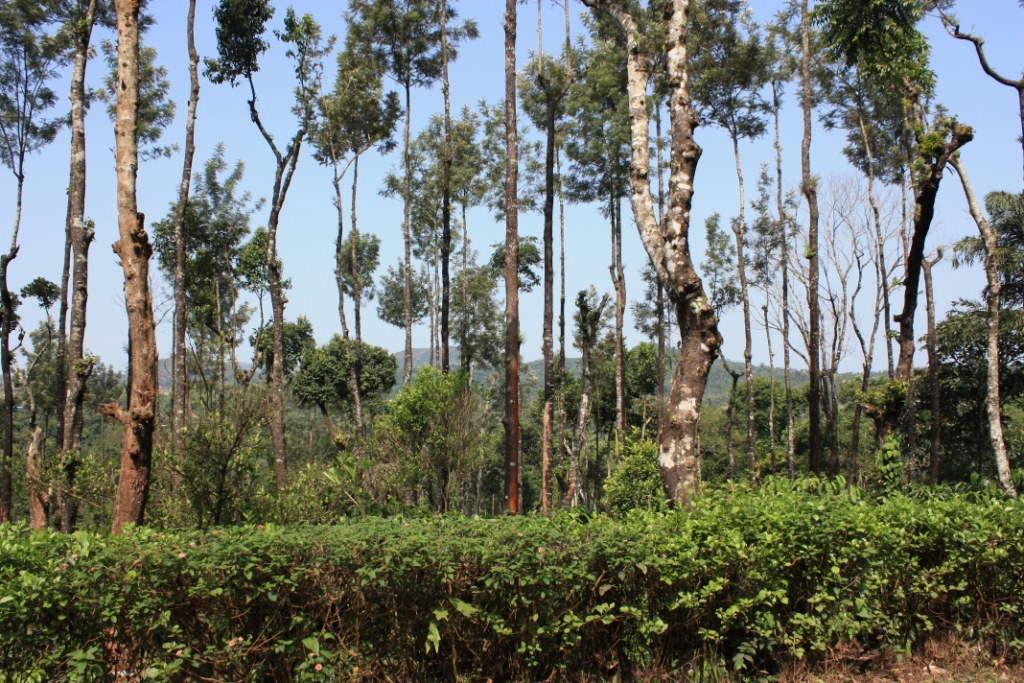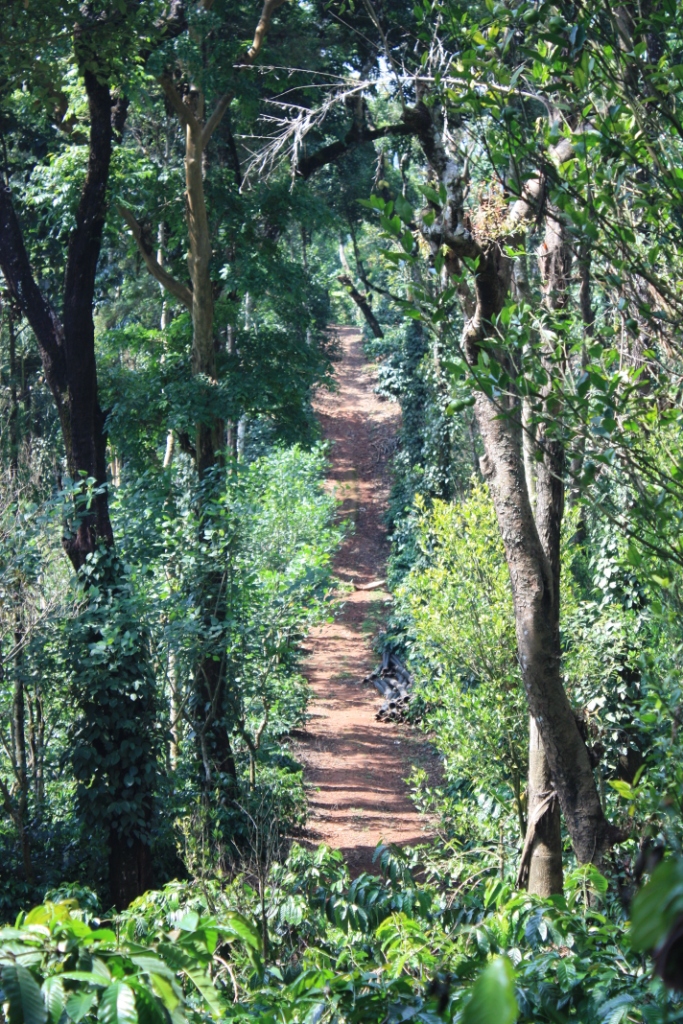
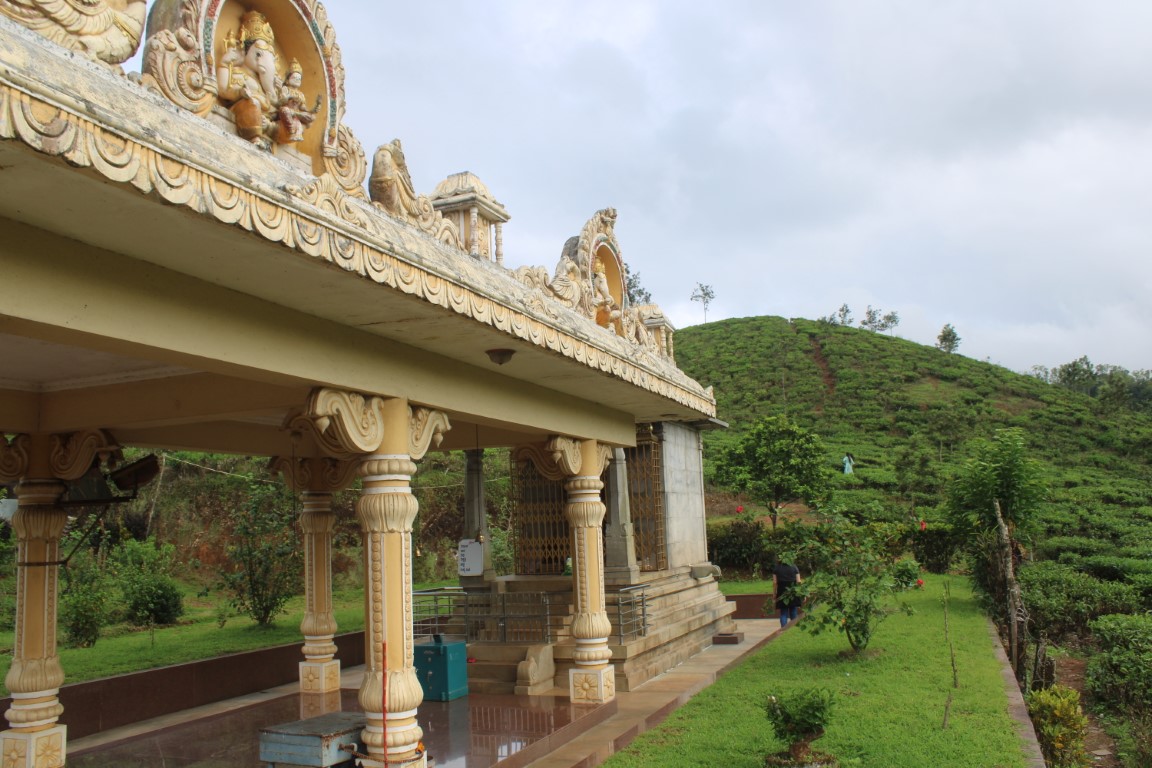
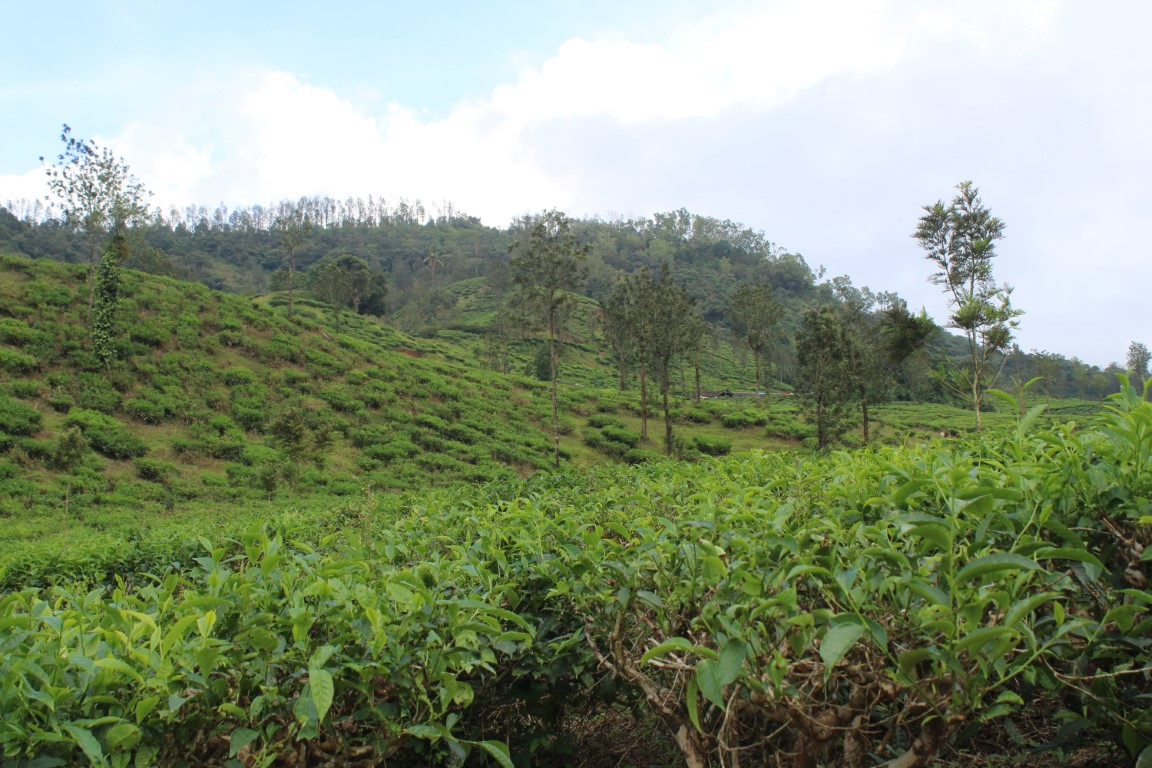

DAILY PHOTO: Samse Tea Estate

BOOKS: “Smoke and Ashes” by Amitav Ghosh

Smoke and Ashes: A Writer's Journey through Opium's Hidden HistoriesSmoke and Ashes: A Writer’s Journey through Opium’s Hidden Histories by Amitav Ghosh
My rating: 5 of 5 stars

Amazon.in Page

Release Date: February 15, 2024 [NOTE: for this edition; the book is already out in some markets in some additions.]

Ghosh has written a fascinating exploration of the profound global consequences of that pretty red flower, the opium poppy. I find the events surrounding the Opium Wars to be among the most incredible stories humanity has written. It is mind-blowing that a substance could be so utterly addictive as to spur wars and global social and economic upheavals. That substance is, of course, tea. Ah, you thought I was going to say opium (or its relative, heroin,) didn’t you? But while opium is fantastically addictive, its addicts were by-and-large in peaceful stupors in (or on) their clouds during the time in question. It is the uppity Earl Grey addict who was draining Britain’s treasury of precious metals, and — as addicts do in their impoverished desperation — turned to dealing drugs.

There have been many books written on this subject, but Ghosh carves himself a niche. First, while accounts often focus tightly upon the central adversarial relationship of Britain versus China, Ghosh examines at leisure the roles of two lesser discussed players — India (not only as a subject of Great Britain but also as an autonomous actor) and America. The importance of India’s involvement, from being a major producer and processor of opium to sourcing the sepoys who actually fought the Opium Wars, has been largely ignored, and Ghosh helps to clear up distortions in the historical record. Second, the book investigates questions around America’s opioid crisis and what history can tell us about its drivers. In particular, what does the China’s explosion of addiction tell us about what might have spurred America’s crisis?

This is a readable and compelling nonfiction exploration of the influence of opium from a writer who has produced novels (e.g. the “Sea of Poppies” trilogy) set around these historical events.

I’d highly recommend this book for individuals interested in the influence of Opium, particularly if one is curious about how history relates to the recent crises and what role Indians and Americans played in events.

View all my reviews

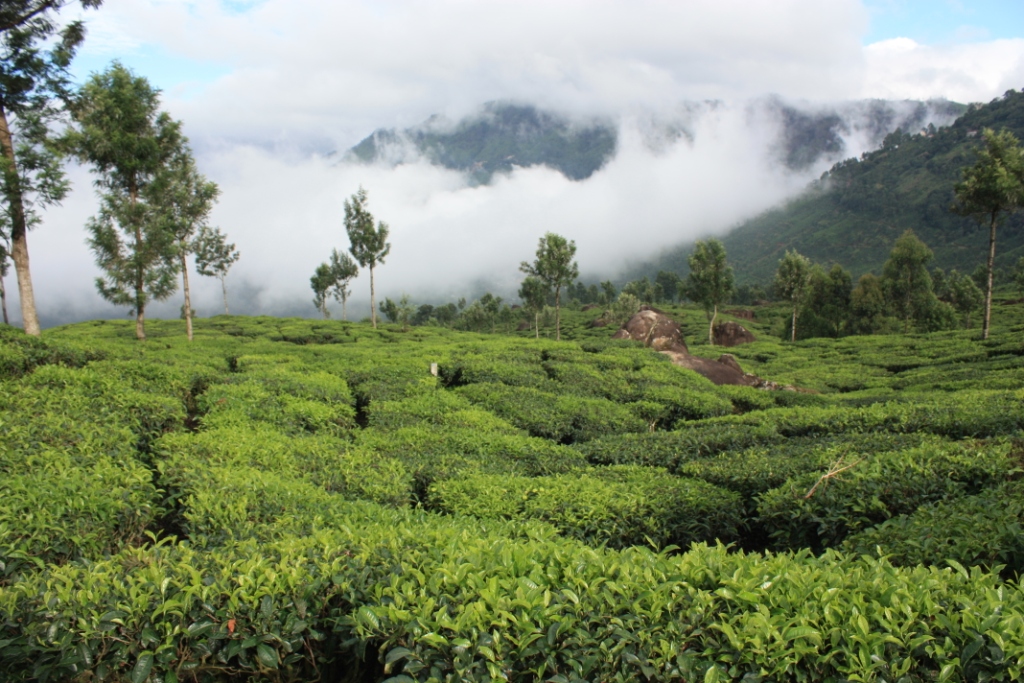
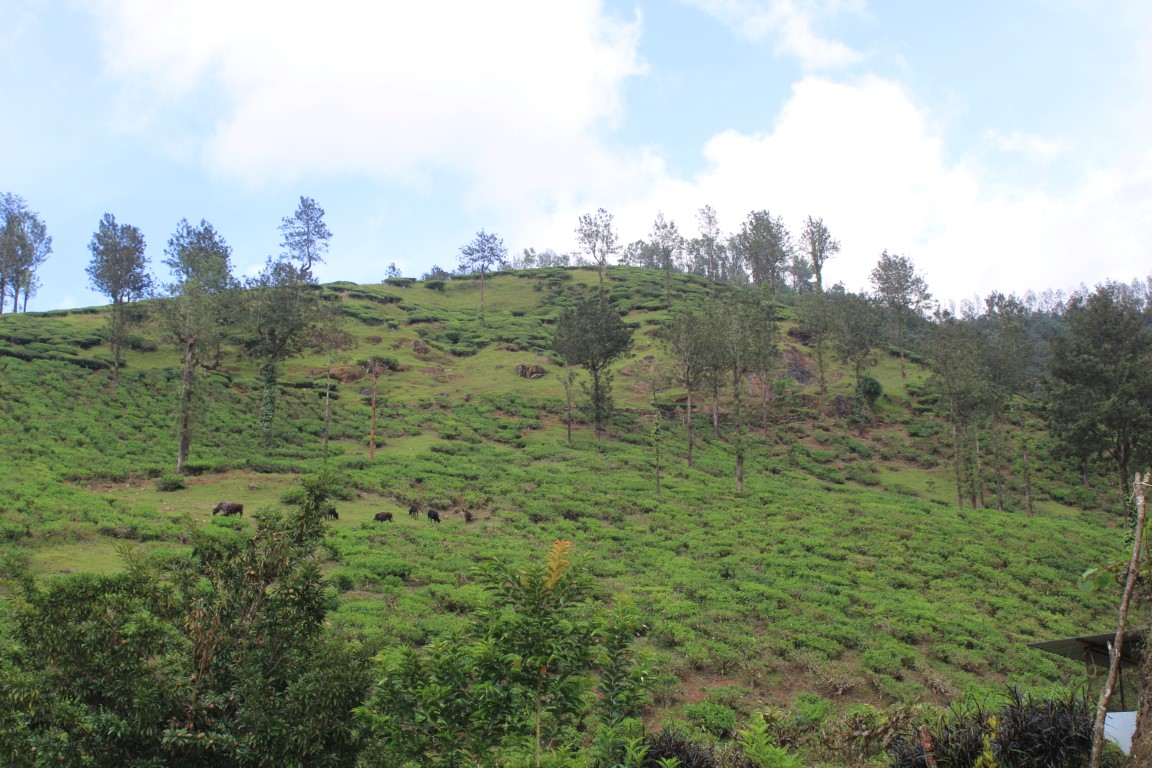
DAILY PHOTO: Munnar Plantation

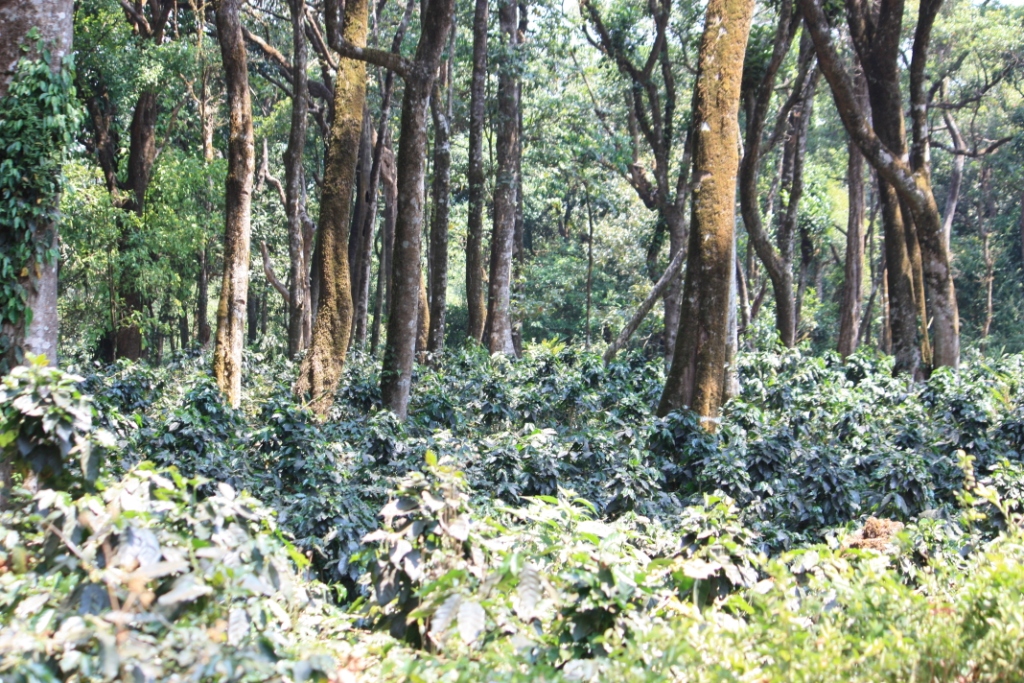
DAILY PHOTO: Coffee or Tea? Why Not Coffee & Tea

Taken on a Coffee & Tea Plantation in Coorg (Kodagu)

Tea & Trees [Haiku]

lush tea shrubs
under barren trees;
what’s the tea know?

BOOK REVIEW: Darjeeling by Jeff Koehler

Darjeeling: A History of the World's Greatest TeaDarjeeling: A History of the World’s Greatest Tea by Jeff Koehler
My rating: 5 of 5 stars

Amazon.in Page

As Bordeaux or Tokaj are to wine, Darjeeling is to tea, producing a quality beverage considered by many to be the best in the world. However, this isn’t merely the story of how this region of northern Bengal (or, alternatively, Gorkhaland) came to produce a unique kind of tea that would be sought-after around the world. It’s also a story of empire and how Britain’s insatiable demand for tea drove major developments in geopolitics. It’s yet further the story of recent troubled times of Darjeeling tea, from labor shortages to environmental degradation, and what tea estates have done to adapt – from management / organization changes to organic production techniques.

Lessons in the history and geography of tea may seem niche and uninteresting, but the story of tea is actually quite fascinating, involving Opium Wars, the Black Hole of Calcutta, and an industry shakeup resulting from India’s independence.

I found this book compelling, and thought it did a good job of zooming in and out between local and global (and past to present) to maintain the interest of a diverse readership. Whether the book is exploring attempts to transplant tea shrubs and expertise from China or the changing customer base for Darjeeling tea, it’s an engaging and thought-provoking story. If you’re interested in tea, world history, or agribusiness, you’ll likely find something in this book to hold your attention.


View all my reviews

Tea Master [Free Verse]

drink the wisdom --
you'll find it more in the heat
than in the liquid

subtle - 
like the flavor of tea

in drinking it 
you'll discover:

there is no tea,
but the tea --
a tea-less tea

the life in you
the life in me
melted into a mound
of unity

Tea Swarm [Haibun]

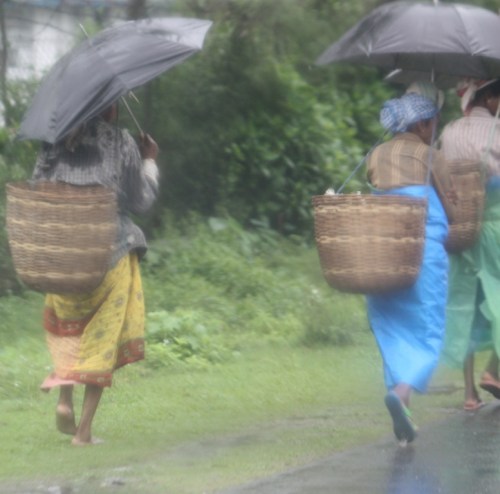
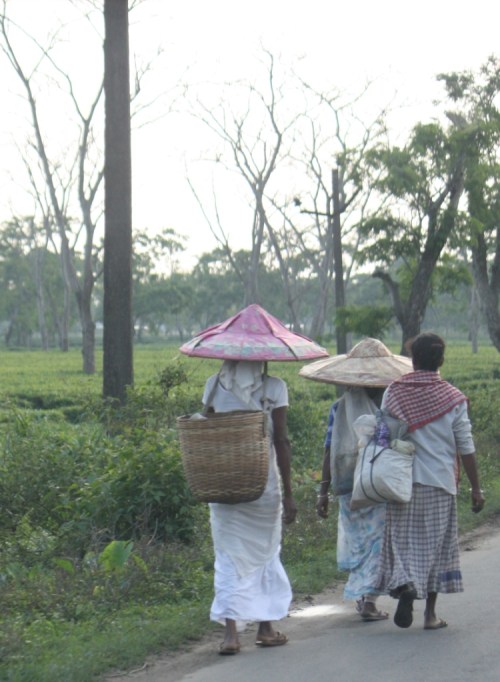
The cone-hatted ladies converge on the plantation, a spreading swarm, picking the fresh green leaves, tossing them over the shoulder into a backpacked wicker basket, leaving behind a flattop trimmed tea shrub. The mid-day rains drive away the pickers for a short time, but they'll be back, squeezing between dripping tea trees, their skirts saturated with the cold morning rain that will steam off into a muggy afternoon.

tea pickers
head back to the fields
after mid-day rains

POEM: What Kind of Shrub?


What kind of shrub grows an Empire?

What kind of shrub shifts the well-laid tracks of global trade routes?

What kind of shrub doesn’t know whether to be of nature or man?

Its even green sings the song of nature, stretching in an unbroken landscape to the forest’s pristine chaos-

-except when in need of picking. Then its bright, almost glowing, fresh tips are the shade of a newly trimmed outfield, standing out against nature’s dark olive.

But, its flat-topped, close-cropped ‘do tells a tale that’s all man, as do the fine parts that section off the shrubs into labyrinthine patterns for the pickers to navigate.

And what kind of shrub, each day, draws hordes of humans with wicker baskets on their backs and conical hats that are to the Vietnamese Paddy Hat what a novelty sombrero is to a real sombrero.

What kind of shrub…
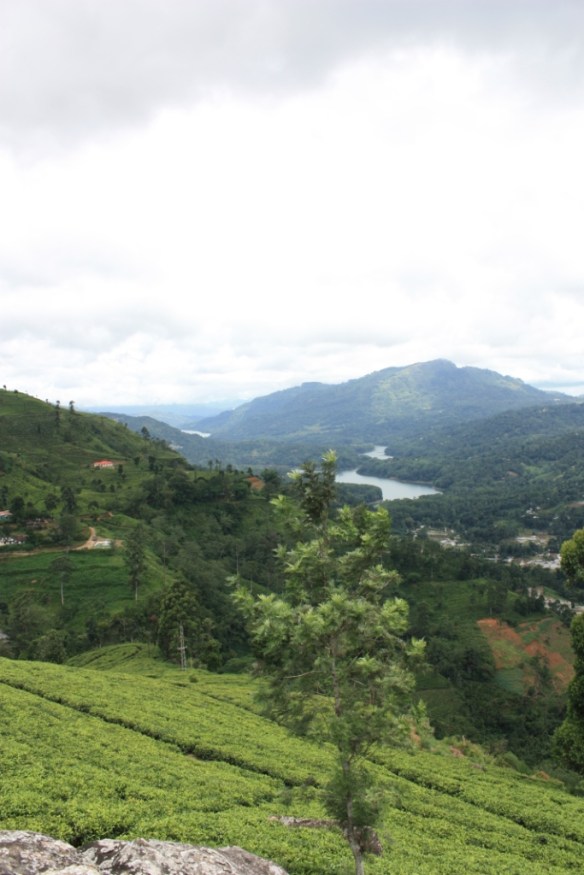
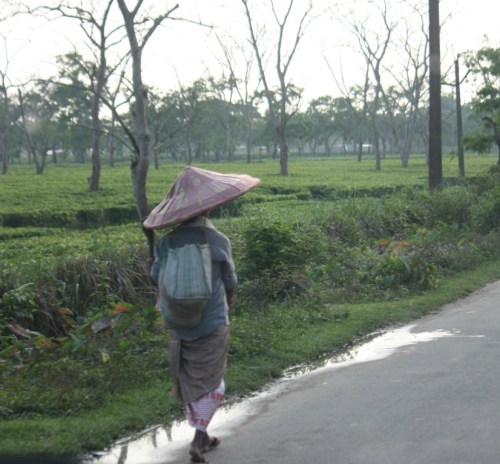
DAILY PHOTO: Commuting Assamese Tea Pickers

Taken in May of 2017 in Assam