To me, fair friend, you never can be old,
   For as you were when first your eye I eyed,
   Such seems your beauty still. Three winters cold
   Have from the forests shook three summer's pride,
 Three beauteous springs to yellow autumn turned
   In process of the seasons have I seen,
   Three April perfumes in three hot Junes burned,
   Since first I saw you fresh, which yet are green.
 Ah, yet doth beauty, like a dial-hand,
   Steal from his figure, and no pace perceived;
   So your sweet hue, which methinks still doth stand,
   Hath motion, and mine eye may be deceived:
 For fear of which, hear this, thou age unbred:
   Ere you were born was beauty's summer dead.
Let me not to the marriage of true minds
 Admit impediments; love is not love
 Which alters when it alteration finds,
 Or bends with the remover to remove.
O no, it is an ever-fixed mark
 That looks on tempests and is never shaken;
 It is the star to every wand'ring bark
 Whose worth's unknown, although his height be taken.
Love's not time's fool, though rosy lips and cheeks
 Within his bending sickle's compass come.
 Love alters not with his brief hours and weeks,
 But bears it out even to the edge of doom:
  If this be error and upon me proved,
  I never writ, nor no man ever loved.
My mistress' eyes are nothing like the sun;
 Coral is far more red than her lips' red;
 If snow be white, why then her breasts are dun;
 If hairs be wires, black wires grow on her head.
I have seen roses damasked, red and white,
 But no such roses see I in her cheeks;
 And in some perfumes there is more delight
 Than in the breath that from my mistress reeks.
I love to hear her speak, yet well I know
 That music hath a far more pleasing sound;
 I grant I never saw a goddess go;
 My mistress, when she walks, treads on the ground.
   And yet, by heaven, I think my love as rare
   As any she belied with false compare.
Bright star, would I were stedfast as thou art --
 Not in lone splendour hung aloft the night
 And watching, with eternal lids apart,
 Like nature's patient, sleepless Eremite,
 The moving waters at their priestlike task
 Of pure ablution round earth's human shores,
 Or gazing on the new soft-fallen mask
 Of snow upon the mountains and the moors --
 No -- yet still stedfast, still unchangeable,
 Pillow'd upon my fair love's ripening breast,
 To feel for ever its soft fall and swell,
 Awake for ever in a sweet unrest,
 Still, still to hear her tender-taken breath,
 And so live ever -- or else swoon to death.
Shall I compare thee to a summer's day?
   Thou art more lovely and more temperate:
 Rough winds do shake the darling buds of May,
   And summer's lease hath all too short a date:
 Sometimes too hot the eye of heaven shines,
   And often is his gold complexion dimm'd:
 And every fair from fair sometime declines,
   By chance, or nature's changing course untrimm'd;
 But thy eternal summer shall not fade,
   Nor lose possession of that fair thou ow'st,
 Nor shall death brag thou wander'st in his shade,
   When in eternal lines to time thou grow'st;

   So long as men can breathe, or eyes can see,
   So long lives this, and this gives life to thee.
The rains have arrived, pouring steadily.
 I watch from windows - high above the street,
  and see some stand in doorframes, tentatively,
  watching the droplets splat on the concrete,
  drops slip off curbs and into the gutters.
 You'd think the water would scour the world clean:
  that it'd sweep away the dirt and the clutter,
  and wash the leaves to a clean shade of green.

But, instead, it deposits grit and trash
 in piles and sandbars that're spaced randomly,
  and befouls all the walls with muddy splash -
  that paints with red clay, less than handsomely.

But, while it may make the man-made world meaner,
 the rain does make the trees' world much greener.
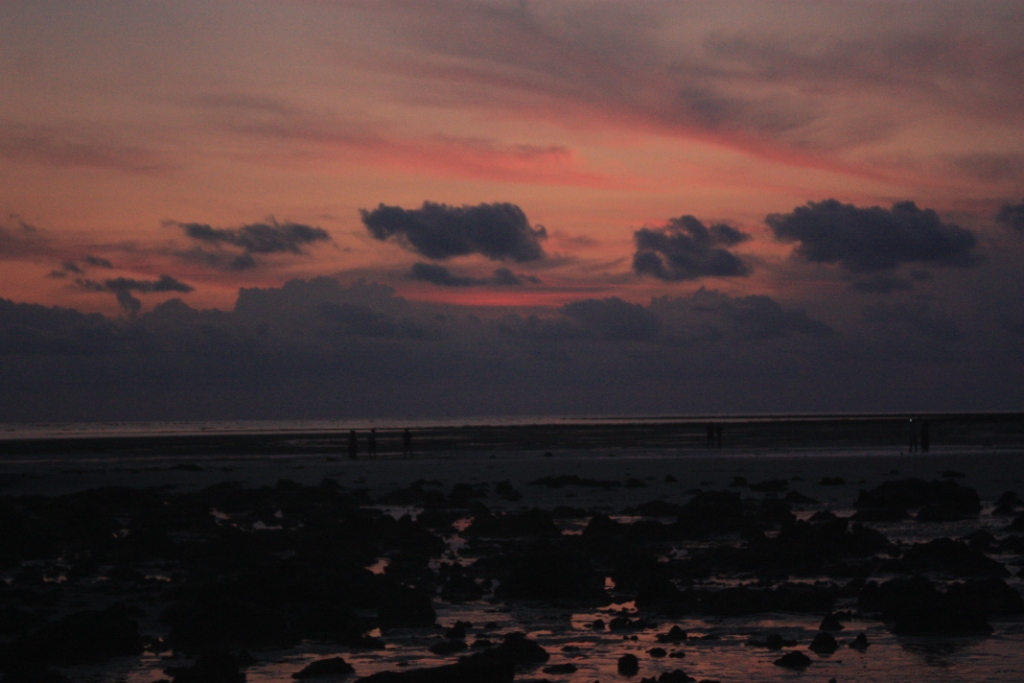
The evening winds are blowing out to sea,
     and carry away all the woes of day.
 You see the sway up in the waving trees
      that give a sendoff to what's blown away.

The sea grows dark, and darkness envelops.
     And sandy scents and fishy scents blossom.
 And sounds of crashing waves seem to swell up,
      as vision decides it will play possum.

Then stars - in veins - do shimmer between clouds,
     the clouds one cannot see but can induce.
 Now free from both the light and noise of crowds,
      and all the human chaos and abuse.

Midst drifting shapes my mind is lulled to peace,
 then all that is - both sea and wind - does cease...
I saw the lips move, but no sound came out.
 The message could not cross from air to brain.
  With reddened face, next an attempted shout,
   but silence suggests words weren't true but feigned.

You'll think me deaf, but I heard other sounds:
 a ticking clock, a fan, and distant horns.
  Maybe, barrier glass made unseen bounds?
   Perhaps, but what bars only sound that mourns?

I know of nothing that would fit the bill,
 but start to suspect nothing stopped the scream
  from reaching me, but rather force of will
   did stick that voiceless face within my dream.

But am I sure I'm having a nightmare?
 I can't say for sure that I'm even here.
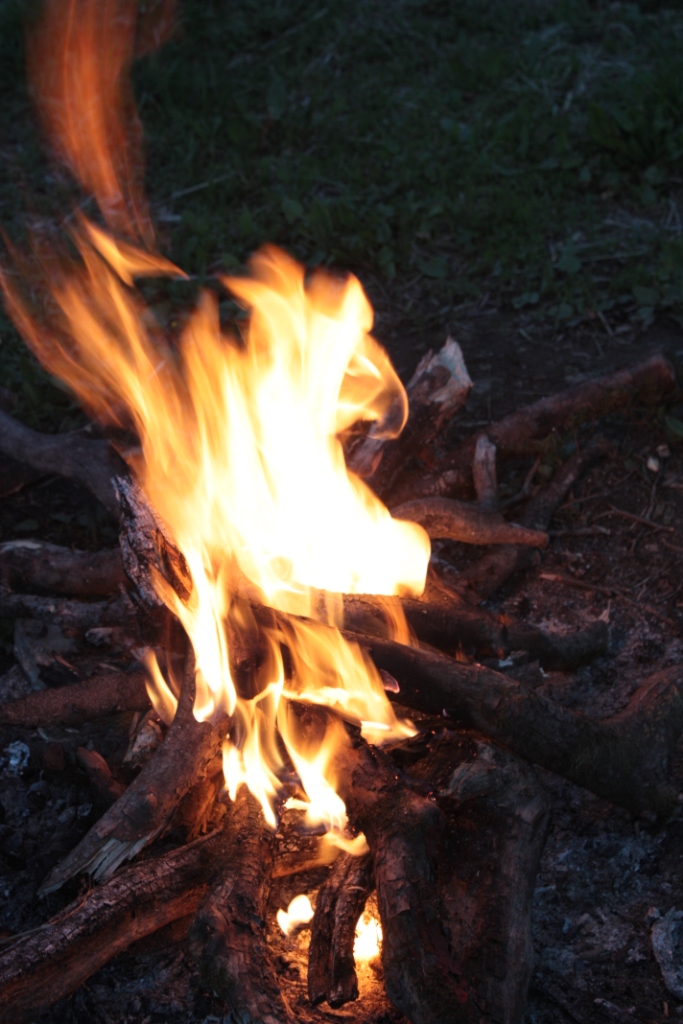
A smoky morning signals chilly air
 as those who live with walls of plastic sheet
  gather anything matches set aflare,
   and huddle where skin reddens from the heat.

The toxic kindling of modernity
 can burn so quickly, swirling into ash.
  The search for fine fuel builds fraternity
   as all sift through the varied kinds of trash.

They seek a slow and steady type of fire,
 but poison and explosive burn aren't linked.
  This toxic gas hangs low, where they inspire,
   a deadly vapor which makes this clan extinct.

Smoldering pit, skirted by serene stiffs --
 of what killed them, there remains no whiff.
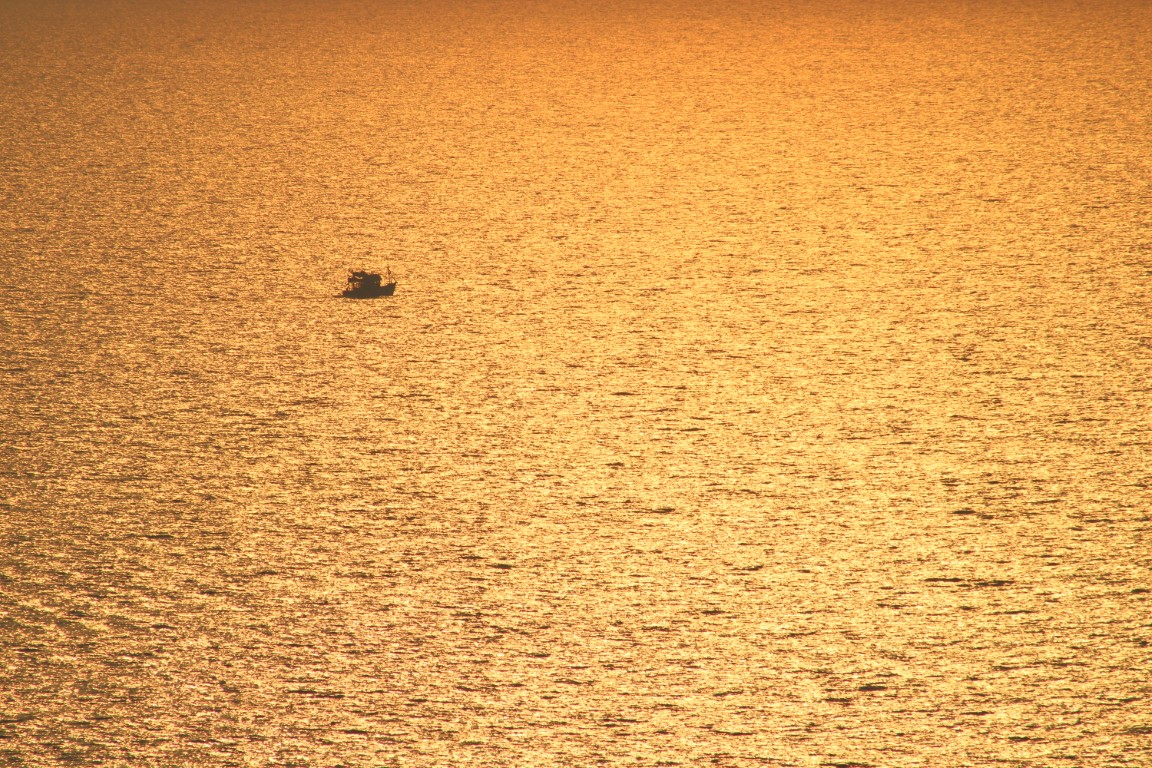
You see that one ship out on the horizon,
 and feel that unique tang of loneliness.
  There's far, far too much blank sea to thrive in,
   and all the makings for keen ghostliness.

That boat will soon be passing beyond sight,
 and maybe it will falter, maybe sink.
  The sea has created a million plights,
   and hazards there will honor no strict brinks.

In Shakespeare, ships are lost, often as not.
 See: "Tempest," "Merchant," "Pericles,” and so on.
  Perhaps, you'll say that today isn't so fraught
   with maritime menace and sea demons.

Why more vexed than those who keep ships running?
 'Cause sailors will never, ever, see it coming.












 Tiger Riding for Beginners