BOOK: “The Pocket Rumi” ed. / trans. by Kabir Helminski

The Pocket Rumi (Shambhala Pocket Library)The Pocket Rumi by Jalal ad-Din Muhammad ar-Rumi
My rating: 4 of 5 stars

Publisher Site – Shambhala

This is a selection of writings (mostly poetry) of Rumi (formal name: Jalāl al-Dīn Muḥammad Rūmī.) Rumi was a mystic of Sufi Islam, and so the poems tend toward the devotional — though with more reference to the experience of intoxication than one might expect from a 13th century Islamic poet.

This selection consists of three sections organized by poetic form, each section progressively longer than the preceding one. The first section is ruba’i, the second is ghazals, and the last is from Rumi’s Mathnawi.

The “Pocket” of the book’s title and series is figurative as the paperback is too big of both format and thickness for any pocket I own, personally, but the point is that it’s a quick read at only about 200 pages of (mostly) poetry [meaning white space abounds.]

I enjoyed reading this selection. I can’t say how true to message the translations are as I have no knowledge of Persian. I can point out that the translators opted to abandon form in favor of free verse. Hopefully, this gave them the freedom of movement to approach the message and tone of the originals.

If you are interested in a short, readable English translation of Rumi’s poetry, this book offers a fine place to start.

View all my reviews

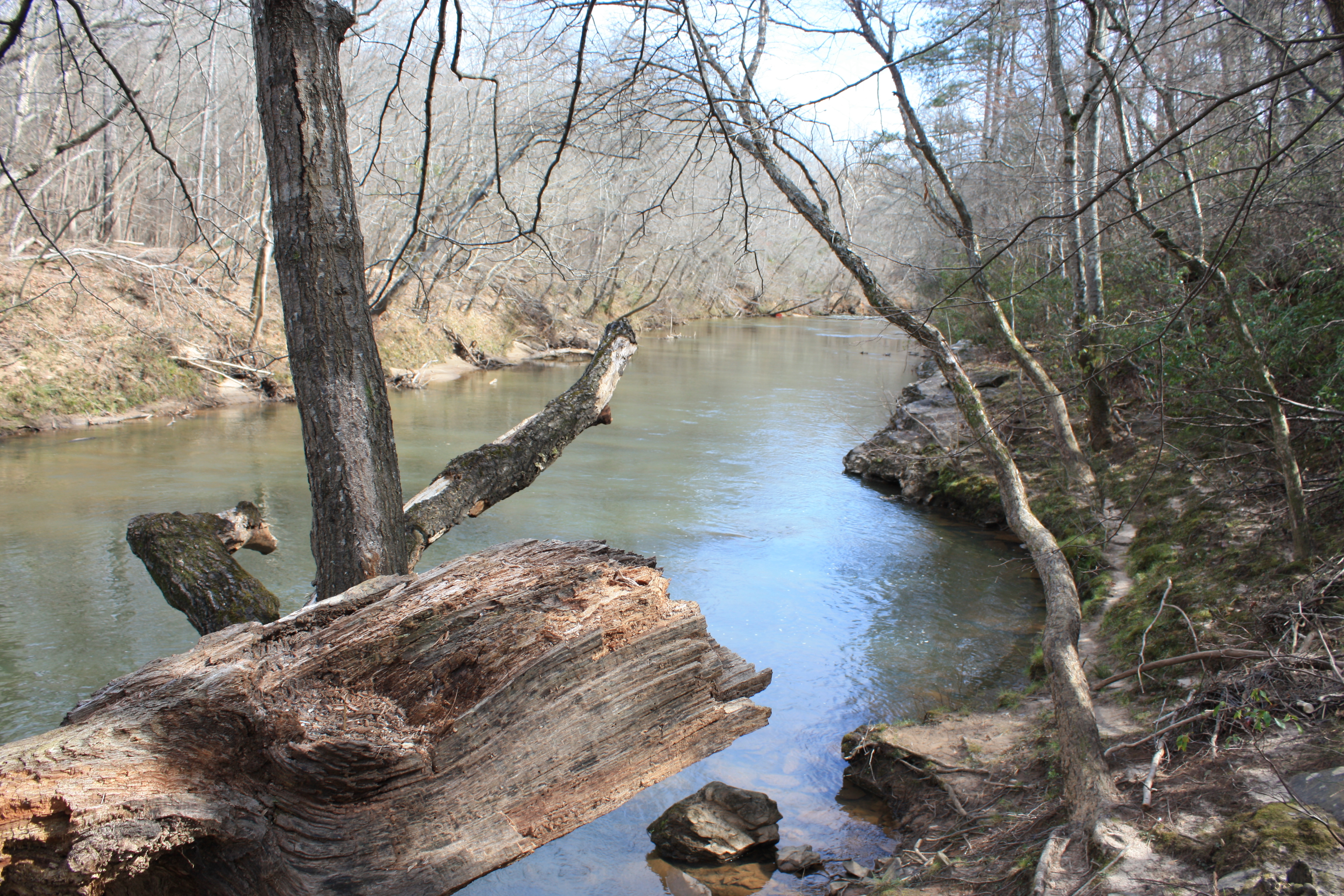
Quatrain 62 of the Rubaiyat of Rumi [w/ Audio]

If you desire the self, get out of the self.
Leave the shallow stream behind
And flow into the river deep and wide.
Don't be an ox pulling the wheel of the plow,
Turn with the stars that wheel above you.

As translated in: Helminski, Kabir (ed.). 2018. The Pocket Rumi. Boulder, CO: Shambhala South Asia Editions. p. 4; translators: Kabir Helminski, Camille Helminski, and Lida Saedian

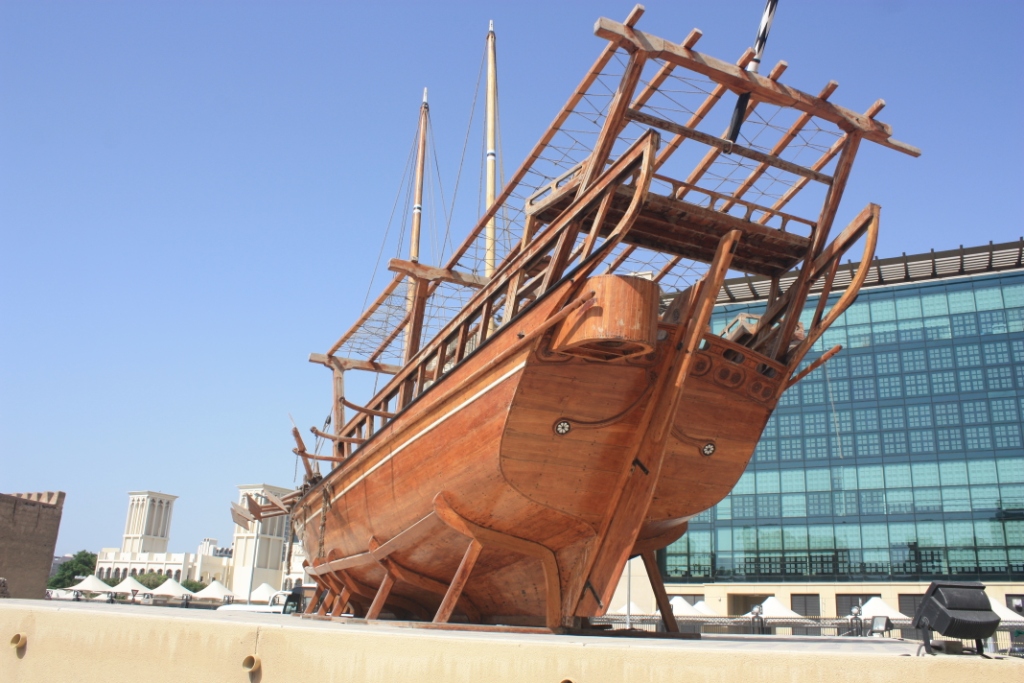
The Doldrums [Ruba’i]

Back in the days of wooden sailing ships
some unsaid words could never grace the lips:
the "calms," or "doldrums," signed apocalypse. 
Better storm than lull end one's life of trips.

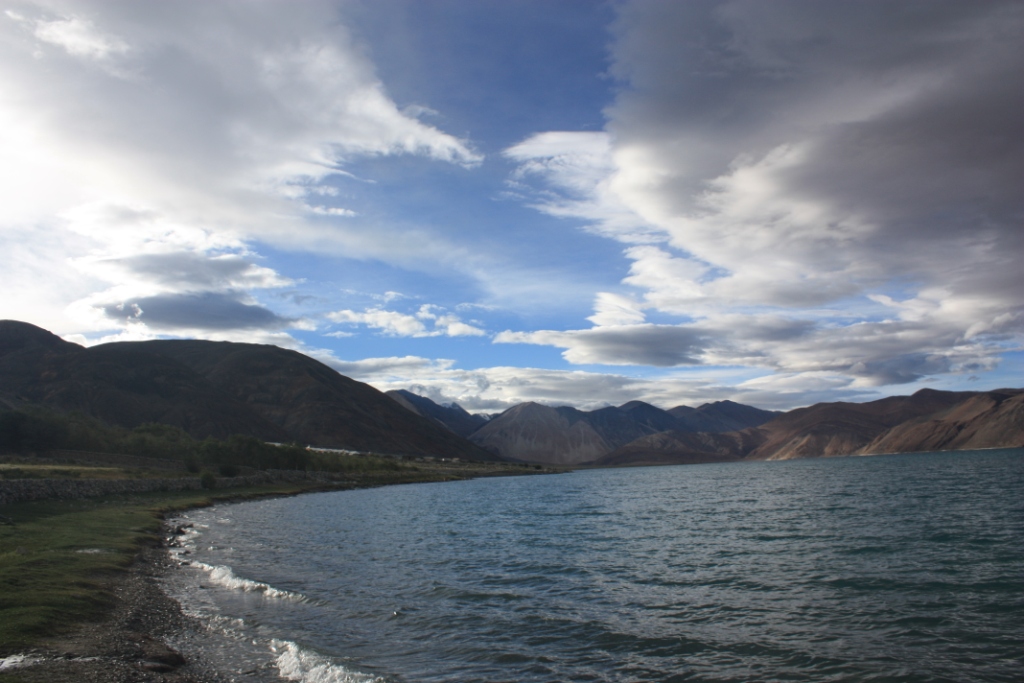
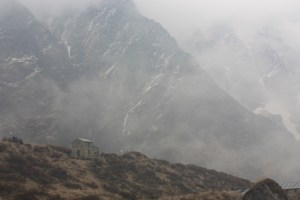
POEM: Pangong Tso [Ruba’i]

the parting clouds divulged a deep blue sky
and lapping waves were proof that time passed by
but only so gently that I couldn't say
if time ran true or told a subtle lie

POEM: Dead Woods [Rubaiyat]

In wild and wicked woods, I walk.
Convinced the winds carry strange talk.
In grumbles heard — no meaning grasped —
faux whispers won’t tell — only squawk.


The voiceless voices make it wicked.
I’m surrounded by a dense thicket.
I hear what’s not there — seeing naught.
I catch, I think, just one snippet…


“get-gone”


Oh why would woods say such a thing?
I feel it like a toxic sting.
Be still, that beating in my chest.
The bile, in throat, is now rising.


I only sought a forest bath,
but incurred this old forest’s wrath.
Oh, what have I interrupted,
while trodding down this ill-worn path?

Cloud Ruba’iyat [Day 9 NaPoMo: Ruba’i]

[Ruba’i is a Persian form of poetry written in four lines, i.e. one quatrain. A ruba’iyat is a collection of such poems. [These quatrains aren’t necessarily thematically or narratively connected.] The most famous such collection in English translation is Rubáiyát of Omar Khayyam. In English language ruba’i, the most popular rhyme scheme is A-A-B-A, but A-A-A-A is also popular — not to mention dispensing with rhyme altogether.]


1.)
clouds drift, unrushed, across skies of blue
tranquil spies that follow stuck like glue
no gains or losses are made in this game
for “heed the wind” is the only rule


2.)
to hide a mountain takes a special cloud
the mountain may lack color, but it’s proud
its steely, silvery gray stands manly
so neither white nor grime will enshroud


3.)
still cloud, I find troubling your lack of speed
it’s like you’ve stopped to draw a bead on me
those untethered should take a roaming spree
hasn’t anyone told you that you’re free?


4.)
wispy crystalline cloud high above
your shape won’t be discussed by those in love
’cause no one’s lying back this frigid day
wearing fur-lined coats, and hats, and gloves