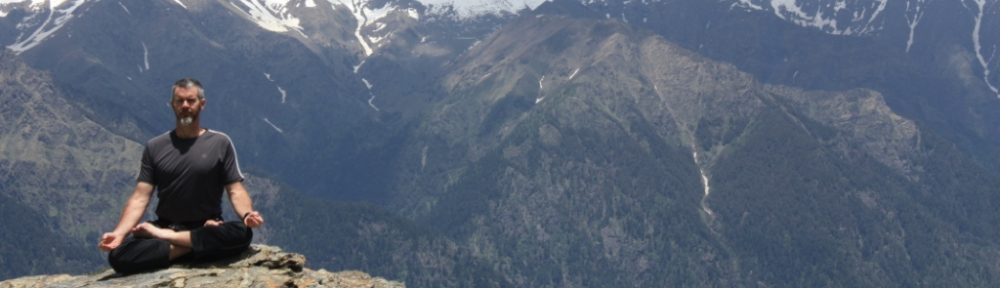

If you can dance in wild, weird ways,
then you are truly free.
If you can’t, while you’re home alone,
you’re a bodily detainee.
A prisoner of life, itself —
a man who never was —
a tragic figure cut from plans
who will do, but never does.
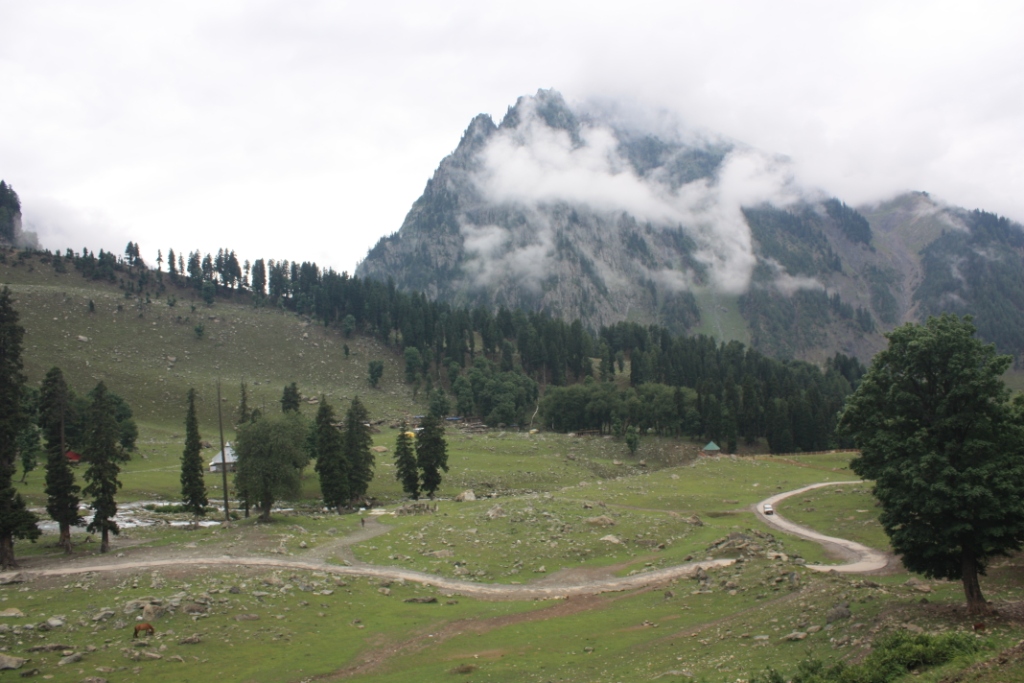
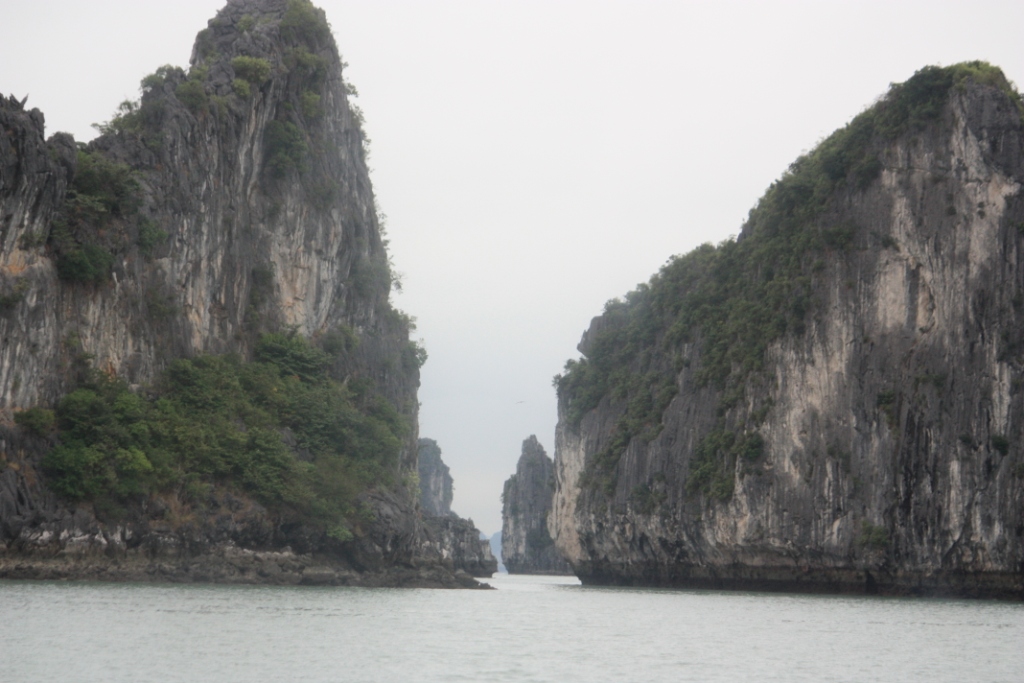
Maybe there’s no moving mountains,
but blow out the clouds and one may appear.
Out of the wall of white comes a rocky shoulder,
clad in spiky pines and stony protrusions.
 Up high and dry on a desert plateau,
where robust patches of grass dot bare soil
and rare oases form a green tableau
while desolate sands will not storm or roil.
The rippling temple flags, their color shows,
contrasting colors concrete as gargoyles.
The scrubland’s beauty is without dispute.
Here flags and flowers colors won’t dilute.
There was a salesman from Belize City
who called it: “where noir meets gritty,”
which means a crap-hole
that’ll suck out your soul.
Move on, the rest of the country is so pretty.

I am a master of camouflage.
Blink and I’ll have vanished.
My stripy suit may make you think
that I have been banished
from the savanna to some jail,
but I’m still standing here.
Can you see me blending so well?
“Poof,” and I disappear.
 Embodied: An Intersectional Comics Poetry Anthology by Wendy Chin-Tanner
My rating: 5 of 5 stars
Out: May 18, 2021
This is a poetry anthology in graphic novel form. All of the poems offer a feminine perspective, some considering the feminine in conjunction with other issues (race – e.g. “Red Woman;” or gender – e.g. “Gender Studies.”) As one might expect of an anthology, the poetic and artistic styles vary considerably from one entry to the next. That said, the 23 poems are predominantly short (most written or excerpted to fit one page) free verse poems that focus heavily on human experiences that are either unique to womanhood (e.g. motherhood) or for with the feminine perspective is quite distinctive (e.g. migration, war, etc.) While the artistic styles are quite varied, they are of a range one would see as a reader of graphic novels — some rough, some cartoonish, and some elaborate.
While the anthologized works all conform to a common feminist motif, there is quite a variety of topics and tones across the various pieces. The most widespread topic is that of motherhood, though from various perspectives (i.e. new mother, mother-to-be, prospective mother, a daughter’s relationship with mother, etc.) and attitudes. There are visceral entries that deal in various traumas – e.g. “Speak-House” (deals with the question of whether one speaks of trauma of living in a war zone freely) or “University Toxic” (which describes an incident of sexual harassment.) Love and relationships is another recurring theme (e.g. “To the Cherry Blossoms on 16th and Wharton” and “Drown.”) Other topics touched upon include menopause and wicca / witchcraft. [On a related note: While it does have a serious side, “Capitalism Ruins Everything, Even Witch Craft” is probably the most humorous of the poems, dealing with the issue of how quickly spiritual practices that propose to eschew materialism become the most outlandishly materialistic domains of all.]
The included artistic styles reflect realism (e.g. “Good Bones,”) surrealism (e.g. “Rubble Girls” and “Gender Studies.”) My favorite artwork of the book was in “Half Girl, Then Elegy.” Its panels are vivid, evocative, and beautifully rendered. (It’s also one of my favorite poems of the collection.) That said, favorites are very personal, and your view may vary. “Settlement” (which deals with immigration) is another of the more attractively illustrated works, as well as being quite an intense poem.
There aren’t a lot of poetry collections that employ graphic novel style illustration. Besides making the anthology more aesthetically pleasing, this approach offers a couple of other benefits. The most obvious is that the illustrations offer another reader’s (the illustrator(s)) perception of the poem — presumably a take on the poem that came about via discussion with the poet. [Note: this might not be seen as a benefit to all readers. Some might want to take the poem in without being subject to the interpretation of another. A nice feature of this book is that each poem is presented in text form after the illustrated version, giving the reader an opportunity to take the poem in without being flavored by a third-party perspective. Thus, one can read the poem straight first, and then go back and take in the illustrated edition (granted it would be a more awkward reading experience,) but it would let one compare one’s own picture of the poem with that of another.] A less apparent benefit is that it makes it easier to influence the pacing and pausing of reading. Dramatic use of white space for just this purpose has been used by poets for a long time, but building the textboxes around the art can make pacing changes all the more apparent.
There is a study guide and sketch art included as ancillary material. The former consists of a few questions about each poem that might be used by a book club or the like.
I thought this was a splendid collection of poems, and the art all worked – whether it was simple and chaotic or stunningly beautiful. I’d recommend readers of poetry check this anthology out, particularly if one likes the idea of merging the graphic and poetic arts.