POEM: Deuce & Half


no diesel beast growls
quite like a deuce and half
laboring, lumbering, up a hill
it pops out a machine gun cadence
if a machine gun had to gasp now and again
gasp timed to gear grinding
then there is the chatter of the flap
that tinks upon the exhaust stack
beating out an unlovable rhythm
it smells like tarp, oily and musty
it feels like wood bench slats
that flex only with the most jarring bounce
but not enough to spare a kidney
helmets slop around on skulls
it’s a long drop when that creaky tailgate opens
who knows where?

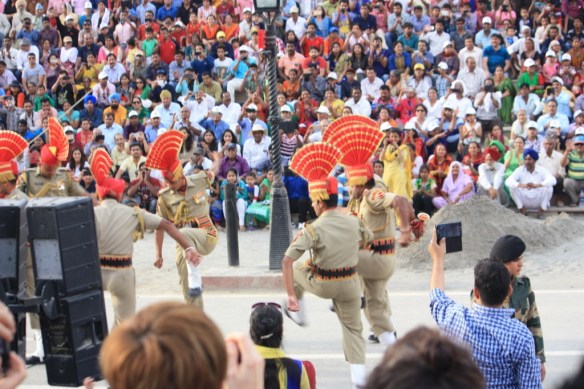
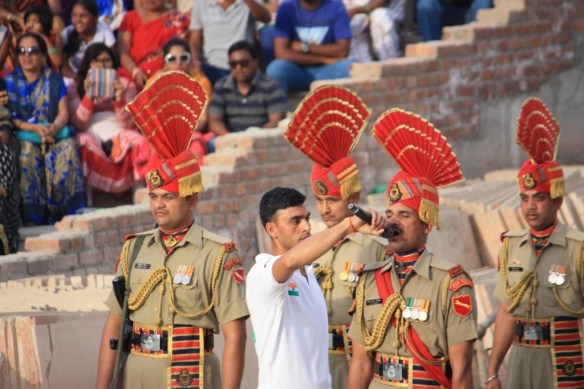
DAILY PHOTO: Fancy Hats of the Wagah Crossing

Taken at the Wagah / Attari border crossing between India and Pakistan on April 9, 2016

Taken at the Wagah / Attari border crossing between India and Pakistan on April 9, 2016


A show of zeal and machismo

A show of zeal and machismo


Sergeant calls to the troops

Sergeant calls to the troops

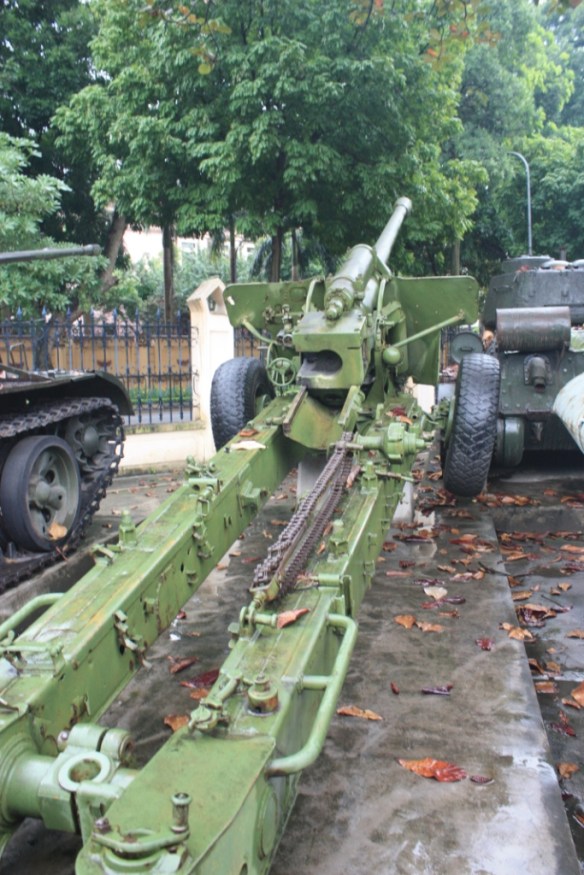
DAILY PHOTO: Military Bulldozer

Taken in December of 2015 at the War Remnants Museum in Ho Chi Minh City

Taken in December of 2015 at the War Remnants Museum in Ho Chi Minh City

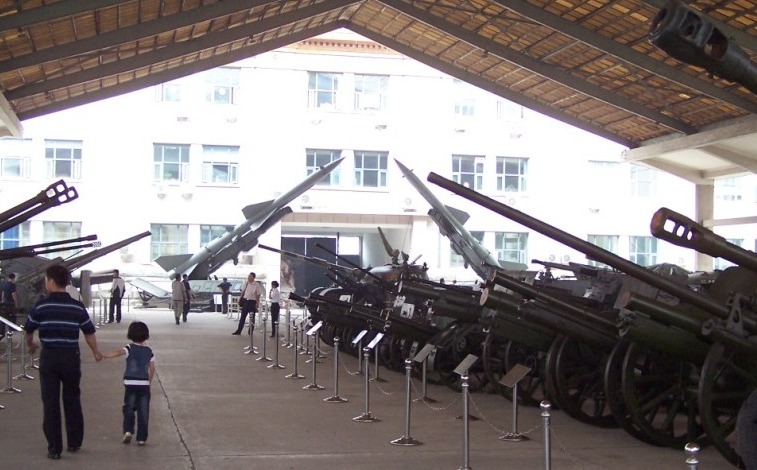
DAILY PHOTO: Vietnam Military History Museum

Taken on December 27, 2015 in Hanoi

Taken on December 27, 2015 in Hanoi

IMG_2114 IMG_2040 IMG_2078

BOOK REVIEW: Pirate of the Far East by Stephen Turnbull

Pirate of the Far East: 811-1639Pirate of the Far East: 811-1639 by Stephen Turnbull

My rating: 3 of 5 stars

Amazon page

Unfortunately, the first thing one notices about this book is what seems like a typo in the title. Instead of “Pirates of the Far East,” it’s Pirate of the Far East, which suggests piracy wasn’t so much of a problem in the region because there was only the one pirate—and that the author isn’t a fan of either definite or indefinite articles. I’m sure this was done intentionally, but it does read oddly and sounds tinny.

This slim book is a typical edition of the Osprey military history series. All of these books are less than 100 pages, illustrated, and focus on a specific class of warfighter over a defined period. In this case, the book presents a class of pirates called wako for the period from 811 to 1639. Wako literally refers to Japanese pirates, but–in fact–these marauders of the high seas were often mixed nationality crews. The book also provides information about counter-piracy activities and those groups of warriors, such as Shaolin monks, who fought against piracy back in those days.

This book covers a range of topics including: the life of a pirate, pirate ships, strategy, tactics, and weapons—as well as the history of these groups. The book has five actual chapters, but there are short units providing important information that would usually be appendices, e.g. a chronology, a discussion of museum exhibits, and an annotated bibliography.

The illustrations are mostly drawings, but include maps and photographs as well. Some of the art is drawn in the present-day by the illustrator Richard Hook, but some are historic pieces from art collections. The photographs also include some present-day photos of locations that were once bases of piracy, as well as photos of museum exhibits (e.g. topographic and other models.) The graphics are helpful in showing how pirates dressed/armored and were armed. The maps and drawings are particularly helpful.

I’d recommend this book, but I do think it’s overpriced at full price. At a mere 64 pages—a pamphlet more than a book–paying $10 or more seems a bit pricey despite the useful graphics and the fact that the author is among the most renowned authorities on Japanese warriors and medieval military tactics. All that said, there are relatively few books on the topic, and it’s not easy to get this information from other sources.

View all my reviews

DAILY PHOTO: Walking Amid the Big Guns

Taken in the summer of 2008 in Beijing at the Military Museum.

Taken in the summer of 2008 in Beijing at the Military Museum.

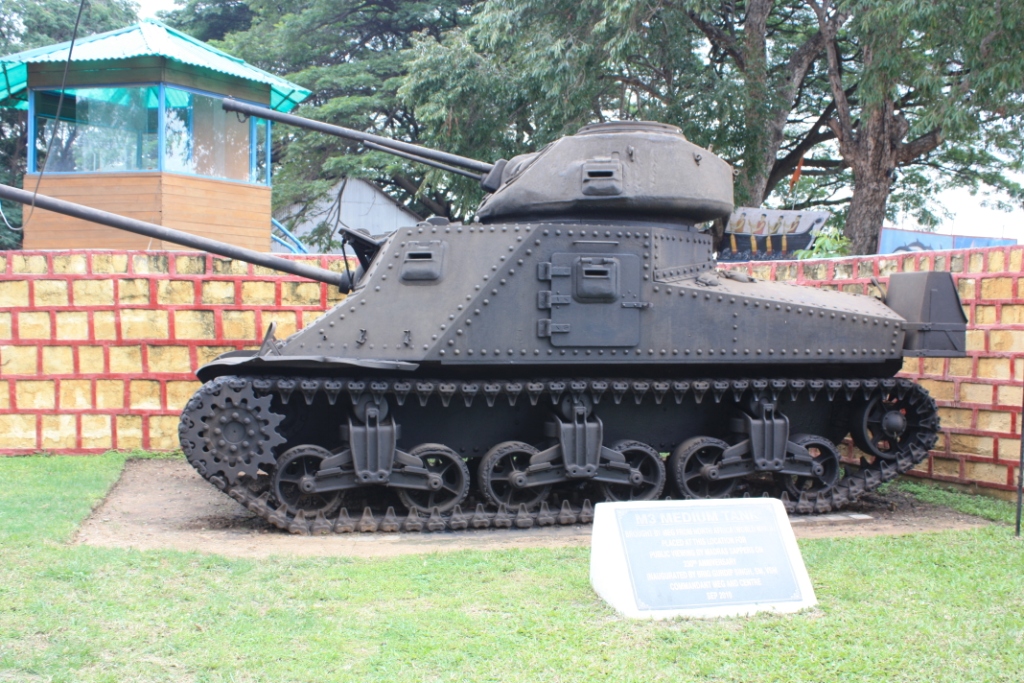
DAILY PHOTO: M-3 Tank

Taken in September of 2013

Taken in September of 2013


This M-3 tank is on display at the base of the Madras Sappers. It’s one of the military units housed in Bangalore. Madras is also called Chennai, and is a town in south India on the east coast. It’s about due east of Bangalore. Sappers are military engineers who deal with mines.

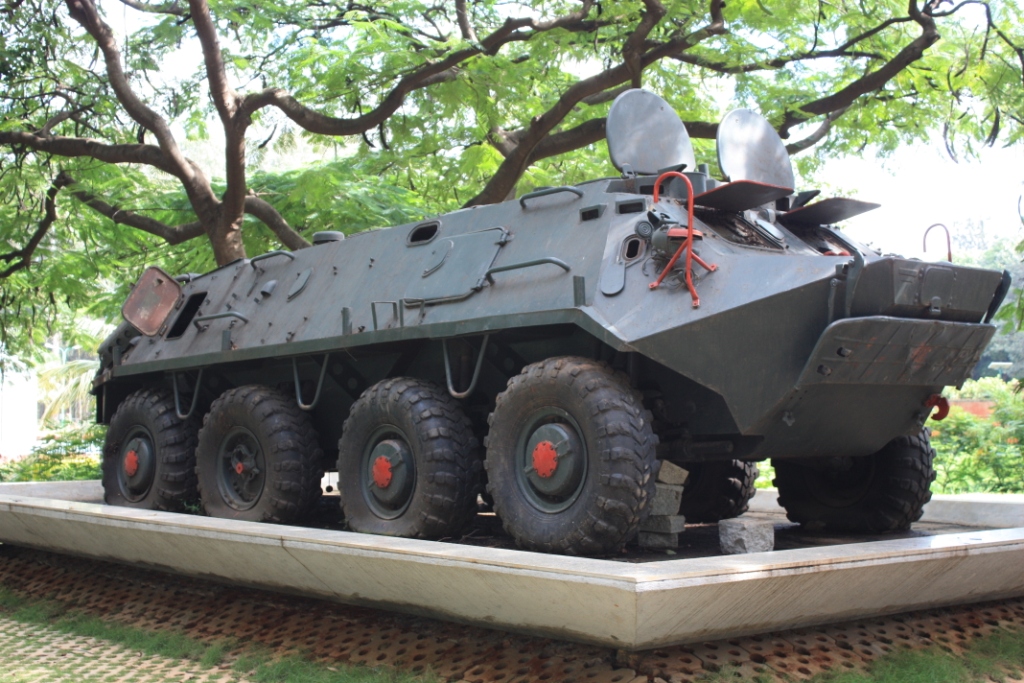
DAILY PHOTO: Indian Amphibious Armored Personnel Carrier

Taken September 15, 2013 at the National Military Memorial

Taken September 15, 2013 at the National Military Memorial

This eight-wheeler is on display at Bangalore’s National Military Memorial park. It appears to be an amphibious armored personnel carrier (APC). However,  they don’t yet have any signage up to explain what’s what. Looks kind of like a Soviet BTR-60.

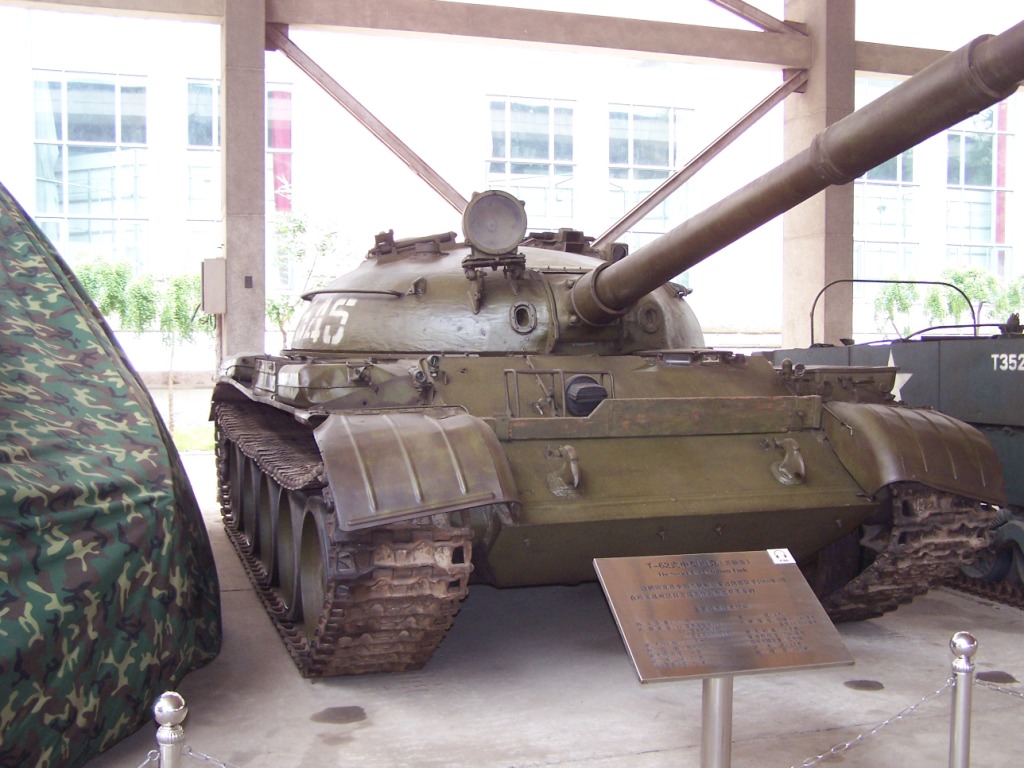
DAILY PHOTO: Soviet T-62 in Beijing

Taken in July of 2008 in Beijing's Military Museum

Taken in July of 2008 in Beijing’s Military Museum

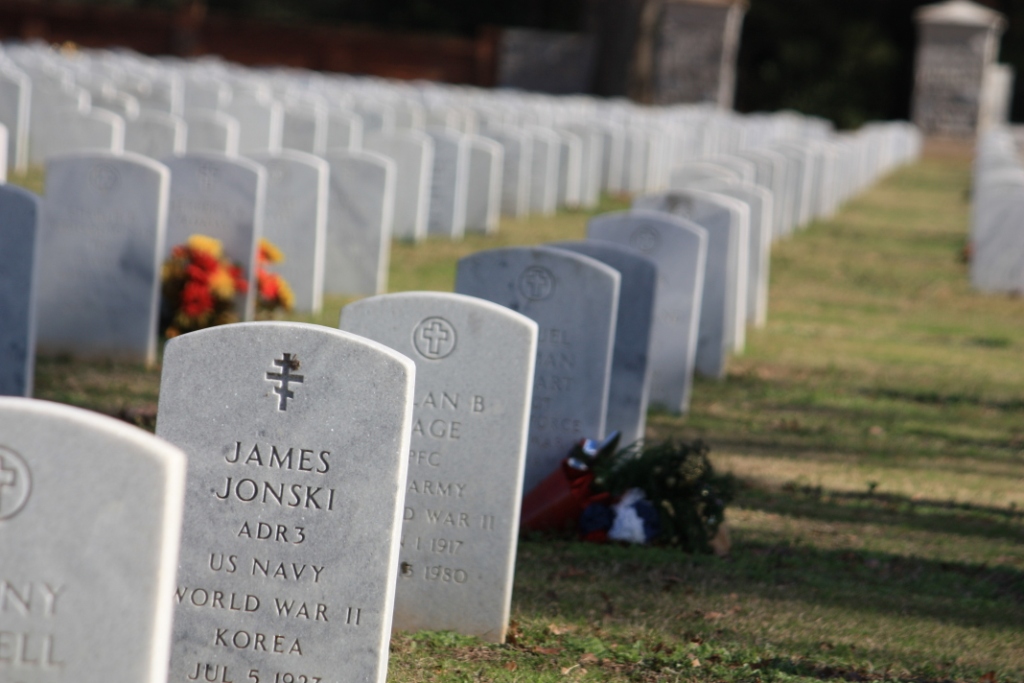
DAILY PHOTO: Between the Crosses, Row on Row

Take December of 2012 at Andersonville National Cemetary

Taken December of 2012 at Andersonville National Cemetery

At a military cemetery like this one, a poem always plays in my mind. It was the first poem I ever memorized in full (not including snippets of some  disturbing mandatory children’s poems like “Ring Around the Rosie” [said to be about the Black Death] and–in Indiana–“The Little Orphan Annie” [about an enslaved orphan threatened with goblins.])

At any rate, the poem in question is In Flanders Fields by John McCrae. Sadly, I chose to memorize this poem for a school assignment of poetry recitation because it seemed short and it rhymed. However, in many subsequent re-readings it has become a very powerful bit of verse for me. It may not be perfectly apropos for Independence Day as it was written by a Canadian and is about an entirely different war. However, in some sense it’s about all wars and one motive that drives soldiers of free nations to fight them.

In Flanders fields the poppies blow
      Between the crosses, row on row,
   That mark our place; and in the sky
   The larks, still bravely singing, fly
Scarce heard amid the guns below.

We are the Dead. Short days ago
We lived, felt dawn, saw sunset glow,
   Loved and were loved, and now we lie
         In Flanders fields.

Take up our quarrel with the foe:
To you from failing hands we throw
   The torch; be yours to hold it high.
   If ye break faith with us who die
We shall not sleep, though poppies grow
         In Flanders fields.