


I’ve always gotten bogged down in Joyce’s Ulysses. There are some books you need to be in the right headspace to attack.
I should probably read the Bible and the Koran, speaking of literature I’ve never had the mental energy to take up.

I’ve always gotten bogged down in Joyce’s Ulysses. There are some books you need to be in the right headspace to attack.
I should probably read the Bible and the Koran, speaking of literature I’ve never had the mental energy to take up.
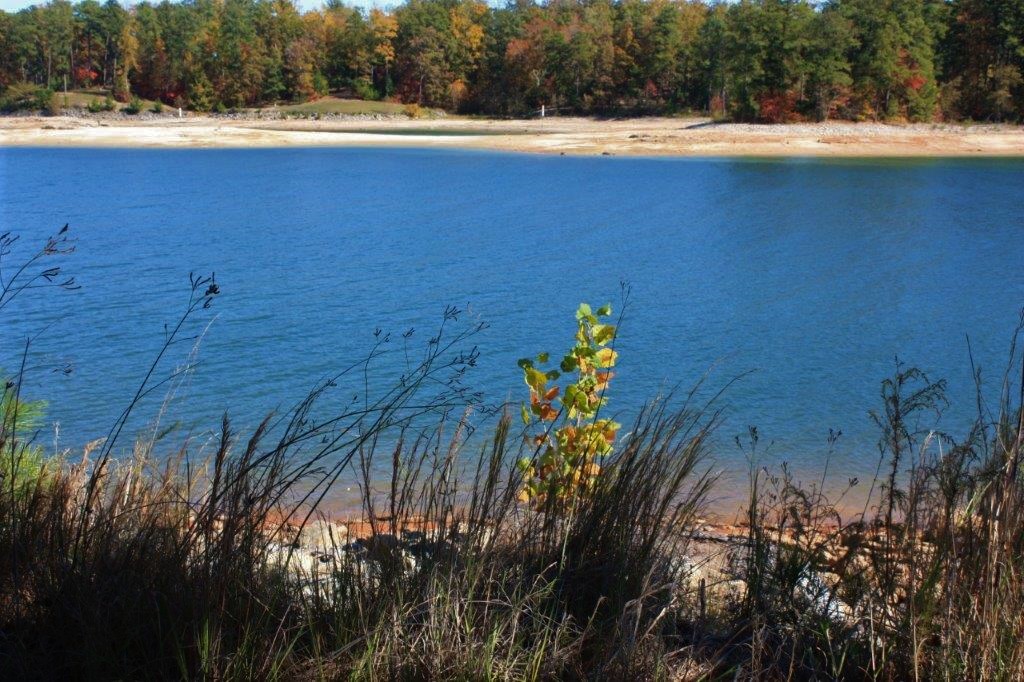
My love is in a light attire
     Among the apple trees,
Where the gay winds do most desire
     To run in companies.

There, where the gay winds stay to woo
     The young leaves as they pass,
My love goes slowly, bending to
     Her shadow on the grass.

And where the sky’s a pale blue cup
     Over the laughing land,
My love goes lightly, holding up
     Her dress with dainty hand.
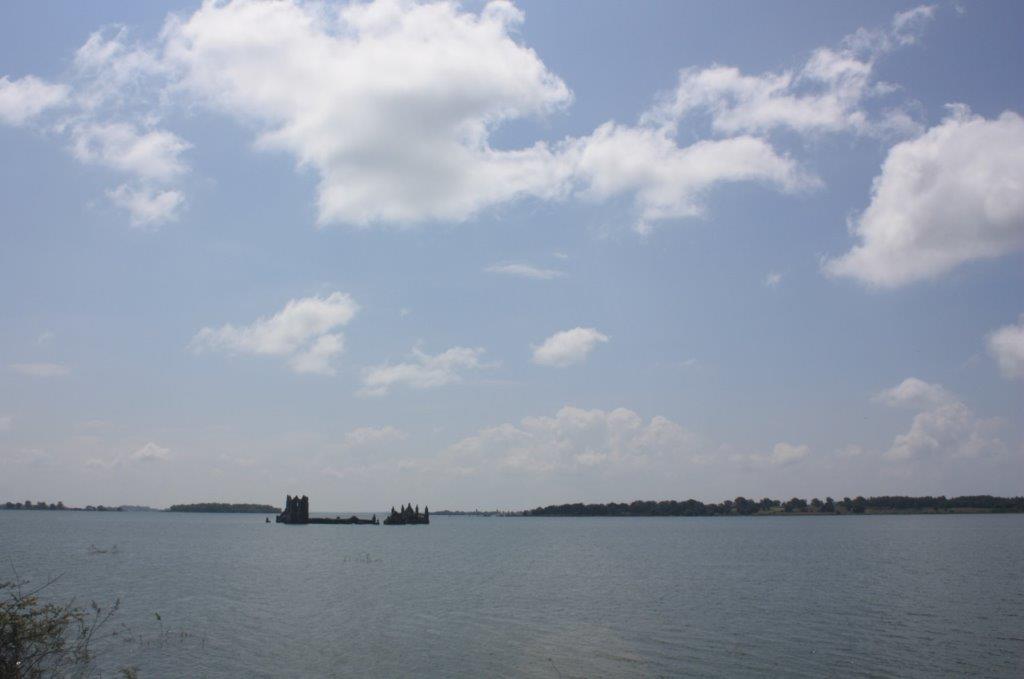
Gold-brown upon the sated flood
 The rock-vine clusters lift and sway:
 Vast wings above the lambent waters
   brood
 Of sullen day.

A waste of waters ruthlessly
 Sways and uplifts its weedy mane,
 Where brooding day stares down
   upon the sea
 In dull disdain.

Uplift and sway, O golden vine,
 Thy clustered fruits to love's full
   flood,
 Lambent and vast and ruthless as is
   thine
 Incertitude.
It’s not something that I’ve thought of much. In my youth, I was attracted to most every culture but that of my own ancestry. In my late teens and early twenties, I visited Liverpool two or three times (just across the Irish Sea from my ancestral homeland,) but (sadly) never made it to Ireland. I’ve been to over 40 countries, but not yet my ancestral homeland. I think that’s not so uncommon to come around to an interest in such things later in life.
But the answer to the question is certainly to be found in the literature. Yeats is among my favorite twentieth century poets (if not my favorite,) and Seamus Heaney is certainly in the running. Of late, I’ve gotten on an Oscar Wilde kick, and his work definitely appeals to my ornery yet thoughtful nature. Even Joyce, who I had trouble getting into in his role as novelist, is a writer whose use of language I love.
 Introducing Joyce: A Graphic Guide by David Norris
My rating: 5 of 5 stars
This guide provides a concise overview of the life and work of James Joyce. I’ve now read a few of the titles in this series (they are available on Amazon Prime,) and this has been my favorite so far. To be fair, this might have to do with the nature of the subject matter (most of the volumes I’ve read previously were about more complex philosophical subject matter, topics about which it’s harder to write clearly and concisely, while still meaningfully. Which is not to say Joyce’s work can’t be daunting.)
Like the other books in the series, this one is arranged into short (1-2 page) sections (about 70 of them) that each address a particular topic. There is a general chronological flow, though some of the sections deal more with the great novelist as a person, others focus more on his books, and still others talk about influences – both those who influenced him and how he influenced others. As the subtitle suggests, there are graphics throughout. Most of these are black and white drawings in a cartoon style that serve to reiterate or dramatize key points. There is one quite useful table that maps Joyce’s “Ulysses” to Homer’s “The Odyssey,” which influenced it.
Which brings us to the value of a book like this when trying to understand Joyce’s work. Having been reading “Ulysses” of late, I’m interested in gaining more depth of insight into the man’s work. Joyce’s language is beautiful, but for me it’s been a bit more like reading poetry than prose. Story is dialed down to virtual non-existence. Referring back to the aforementioned table that describes how “Ulysses” and “The Odyssey” relate offers a great example. When one sees the title “Ulysses,” one immediately thinks of Homer’s epic poem, but a straight-forward reading of each work leaves one wondering how two books could be more different. “The Odyssey” is the harrowing tale of Odysseus’s (a.k.a. Ulysses’s) ten-year return journey after the Trojan War, it features monsters, ship wrecks, cunning lovers, a visit to the underworld, a rampaging slaughter, etc. “Ulysses” is the story of a couple guys (mostly Leopold Bloom, but also Steven Daedalus) who go about their seemingly mundane daily lives in Dublin, Ireland. There are no monsters, witches, duels to the death, and – arguably — the big excitement is the attendance of the funeral of an unknown character. However, Norris offers the reader insights into how the two works can be seen as linked.
There are similar breakdowns of other major works (i.e. “Dubliners,” and “A Portrait of the Artist as a Young Man.”) Special focus is given to the unique ways in which these works are arranged and the philosophy and psychology that inform them.
In addition to the aforementioned graphics, there is a “Further Reading” section at the end to point readers to works that will help them to further flesh out their understanding of this curious author and his notoriously challenging works.
If you’re interested in decoding Joyce, I’d recommend you check out this brief guide.


 Tiger Riding for Beginners