DAILY PHOTO: McLeodganj Bull in Traffic

Taken June 22, 2015 in McLeodganj

Taken June 22, 2015 in McLeodganj

IMG_2551

The moment you realize the car seeking to merge is not a car, has horns, and is not afraid to use them.

IMG_2572

The moment before you realize that he’s not the kind of bovine who deviates.

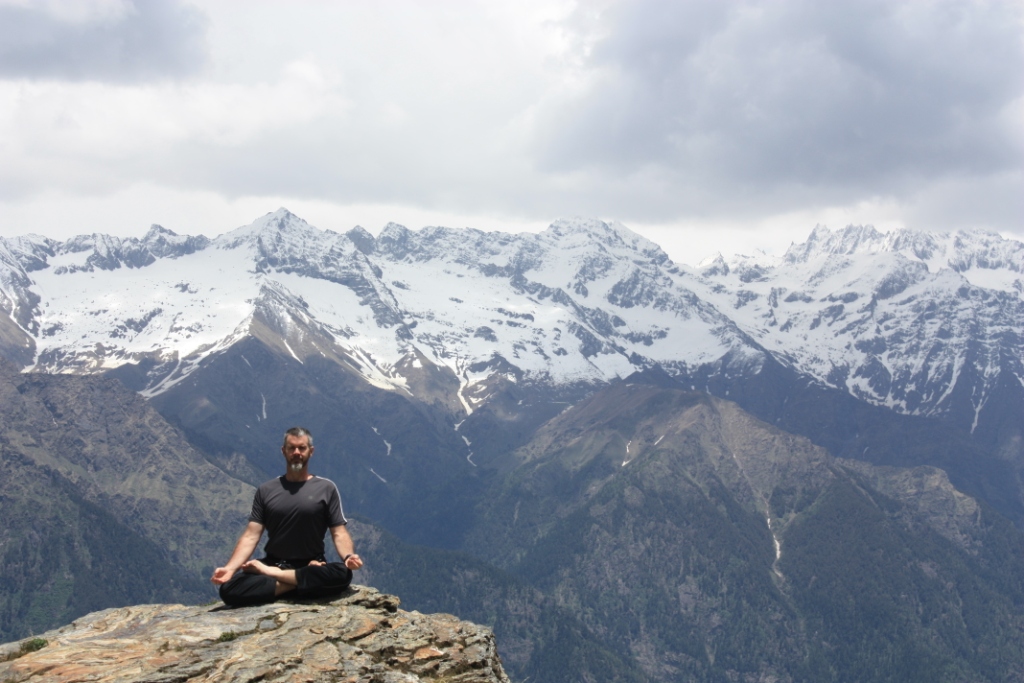
DAILY PHOTO: Blooming Rhododendrons and Snow-Caps

Taken on June 10, 2015 in Great Himalayan National Park (GHNP)
Taken on June 10, 2015 in Great Himalayan National Park (GHNP)

IMG_1199

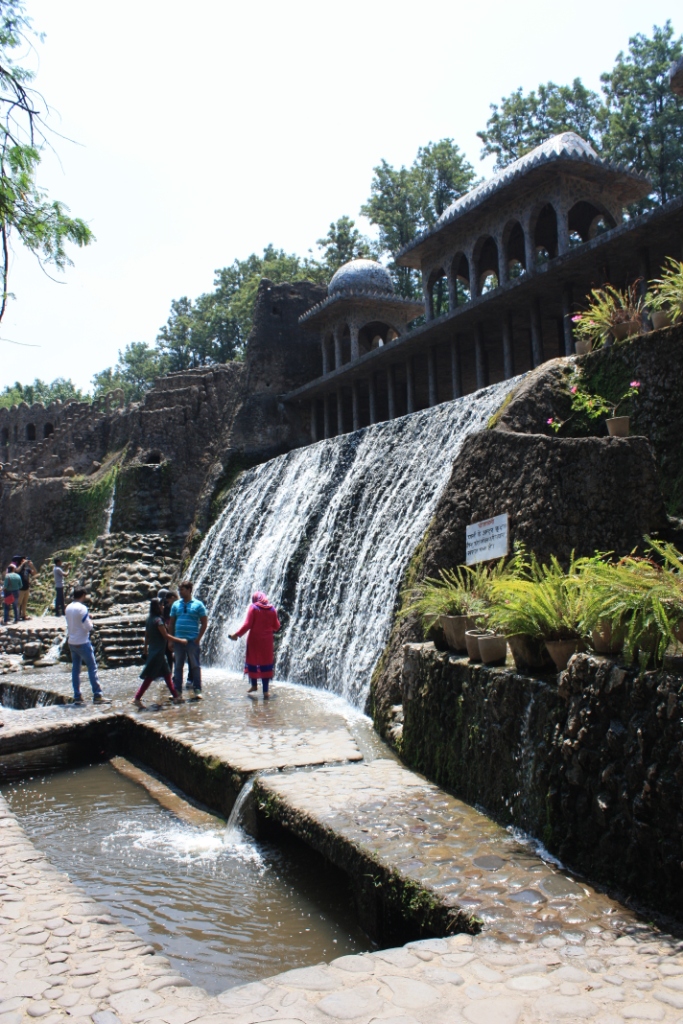
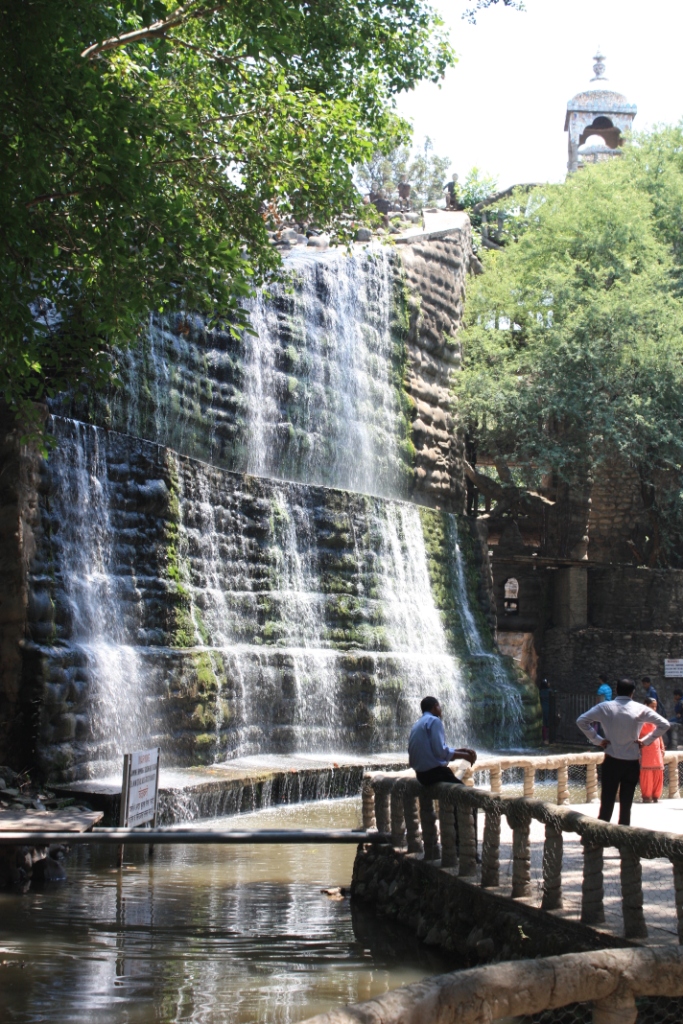
DAILY PHOTO: Nek Chand Mosaic Amphitheater

Taken on June 26 in Chandigarh

Taken on June 26 in Chandigarh

All made from porcelain from broken dishes, toilet bowls, wall tiles, etc. This is the Phase III open space. (Most of Nek Chand is labyrinthine.

DAILY PHOTO: Gigantic Orange Hanuman

Taken June 24, 2015 at Jakhu Temple in Shimla

Taken June 24, 2015 at Jakhu Temple in Shimla

I’m standing in the foreground for scale, and even if I were only 10 inches tall (I’m not) that would be a pretty grandiose Hanuman.

Taken from a distance. Surveying all.

Taken at a distance. Surveying all.

DAILY PHOTO: Woman Spinning Wheels at Kalachakra Temple

Taken on June 23, 2015 in McLeodganj

Taken on June 23, 2015 in McLeodganj

DAILY PHOTO: Sikh Knife Sharpener in Manali

Take on June 17, 2015 on the Mall in Manali

Take on June 17, 2015 on the Mall in Manali

This man had a PTO (Power Take-Off) on his bicycle to convert pedal power to a grindstone. He sold and sharpened knives, scissors, and assorted cutting instruments.

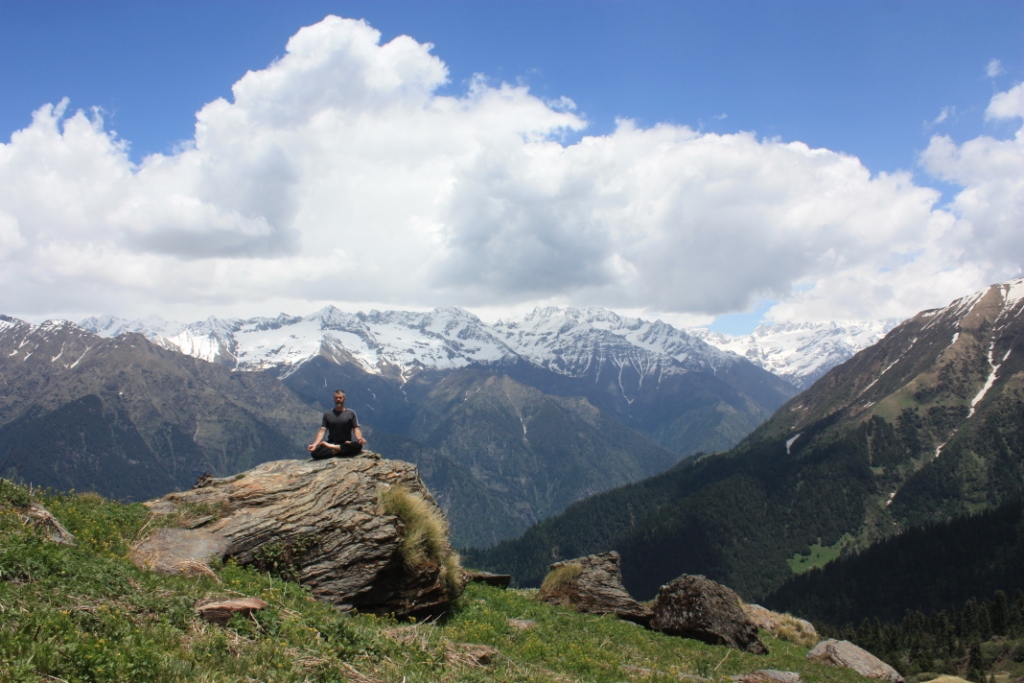
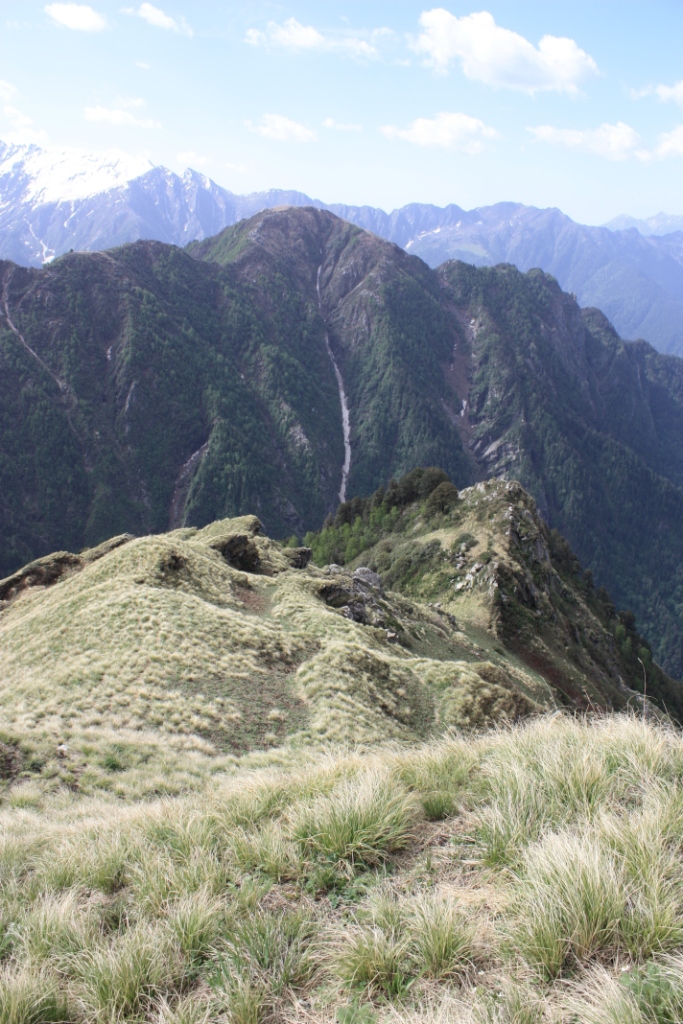
DAILY PHOTO: Trekkers on an Alpine Meadow

Taken on June 10, 2015 near Dhel in Great Himalayan National Park (GHNP)

Taken on June 10, 2015 near Dhel in Great Himalayan National Park (GHNP)

DAILY PHOTO: A Horde in Short Shorts

Taken on June 26, 2015 at Nek Chand Rock Garden in Chandigarh

Taken on June 26, 2015 at Nek Chand Rock Garden in Chandigarh

What’s interesting about this batch of statues at Nek Chand is that nobody wears shorts in India (let alone short shorts.) If you see someone in shorts, you can be certain they’re either a tourist or part of a very specific demographic (i.e. 20 to 25 year olds of middle / upper-middle class backgrounds whose all-time favorite television show is either “Big Bang Theory” or “How I Met Your Mother.”)

Incidentally, the Nek Chand Rock Garden is the highlight of a trip to Chandigarh, and shouldn’t be missed. It’s a labyrinthine park made out of recycled materials. A lot of these materials–particularly for the early phases of the project–came from the villages that had been torn down to make room for the new city. On the order of fifty villages were razed so that India’s premier planned city could come to fruition.

A Third Roti: A Story with an Elephantine Moral

IMG_0047I went to a talk at the Rangoli Metro Arts Center last night entitled, Foresters’ Elephants. The talk was hosted by a group called “Friends of Elephants,” and the panel of speakers were all Conservation Officers in South India who were responsible for public lands home to Elephants.

The discussion offered some intriguing insight into state and local politics in India. But the best explanation of the night came from the Chief Conservator of Forests for Kodagu in a story that could be titled “A Third Roti.”

The Conservator explained that, as a junior forest officer, he’d been assigned to a remote station. His housing took the form of an old decrepit colonial era building. This house had a vermin infestation, and the hungry rodents would get bold as he and his wife slept and would nibble at their fingers and toes. Of course, this made for sleepless nights. To solve this disconcerting problem, the Conservator took to getting a third roti with his meals. [For my India-inexperienced readers, a roti is a circular flat bread that’s a common element of meals in many parts of India.] Putting the third roti out for the rodents negated the rat’s need to engage in the mutually terrifying act of nibbling on the forest officer or his wife.

I don’t know if the story is true, and–if it is–whether it’s truly the Conservator’s story. It doesn’t matter. What’s important is that it’s a great use of story to make a point. The point in this case is that a solution often needs to take into account the fundamental needs of the “adversary.” In other words, regulation and punishment can’t always provide the solution–especially when basic needs are not being met. One could try to scare the rodents away or one could set traps (potentially at risk to oneself), but if the rats are driven  by hunger they might find the risk worth taking. The problem that he was addressing was the need for wood for fires, fence posts, and other needs. This caused people to enter public forests, putting themselves at risk of running into wild elephants.

The idea of trying to find a third roti for problems really resonated as an approach to creative solutions.

DAILY PHOTO: Red Roofed House on the Tirthan River

Taken on June 8, 2015 in the Great Himalayan National Park (GHNP) Ecozone

Taken on June 8, 2015 in the Great Himalayan National Park (GHNP) Ecozone

Taken as we traveled beside the Tirthan River at the beginning of our Tirthan to Sainj trek in GHNP Ecozone.