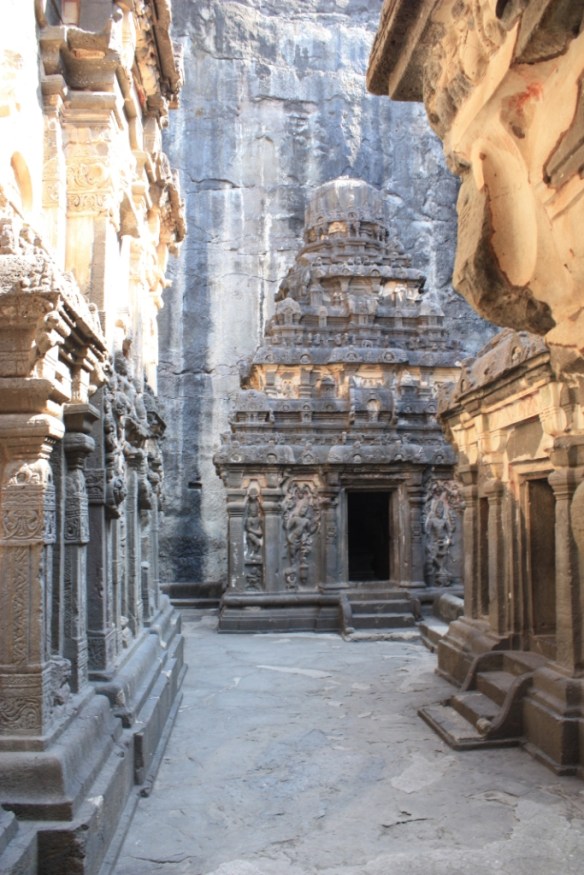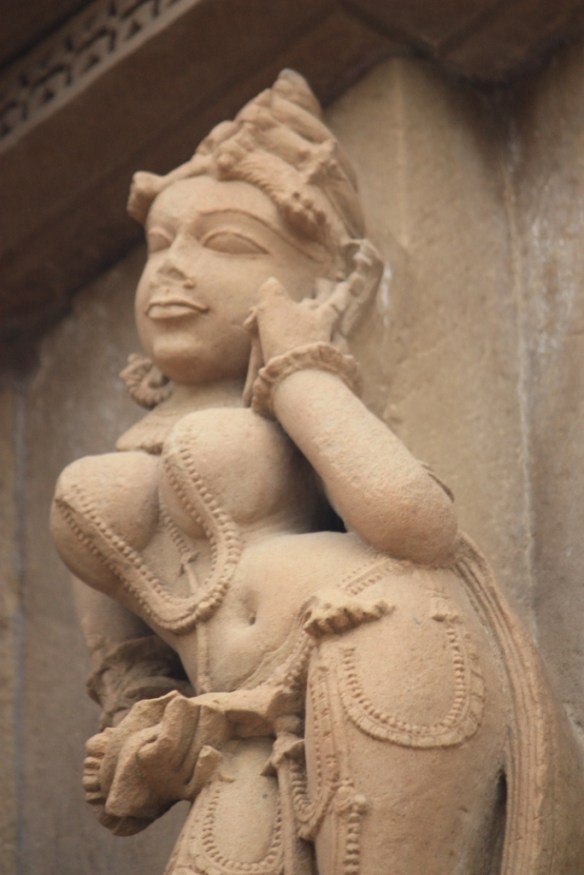
DAILY PHOTO: Namdroling Façade

Taken in March of 2014 at Namdroling Monastery

Taken in March of 2014 at Namdroling Monastery

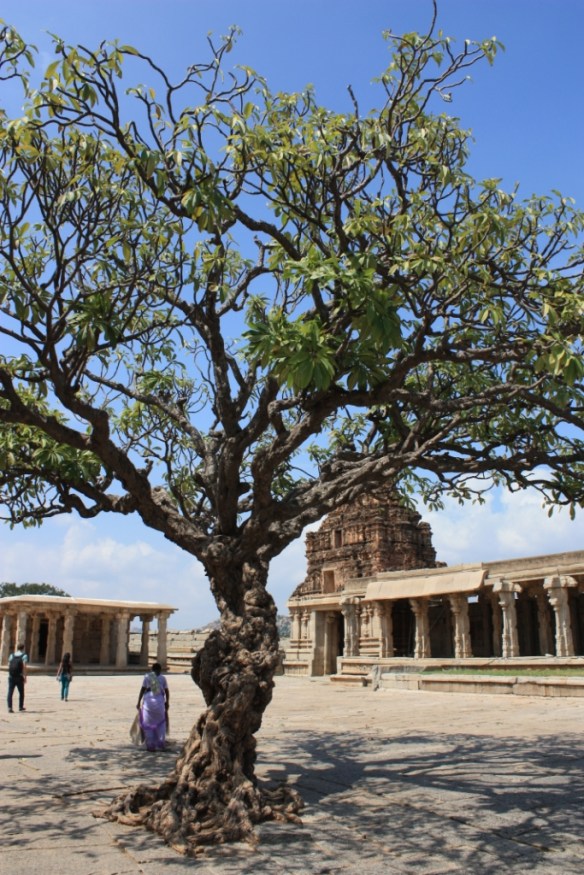
DAILY PHOTO: Big Tree at Chennakesava Temple

Taken in January of 2016 at Chennakesava Temple  in Somanathapura

Taken in January of 2016 at Chennakesava Temple in Somanathapura

DAILY PHOTO: Cannon in the Courtyard

Taken in Jodhpur in November of 2015

Taken in Jodhpur in November of 2015 at Pal Haveli in Jodhpur

DAILY PHOTO: Mehrangarh Fort Windows

Taken in November of 2015 at Mehrangarh Fort in Jodhpur

Taken in November of 2015 at Mehrangarh Fort in Jodhpur

IMG_2511 IMG_2512

BOOK REVIEW: Kalaripayat by Patrick Denaud

Kalaripayat: The Martial Arts Tradition of IndiaKalaripayat: The Martial Arts Tradition of India by Patrick Denaud
My rating: 4 of 5 stars

Amazon page

There’s a dearth of books on Indian martial arts, in general, and Kalaripayattu, specifically. The few books that do exist, such as Ranjan Mullaratt’s “Kalari Margam” (a fine book which I’ve previously reviewed), focus heavily on the techniques of the martial art. Denaud builds a niche by writing perhaps the only English-language book yet that turns its focus on other aspects of the art, including the art’s history, philosophy, customs, psychology, and its influence on–and interaction with–other systems both in India and abroad (e.g. yoga, Kathakali, Ayurvedic massage, and Tai Chi.)

After three forwards by luminaries and an introduction, the book consists of seven chapters. The chapters cover the history and mythology of the art, Kalaripayattu as a martial art (weapons and techniques in general terms), the psychological aspects of the art, the art’s relationship with Ayurvedic practices—particularly massage, its relationship to other elements of Keralan culture, the results of interviews with modern-day masters, and the influence of India and Kalaripayattu on foreign martial arts.

When I picked this book up, I was somewhat expecting that it would contain little in the way of intriguing and relevant information, and that it would be stuffed with generally known background information. I’ve come across far too many books on topics for which there’s little information, and have become well-acquainted with the many methods by which authors pad out a pamphlet’s worth of information into a book. However, I was pleasantly surprised by how much information on Kalaripayattu this book contained, and how relevant the background seemed. While there’s a fair amount of background, the book doesn’t feel padded. Granted, I can’t be certain how much of this information is accurate. I know common myths are repeated that are now believed to be false (e.g. Bodhidharma spreading Kalaripayattu to Shaolin), but I saw nothing that seemed like pure fabrication (though I’d be unlikely to recognize such a thing.) Denaud does cite his sources (not in bibliographic format, just by attribution of authors and texts) on most occasions and it certainly wrings authoritatively.

I’d recommend this book for individuals interested in martial arts, and the history of martial arts. It’s a rare glimpse into various aspects of Kalaripayattu. Also, some people who are interested in south Indian culture more than martial arts may also find it worthwhile.

View all my reviews

DAILY PHOTO: Pushkar Ghat

Taken in November of 2015 in Pushkar

Taken in November of 2015 in Pushkar

DAILY PHOTO: Rajasthani Knick-Knacks

Taken in November of 2015 in Jaipur

Taken in November of 2015 in Jaipur

DAILY PHOTO: Dashaswamedh Ghat Street Scenes

Taken in October of 2015 in Varanasi

Taken in October of 2015 in Varanasi

IMG_3676 IMG_3677

DAILY PHOTO: Scenes from the Dalai Lama’s Temple

Taken in July of 2015 in McLeod Ganj

Taken in July of 2015 in McLeod Ganj

IMG_2524 IMG_2529

DAILY PHOTO: Mountain Shrine in the Himalayas

Taken in July of 2015 in Great Himalayan National Park

Taken in July of 2015 in Great Himalayan National Park


These cairn-centered shrines are common along the trails in Himachal Pradesh. They often have unique little items left by travelers making puja. This one happens to be located on a ridge that offers a spectacular panoramic view.


The same ridge line, further on.

The same ridge line, further on.

A couple of guides at the same shrine

A couple of guides at the same shrine