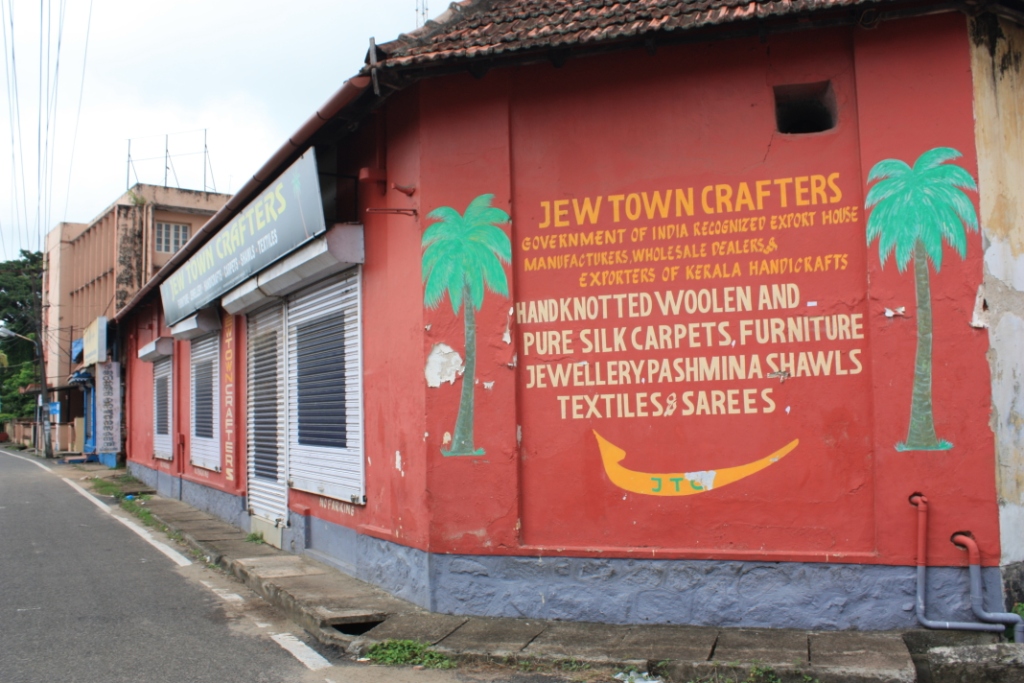
Taken in July of 2014 in Kochi (Cochin), Kerala
Taken in July of 2014 in Kochi (Cochin), Kerala

Taken in Hungary in December 2016
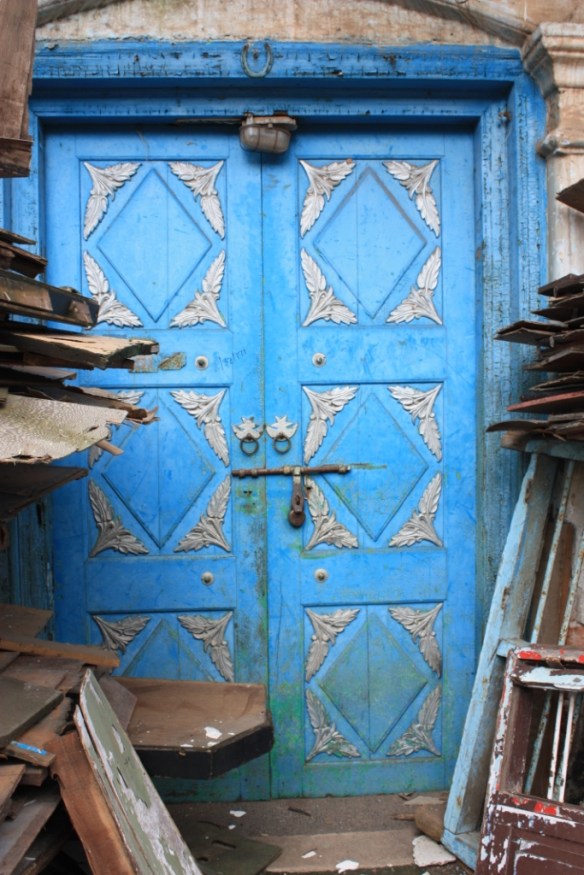
Kochi (Cochin), India

Kochi, India
Whenever I come across a little, unlabeled door in a place where it seems to have no business being, I can’t help but take a picture. I’ve got quite a collection of such pics, of which I present a sample.
Maybe I watched “The Matrix” too many times, but I can’t help but wonder.
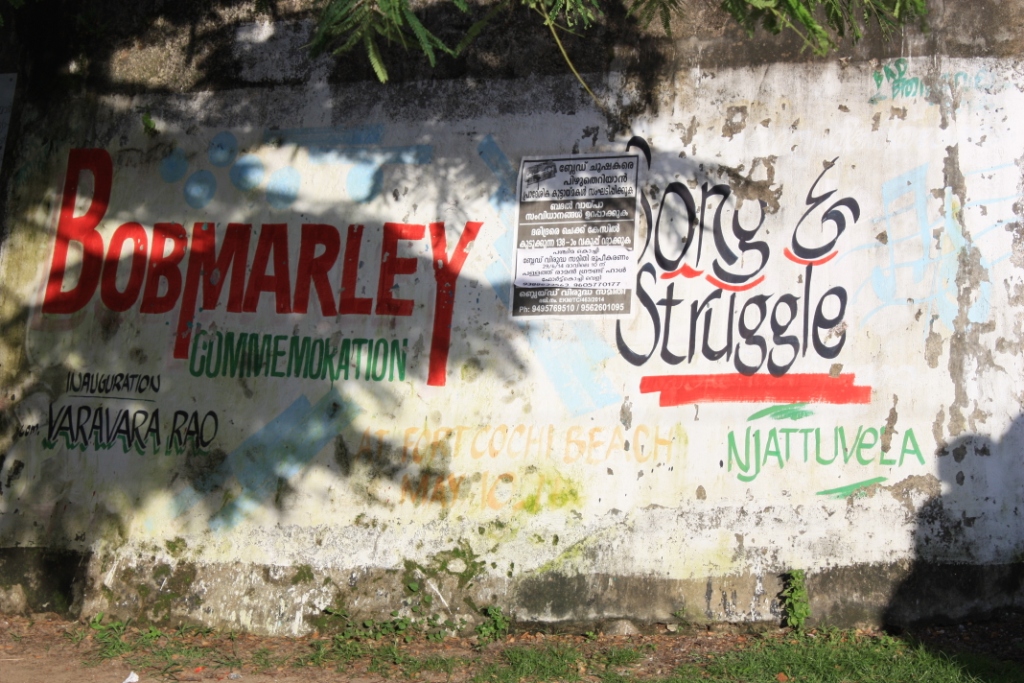
Taken in July of 2014 in Kochi
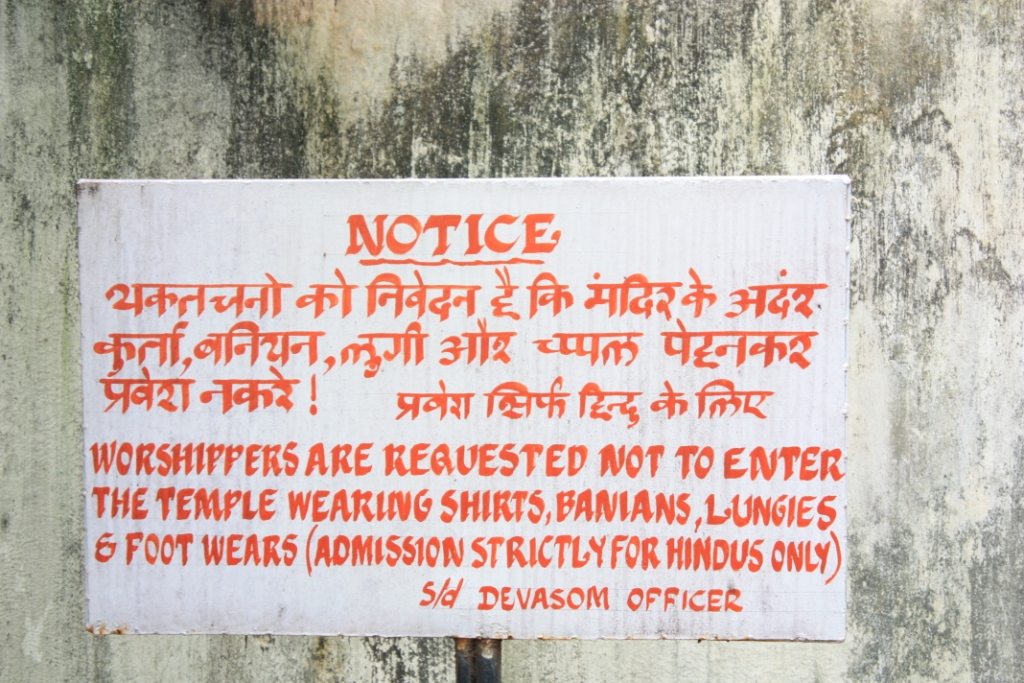
Just in case you’ve never seen a “Have shirt? Have Shoes? No Service!” sign. Here’s one.
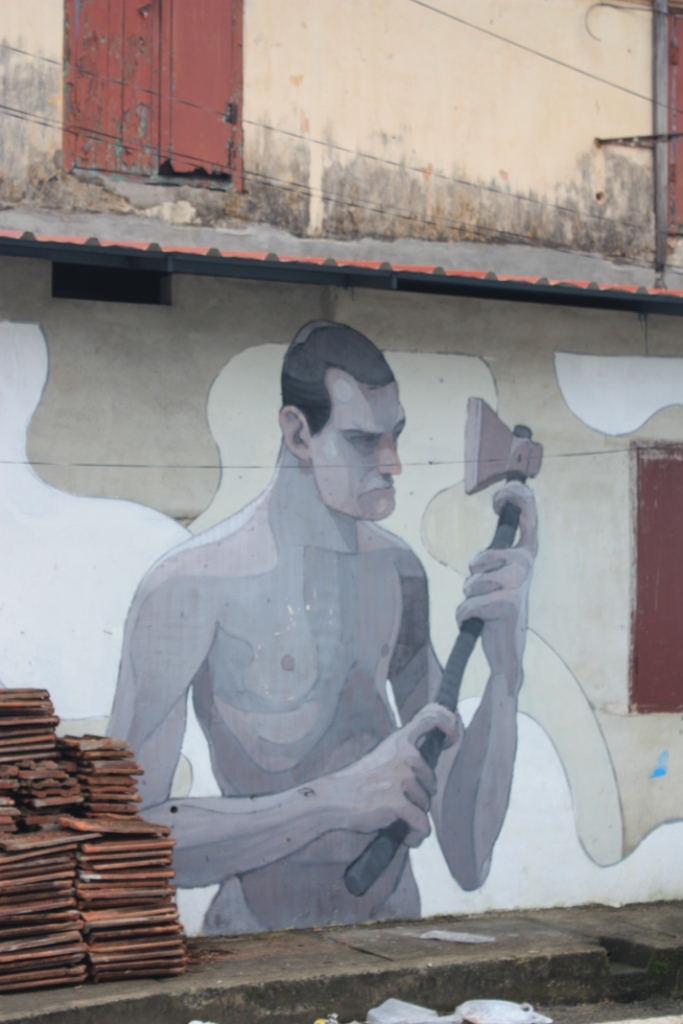
Creepy axe-man

Taken in July of 2014 in the Backwaters of Kerala
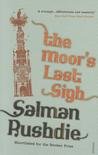 The Moor’s Last Sigh by Salman Rushdie
My rating: 5 of 5 stars
The Moor’s Last Sigh tells the tale of three generations of an Indian family that built its fortune in the spice trade. This isn’t the type of book that would usually float to the top of my stack. I read it because I was traveling to Kochi (Cochin), and it came recommended because much of the first part of the book is set there. (The same recommendation might be received by someone traveling to Mumbai because the latter half of the book is set in that city; granted, there are a lot more stories set in Mumbai [Bombay] than Kochi.) Ultimately, I was pleasantly surprised by this book, despite its soap opera like tone.
The book does read like a soap opera, at least until it gets into the narrating character’s story. There are strong women characters in this male-dominated environment of an Indian family business, though they tend to fall into the categories of “petty bitch” or “prima donna” or both. In the first generation there is a matriarchal character who dominates the family by manipulation and cruelty. In the second generation, the female lead—a strong-spirited, independent artist—falls in love with a Jewish employee of the family. Those familiar with marriage as practiced by the Indian elite will recognize how this inter-sect wedding with an underling might result in no small grief. The resulting marriage produces two female children and a boy. The latter would be nothing but a source of bliss, but for a birth defect that results in a malformed arm. While his mother smothers him with love and attempts to display a progressive spirit that’s beyond biases against such infirmities, under the surface there is the need to come to grips with the fact that handicapped children aren’t supposed to happen in high-caste families. The man with the infirmity is the narrator and overall protagonist of the book. He—as seems inevitable—will eventually fall for a woman of which his mother does not approve.
Beyond the soap opera pettiness, there are genuine intrigues that unfold in the latter half of the book. However, the pettiness of narcissistic people is the root of the protagonist’s ultimate trial.
While Rushdie builds characters in the manner we expect of literary fiction, he doesn’t abandon story. There is a narrative arc that unfolds over the course of the novel. Surprises are revealed and twists unfold.
This is the first Rushdie novel I’ve read. I’ve always intended to read The Satanic Verses to see what all the hullaballoo was about, and the readability of this work makes me even more interested in following through. You know a writer has to be good to inspire a country to take out a hit on him.
I’d recommend this for more than just people visiting Kochi or Mumbai—though it will be particularly interesting for those who are. If you’re interested in the lifestyles of the rich and famous in India more generally, you’ll find this work enlightening. In general, it will appeal to those who like their literary fiction with a bit of a storyline—and if you like the low drama of bitchiness, all the more so.
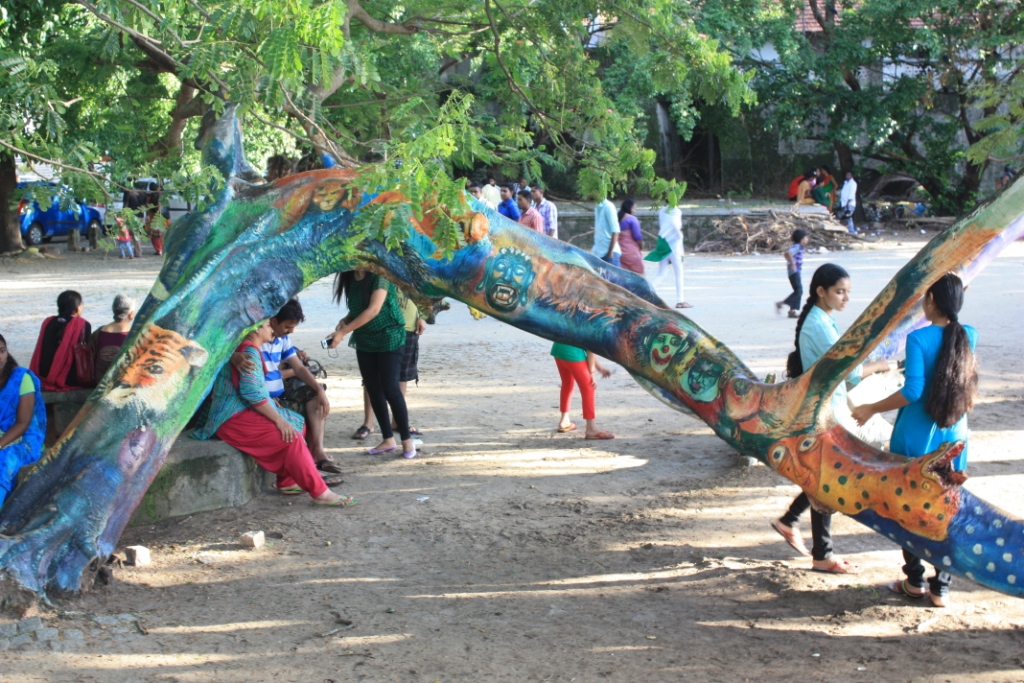
Taken in Kochi (Cochin) on July 7, 2014.
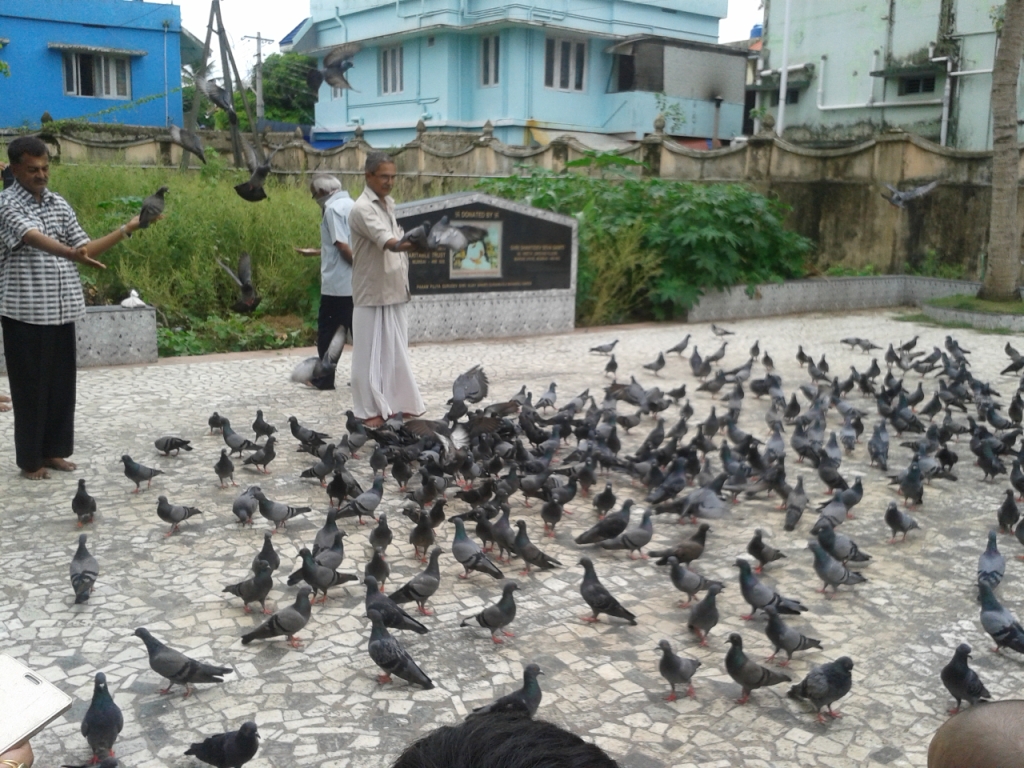
Taken in July 7, 2014 in Kochi.
Taken at the Cochin Shwetambar Murthipujak Jain Temple, this photo captures one of the feeding times during which members of the Jain congregation get up close and personal with the local pigeon population.
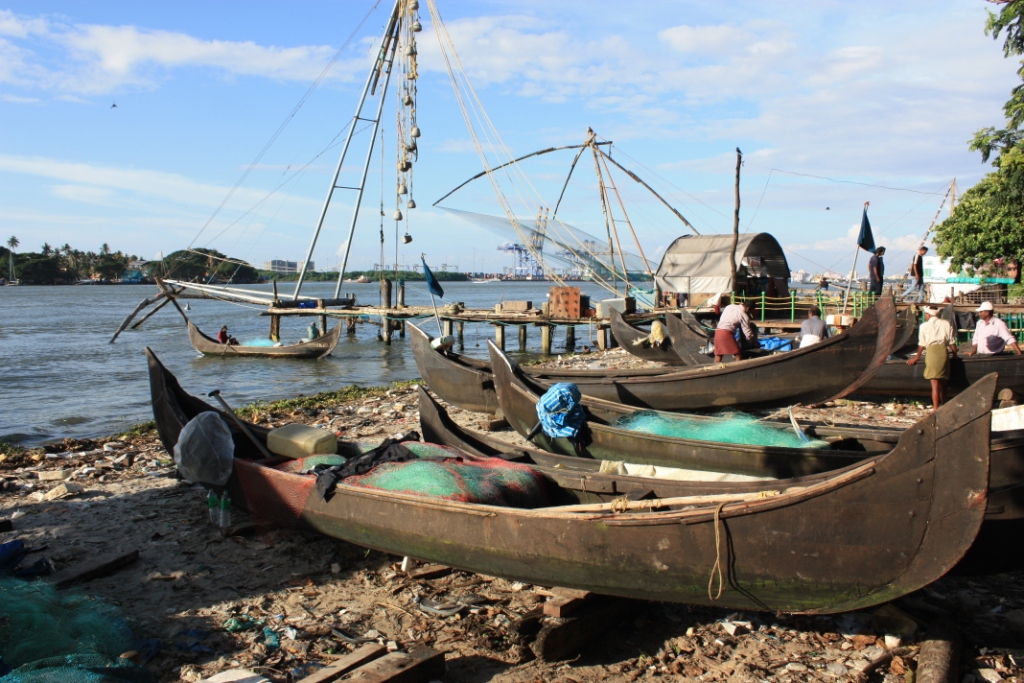
Taken July 7, 2014 in Kochi (Cochin.)
In the background are a couple of Kochi’s famous Chinese fishing nets. These particular nets are primarily a tourist attraction. They pull up tiny (shrimp-sized) fish and other aquatic life. They’re more about getting tips than selling fish. In the foreground are a couple of fishing boats with the nets visible within.
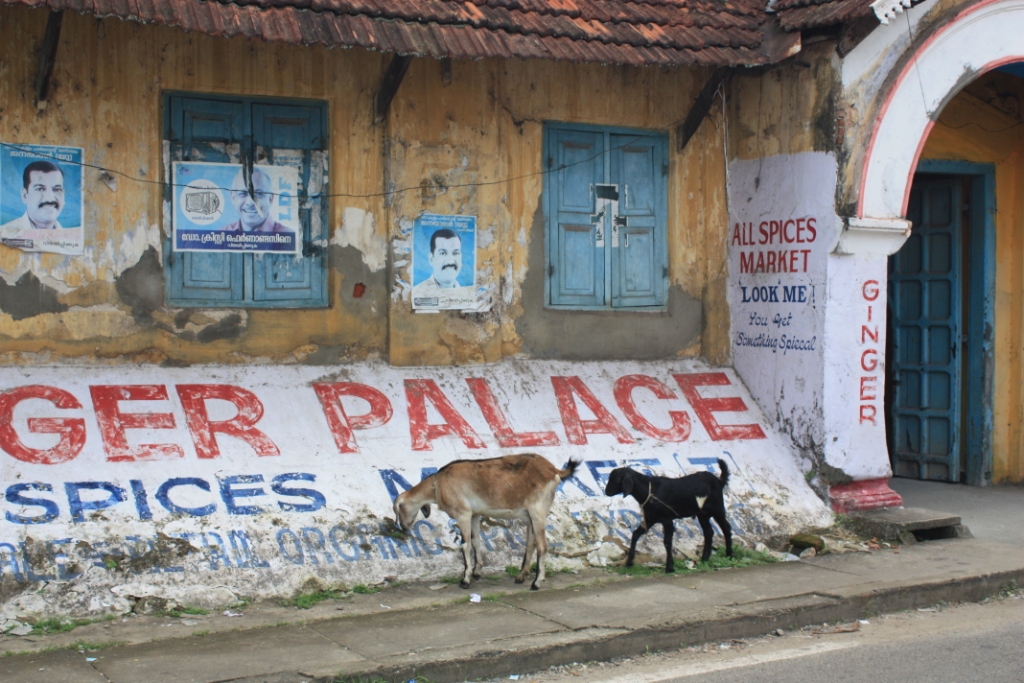
Taken July 7, 2014 in Kochi
On your visit to Kochi (Cochin) you’ll note a different mix of fauna than elsewhere in India. Urban bovines are rare, but roving flocks of goats roam the streets. Also, cats are much more prominent than in doggie-dominant Bangalore. I suspect the latter has to do with the large amounts of seafood that comes ashore here.






 Tiger Riding for Beginners