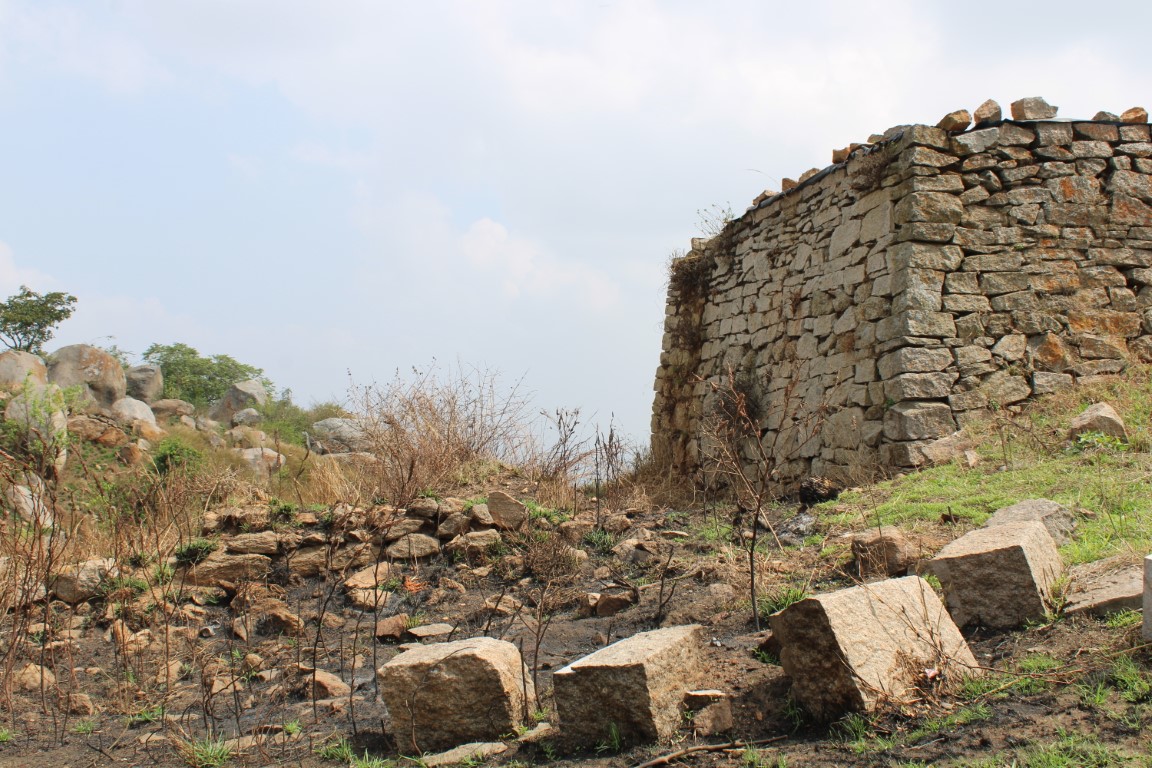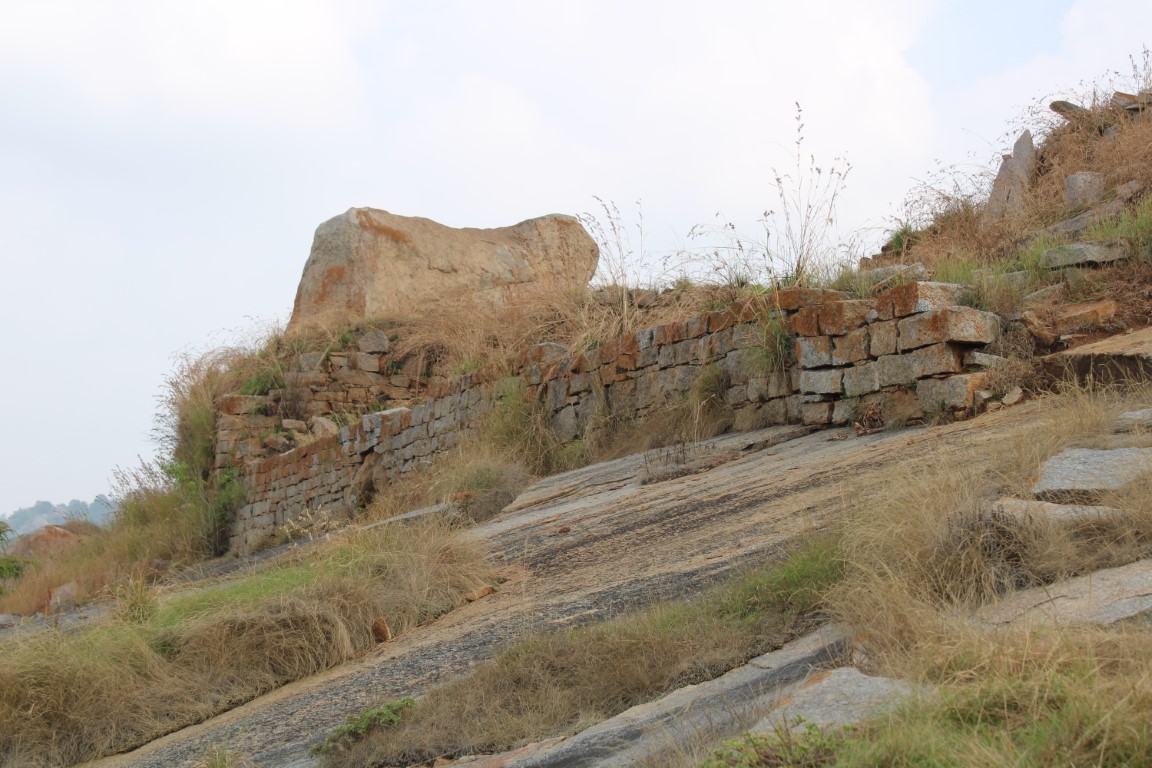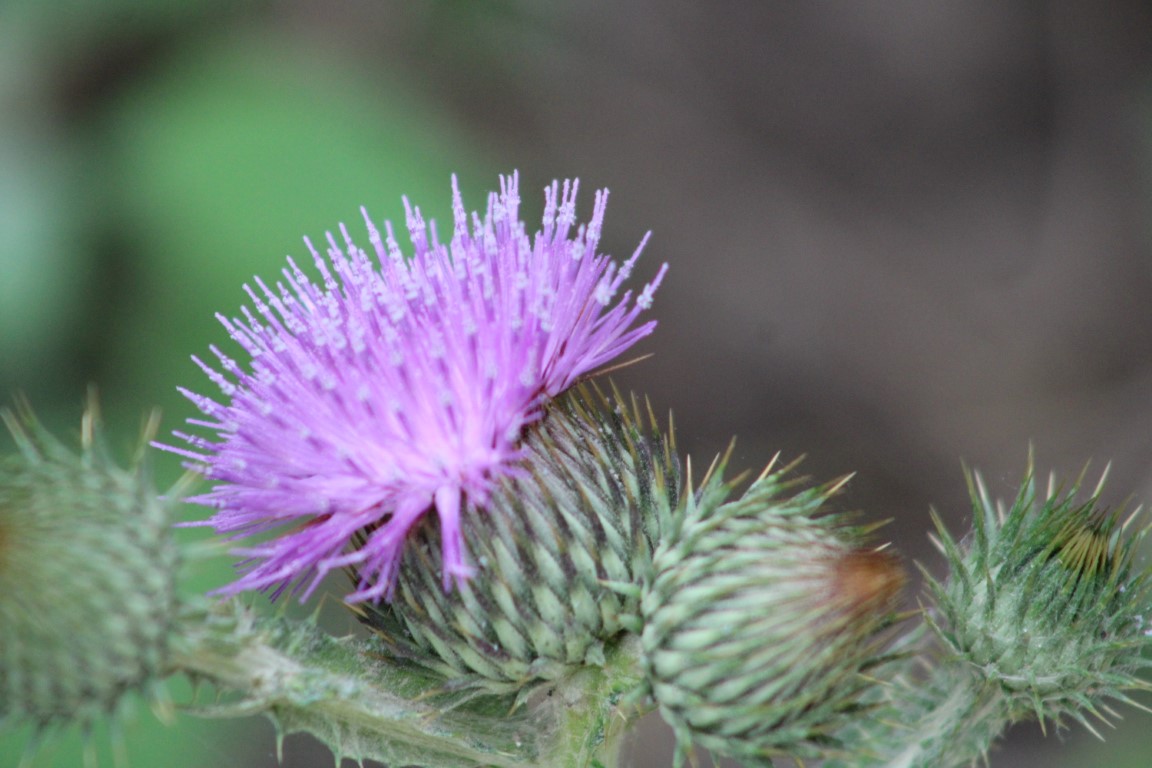
in late summer,
 thistles flower brightly --
  then fluff & cede to wind.

in late summer,
thistles flower brightly --
then fluff & cede to wind.
Truth be told, the answer is reading, but as hardcore addictions go, the side-effects are better than with heroin or meth (and almost completely opposite, though it does sometimes make me sleepy.) So, I think I’ll go with social media, which I probably do less of than average, but that’s still way too much.
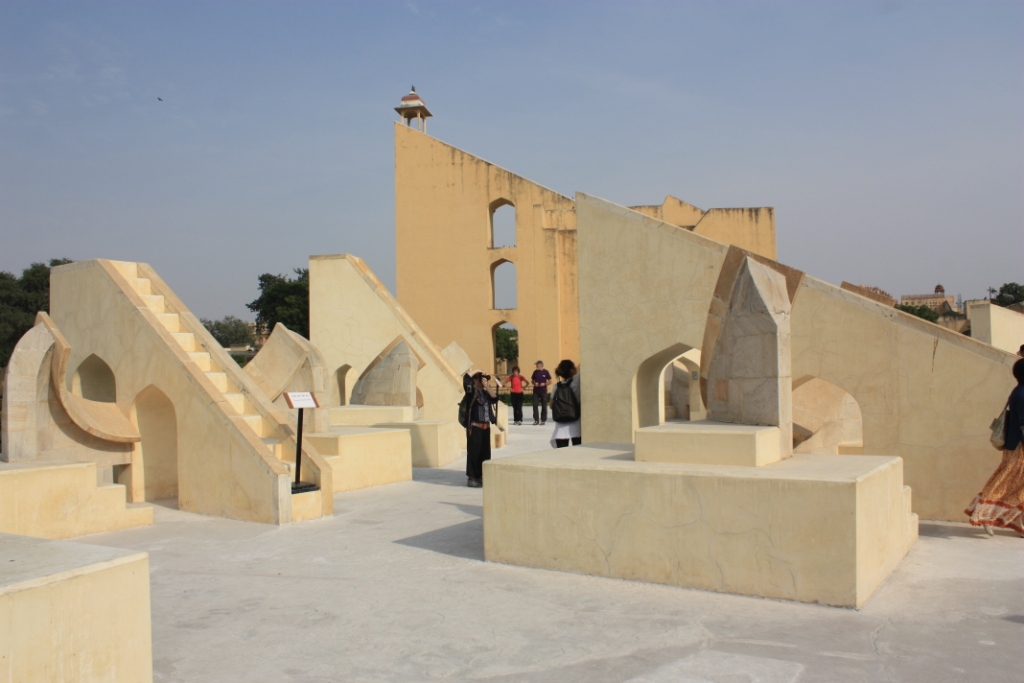
When I heard the learn'd astronomer,
 When the proofs, the figures, were ranged in columns before me,
 When I was shown the charts and diagrams, to add, divide, and measure them,
 When I sitting heard the astronomer where he lectured with much applause in the lecture-room,
 How soon unaccountable I became tired and sick,
 Till rising and gliding out I wander'd off by myself,
 In the mystical moist night-air, and from time to time,
 Look'd up in perfect silence at the stars.
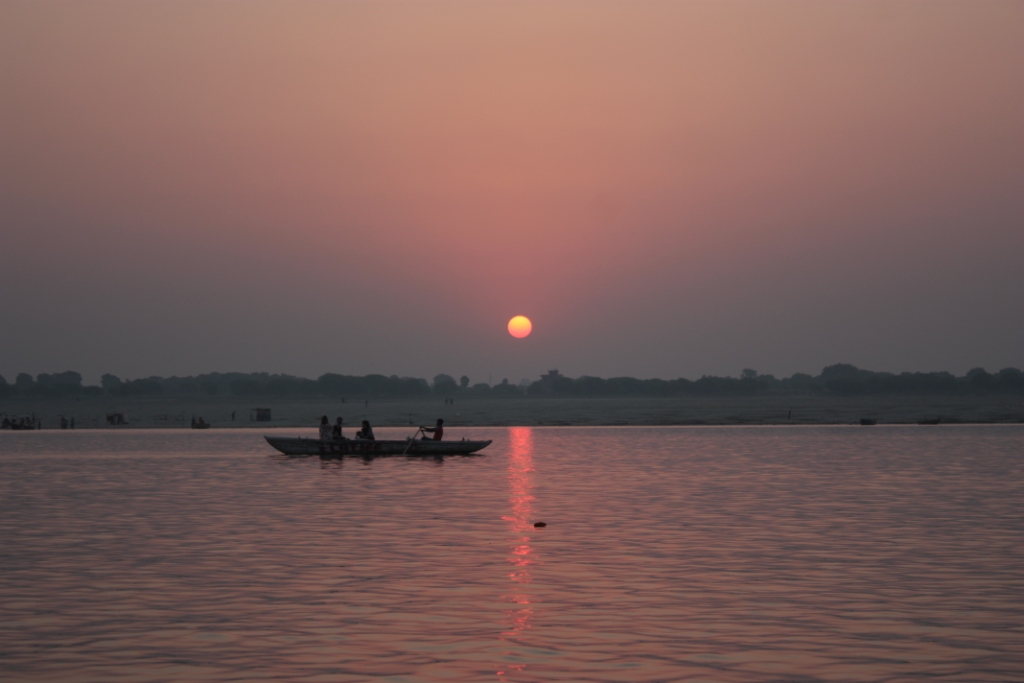
early morning:
 it's still dark & darkly still.
  one boat floats through.
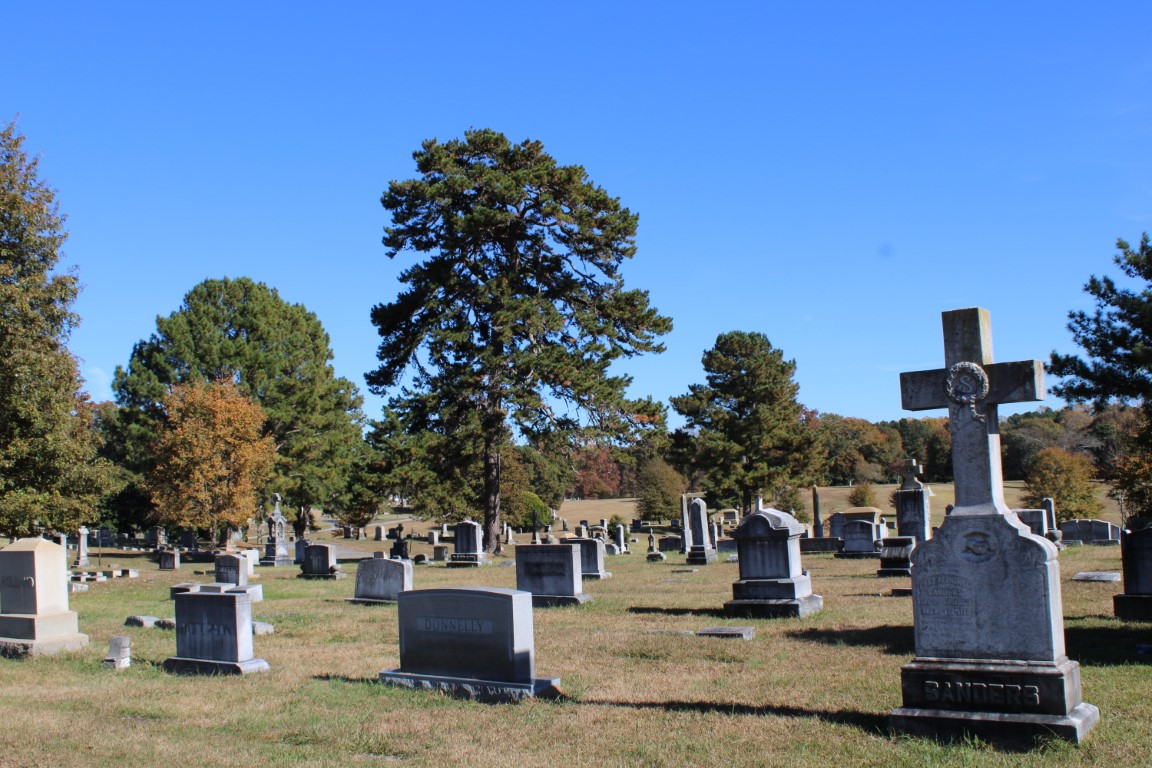
When you're dancing through the graveyard
   you'll get some angry stares.
 They'll call you "disrespectful cad"
   for failing to show care.

To be carefree won't offend ghosts;
   they'll wish they'd done the same.
 But mourners act as if, for Death,
   you are the one to blame.

Why should one hold the dance within,
   when it longs to be out?
 Why should expressing such pure glee
   be cause to point and shout?
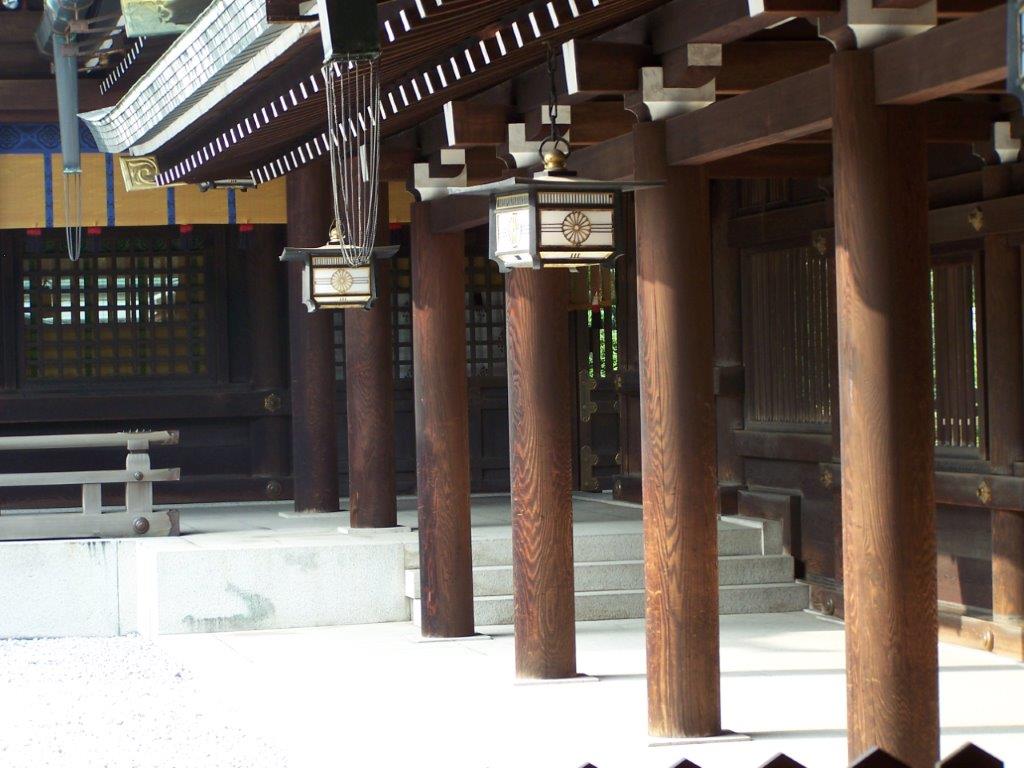
Have you never felt a sort of fear in the face of the ageless, a fear that in that room you might lose all consciousness of the passage of time, that untold years might pass and upon emerging you should find you had grown old and gray?
But our thoughts do not travel to what we cannot see. The unseen for us does not exist.
This was the genius of our ancestors, that by cutting off the light from this empty space they imparted to the world of shadows that formed there a quality of mystery and depth superior to that of any wall painting or ornament.
I wonder if my readers know the color of that ‘darkness seen by candlelight.’ It was different in quality from darkness on the road at night. It was a repletion, a pregnancy of tiny particles like fire ashes, each particle luminous as a rainbow.
Whenever I see the alcove of a tastefully built Japanese room, I marvel at our comprehension of the secrets of shadows, our sensitive use of light and shadow.
 In Praise of Shadows by Jun’ichirō Tanizaki
Out beyond ideas of wrongdoing and rightdoing,
   there is a field. I'll meet you there.
 When the soul lies down in that grass,
   the world is too full to talk about.
 Ideas, language, even the phrase each other
   doesn't make any sense.
NOTE: Translation from Persian by Coleman Barks & John Moyne in The Essential Rumi published by Harper Collins.
The Essential Rumi GoodReads Page