
Taken in September of 2014 in Bangkok.
This was taken on a side street in Chinatown near Old Siam Market. Tuk-tuk, food carts, and convenience store–a Bangkok trifecta.

Taken in September of 2014 in Bangkok.
This was taken on a side street in Chinatown near Old Siam Market. Tuk-tuk, food carts, and convenience store–a Bangkok trifecta.
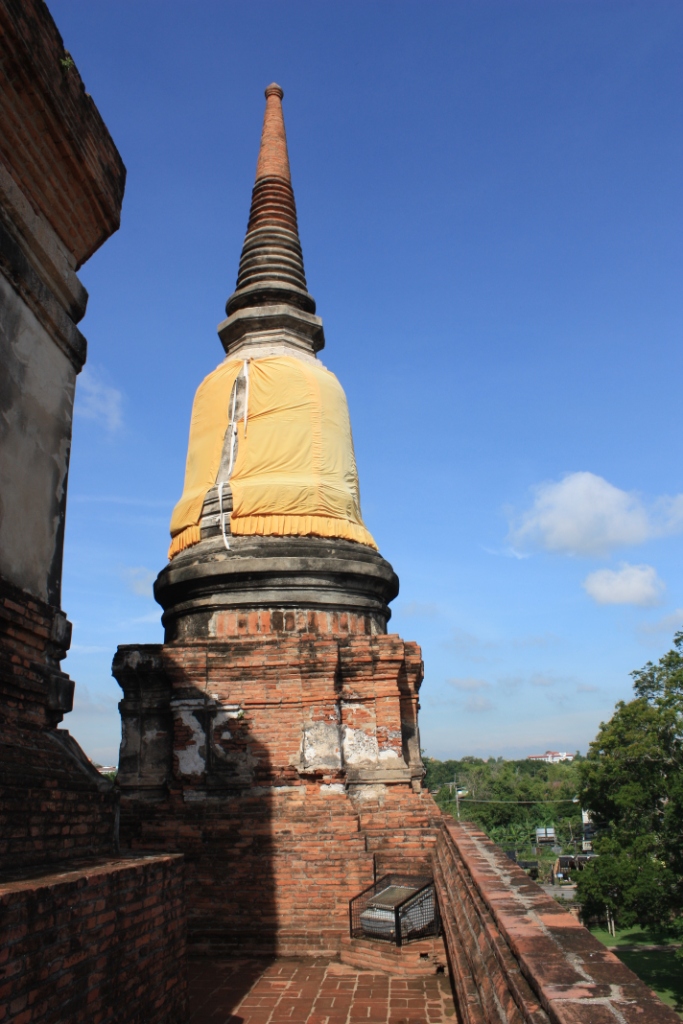
Taken August 25, 2014 in Ayutthaya.
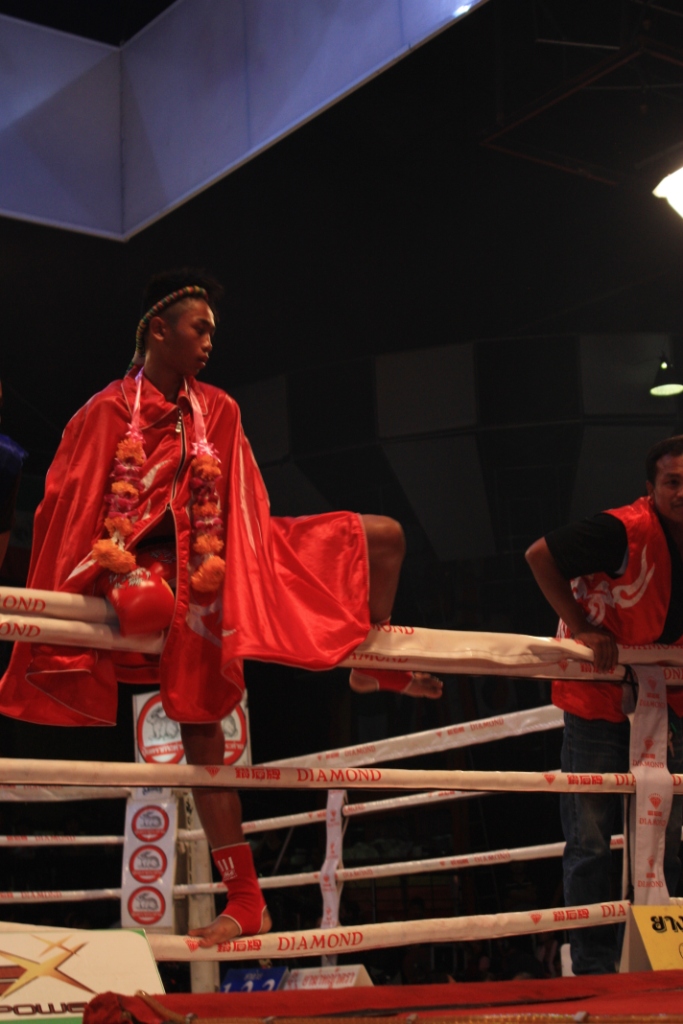
Taken on August 31, 2014 at Rangsit International Boxing Stadium.

Taken on September 10, 2014 from the Baiyoke Sky Hotel.
The Baiyoke Sky Hotel is Thailand’s Tallest Building. For about 650 Baht (+ beverage costs) [i.e. $20 USD] you can eat at from a vast buffet and then go up to the revolving observation deck for panoramic views of Bangkok.
My month-long hiatus from posting has come to an end. I’m back home in India after an educational month in Thailand. I’ve got a lot of posting to catch up on.
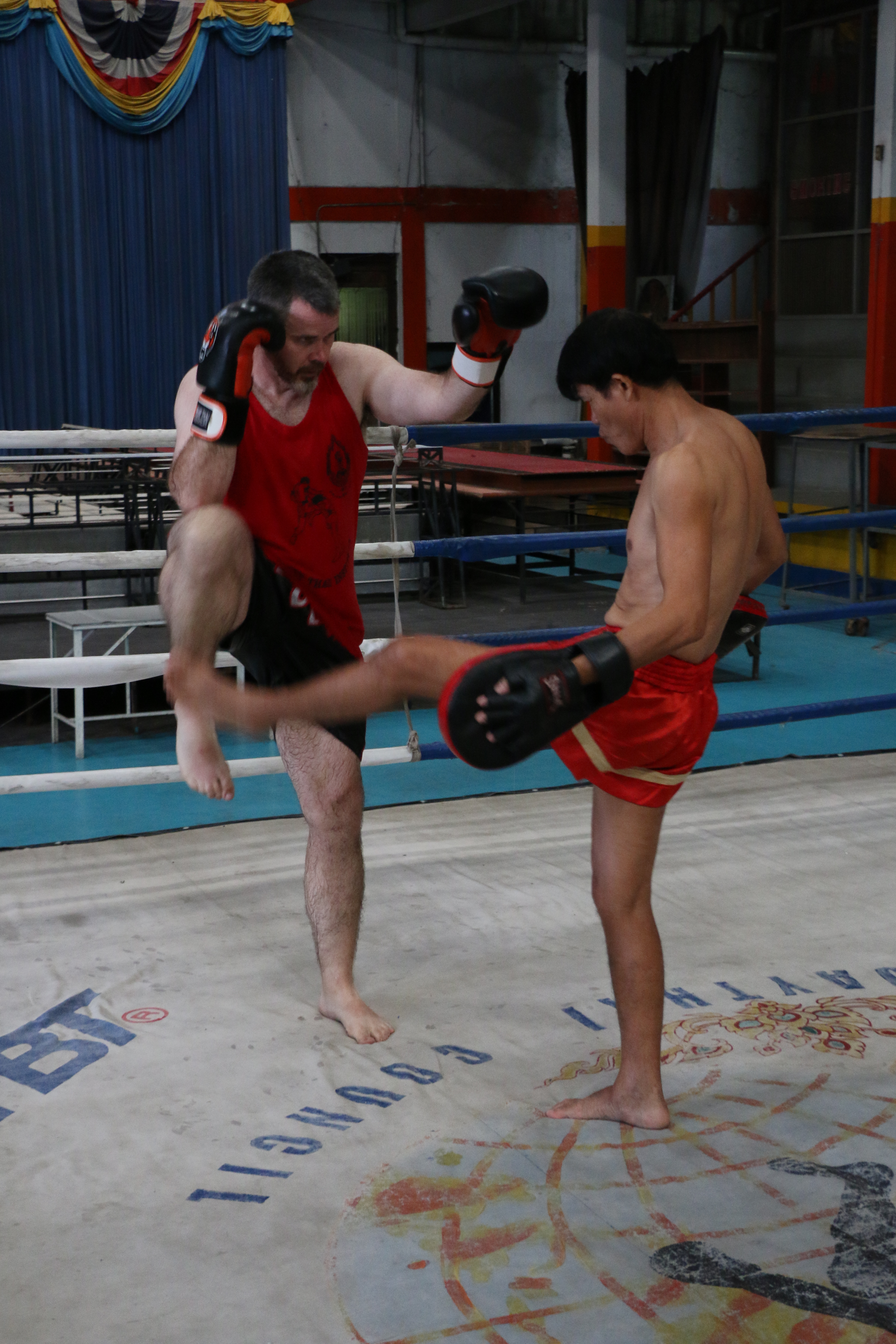
I’ll be writing about my two weeks training Muaythai at MTI-Rangsit:
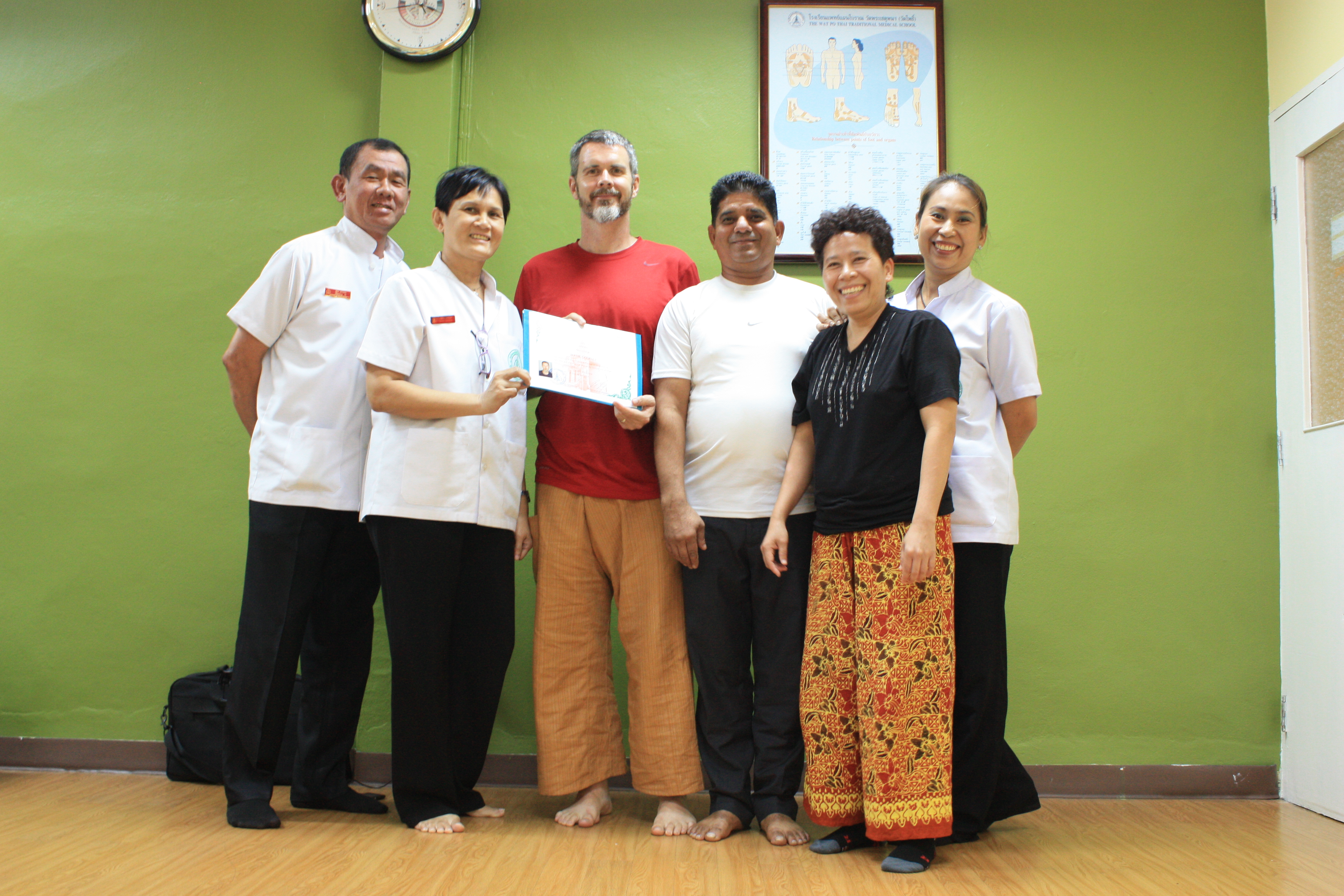
I’ll share my experiences of learning Thai Massage and Foot Massage at the Wat Po Thai Traditional Medicine and Massage School:
Plus there’re a dozen books I finished off and need to review and–of course–I’ve got a ton of photos from in and around Bangkok:
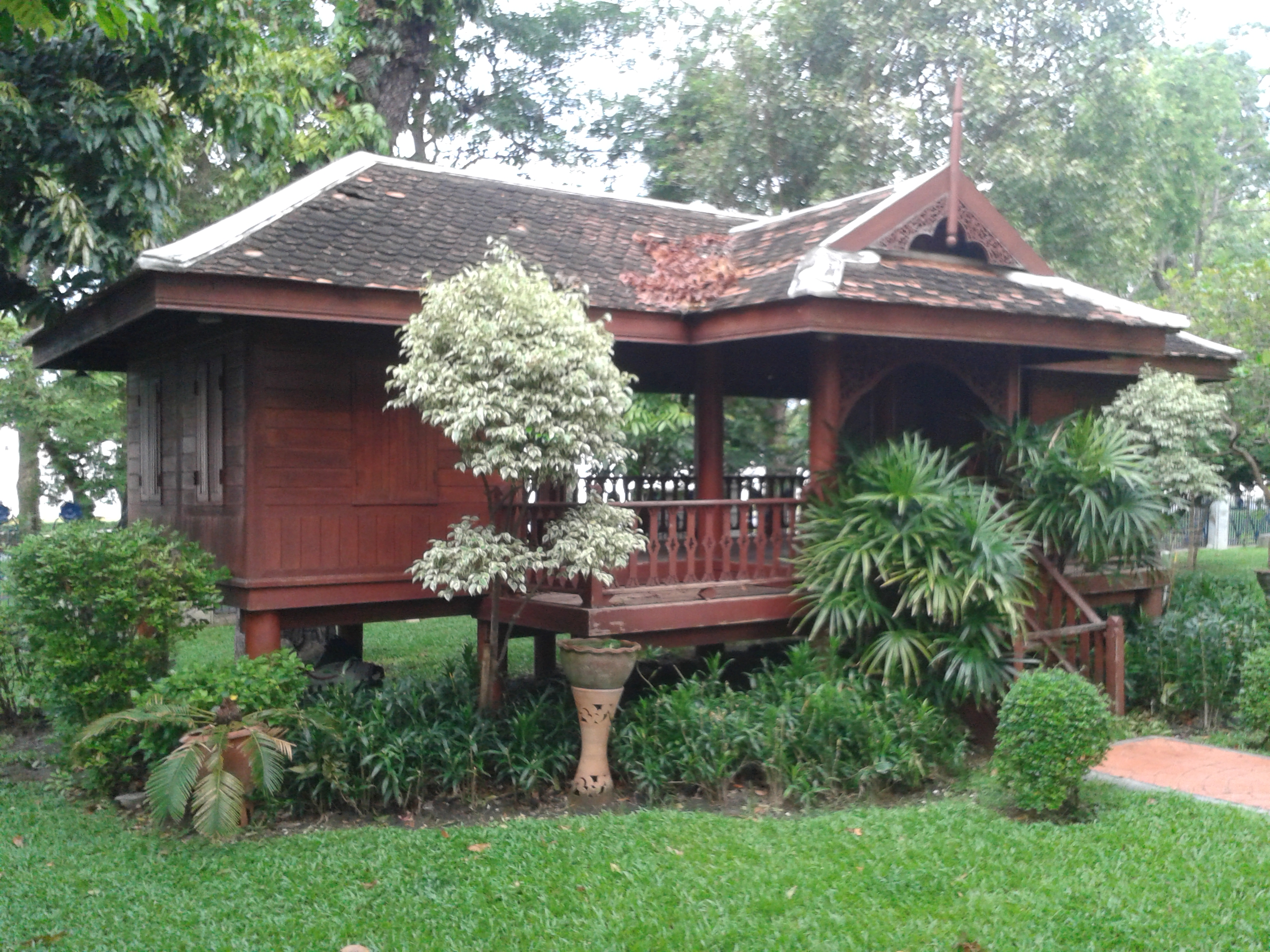
I learned some Thai Yoga (sometimes called Rusie Dutton Yoga) and had some other interesting experiences to write about.
So I’d best get crackin’.
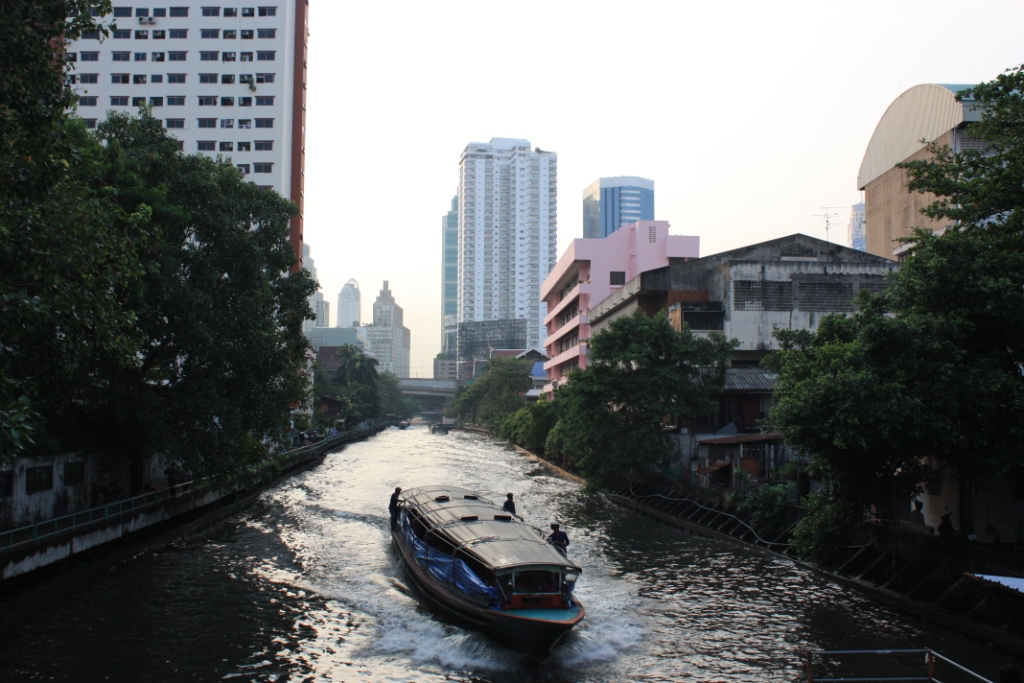 I won’t be posting much for the next few weeks as I’ll be traveling and training in Thailand. However, when I get back I’ll have plenty of new photos and insights from my training that the Muay Thai Institute and at the Wat Pho Thai Traditional Massage School.
I’ll spend two weeks at MTI followed by a couple short courses at Wat Pho.
I’ll be back to my regular schedule of posting in the later part of September.
My rating: 5 of 5 stars
I imagine the elevator speech for this book being, “Lord of the Flies done Paul Theroux style.” While that may or may not sound appealing, this is one of the most gripping novels I’ve read recently.
The Beach will have its greatest appeal with travelers because understanding the mindset of a traveler versus that of a tourist (vagabonds versus regular folk, if you prefer) is essential to being able to feel the realism in the behavior of the book’s characters. (If you don’t know the difference between a traveler and a tourist, it’s safe to say that you are a regular person who travels as a tourist.) Like Moby Dick, this is a book about all-consuming obsession, but the obsession is in finding and protecting the traveler’s paradise. (Such a paradise is partially defined by a complete lack of tourists.) Unlike Moby Dick, The Beach isn’t rambling, and it maintains tension throughout.
The story beings on Khao San Road in Bangkok, a familiar haunt for backpackers and other low-budget world travelers. The protagonist, Richard, has just gotten in to Bangkok and checks into a hostel. Rooming next to Richard is a Scottish man named “Daffy” who seems to be a complete lunatic and who keeps talking aloud to himself about a “beach.” Owing to the accent, Richard first thinks Daffy is talking about a “bitch,” but soon realizes the man’s obsession is with a patch of sand. Richard has a brief and unusual interaction with Daffy, who throws a lit joint onto Richard’s bed. In the morning, Richard finds a meticulously hand drawn map on his door with “the Beach” prominently labeled. When he goes to see why the crazy stranger left it for him; he knocks on Daffy’s ajar door to find the man has committed suicide.
The beach is on one of the small islands that are kept off-limits as part of the Thai National Parks system. Richard teams up with a French couple who was also staying next to him. While Richard had heard their amorous sounds through the thin walls on the night he met Daffy, he didn’t meet the couple until they were all called in to talk to the police about Daffy’s suicide. For some reason Richard is unwilling to tell the police about the map, but he does tell the Frenchman. The map leads them to the island. It isn’t easy to get to. Once on the island, they discover they must get through a grove of marijuana guarded by heavily armed locals to get to the fabled beach.
It turns out a small community of travelers has already set up on the idyllic beach. As with any group, some people get along well and others rub each other the wrong way. We get the best insight into those individuals who become the friends and enemies of Richard, and many of the others are the novel equivalent of movie extras. At first, all is well on the island. Richard and the French couple have to do work a few hours a day on the fishing detail, but otherwise they are living in their Eden. However, as things begin to go wrong—and they do go frightfully wrong—Richard and others begin to be confronted by the question of what they are willing to do to protect the Beach, and how will their personal moralities be twisted in the process.
Garland uses a couple of interesting techniques in the book. First, Richard is plagued by dreams featuring Daffy, and later–as the burden of secrets to which he is party piles up—he begins to have hallucinations of Daffy during the day. In both cases, it seems that the dreams and hallucinations are an attempt to help him work out the mysteries of the Beach. No one on the island will tell him about Daffy, and he is desperate to know what drove the man mad—or whether he was always like that. There’s one character, Jed, who goes off every day and no one seems to know where he goes or what he does. Eventually, Richard comes to be in on some of these secrets (e.g. becoming Jed’s partner), and the burden of knowledge doesn’t improve his state of mind. In the end, Richard seems to realize that he is the new Daffy, and what drove Daffy into madness will surely do the same for him if he doesn’t get off the island.
Second, Garland uses what—for lack of a better term—might be called foreshadowing. However, it’s not so much a matter of subtle hints as a bold statements such as [paraphrasing], “It’s too bad _________ would die, especially in the way he did.” This should have seemed ham-handed, but there’s always enough mystery about what will come next that the these tips were like lighter fluid to intensify one’s reading so one could find out what would happen next and how.
I whole-heartedly recommend this novel, and think it’s one of the best pieces of travel-oriented writing that I’ve read. It’s a page-turn from beginning to end.
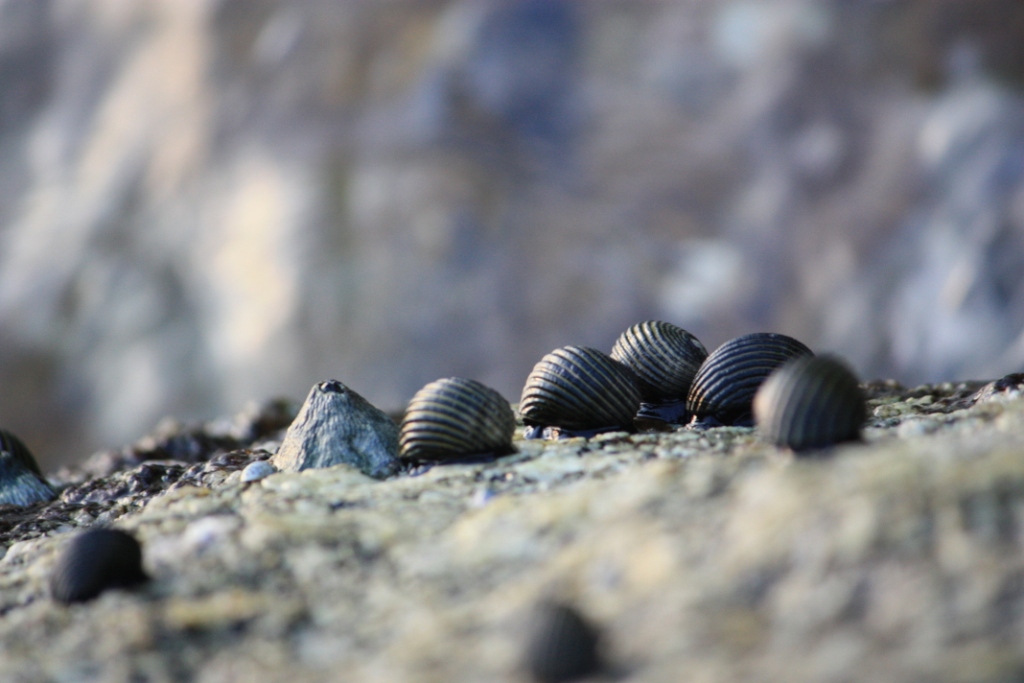
Taken in December of 2013 in Phuket, Thailand
 Travels In Siam, Cambodia, Laos, And Annam by Henri Mouhot
My rating: 3 of 5 stars
If you can stomach the blatant racism and false notions of the virtue of Imperialism, reading the journals of 19th century naturalists and explorers can be fascinating for modern-day travelers. I will say that Mouhot’s work is less offensive than many of his contemporaries in this regard (e.g. the eugenicist polymath Francis Galton.) That is to say, he tries to be objective, and—when he fails–his condescension is as likely to be vaguely complimentary as not (e.g. noting certain “savages” are surprisingly intelligent.) However, one should remember that this is the journal of a journey that took place in years corresponding to the lead up to the American Civil War. (I should note that these snooty inclinations toward superiority aren’t uniquely Western, the Chinese diplomat Zhou Daguan also viewed the Southeast Asian people with condescension.)
Alexander Henri Mouhot left London on April 27th of 1858, traveled to and throughout Southeast Asia, and died in the jungle on November 10, 1861. The journal was received by the explorer’s brother, Charles Mouhot, who is responsible for seeing it published, and for adding some front matter as well as tying up the end of the journal because Henri Mouhot died fairly abruptly of a feverish ailment that he contracted in the jungle.
In many ways, Mouhot’s work is similar to Daguan’s 14th century Record of Cambodia. Mouhot covers a lot more ground, but they both chronicle the natural, cultural, and commercial environment of these lands. Mouhot prides himself in being a naturalist, and he writes quite a bit about the diverse flora and fauna of these lands as well as of the geography. Mouhot collected many specimens of plants and animals that were unknown in his native France. About mid journey, he lost his collection to a maritime accident. However, he was able to reacquire some of these specimens in the latter portion of his journey.
Mouhot writes extensively about the locals and their customs. As I already suggested, these descriptions are often highly biased. For example, he tends to refer to the indigenous spiritual beliefs of the locals as “superstitions” while he bemoans the fact that these people are “living and dying in utter ignorance of the only true God!” However, for the most part he tries to maintain a scholarly detachment, and often he is complimentary of the local people (e.g. his apparent surprise that some of hill people would be offended by being referred to as savages is an example of his benign condescension.)
Also like Daguan, he discusses the possibilities for trade. It’s clear that one of his intended audiences are those interested in the commercial potential of the region. He writes both about what natural resources these nations contain, and what products they might be sold. He is ambiguous about the local market for European goods, first skeptical and then sanguine. He says that the locals don’t have much need for the goods produced in Europe, but then he suggests that the wealthier individuals do like to emulate European style and fashions. Perhaps, he is saying there are potential consumers among the small slice of wealthy individuals, but that is a limited market. Of course, the desire for commodities from Asia in conjunction with the wish to avoid drawing down precious metals reserves (i.e. forcing Asians to buy Western products) was no small cause of Imperialist shenanigans during that time period.
Among the most interesting chapters are those on Angkor Wat and Angkor Thom. In these chapters, one receives an account of the state of Angkor between Daguan’s era (when the Angkor civilization was still active) and a modern-day Angkor that exists in the wake of successive waves of pillaging by the French (and other treasure hunters), the Khmer Rouge, and Vietnamese soldiers.
Mouhot was also interested in whether Jews had settled and integrated in the area. His theory was that there likely were. He says he sees a “Hebrew character” in some faces, but he acknowledges there is no hard evidence to support his belief and that the locals deny such a presence.
I guess the intrigue in Mouhot’s journal is a picture of this region during an era in which the world was not yet homogenized. Now when one travels to “remote villages,” one often sees people wearing the same mass-produced Western clothing that one sees at home, and they sit around with their smart-phones ignoring each other as at home. Mouhot’s era was one in which one traveled by elephant, boat, or by foot and often advanced no more than ten miles in a day in the jungle. It was an era of discovery. This may account for some of the xenophobic biases of that time; the ways of other people were new.
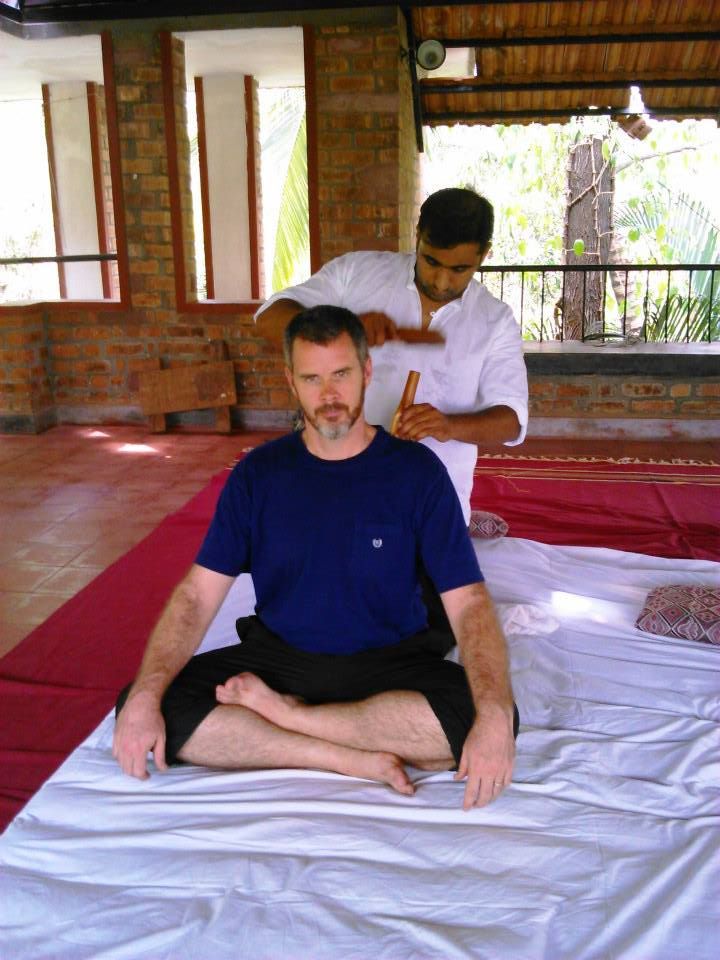
Me receiving Tok Sen on the shoulder
I’m sure you’ll agree that nothing says relaxation like a massage delivered via a mallet and chisel. Actually, you probably wouldn’t agree with that at all, but I intend to convince you otherwise.
In the beginning of May, I attended a two-day workshop on Tok Sen, which is an age-old Thai system of bodywork that is delivered with a khone (a wooden mallet) and limb (a wooden wedge.) The name “tok sen” can be divided into the onomatopoeia tapping sound “tok” and the word for energy lines “sen.” In the past this method largely found favor with Thai farmers and others who had sinewy bodies. However, today it’s often combined with Thai Yoga Bodywork (TYB) to deliver treatment to people without steel band like muscles.
This art is not particularly well-known. I can guess why. As in the practice of a martial art, when one inserts a tool (weapon) between giver (attacker) and receiver, the comfort level on both sides initially drops a bit. In the martial arts, the armed practitioner becomes concerned about the increased ease with which he might inadvertently injure his training partner. This isn’t only because weapons are designed to compound damage, but because the feedback through the tool is less. Of course, the receiver has good reason to be more concerned as well. This is one reason why many martial arts don’t introduce students to weaponry until they’ve developed considerable skill in unarmed practice. I’m sure it’s why a much longer course in Thai Yoga Bodywork is generally a prerequisite for learning Tok Sen.

Khone and Limb
So the natural question is, why add an element of risk—even if it’s a minimal or imagined risk? Tok Sen adds versatility to one’s practice. One can save one’s thumbs in a way that doesn’t sacrifice precision. The usual way to avoid “thumb fatigue” is to use hands-free methods that use elbows, knees, heels, etc. Those other implements can be ideal. However, none of them hit as narrow a target as does one’s thumbs. With Tok Sen, one can opt for the chisel edge or the round end depending upon the target area, and when one is using the chisel edge one can orient it for best effect.
Also, believe it or not, the “tok” sound of the tamarind or teak wood has a bit of a relaxing timber when done with a practiced rhythm.
For massage recipients, not only is Tok Sen pleasant, but it makes a great story that will impress one’s friends. I mean, let’s face it, a cool story is a part of the reason why some people get moxibustion and acupuncture. And cool stories are all of the reason anybody gets “fish massages” and “snake massages”—neither of which offer therapeutic value beyond exfoliation and goosing the sympathetic nervous system (i.e. inducing temporary terror), respectively. So, cowboy up and give it a try. You can take a selfie and tell everybody how you toughed it out.
For masseuses and masseurs, it’s easier to control the pressure on the limb than one would think, and as long as one has the experience to know where and how the muscle lays it’s unlikely one will injure the recipient.
Here is a video that will show better what it’s like.


 Tiger Riding for Beginners