

There was a clever salesman from Sri Lanka
who tried to decide on a corporate lingua franca.
“Not Tamil,” Helas said…
“No Sinhala,” Tamil’s pled…
“English? – the tongue of imperial propaganda?”

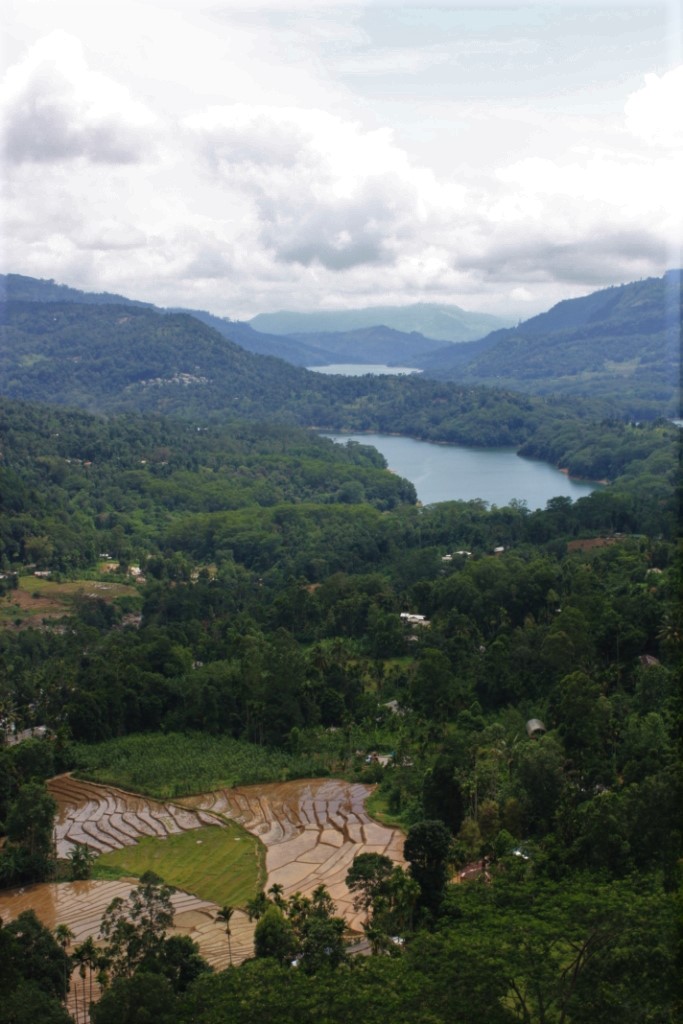
Taken in May of 2015 in Kandy, Sri Lanka

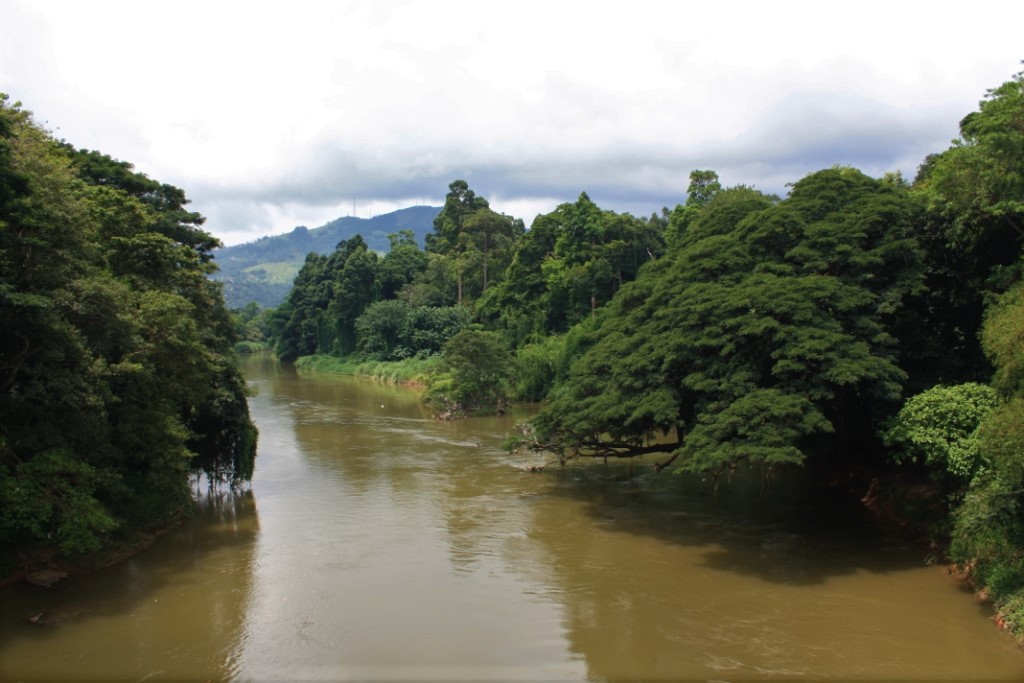
Taken in May of 2015 in Peradeniya, Sri Lanka.

Taken in May of 2015 in Negombo
 Chinaman: The legend of Pradeep Mathew by Shehan Karunatilaka
My rating: 5 of 5 stars
“Chinaman” is the tale of an alcoholic Sri Lankan sportswriter, W.G. Karunasena, who is attempting to write a biography of the man he considers the greatest cricketer to ever live, Pradeep Matthew. The two-fold challenge is that Matthew had a short and controversial career before disappearing off the face of the earth, and Karunasena is in a race to finish the book before the bottle finishes him off. [For non-cricket fan readers wondering about the title, Chinaman is a cricket term for a style of bowling. I also learned that a “ponytailed Chinaman” in Sri Lanka is (or was) slang for someone gullible.]
I try to read at least one work of literature from every country I visit, and I chose “Chinaman” for Sri Lanka, and am happy with my decision. While the book is very much cricket-centric, it does offer insight into the familial and community dynamics of Sri Lanka. Given the time frames discussed in the book (i.e. the 80’s and 90’s), we also learn a little about the civil war that was going on at the time. But most intriguingly, one views the politics and underworld that largely remain hidden to tourists, and so the book has that appeal. The book contains many explanations, diagrams, and drawings to help clue those, such as myself, who are ignorant of the game into the fundamentals, but it’s not just about cricket.
The book is presented as a novel that’s only sold as fiction for legal reasons, but my little bit of research [including a short author interview] suggests that that is just a plot device to add to the feeling of intrigue.
The last two of five parts of the book, while less than 15% of the pages, are presented from a different point of view. This is a bit jarring because the reader has developed a great deal of affinity with Karunasena, and that kind of connection doesn’t have time to blossom with his son, the second voice of the book. However, the last to parts do give the reader a satisfying conclusion.
I enjoyed this book. It’s humorous and offers a glimpse into Sri Lankan cricket and everything it touches (which is pretty much everything.) I’d recommend it for fiction readers. Even if you aren’t a big fan of cricket, you’ll enjoy the story and the humorous dialogue. If you are a fan of cricket or want to know more about Sri Lanka, it will be particularly enjoyable.