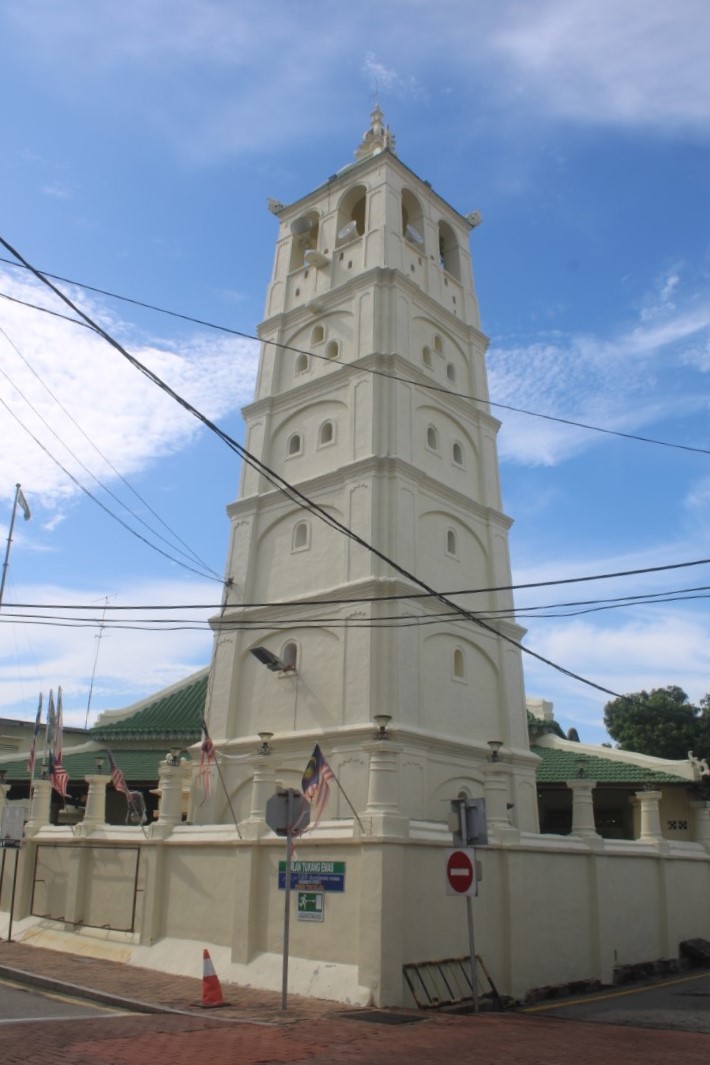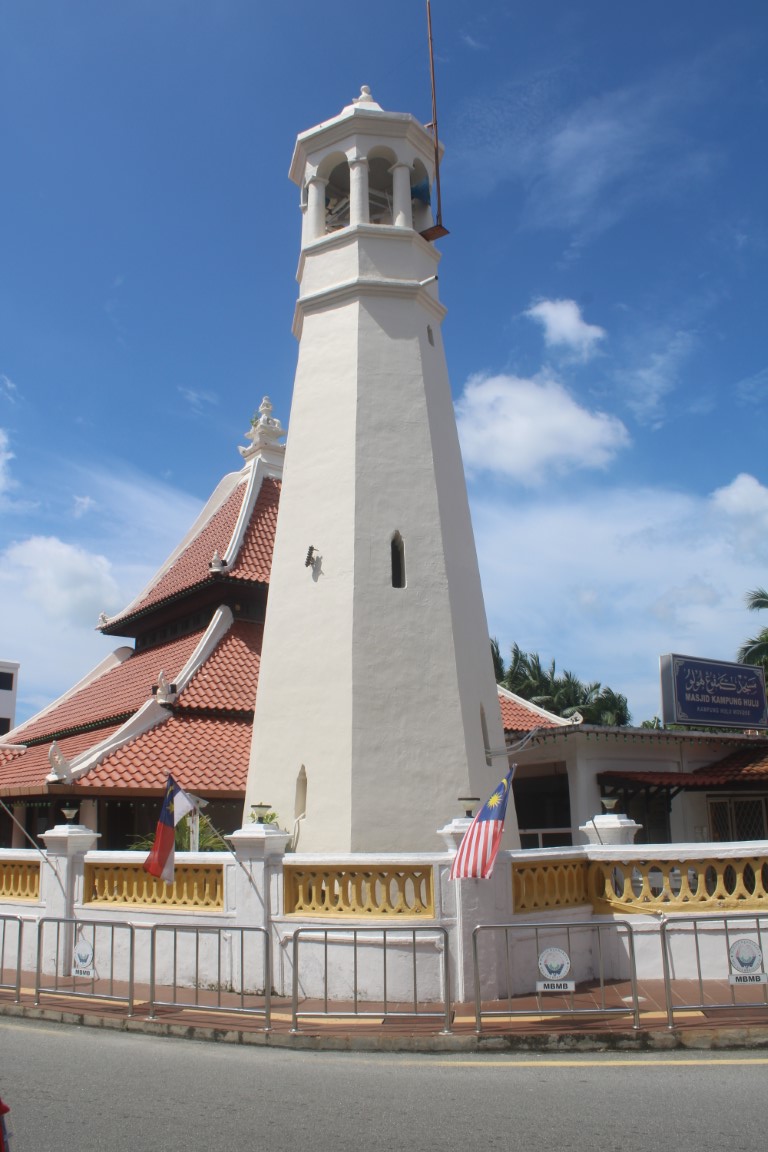
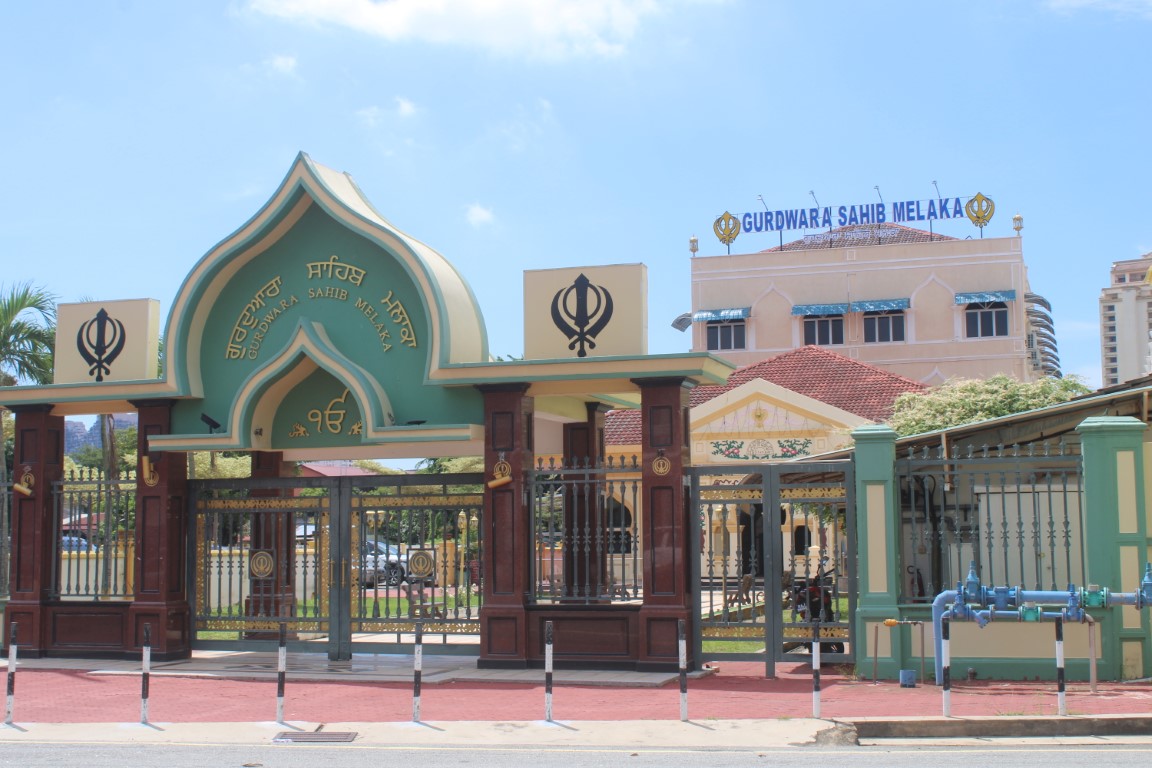
DAILY PHOTO: Malaysian Minarets of Malacca

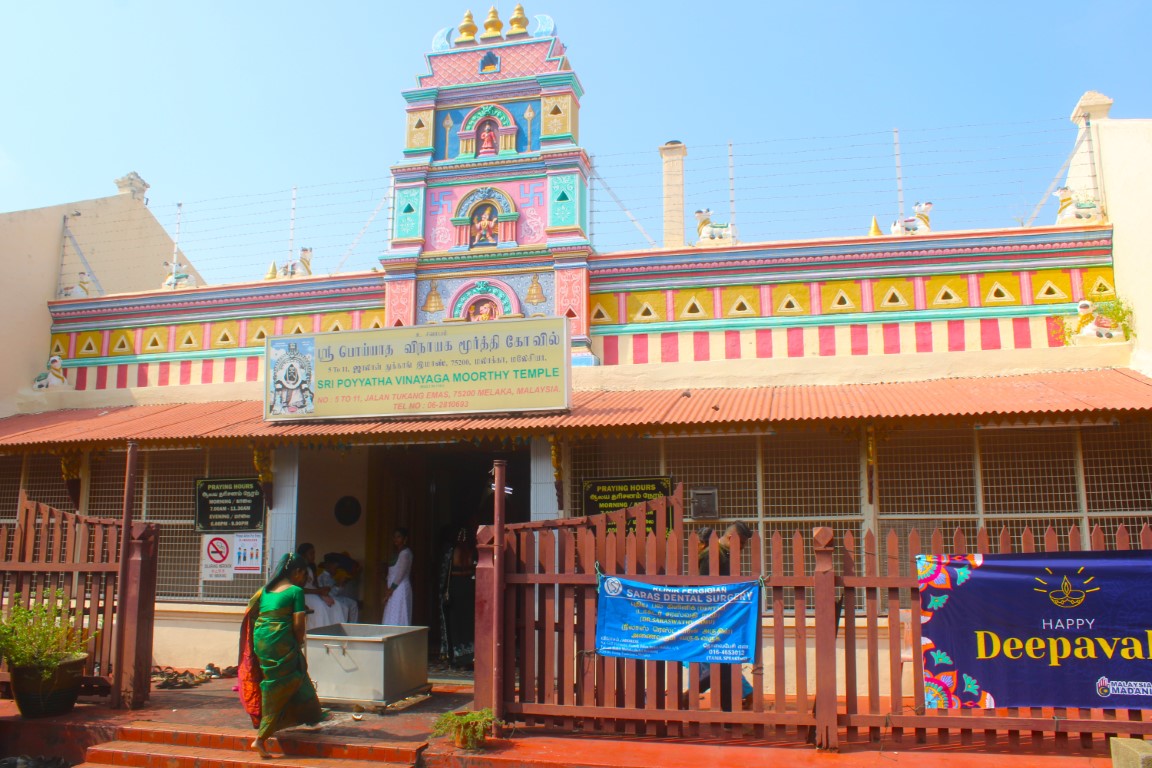
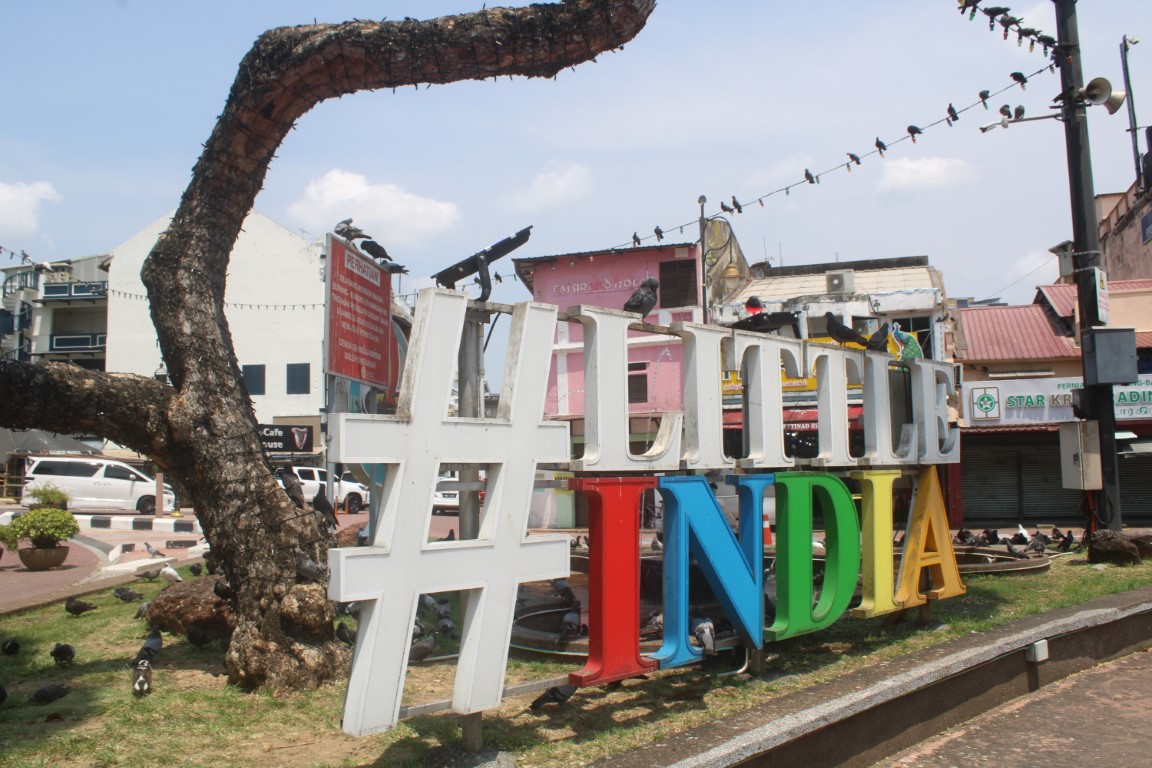
DAILY PHOTO: A Bit of India in Malacca

Sri Poyatha Vinayaga Moorthy Temple (The oldest intact / functioning Hindu temple in Malaysia and one of the oldest in Southeast Asia.)
Little India Neighborhood
Melaka’s Gurdwara

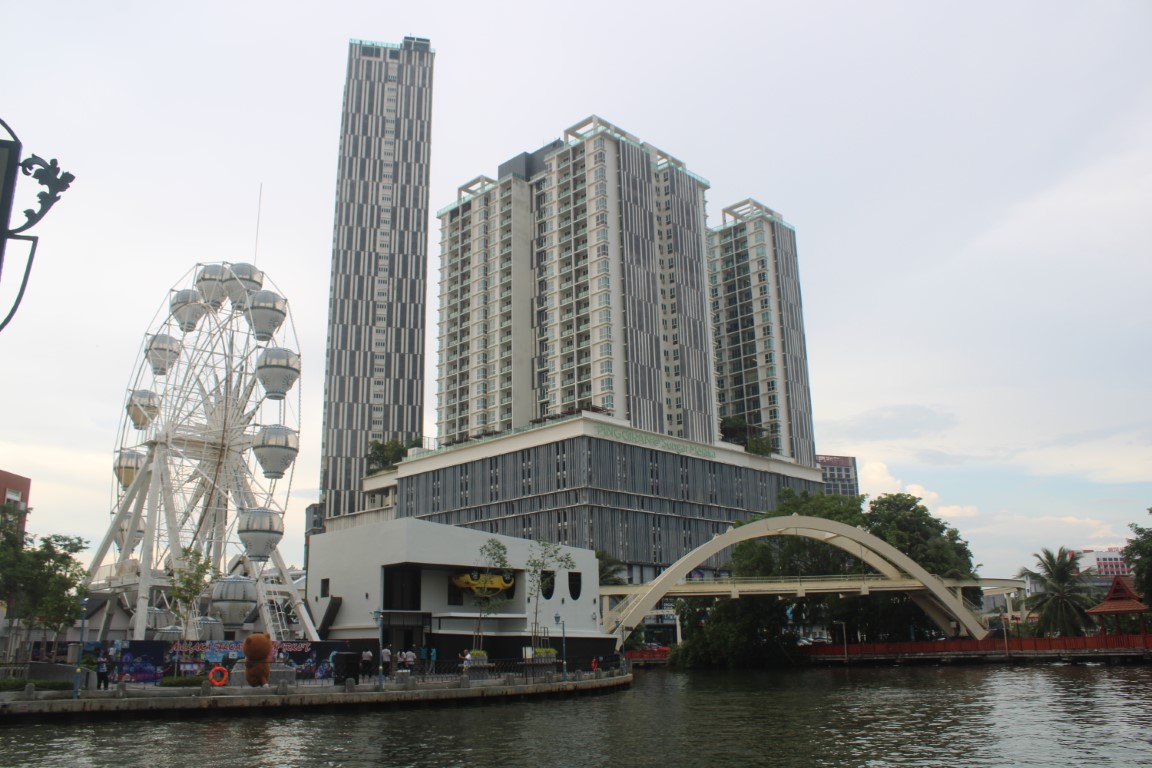
DAILY PHOTO: The Shore Sky Tower & Sigua Park

Image

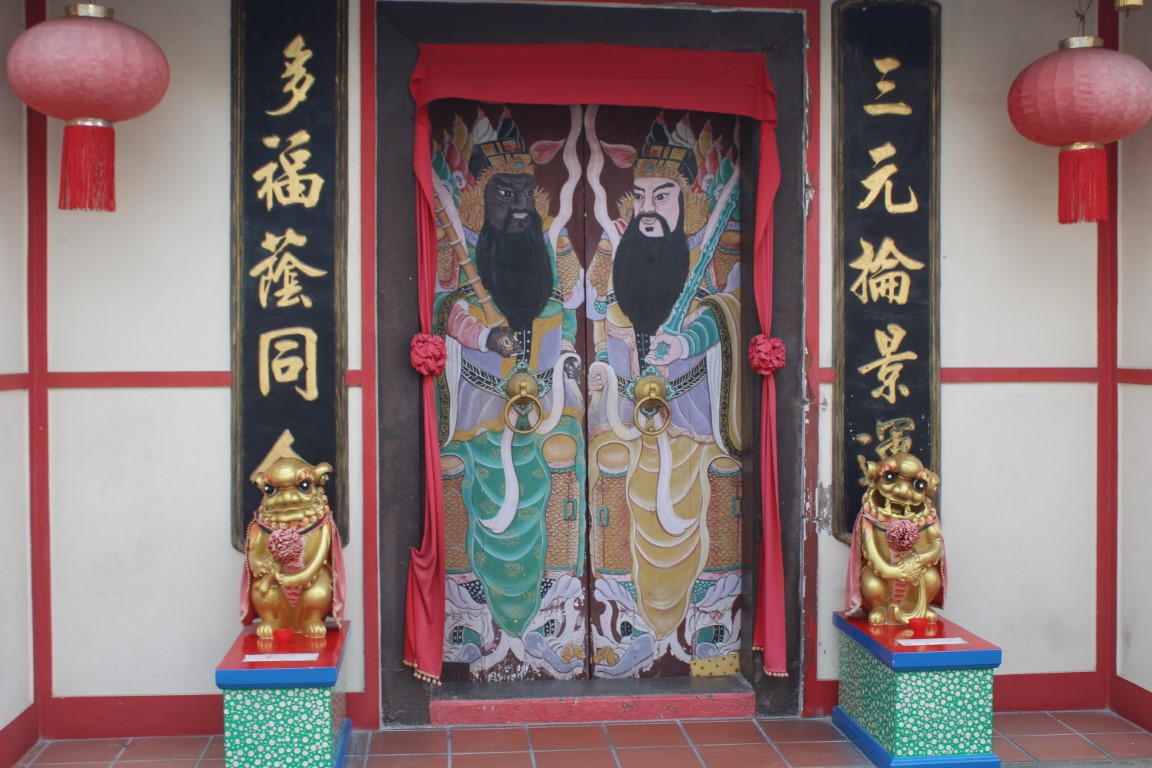
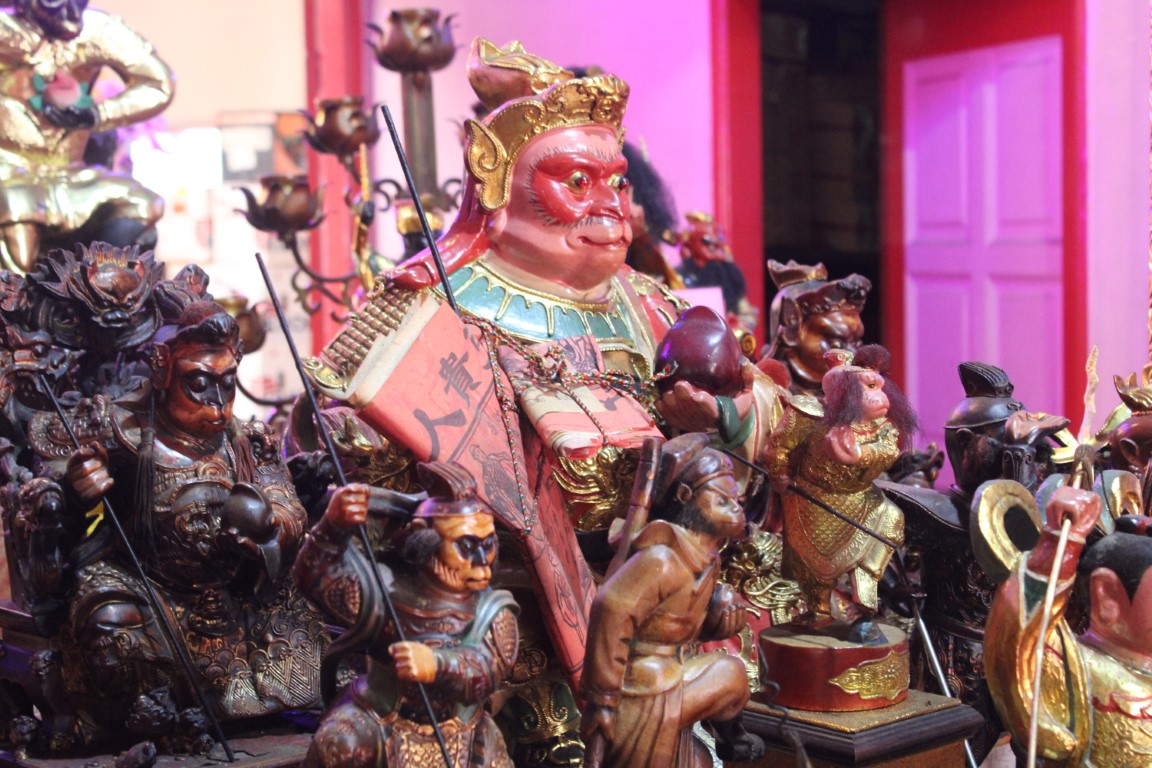
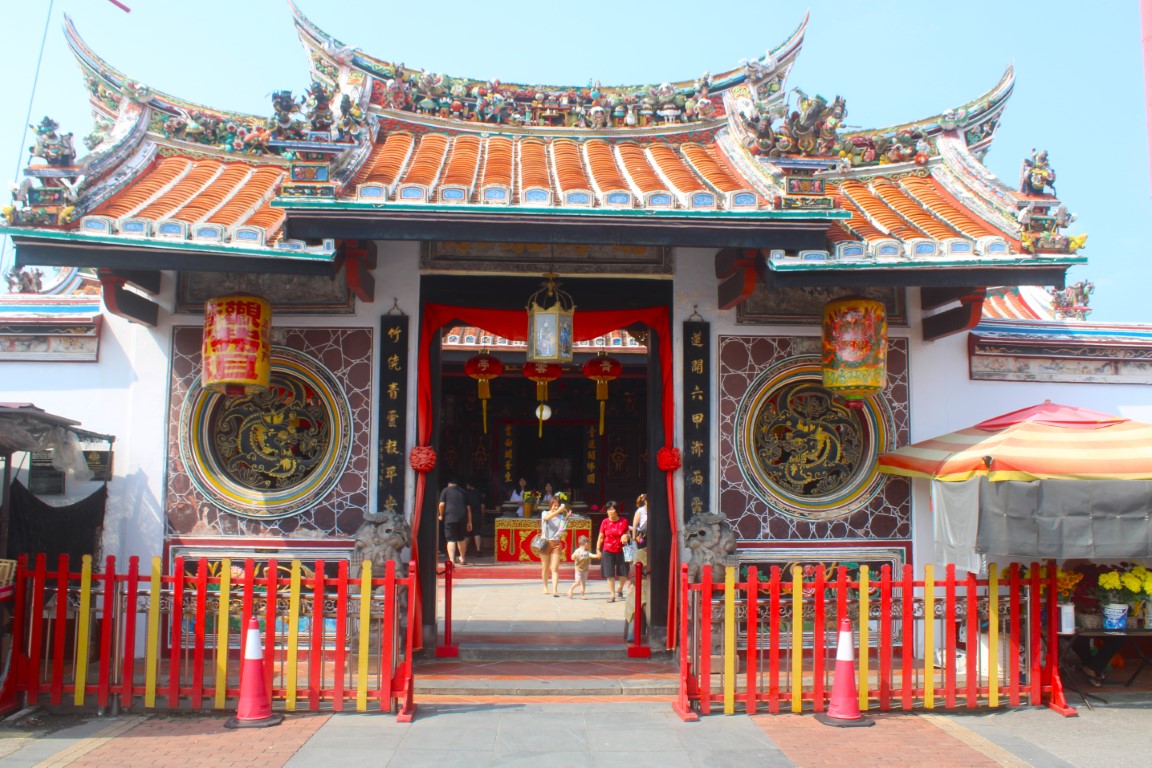
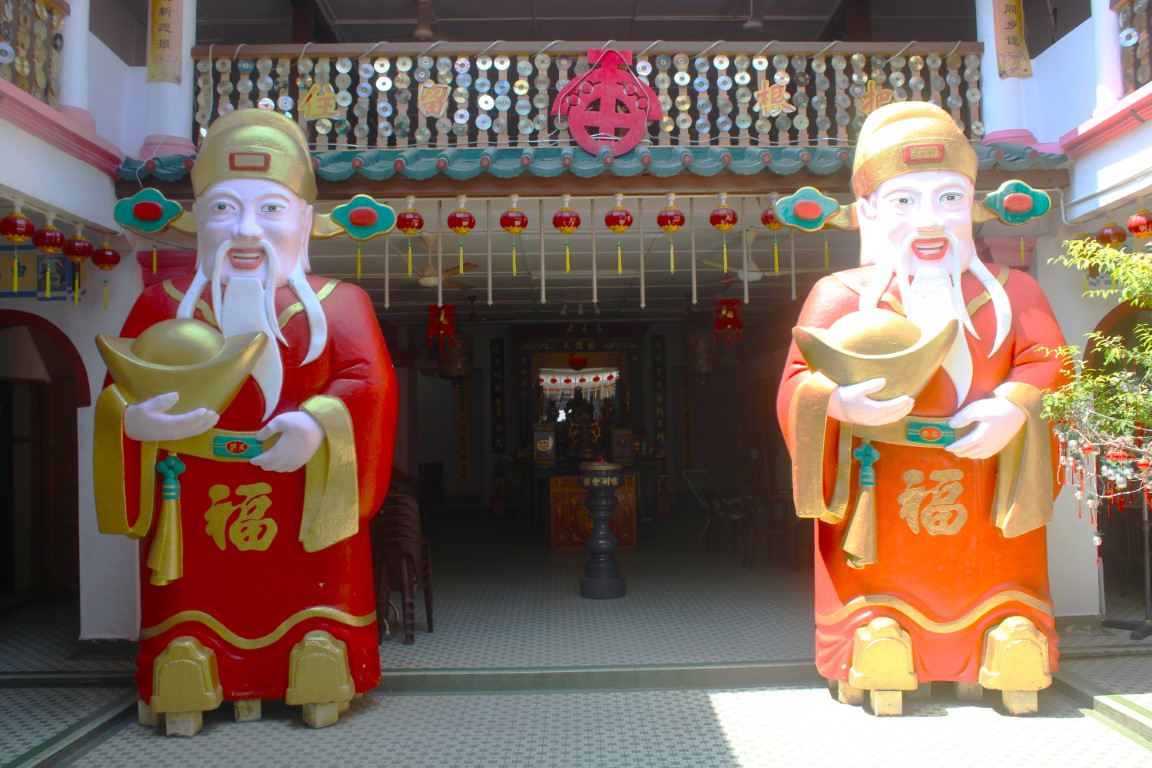
DAILY PHOTO: Scenes from Melaka’s Chinese Temples

“Monkey God Temple” [Properly, 齊天府]
Cheng Hoon Teng (Temple of the Green Cloud) is the oldest Chinese temple in Malacca. It is a syncretistic temple (combining Taoist, Buddhist, Confucian, and Chinese Folk Religion elements.)

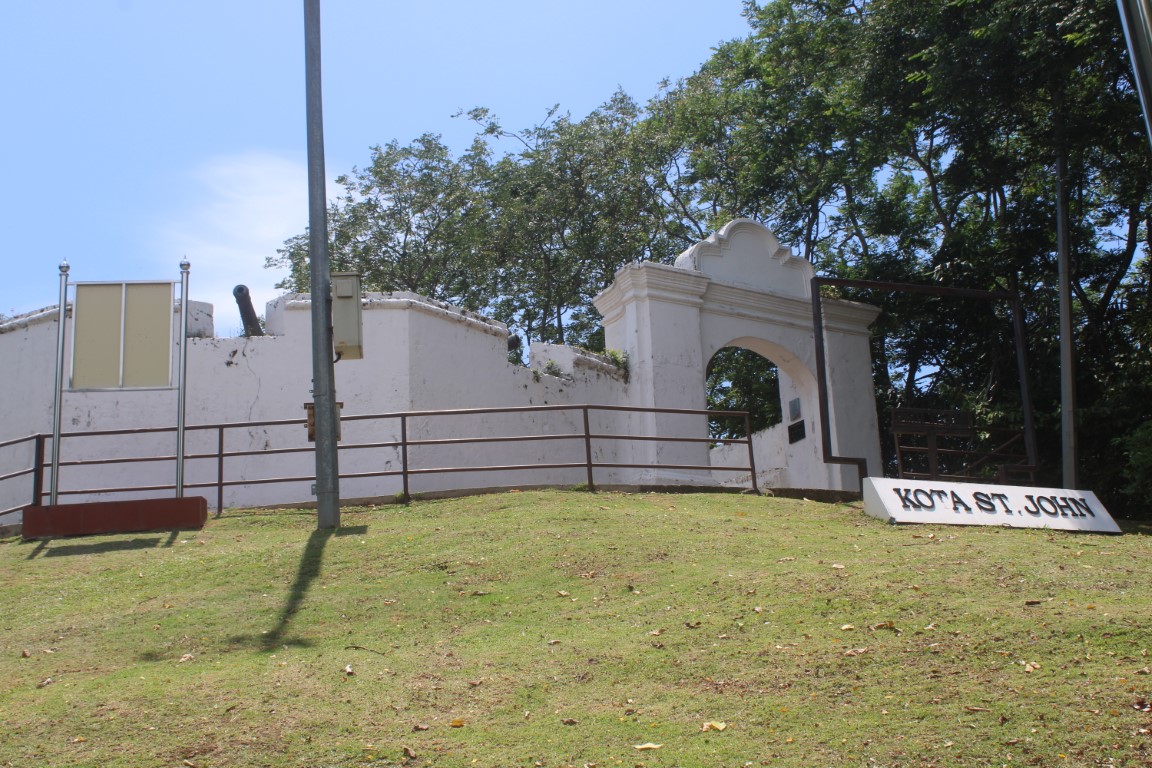
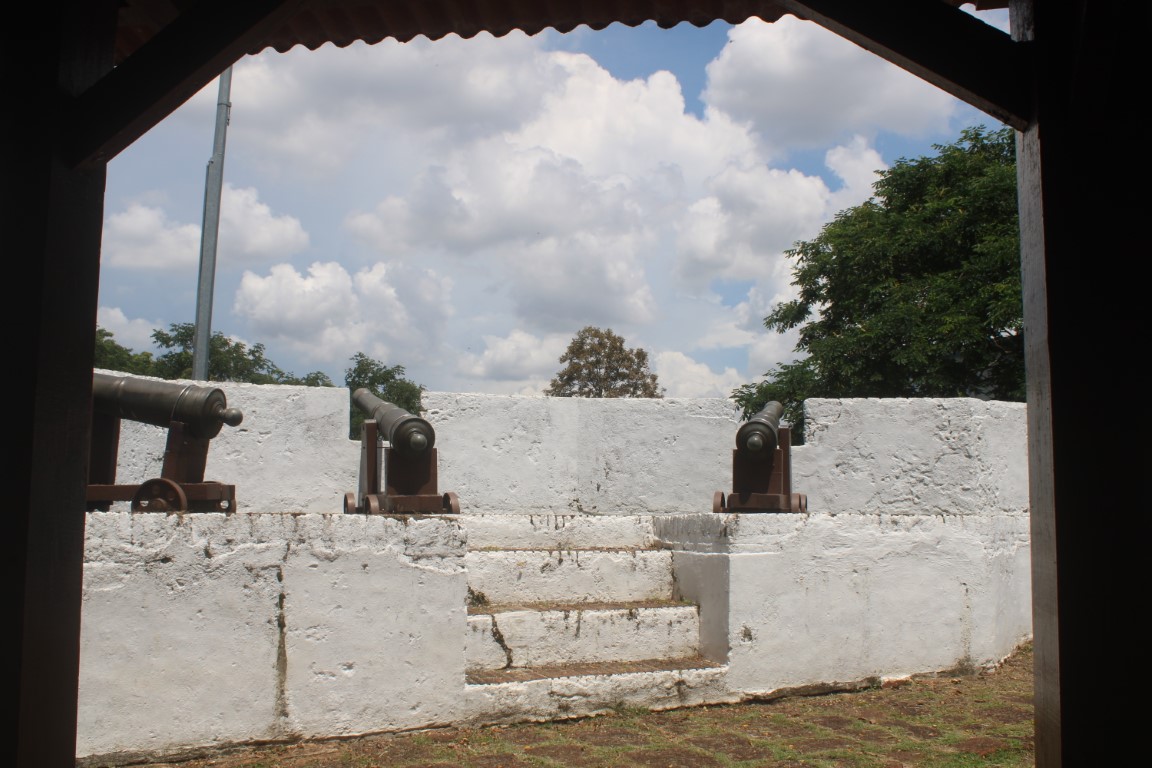
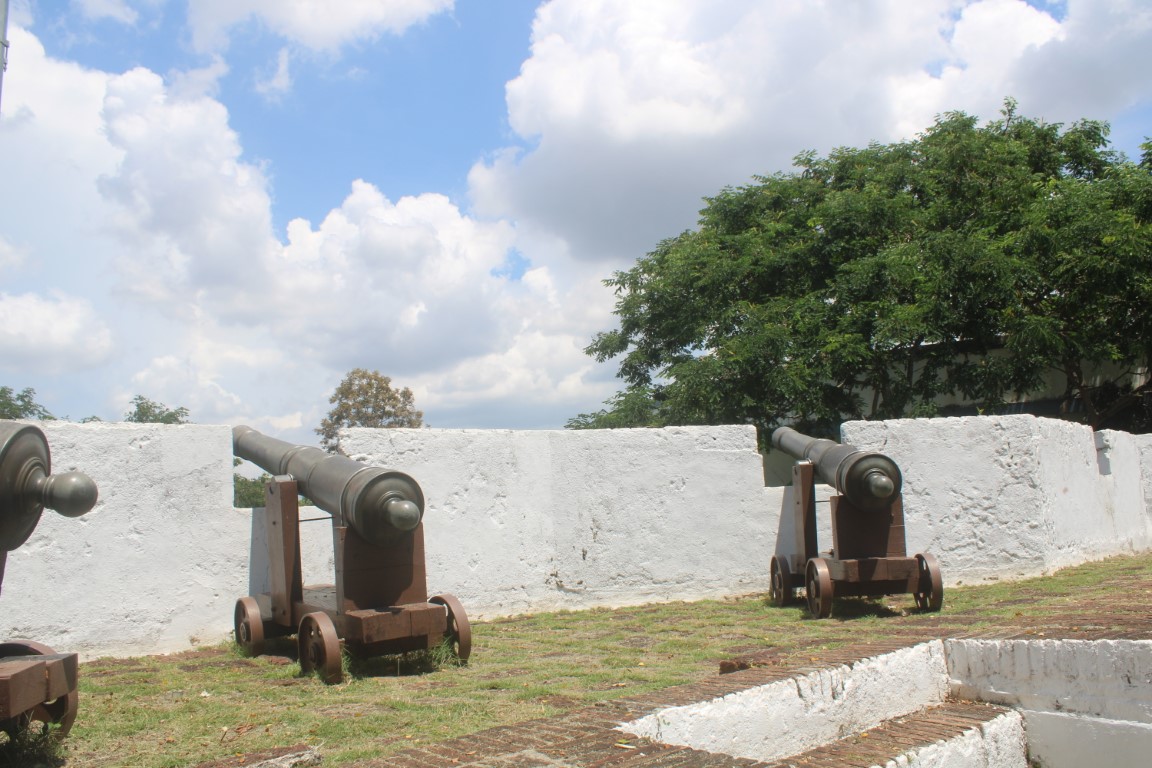
DAILY PHOTO: St. John’s Fort, Malacca

St. John’s Fort (or Kota St. John) is a preserved Dutch fort built upon existing Portuguese fortifications. This fort is built facing landward to protect against overland attacks by the Acehnese and Bugis (rather than toward the sea to protect from maritime competitors.)
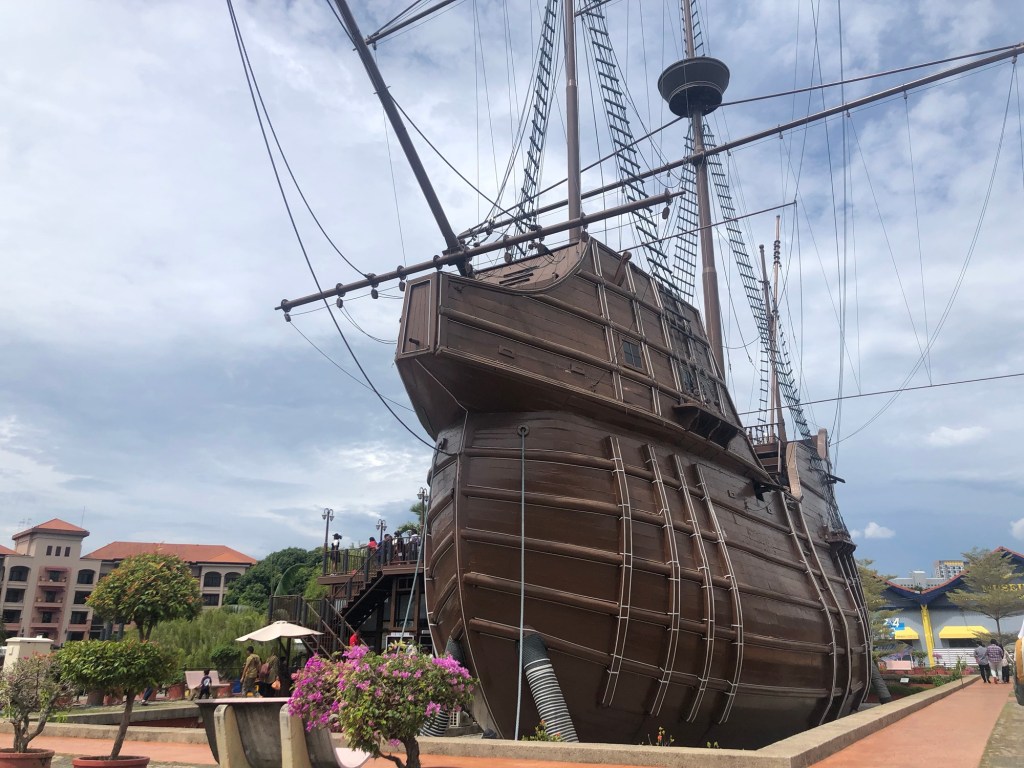
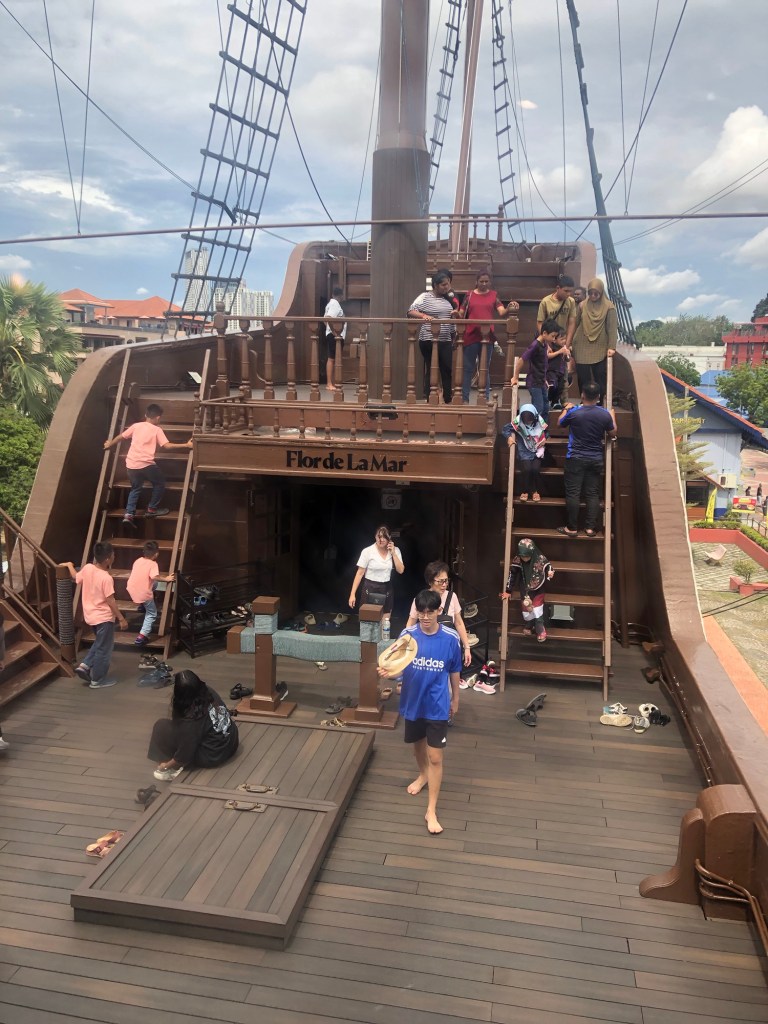
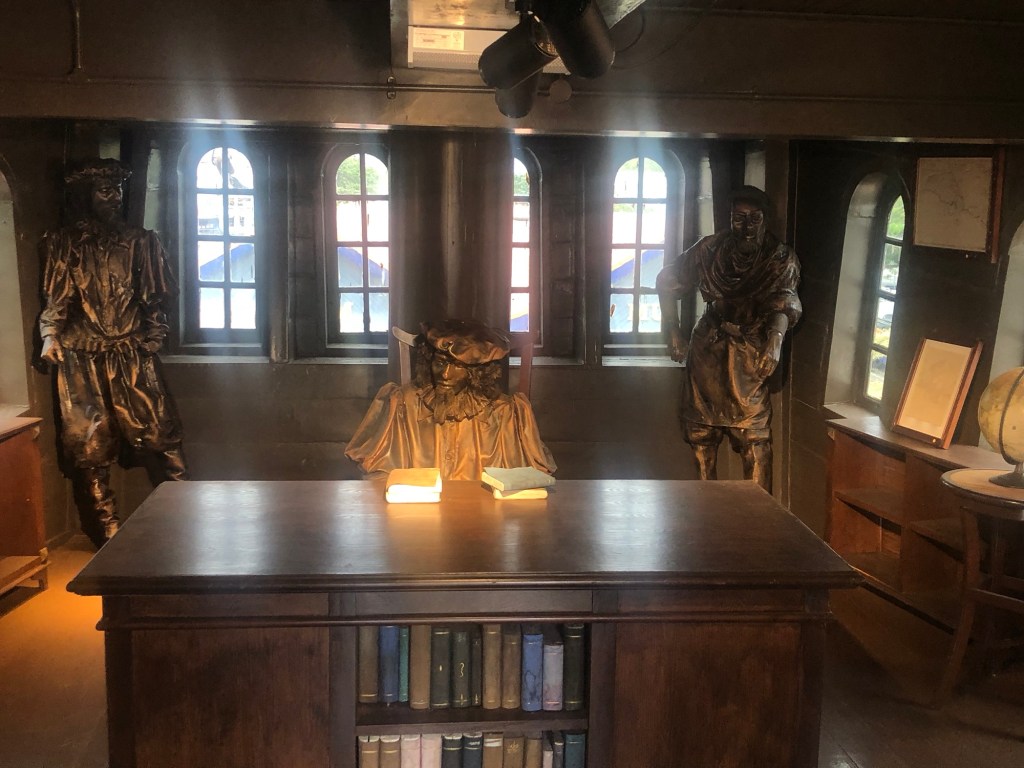
DAILY PHOTO: Flor de La Mar

The Flor de La Mar was a Portuguese ship laden with loot stolen from Malacca when it sunk. This scale replica is a museum (Muzium Sumadera) in Malacca.
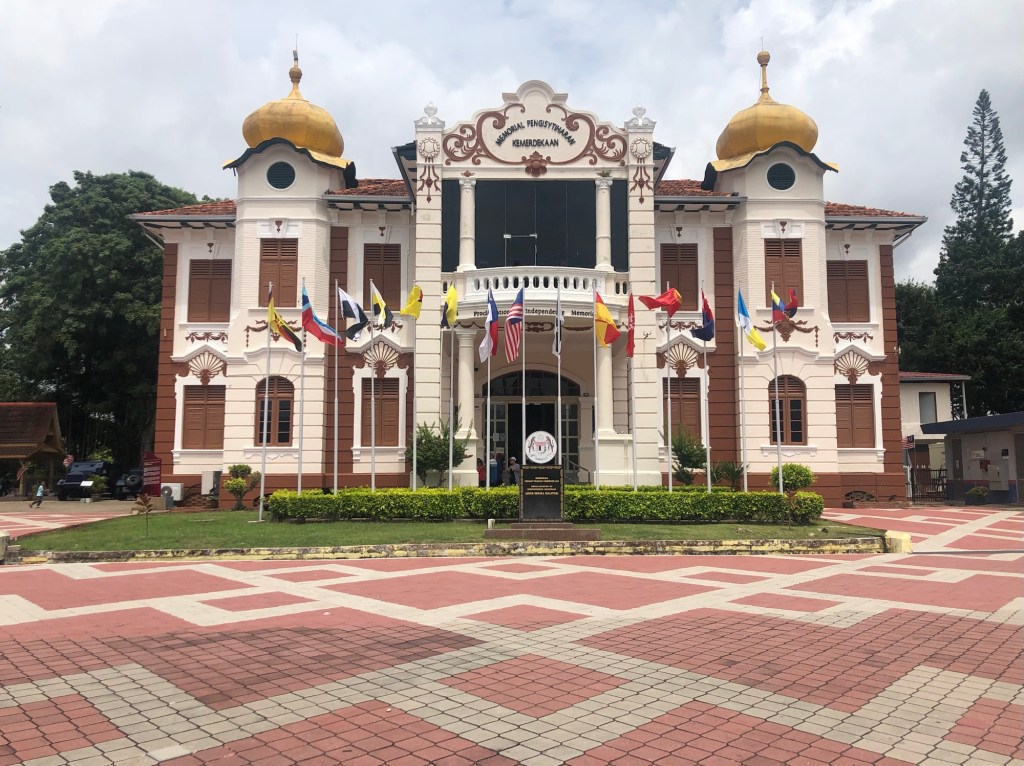
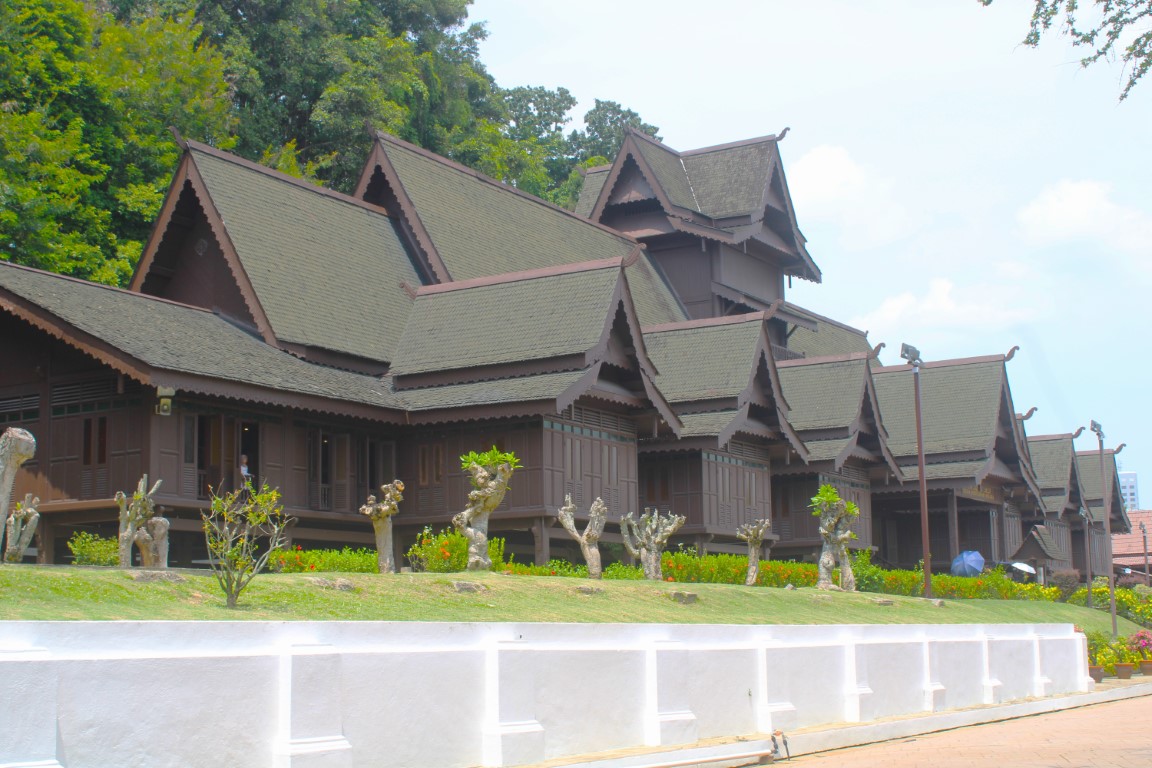
DAILY PHOTO: Proclamation of Independence Memorial, Melaka

DAILY PHOTO: Sultanate Palace, Melaka

Image

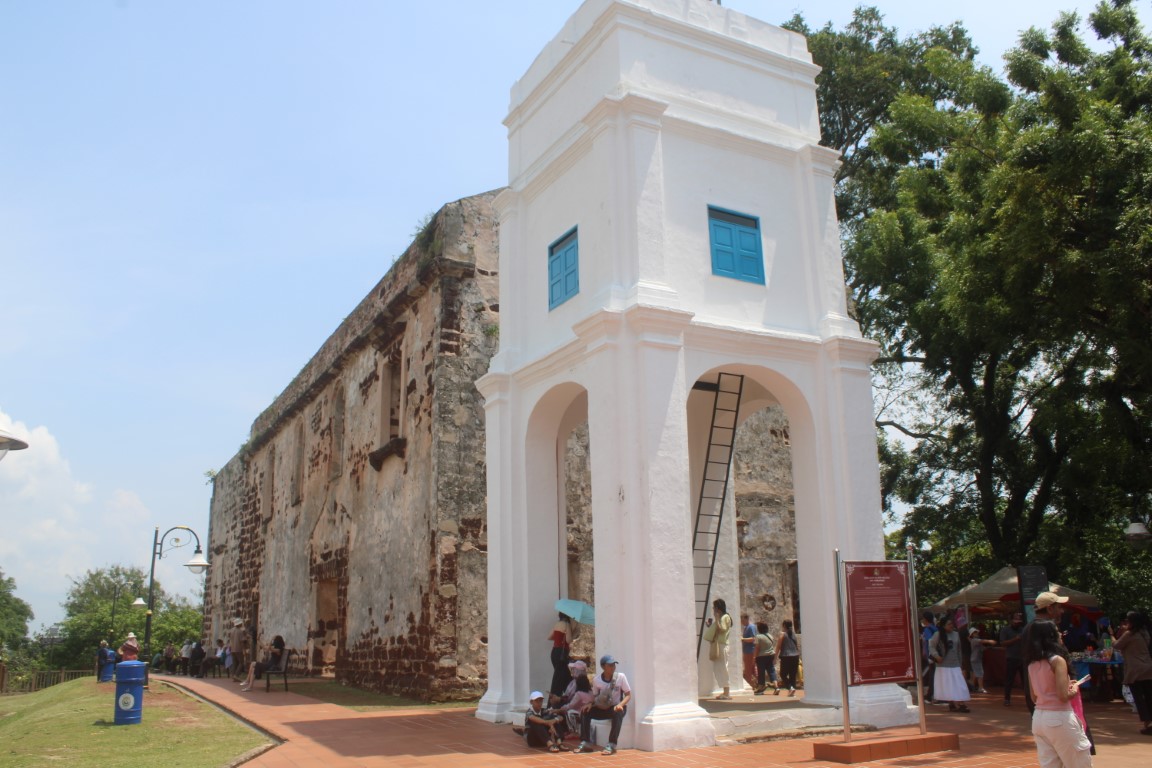
DAILY PHOTO: Church of St. Paul, Malacca

Said to be the oldest European building east of India, these hollowed out ruins represent one of the oldest Christian Churches in Southeast Asia.
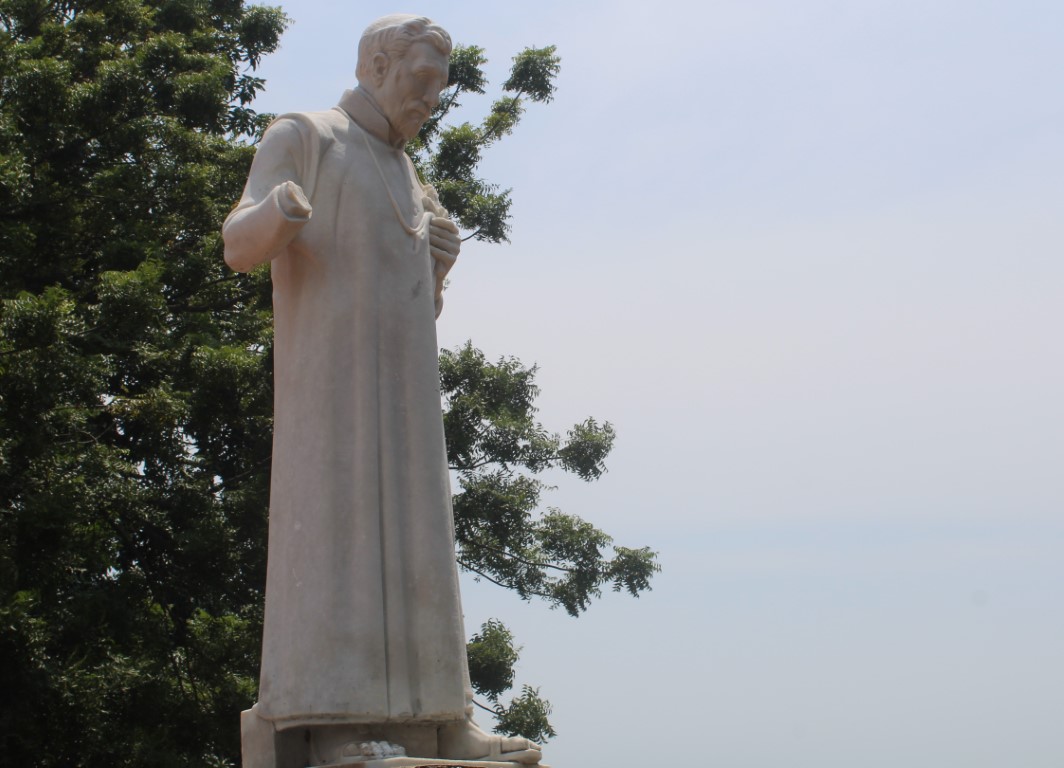
This statue of St. Francis Xavier stands in front of St. Paul’s Church. Francis Xavier did have his right hand amputated posthumously, and many like to tell the story that the statue’s hand was sheared off by lightning in an act of divine reckoning (though more likely the movers dropped the statue and the hand broke off. At any rate, that’s why they never got around to having it fixed.)

BOOKS: “Dark Demon Rising” by Tunku Halim

Dark demon risingDark demon rising by Tunku Halim
My rating: 4 of 5 stars

Author Site

On one level this is a folklore-based tale of horror, but – on another level – it is a commentary on tribal village life versus modern life in the super-tribal metropole.

The lead character, Shazral, comes from a long line of Shaman — medicine men. However, in the opening chapter we find that he has moved to the big city, Kuala Lumpur, and has become a successful lawyer. He has a nice office, a big salary, and a fashionable sportscar. He thinks he has it all. Then he’s called to return to the village to see his dying father. Son and father haven’t been on speaking terms because the father wanted Shazral to continue the Shamanic line, but Shazral wanted to escape the village and the strained familial situation that existed since his mother died during his youth. His return sets events in motion, events that will both show his beloved city life isn’t all it seems, as well as drawing him into the family business.

I enjoyed the story and think it was well-crafted and evocative. The backstory provides powerful motive, and the characters are distinctive and worthy of the reader’s consideration. There were a number of typos in the edition that I read (none were detrimental to understanding the story, but they could break the flow of reading.)

I’d recommend this book for readers interested in tales of horror rooted in folklore (in this case Malaysian folklore) and shamanism.

View all my reviews