
Taken on May 27, 2017 near Madikeri in Coorg


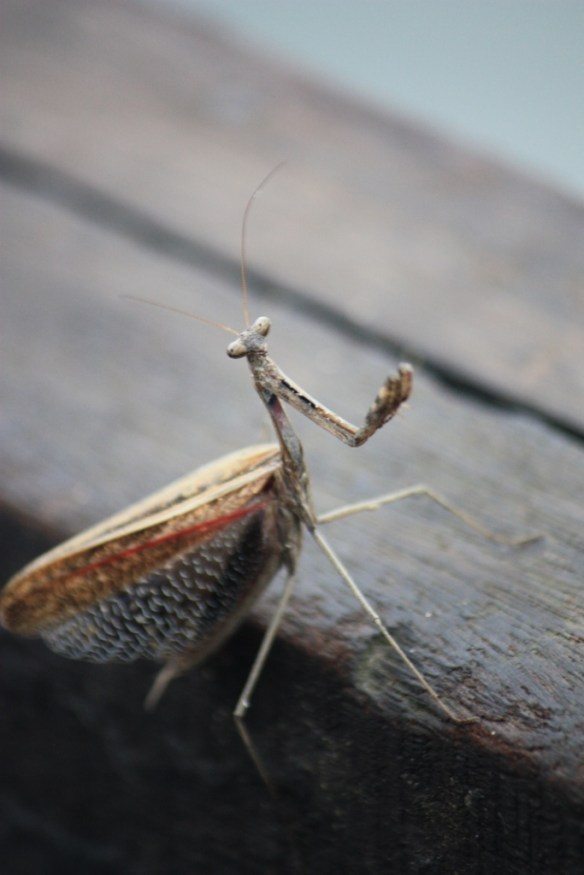
Taken on the Kameng River crossing to Nameri National Park in Assam
Full Disclosure: I know little to nothing about insects. Therefore, it’s possible this bug isn’t in the Praying Mantis family at all. It just had a triangular head with bugged-out eyes and the folded up stabby arms, and I saw some in pics on the internet in which mantises had wings similar to this one.
If you know your insects and I’m wrong, please feel free to comment and I will own my mistake and fix it.
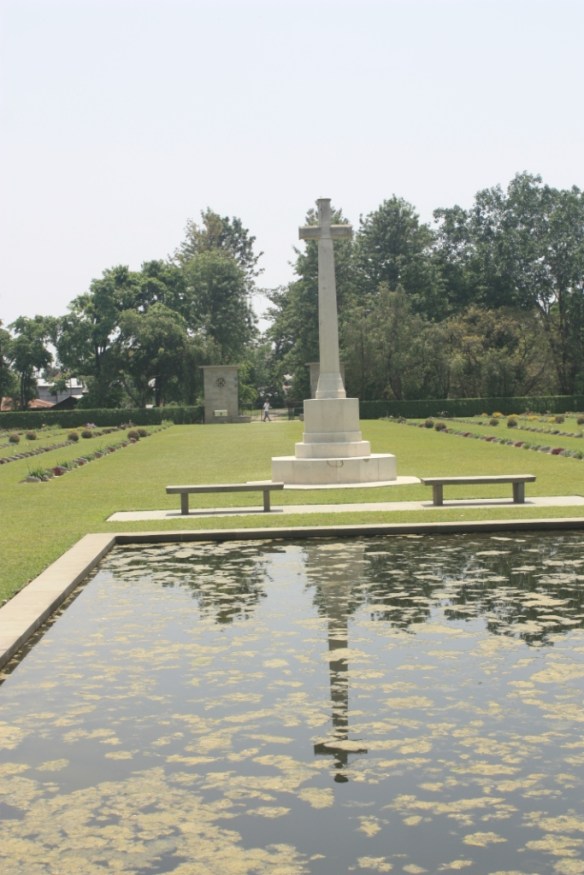
Taken on May 5, 2017 in Imphal
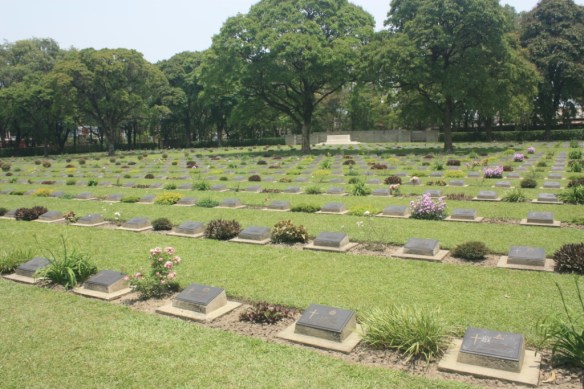
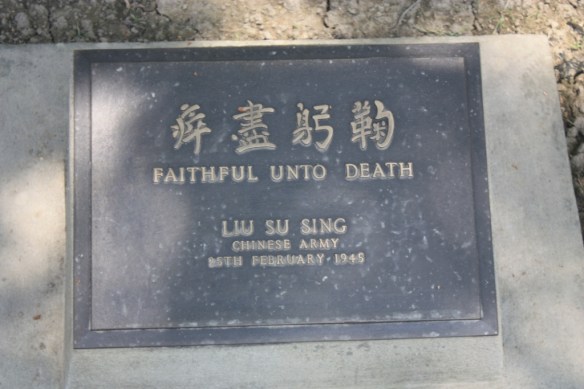
Japan reached the end of line in its advance to the west in Northeastern India. Both Kohima in Nagaland and Imphal in Manipur have substantial war cemeteries. This is the one in Imphal. The graves are largely English names with crosses or Indian names with Hindi writing, but there are a few others of note. There are several unknown soldier graves, and a fair number of Muslim graves. There are also laborers who got only one name put on their grave, and–in the case below–the grave of a Chinese soldier.
It was a confusing time because many Indians were serving with the British to fight the Japanese, but other Indians were fighting Britain and trying to ally with Japan.

Taken in April of 2017 in Nagaland
Nagaland feels like a country unto itself. Not like Myanmar (which it’s not.) But, also not like India (which it is, technically and legally.) Neighboring Assam and Manipur feel like India with a Tribal twist, but not Nagaland. It feels Tribal to its core.
Among the factors that contributes to this is that almost 90 % (88.1%) of it’s population is Christian. For some reason, the missionaries found this piece of the planet fertile ground. Buddhism has no presence in Nagaland at all, which is one of the things that makes it seem quite different from the SE Asian countries, which it bears a resemblance to in a number of ways (e.g. racially, architecturally, etc.)
But religion is just part of it. If you were to go by attire or what music is playing in the cafe (K-pop, US pop, and local music inspired by the aforementioned) one would be more likely to guess one was in Southeast Asia. And if you were to go by cuisine, you’d have no idea where you were. It’s not remotely like Indian cuisine except that the favored snacks are those of Ladakh and Sikkim [i.e. Tibet-esque; momos and noodle soup.] Still, it’s not like SE Asian cuisine excepting that steamed rice is a part of every meal and the pungent smell of fermented yam leaves (anishi) is a smell similar an odor I’ve encountered in Thailand. (But I see no reference yam leaves in Thai cuisine, so I suspect in Thailand its something else that’s fermented to create said smell.)

Baptist church of Khonoma

Catholic church of Khonoma


Taken in April of 2017 near Tezpur in Assam

Taken in April of 2017 in Meghalaya

Baby Pineapple

Heart’s Ease


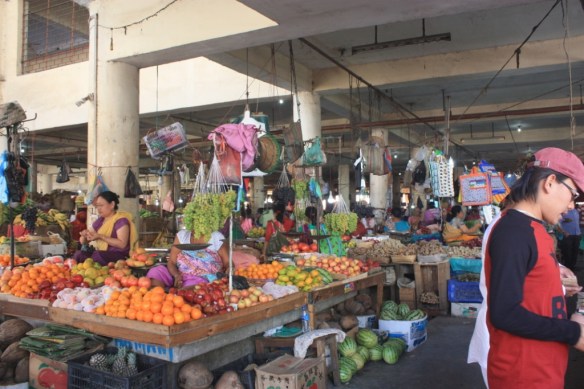
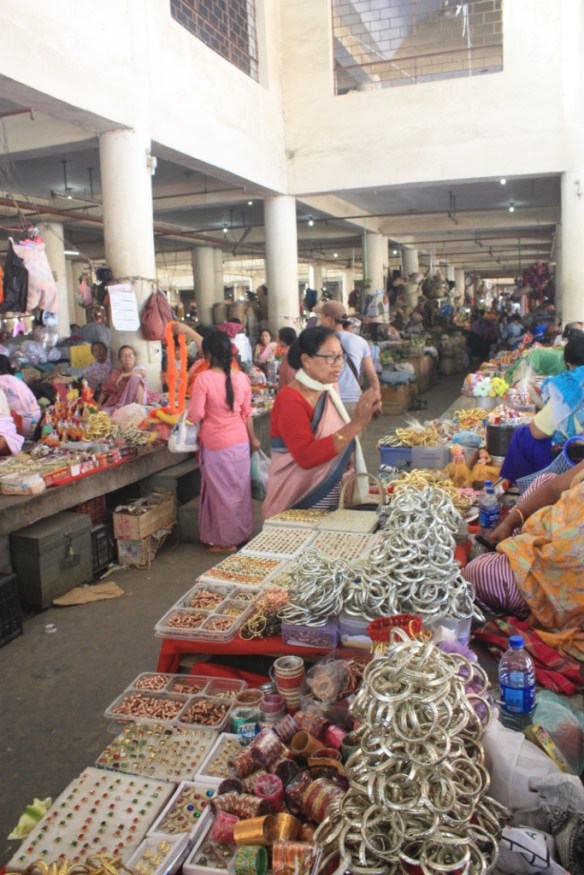
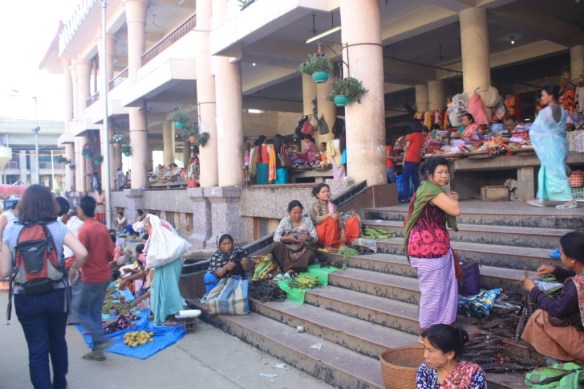
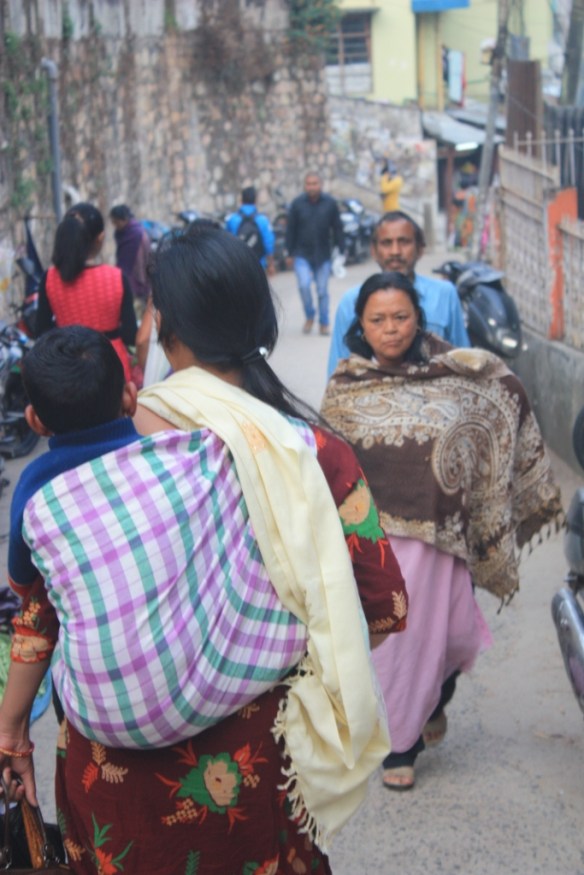
Taken on May 5, 2017 in Imphal, Manipur
Ima Market (a.k.a. Khwairamband Bazar, or “The Women’s Market”) is a sprawling bazaar in the center of Imphal. Here one can purchase: ghost chilies, melons, fish (dried or fresh), bangles, machetes, wicker baskets, incense, and much more all under one roof and sold exclusively by female merchants.


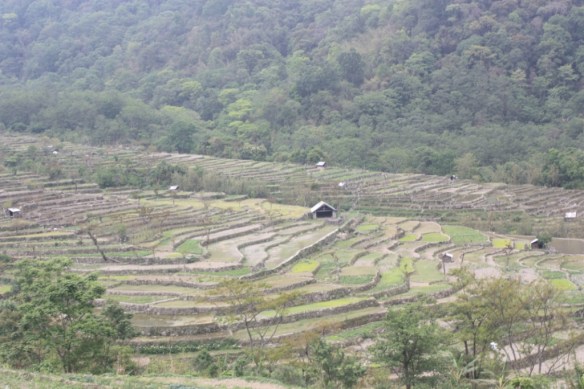
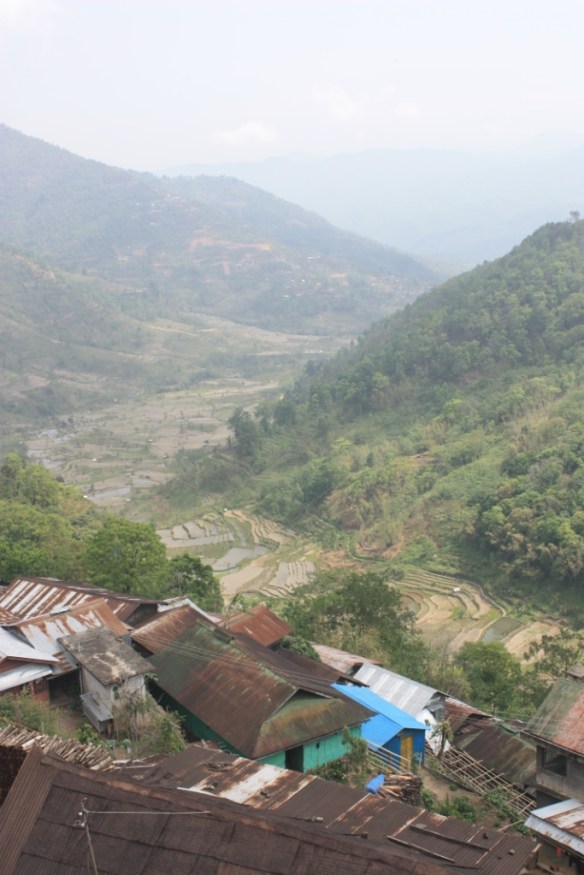
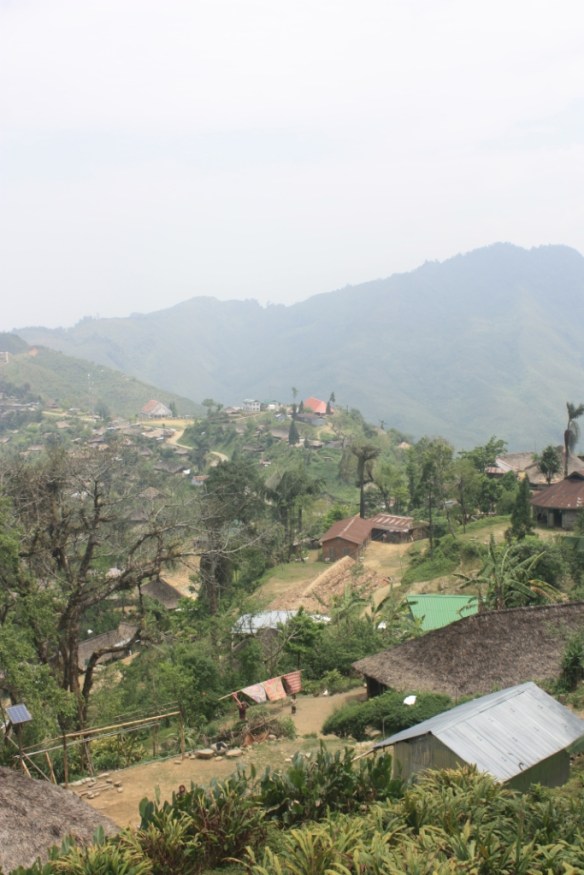
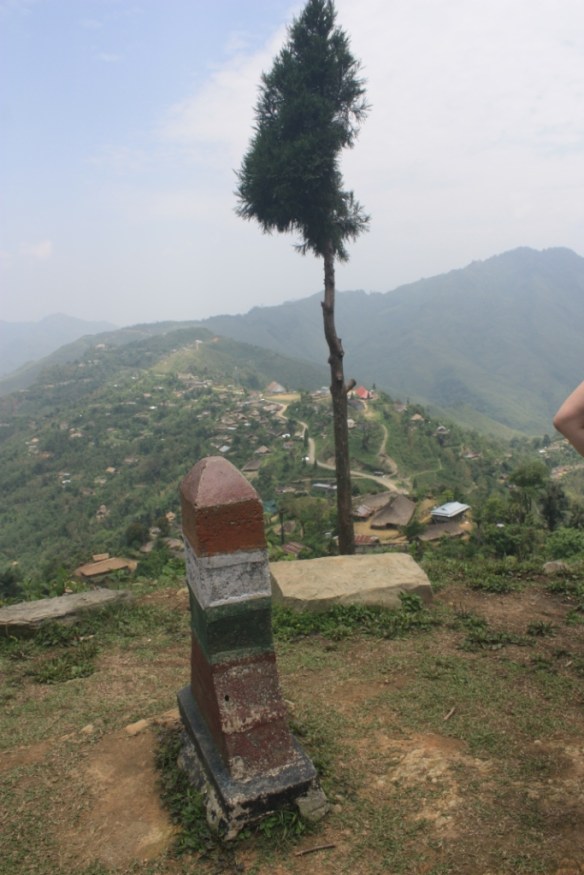
Taken in May of 2017 in Khonoma, Nagaland


This is actually Dzuleke Village, the next village down from Khonoma.







 Tiger Riding for Beginners