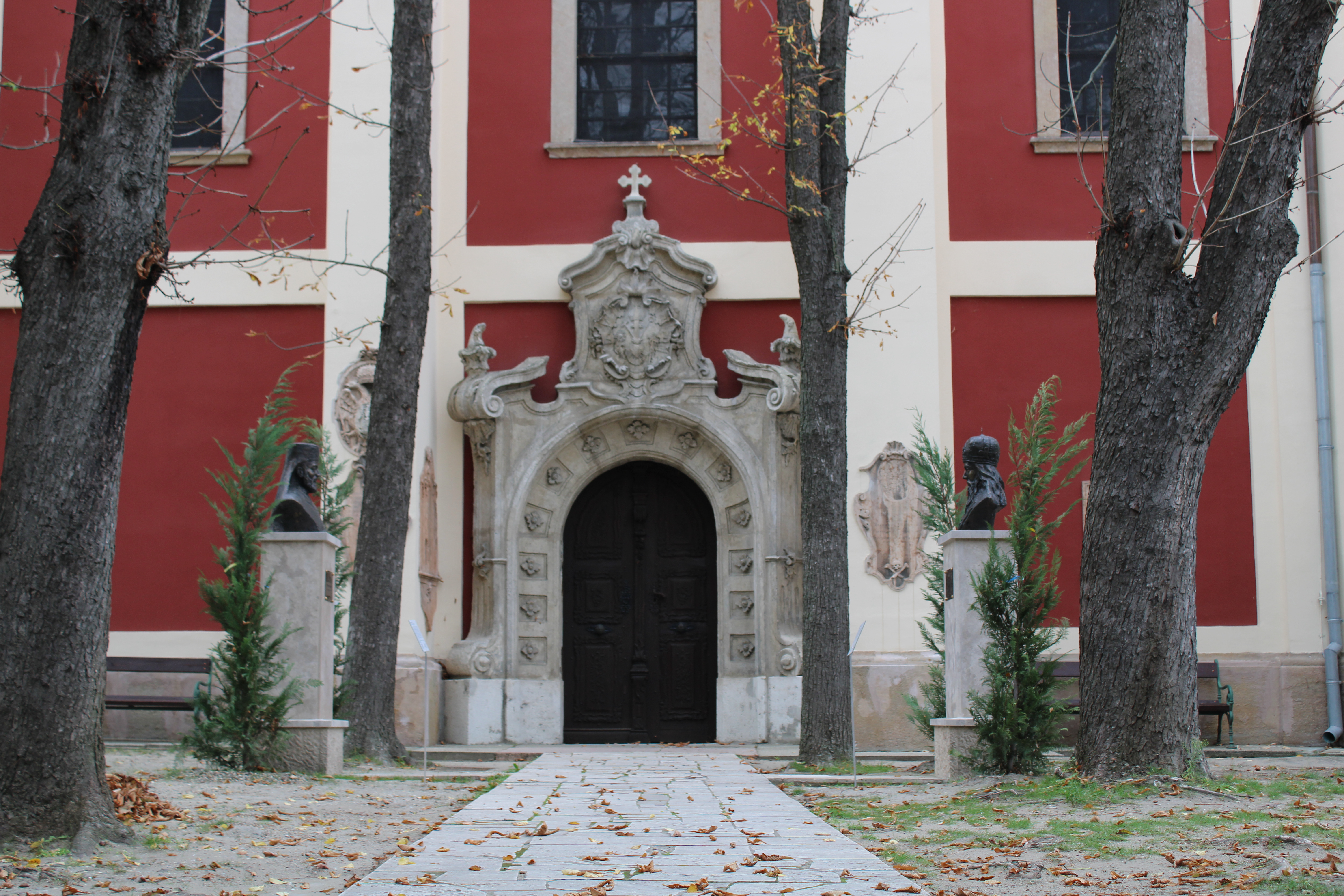
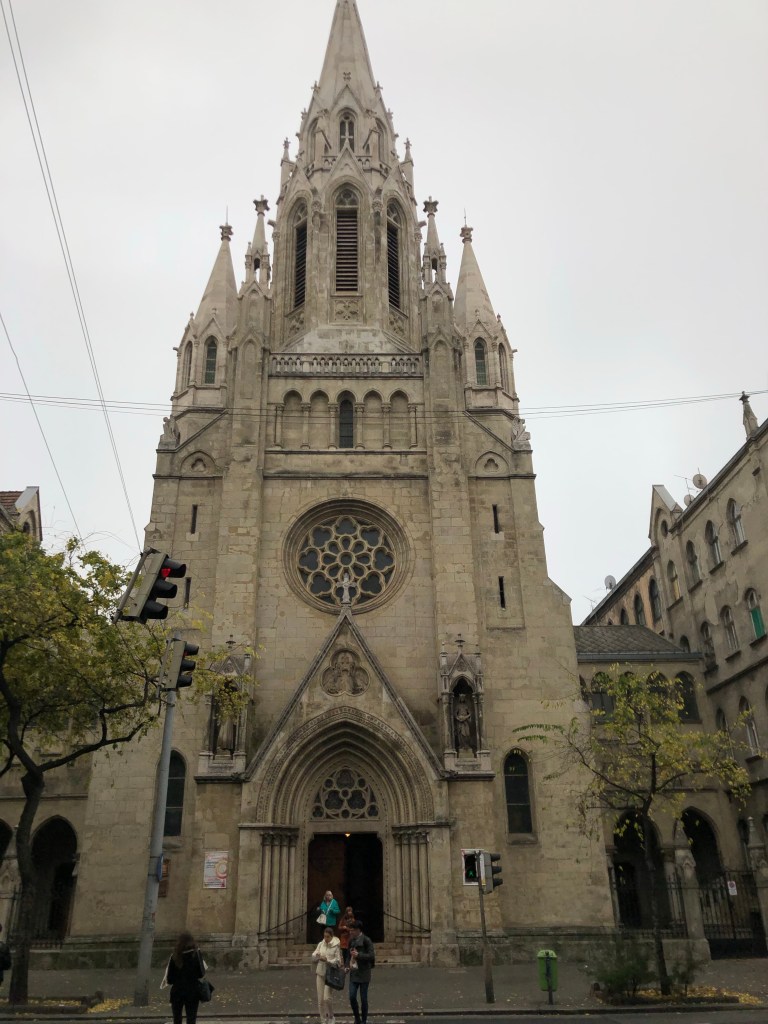
DAILY PHOTO: Church of Perpetual Adoration [Örökimádás Oltáriszentség templom]

Taken in November of 2022 in Budapest

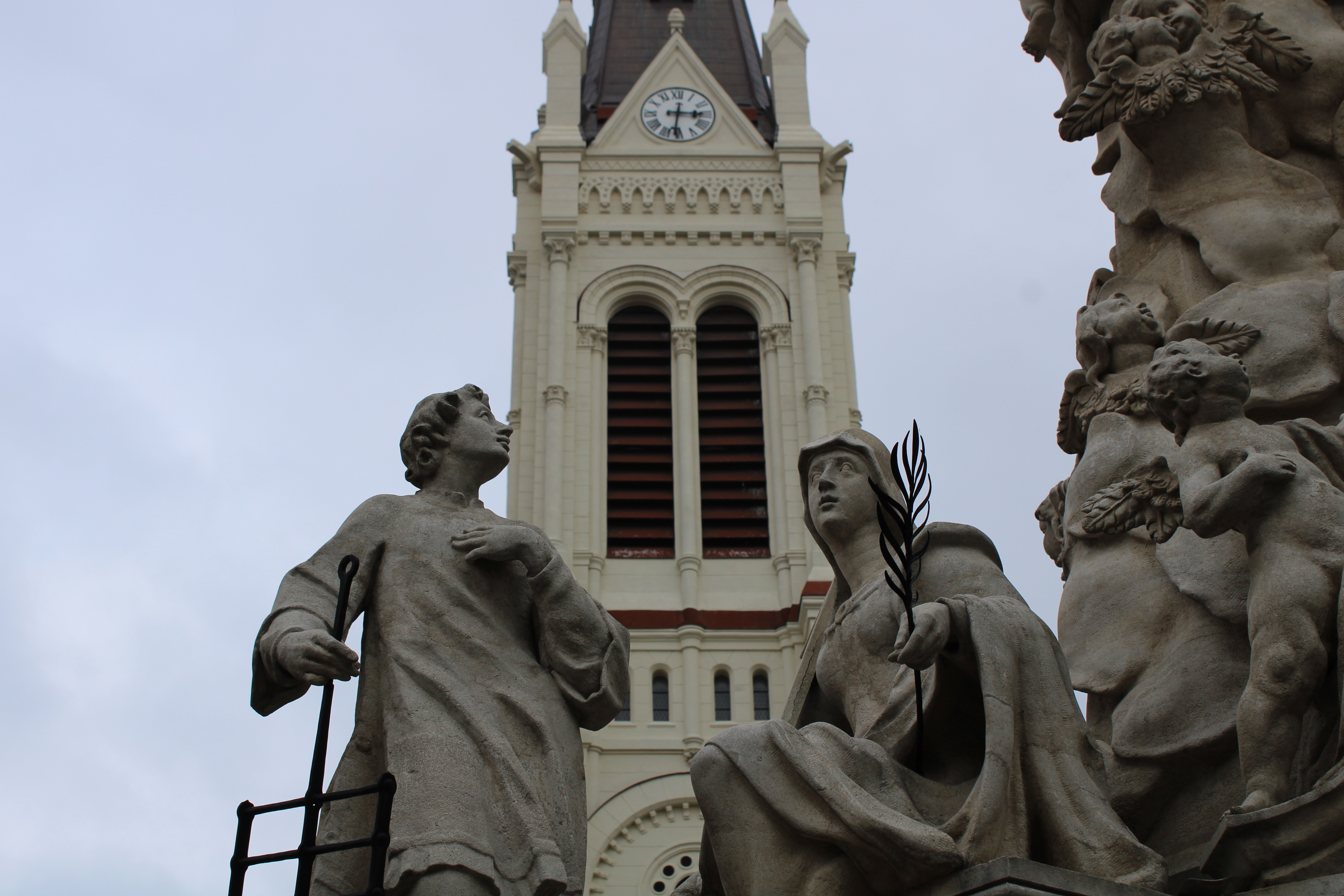
DAILY PHOTO: The Cathedral of St. Martin

Taken on October 25, 2022 in Bratislava

BOOK REVIEW: By Water by Jason Landsel & Richard Mommsen

By Water: The Felix Manz StoryBy Water: The Felix Manz Story by Jason Landsel
My rating: 4 of 5 stars

Amazon.in Page

Release Date: March 21, 2023

Get Speechify to make any book an audiobook

This is a graphic novel-style biography of Felix Manz, a Protestant (Anabaptist) reformer from Zurich during the sixteenth century. Manz and his compatriots had a few beefs with the Catholic church, broadly classified. The first (and most religious / doctrinal) grievance was with respect to how the Church handled baptisms; specifically, infant baptism prevented baptism from being a free choice for the baptized. The second set of grievances involved the priesthood and how priests were moved around at the convenience of the Church and how much money they cost the citizenry. (i.e. They wanted local priests and not to be forced to pay a lot of overhead.) The third complaint was more an entire slate of complaints about resources. In that era, Swiss commoners couldn’t just go hunting in the woods or chop firewood as they needed because the land was under the ownership of the powers that be.

The story of Manz and his followers is intriguing, if one is interested in history. It’s kind of a strange topic to read in comic book form, but as history can be tedious in historical / biographic tomes, this makes for a quick and painless way to take in the story. There are a couple points where the book seems to shift into hagiographic territory (i.e. being difficult to swallow for the non-believer.)

The art is clear and neatly rendered, but I wondered how time-accurate it is. Maybe it is, but the inside of the houses looked pretty much like today (e.g. curtains and furnishings) and I found myself wondering whether its anachronistic or not. Ultimately, I have to give the artist the benefit of the doubt as I know virtually nothing about how Swiss commoners lived in the 1500’s. At the end of the book, there are some appendices that provide more information in prose text.

If you’re interested in European and / or Religious History, you may want to read this book.


View all my reviews

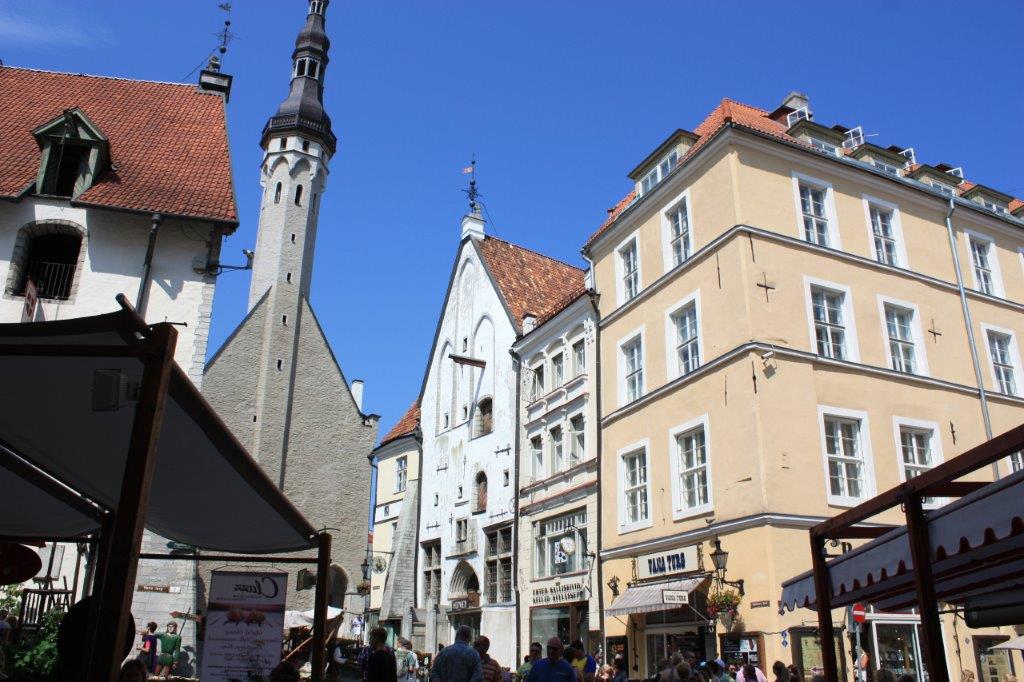
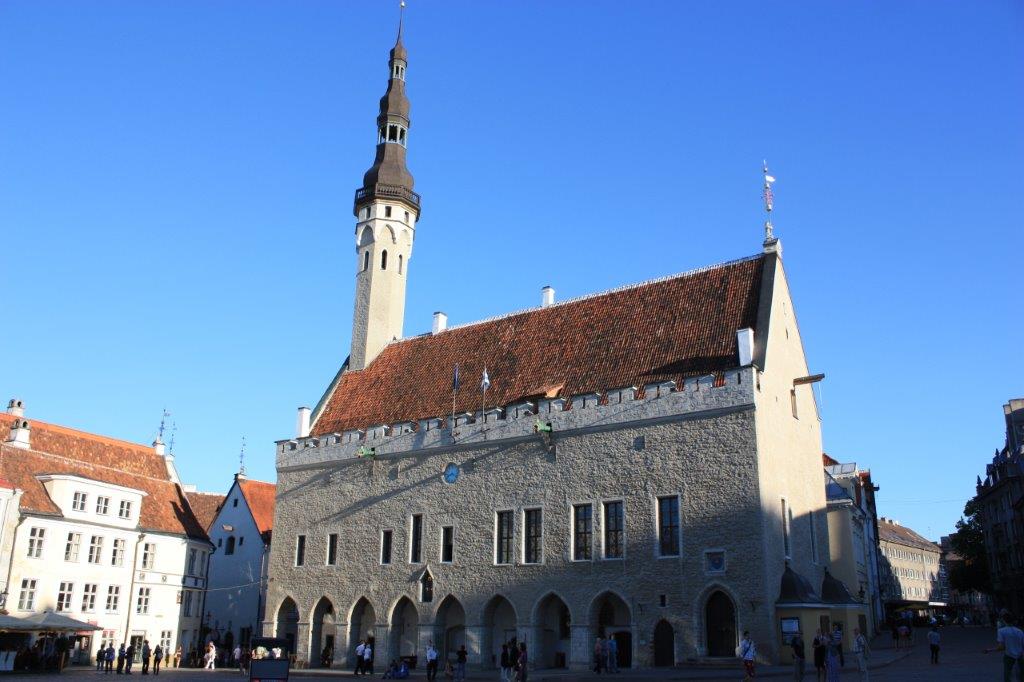
DAILY PHOTO: Around the Church of the Holy Ghost, Tallinn

Taken in the summer of 2011 in Tallinn, Estonia

DAILY PHOTO: A Church in Bidar

Taken in Bidar in August of 2022

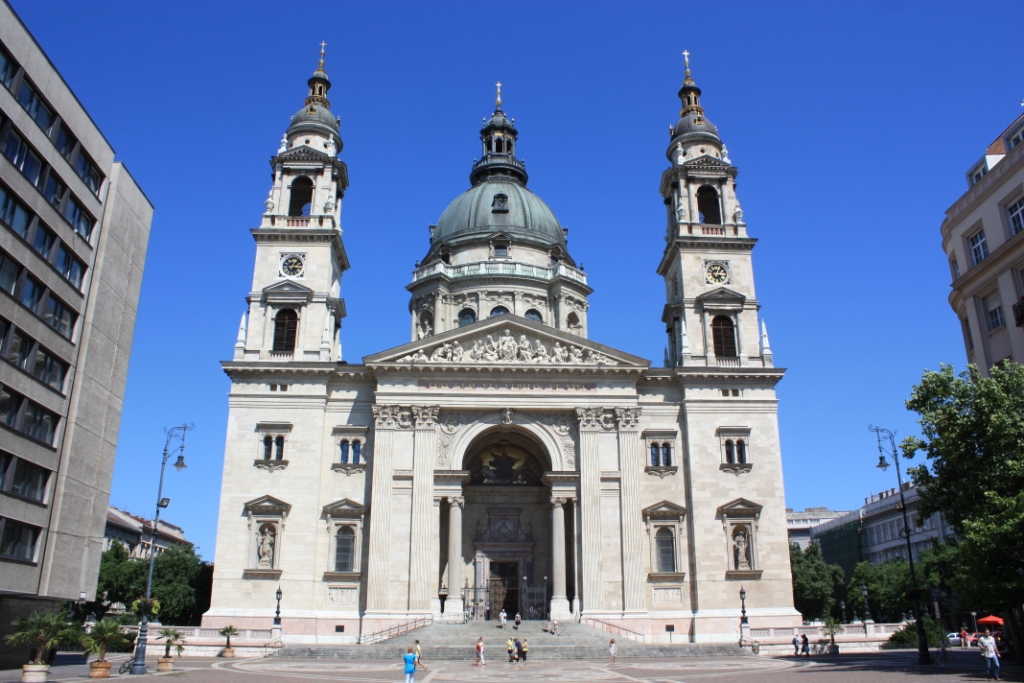
DAILY PHOTO: Saint Stephen’s Basilica Under Blue Skies

Taken in the Summer of 2011 in Budapest

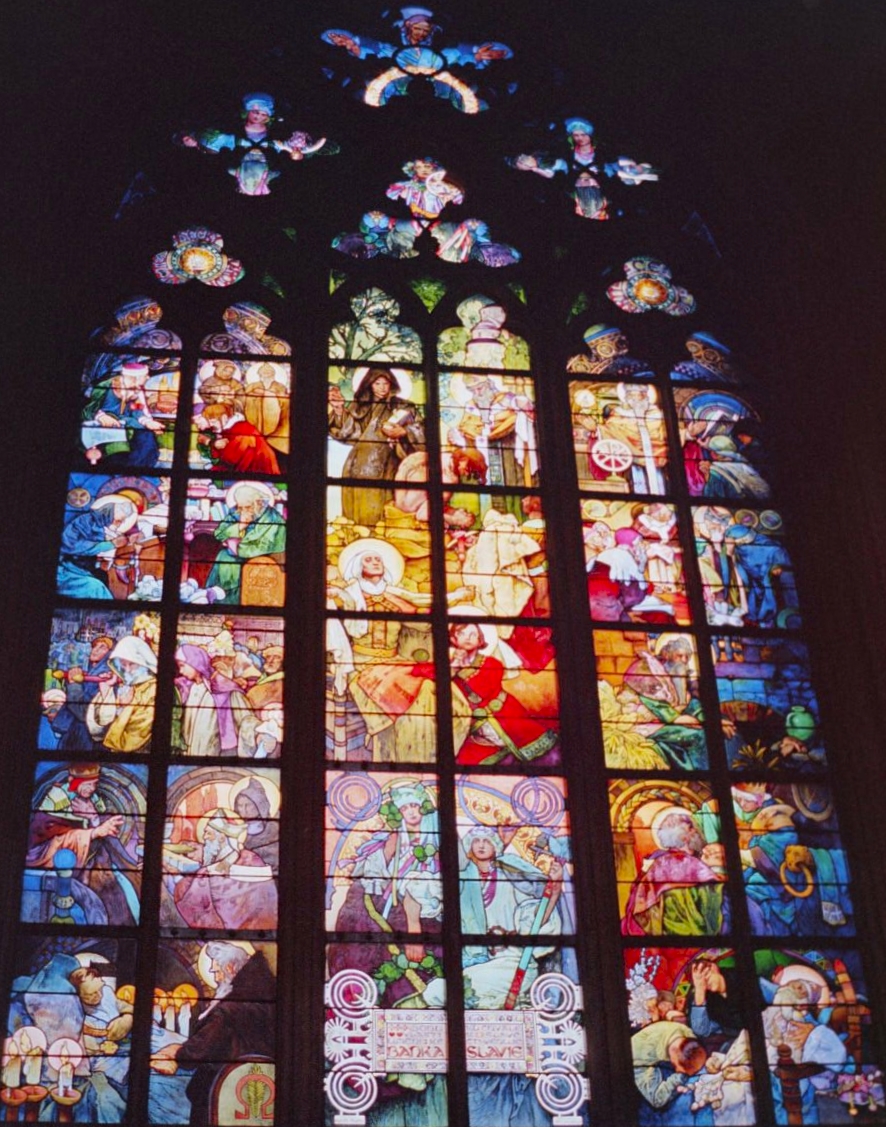
DAILY PHOTO: St. Vitus Stained Glass, Prague

Taken in 2002 in Prague

DAILY PHOTO: Church of the Immaculate Conception, Yanque

Taken in 2010-ish in Yanque, Peru [Near Colca Canyon]

BOOK REVIEW: Angels: A Very Short Introduction by David Albert Jones

Angels: A Very Short IntroductionAngels: A Very Short Introduction by David Albert Jones
My rating: 5 of 5 stars

Amazon.in Page

This book offers an overview of angels in the Abrahamic religious traditions (i.e. Judaism, Christianity, and Islam.) [It does take a quick dip into angel-like beings from other religious traditions – e.g. Hindu and Parsi – but generally comes down on the side of it doing a disservice to everybody to equate such beings across mythological traditions – with the possible exception of the New Age angel which is predominantly an offshoot from Abrahamic mythology.] The book considers the evolution of theological thinking on angels: how they’ve been portrayed in art; what they are [made of;] what their purposes are (i.e. messengers, healers, guardians, warriors, etc.;) and, occasionally, how they play into popular culture.

I took away a great deal from this book. For example, I learned about the differences between the djinn of Islam mythology and demons of Judeo-Christian mythology, and the theological underpinnings of this difference (i.e. Muslims do not believe angels have free will, and thus angels can’t be fallen, and so the djinn are a separate entity altogether [rather than being fallen angels.]) I found the book to be readable, interesting, and balanced in its approach to the topic. If you’re looking to learn more about how angels (and related beings, e.g. fallen angels / demons) have been treated by thinkers of various ages, without getting deep into the minutiae, this is a fine book to consider.


View all my reviews

BOOK REVIEW: Saints: A Very Short Introduction by Simon Yarrow

Saints: A Very Short IntroductionSaints: A Very Short Introduction by Simon Yarrow
My rating: 4 of 5 stars

Amazon.in Page

This is an overview of the history of sainthood in Christianity: how the canonization process changed over time (i.e. from mostly dispersed to increasingly controlled by Rome,) what types of individuals have been selected (from ascetics and martyrs to the heads of orders and other more conventional candidates,) the changing incidence of women saints (while always far less than males, at times almost nonexistent,) and who were some of the more prominent (or atypical) saints.

The book’s organization is primarily a chronological flow, but there are a couple chapters that are of a more topical nature (e.g. on female saints and about hagiographies [“biographies” of saints that mix fact and fiction.]) It was fascinating to me to learn that we are amid a resurgence of canonization. The making of saints had fallen off for a time around the 1800’s (presumably at least in part because it became increasingly challenging / embarrassing in an “Enlightened” age to argue for miracles [“proof” of which is necessary as part of the process.]) However, that can’t be the full story because since John Paul II there’s been a substantial increase in canonization, while we have less reason to believe in supernatural phenomena than ever.

The book takes an agnostic / scholarly stance on the rightness or wrongness of sainthood and doesn’t go out of its way to discuss the scandalous. However, it does not shy away from – here and there – mentioning misbehavior of the Church (e.g. Papal Indulgences and political canonization.) The economist in me found it fascinating that Indulgences gained fungibility – i.e. tradable as an intermediary of value, i.e. like cash.

I found the book interesting despite its occasional drifts into obscure theological / historical territory. It’s readable and, at times, fascinating.

View all my reviews