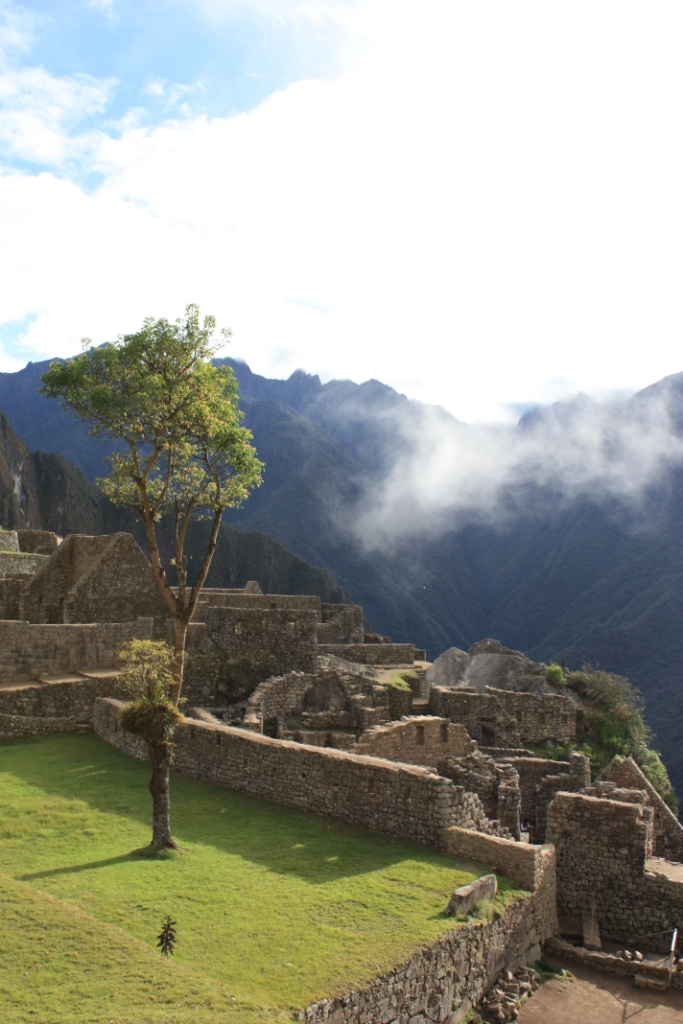
Taken in July of 2010 at Machu Picchu
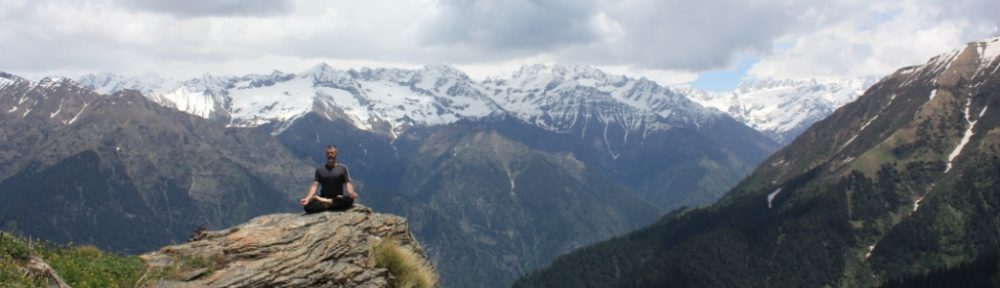
Taken in July of 2010 at Machu Picchu
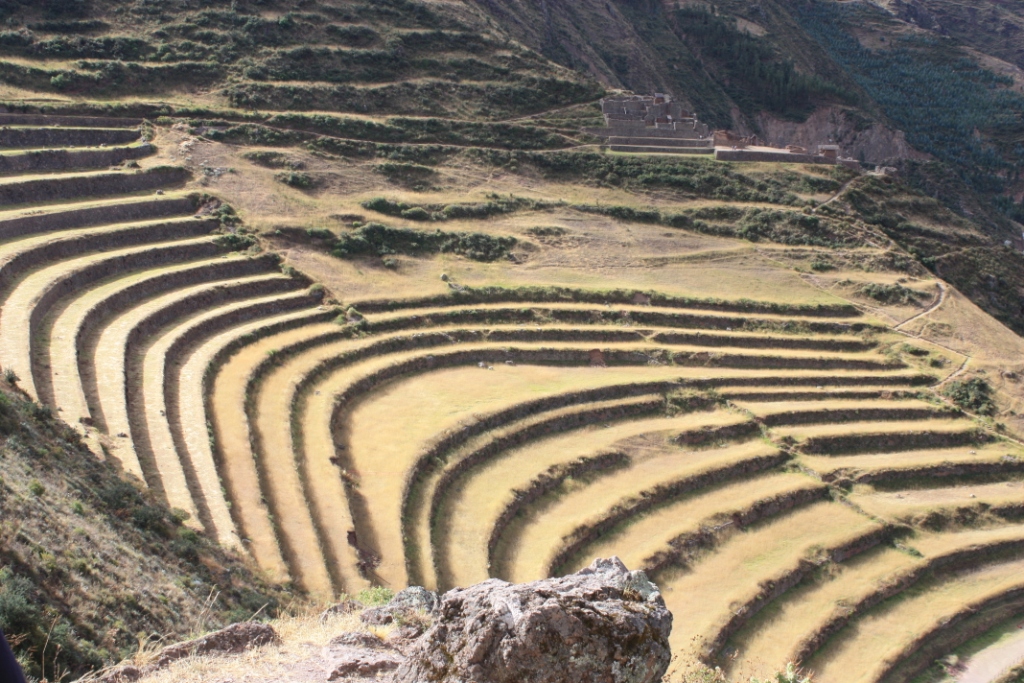
Taken in July of 2010 at Pisaq, Peru
Pisaq (also spelled “Pisac”) is a site of Incan ruins overlooking the Sacred Valley. The Sacred Valley is the river valley of the Urubamba River, which is also called the Willkanuta. This type of terracing is common around Incan sites.
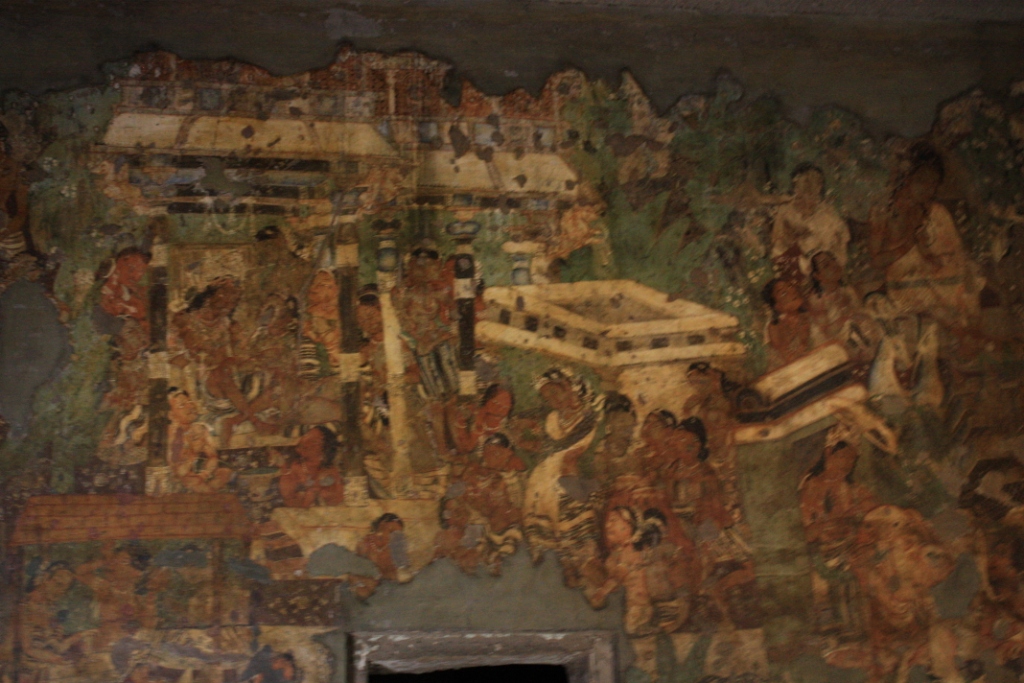
Taken on November 19, 2014 in Ajanta Caves
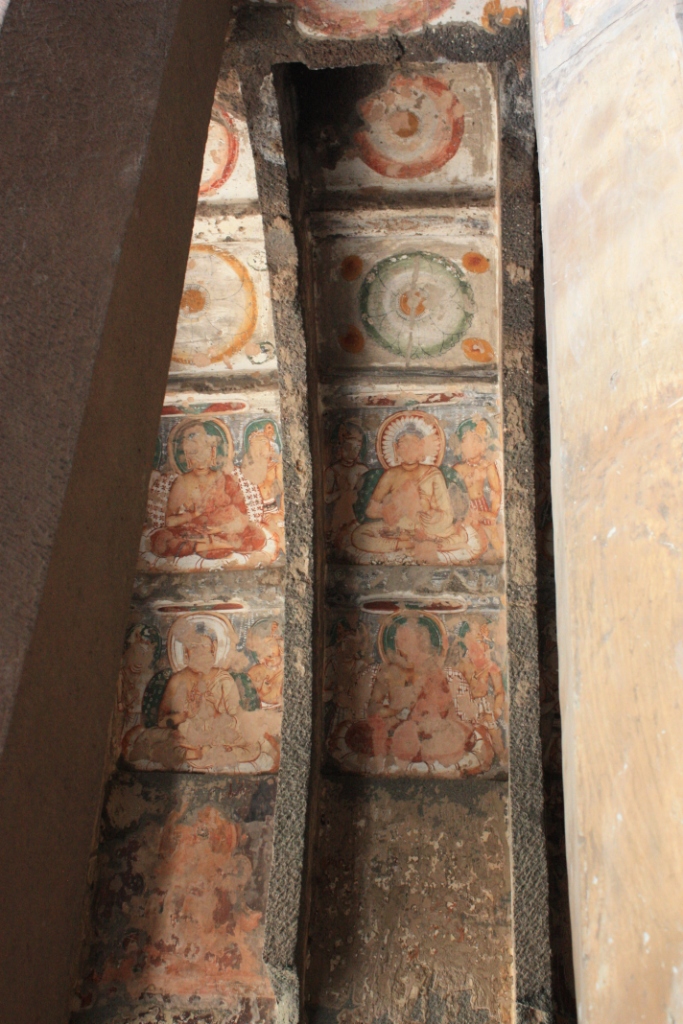
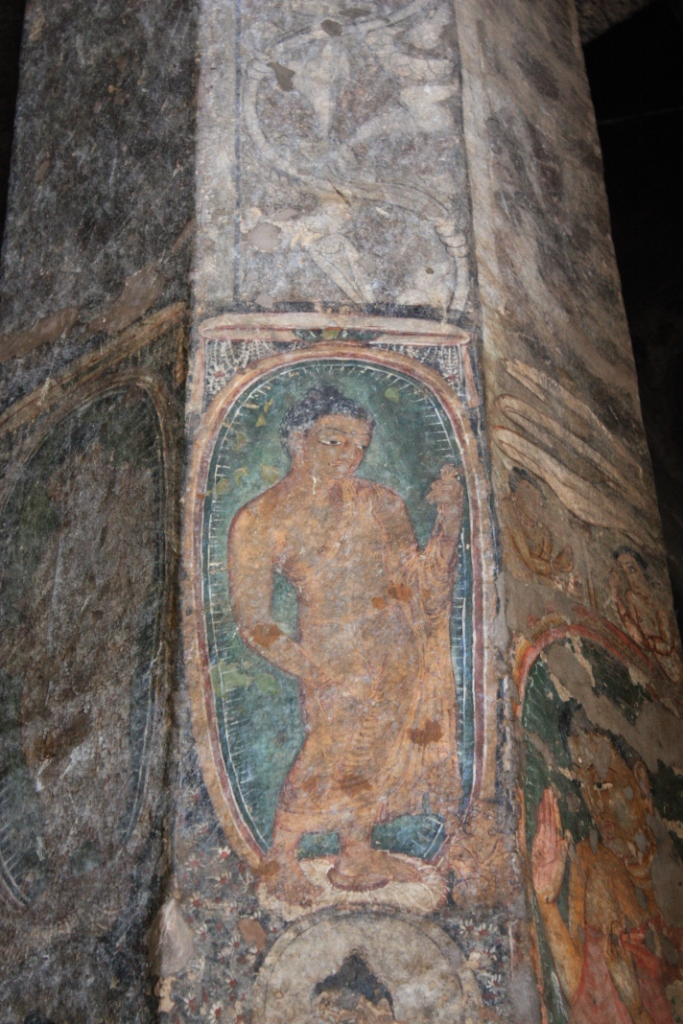
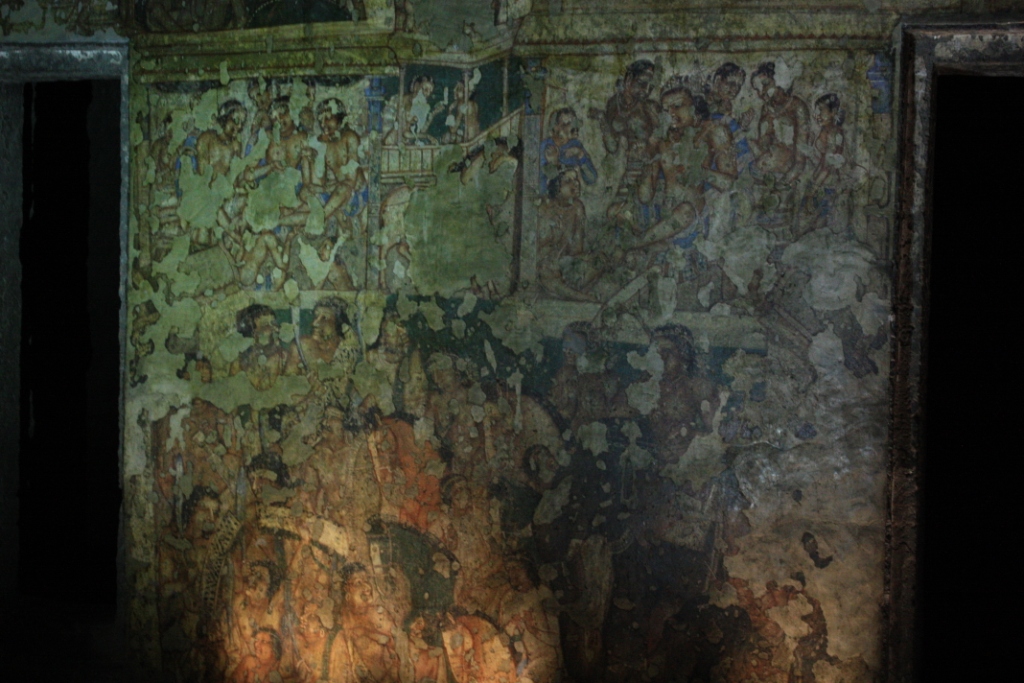
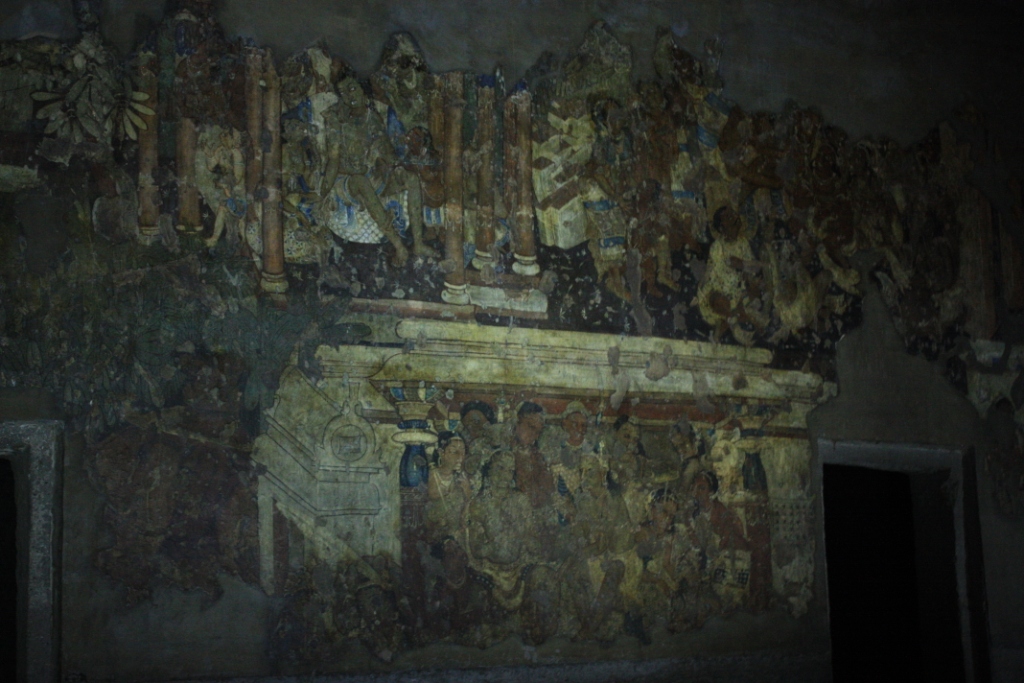 In the caves of Ajanta, many wall paintings have been preserved. As harsh light can damage these artworks, some of which have survived for centuries, flashes and outside lighting are prohibited. Therefore, it’s a challenge get decent photos, but here are a few attempts.
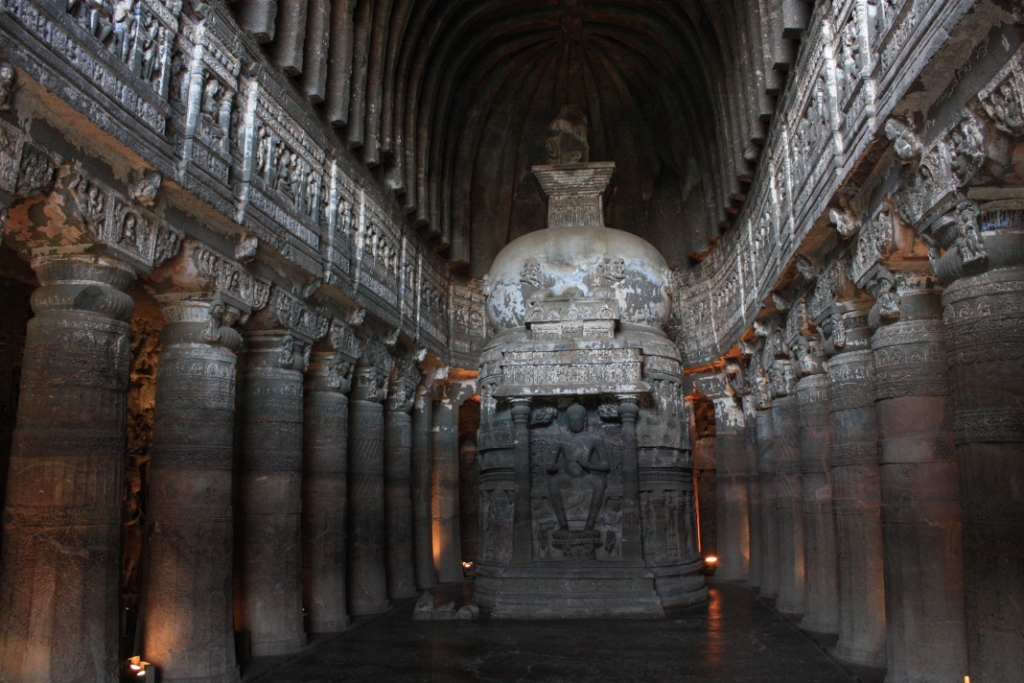
Taken on November 19, 2014
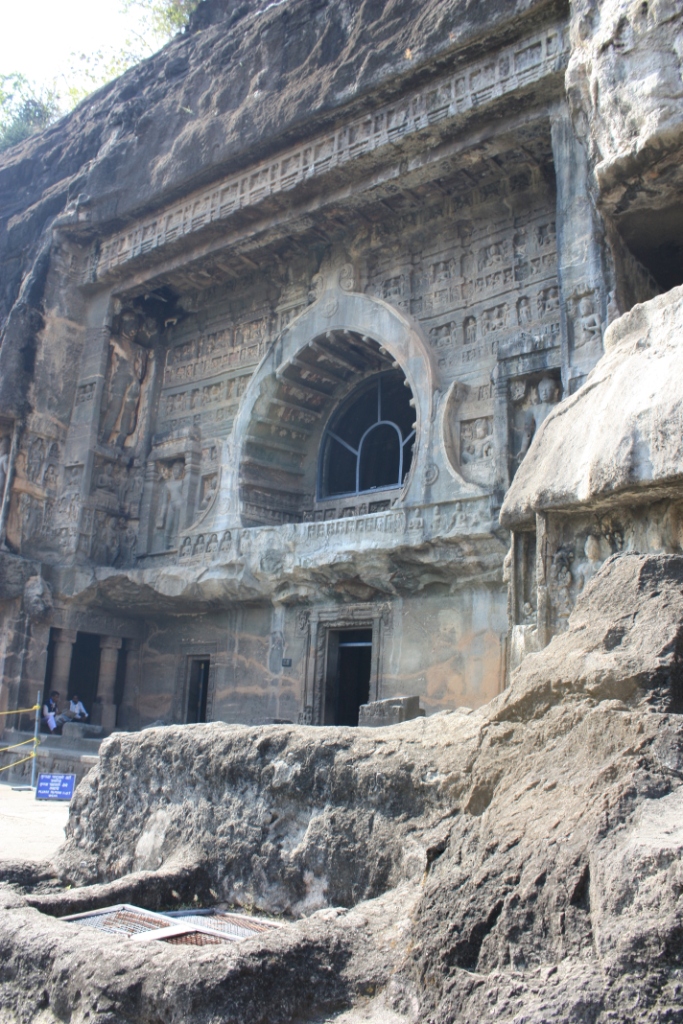
There are two types of caves at Ajanta; chaitya-grihas (a.k.a. sanctuary, prayer hall, or meditation hall) and sanghārāmas (a.k.a. vihāras or monasteries.) This is an example of the former, of which there are only a few. In fact, it (cave 26) is the most ornate of the Ajanta sanctuaries. Sanctuaries are distinguished by domed roofs and the presence of a stupa, which is a monument that is typically dome-shaped but need not be so flashy as this one–sometimes they are simply mounds. The sanctuaries also have fanlights (like a transom) that bring in more light than the monasteries.
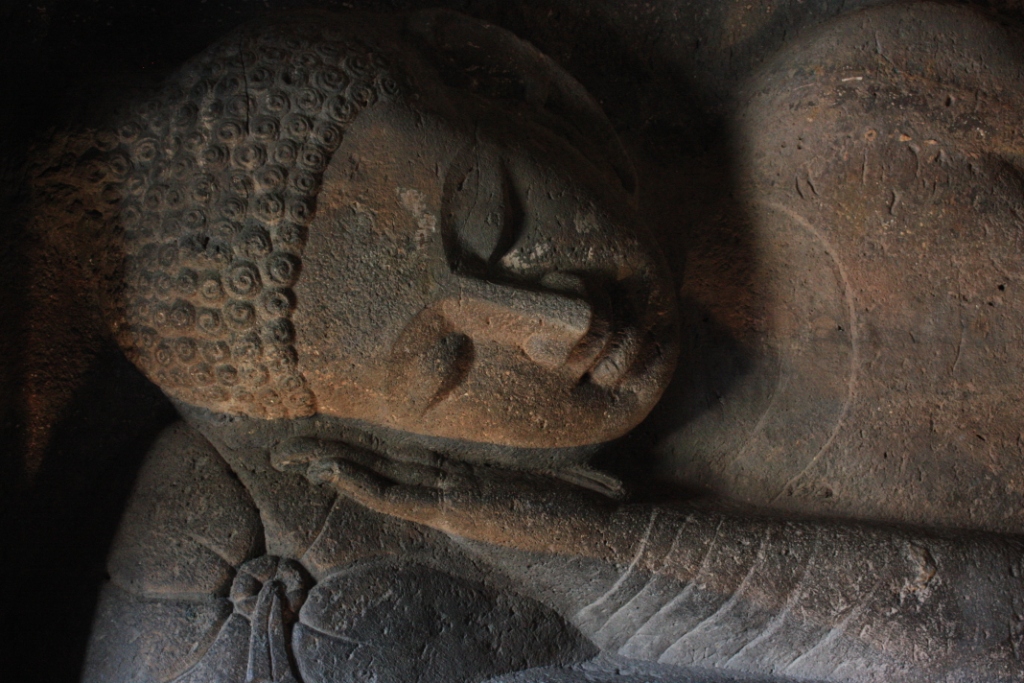
Cave 26 also houses the carving of the reclining Buddha that I’m presently using for my header image.
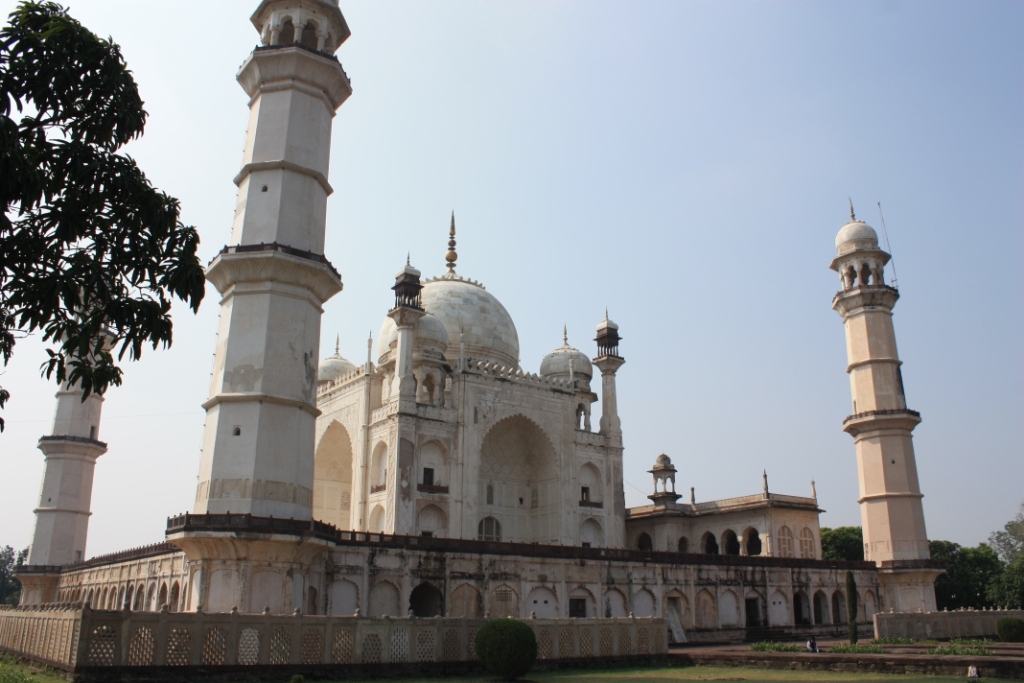
Taken on November 18, 2014 in Aurangabad
From a distance, Aurangabad’s Bibi Ka Maqbara bears a striking resemblance to the Taj Mahal. Besides the superficial similarities, it was also build in memoriam to the wife of an important Muslim leader. However, according to my guide, the Bibi Ka Maqbara is only about 60% the height of the Taj Mahal (I suspect its width is an even smaller proportion, as it looks “skinny” in comparison to my memory of the Taj Mahal.) Also, while the Taj is done entirely in white marble, only the dome and pedestal of the Bibi Ka Maqbara are white marble. The rest is plaster. Whereas the Taj has a great many floral scenes that are formed by inlaid semi-precious stones, at the Bibi Ka Maqbara similar scenes are painted onto the plaster in colorful paint. Aurangabad’s mini-Taj opened a mere 13 years after the Taj Mahal.
There are a couple of ways in which the Bibi Ka Maqbara surpasses the Taj. Most notably, the view from the back is much better. Aurangabad’s site has a garden at the back that rivals the front garden in size, and there are beautiful mountains in the background. (The rear of the Taj overlooks the Yamuna river bed and beyond that is not much impressive.) Second, no craftsmen were intentionally injured in the making of this monument. (There is a tale–treated as suspect by many historians–that the Taj craftsman were crippled in various ways after the completion of work so that they would never again produce something as lovely.)

Taken in March of 2014 in Hampi
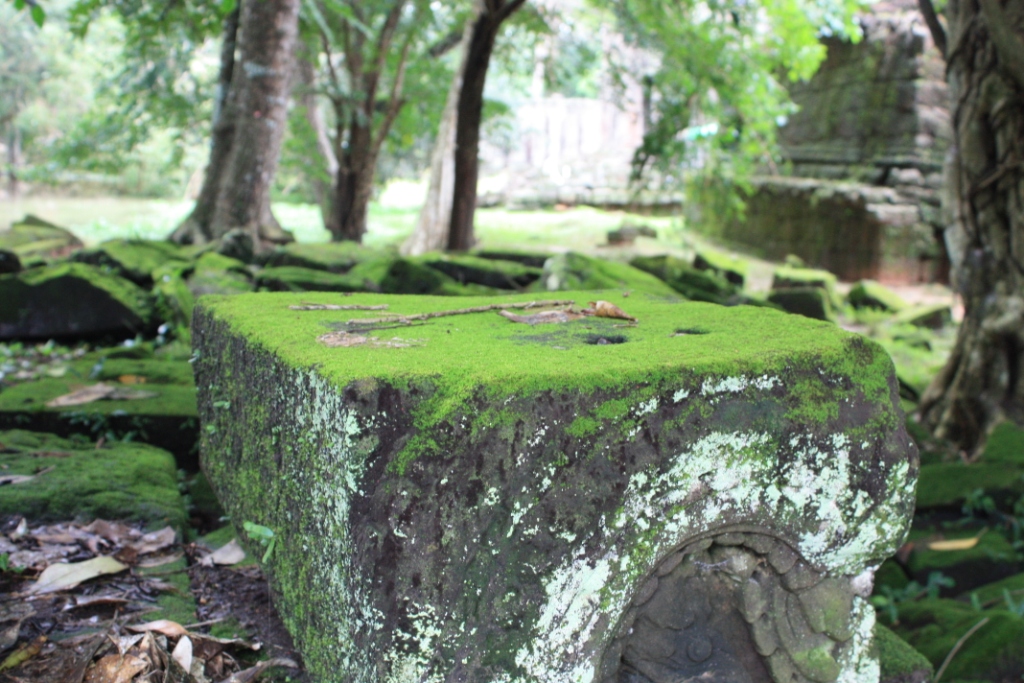
Taken in October of 2012 at Angkor.

Taken March 23rd at Nandi Hills.



 Tiger Riding for Beginners