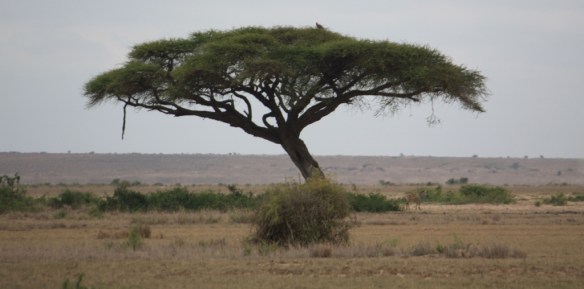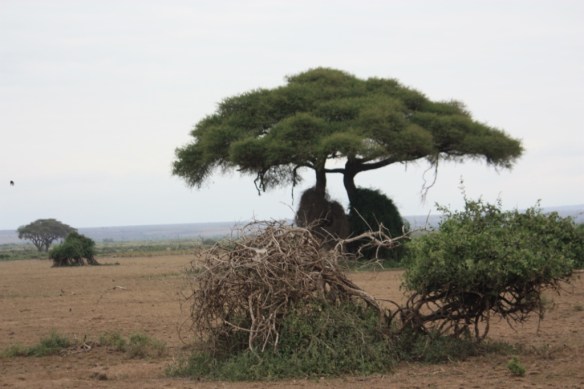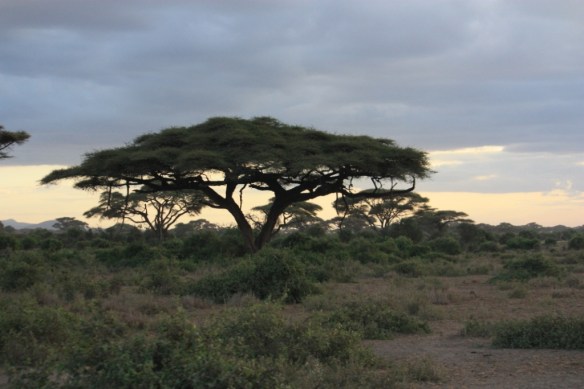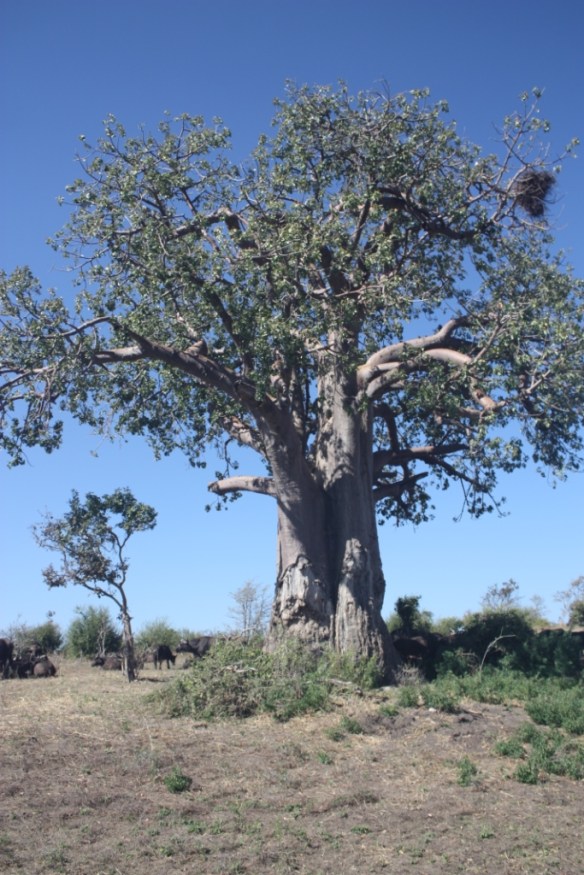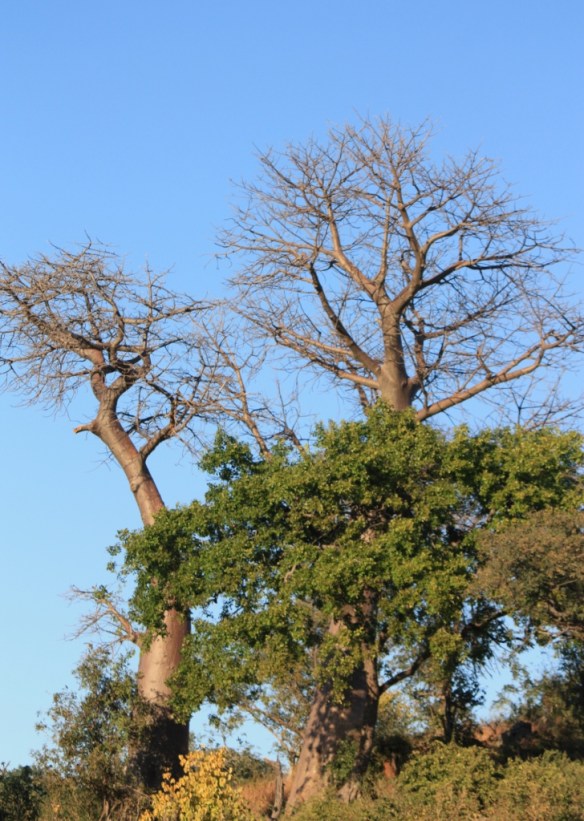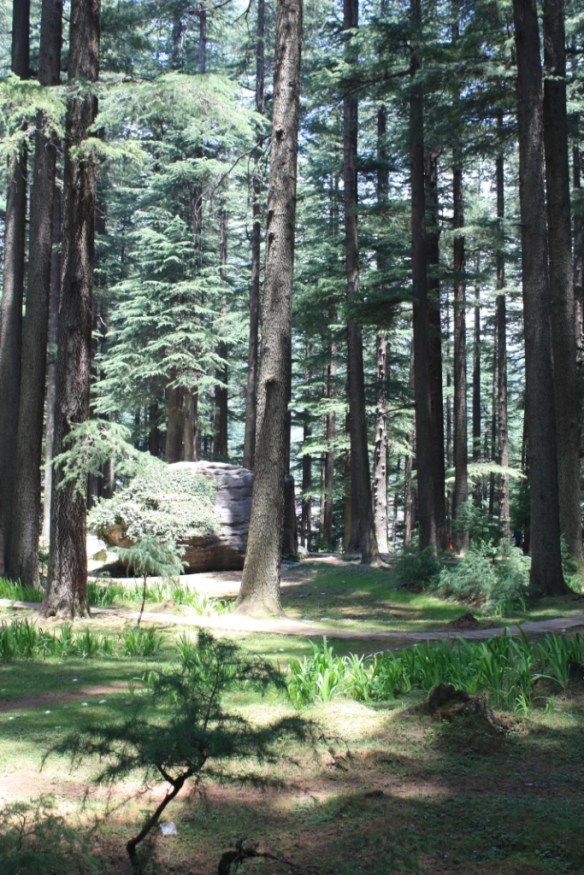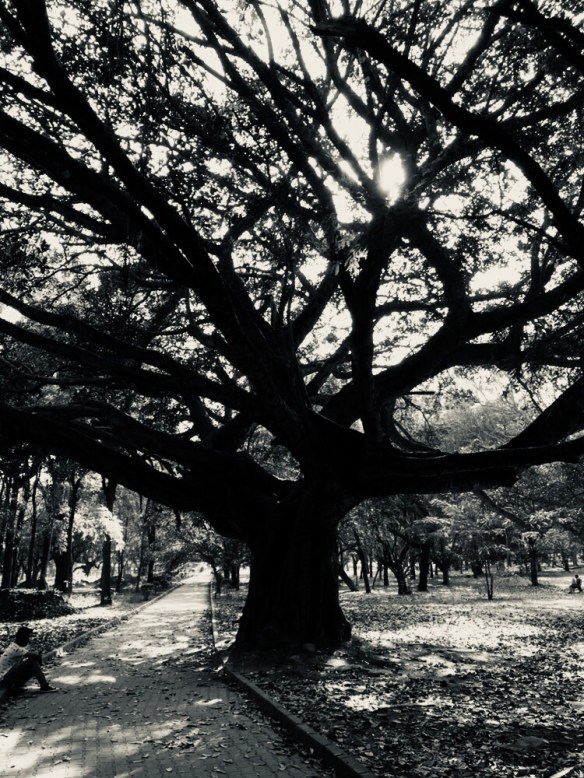
Taken on February 8, 2018 in Cubbon Park, Bangalore.


Taken in December of 2017 on Bohol
This stand of trees covers a couple of kilometers of roadway in thick mahogany forest. It’s noticeable in that it seems out-of-place, and because the trees are of preternaturally uniform size. Apparently, the natural growth was destroyed and they planted the mahogany trees for something new. The forest is in the area of the villages of Bilar and Loboc on Bohol Island along the drive to one of the Tarsier sanctuaries and the Chocolate Hills.
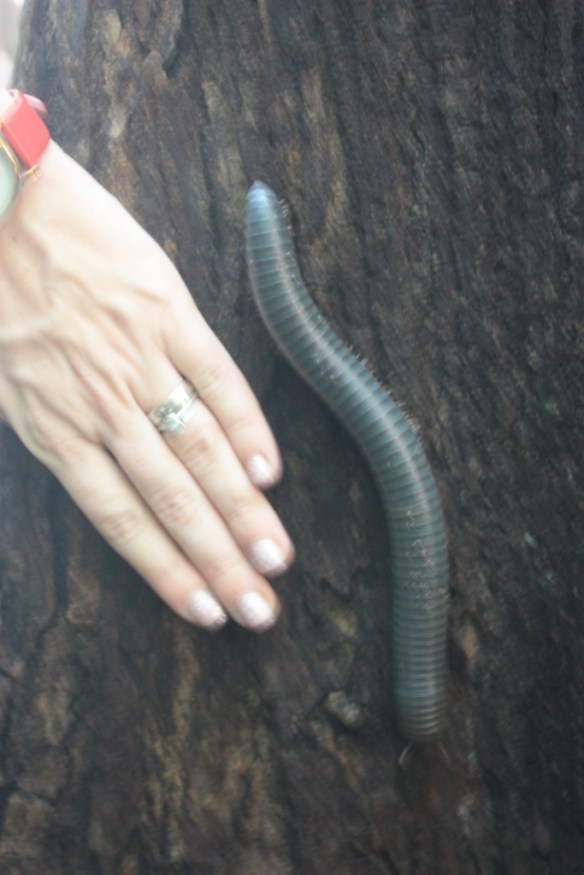
There were lots of these crawlers present.
 Lab Girl by Hope Jahren
My rating: 5 of 5 stars
This book is in part the autobiography of a female scientist with a career in a field that is both male-dominated and in which basic science is the meat and potatoes—by which I mean a discipline with few of the commercial applications at which companies, foundations, venture capitalists, and governments are willing to throw millions. Interspersed into the autobiographical chapters are short essays on trees and the ways they survive, grow, and interact with each other and their environments. So it’s a mix of biography and pop science, and was one of the most well-received science-themed books of last year (2016.)
The book is arranged into three parts. The first 11 chapters are entitled “Roots & Leaves” and these cover Jahren’s path to becoming a scientist from her childhood in an unexpressive Scandinavian family in rural Minnesota, through her college job in a hospital lab, and onto her graduate education. Part II consists of 12 chapters that cover Jahren’s years as a junior faculty member, most of which takes place at (my alma mater and former employer) Georgia Tech. The title of this chapter, “Wood & Knots,” gives one some indication of where the author’s story sits in this part of her life. She experiences both growth and set-backs during her time in Atlanta. The last part, “Flowers & Fruit,” describes the period in which not only her professional life, but also her personal life begins to bear fruit. During these years she moved her lab to Johns Hopkins, got tenure, built a family, and eventually moved to Hawaii to work for the University of Hawaii.
Besides Jahren, the only other major character in the book is her side-kick Bill, who was an undergraduate where she did her doctorate in California. The two met when Jahren was the Teaching Assistant for a course that Bill took, and subsequently he followed her from lab to lab as her research assistant. Bill’s mix of workaholic diligence, nerdiness, dysfunction, and adroit sarcasm made him a sort of soulmate of science. Their strange, platonic relationship is at the heart of the book, and is in part what keeps the reader wondering and turning pages. Her dog, her husband, and her child are all secondary characters by comparison (perhaps not in her life but in the science-centric story she is telling) though her son becomes a central player near the book’s end. The other people are cameos by grad students and other faculty members.
Jahren’s use of language is skillful and at times poetically beautiful. There’s a great deal of humor in the book, much of which stems from the dialogue between her and Bill. While the parts of the books about trees didn’t wow me as much as Wohlleben’s “The Hidden Life of Trees,” that may be because I read his book first and, therefore, was clued into some of the fascinating arboreal secrets. That said, these botanical sketches are intriguing and readable. The only place that the book bogged down for me was in incessant complaints about the difficulty of keeping a lab funded. (And this is from a person who was paid from grant money—job perpetually at risk–at the same Institute where Jahren struggled. But now I’ve lived in India for the past four years so… first world problems, right?)
I’d recommend this book for readers generally. I think it may be particularly insightful for young women choosing a career in science, but the book shouldn’t be shunted into a parochial box. There are a number of elements that will keep one reading. For some it will be a fascination with the unexpectedly complex life of trees. For some, the tension of this life story may have a lot to do with the mental health issues that Jahren struggles with. These issues aren’t put front and center in the book, but there are points at which their impact is felt. A few will just be wondering what exactly is going on with her relationship with Bill.

blocks of rubble
corners & edges eroded round
bas reliefs dulled
&
adorned by jagged cracks
once the Earth’s most massive city
in its day London was a hamlet
thriving,
dying,
&
swallowed
infinitely patient arboreal adversaries
claimed the light
drilling down into cracks
making chasms
to set roots
strangler figs, literally,
strangled
figureheads
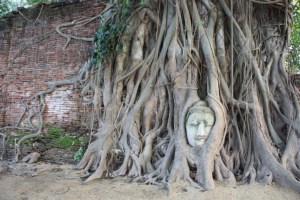
[National Poetry Month: Poem #8]

Taken in March of 2015 at Savandurga