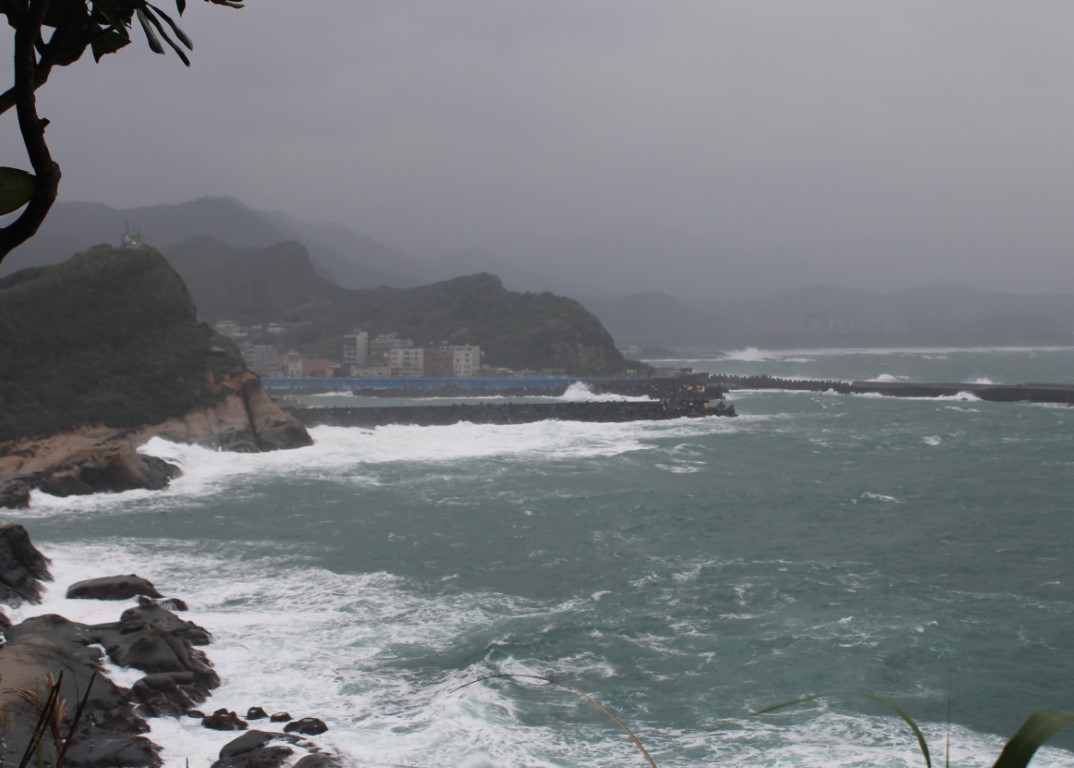
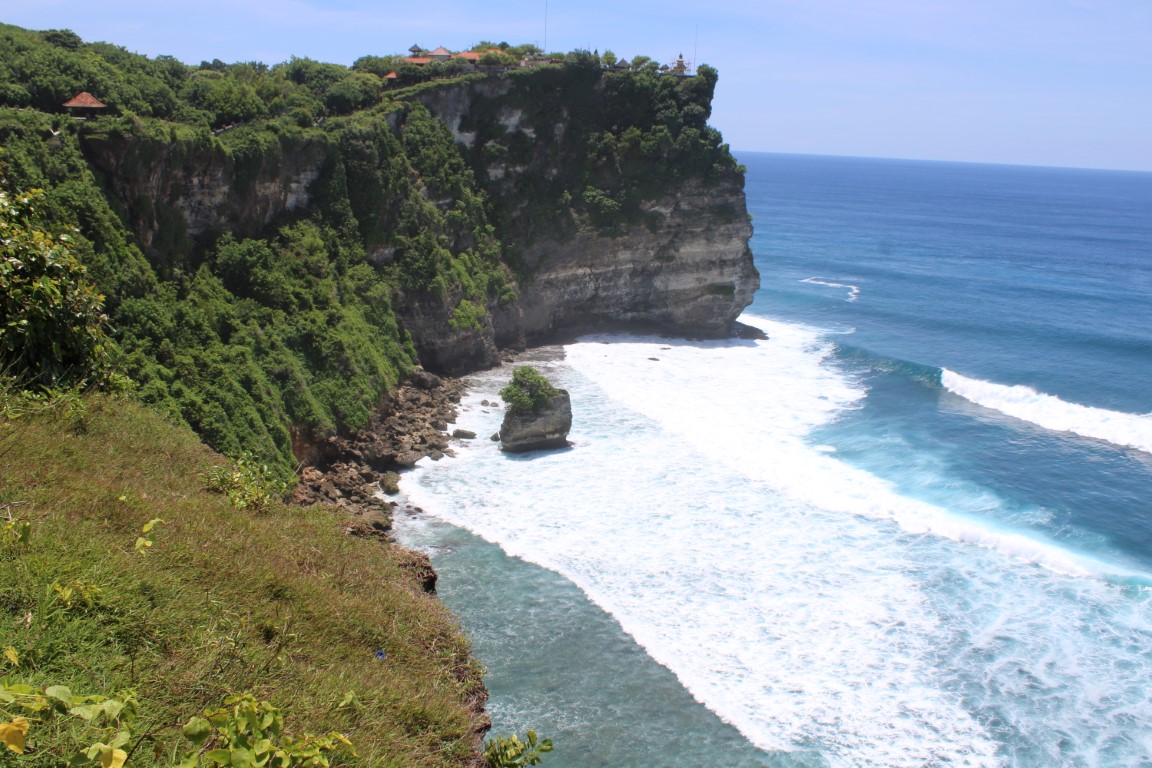
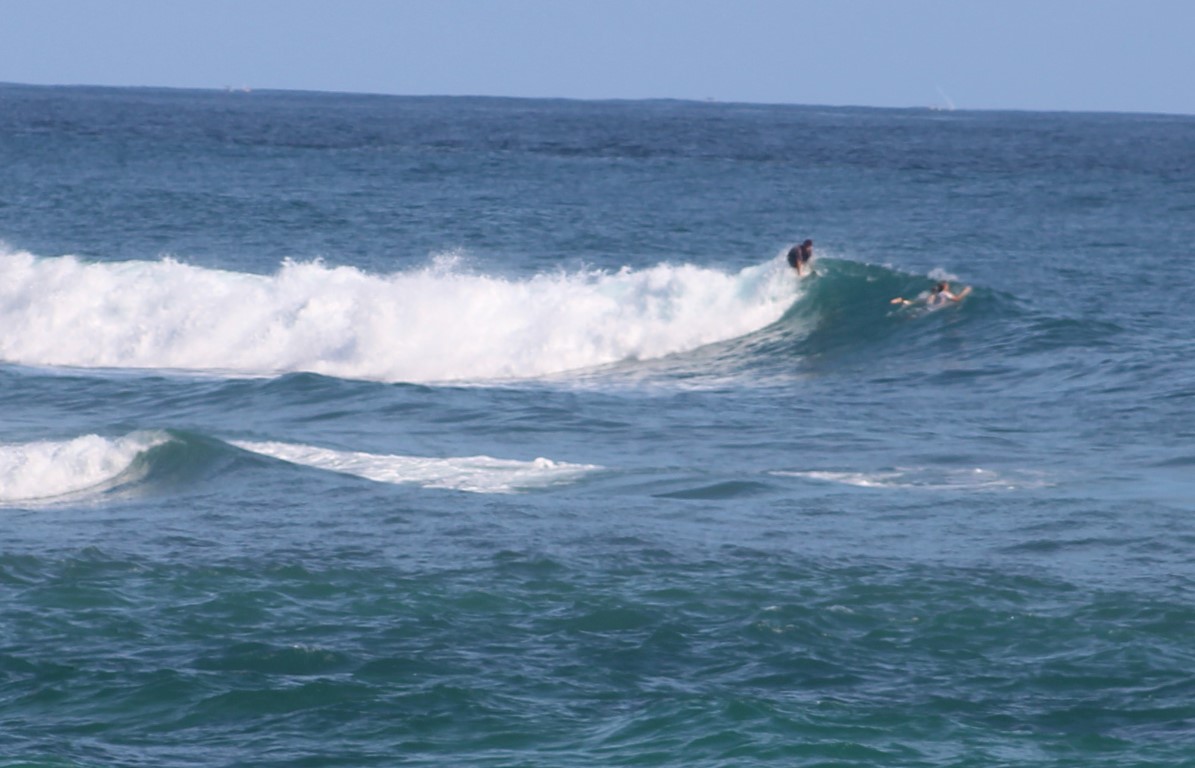
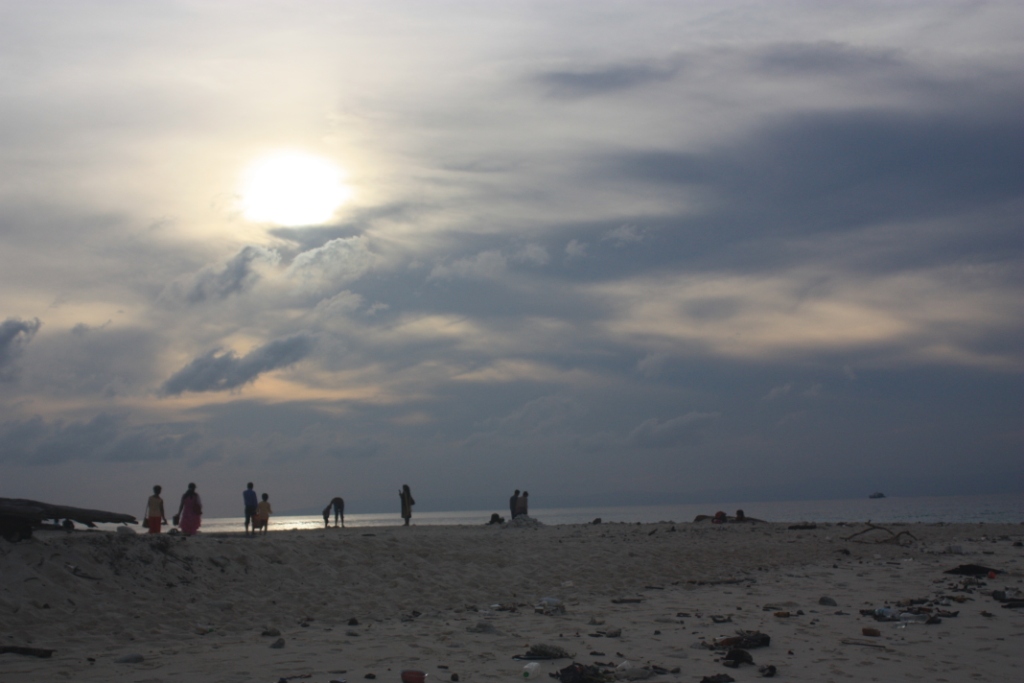
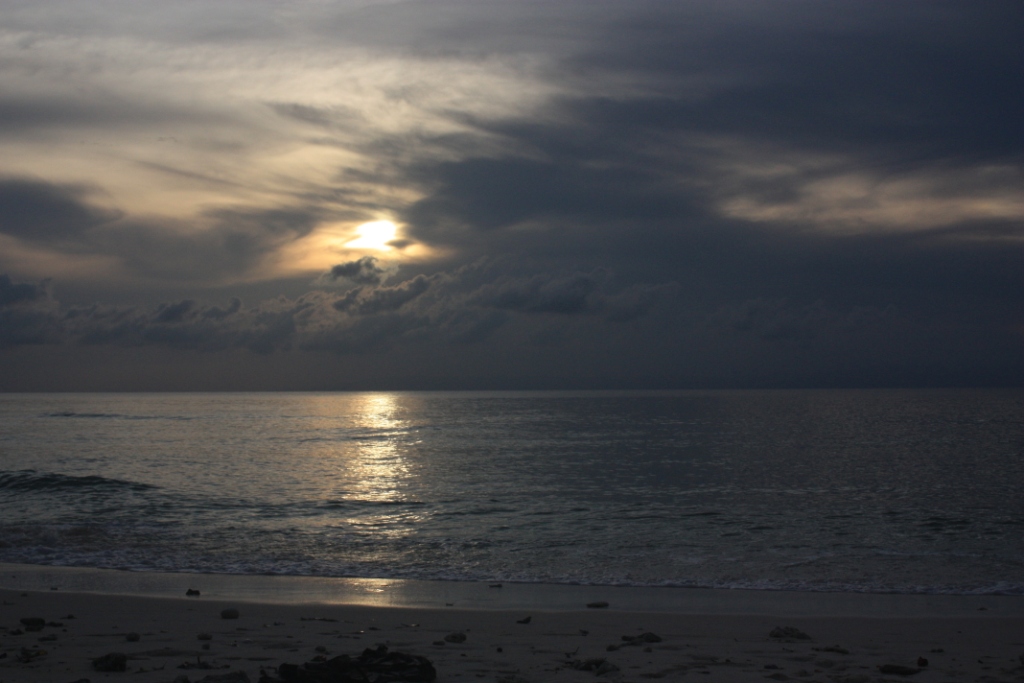
waves crash ashore,
churning waves to foam,
white coastal frill.
Choppy Shore [Haiku]
1

waves hit rocky shore
and spout a geyser that rains
like a mini squall.
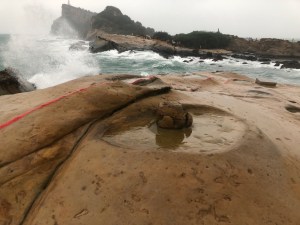
Upon the ocean shore,
there is a rock:
hard,
black,
porous,
volcanic.
Gentle seas send ripples
against its base.
Stormy seas send waves
to relentlessly batter it,
crashing over its top.
Both the lapping waves
and the crashing waves
cart away parts of the rock --
one unit of grit at a time.
The lapping waves need patience;
the crashing waves need energy,
but they both insist a tax be paid
for their labors.
Just looking at the rock,
one can tell it was once different:
bigger,
its pores filled
with other rock -- softer rock,
rock that the sea long ago turned
into sandy bottoms and beaches.
The rock is dissolving like an ice cube,
except in geologic time.
so much power
in a lazy rolling wave
as it tips into a tube.
a column of
weighty water
piledrives:
pressing one down &
holding one in a
back-shaped divot
on the sandy bottom,
a forced pour
onto face and chest,
flowing & rolling
over both sides with
such easy skill
as to negate a
frantic, thrashing
attempt to roll free.
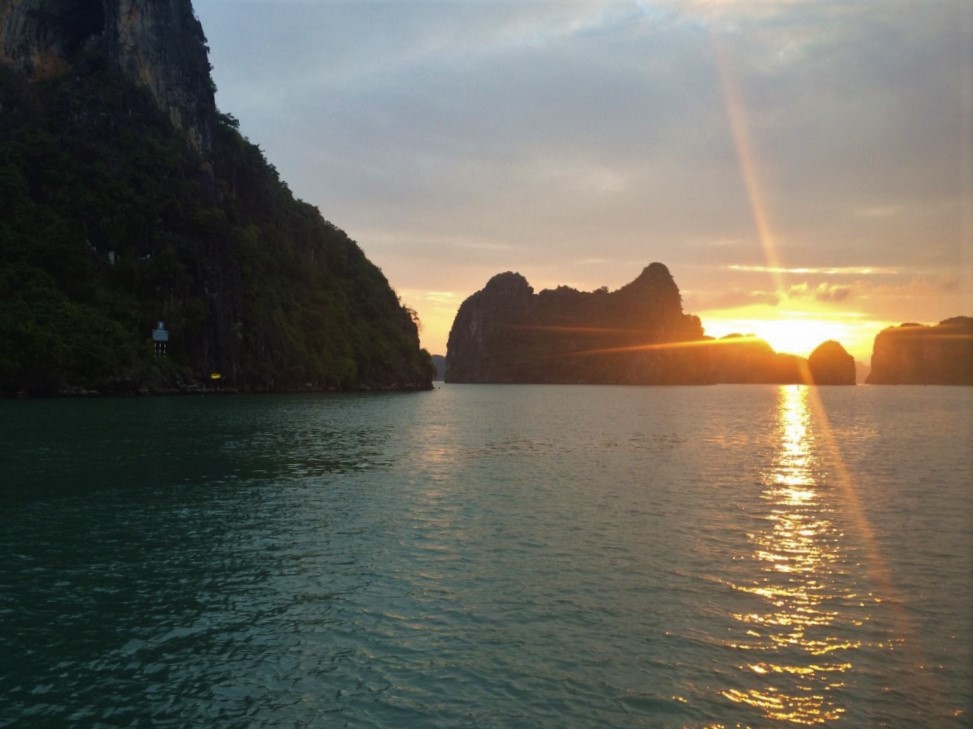
You see that one ship out on the horizon,
and feel that unique tang of loneliness.
There's far, far too much blank sea to thrive in,
and all the makings for keen ghostliness.
That boat will soon be passing beyond sight,
and maybe it will falter, maybe sink.
The sea has created a million plights,
and hazards there will honor no strict brinks.
In Shakespeare, ships are lost, often as not.
See: "Tempest," "Merchant," "Pericles,” and so on.
Perhaps, you'll say that today isn't so fraught
with maritime menace and sea demons.
Why more vexed than those who keep ships running?
'Cause sailors will never, ever, see it coming.